 English
 Le français
 Türkçe

Choose the group below that matches your question about selecting a motor for your machine, replacing an old motor or checking details before ordering; each question opens on its own answer page. 246 questions, 12 groups.
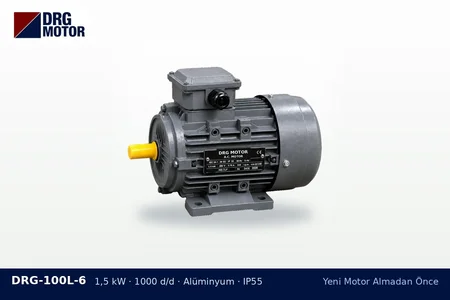
Before Buying a New Motor 25
Most motor ordering mistakes come from information that was not collected before the order. The answers in this group explain which measurements, photos and operating details to prepare for a motor with a worn nameplate, a code supplied by the machine builder, a second-hand or imported machine, and a new production line.
- If the motor nameplate is unreadable, how do you determine the right new motor for the machine?
- Can the right product be found from the motor code given by the machine manufacturer?
- Why do different models of the same machine use motors of different power?
- How do you prepare a motor requirement list for a new production line?
- When buying a spare motor, which features must match the existing motor?
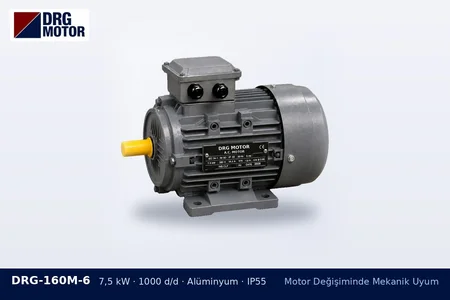
Mechanical Fit When Replacing a Motor 20
Even with the right power and speed, the job stops if the new motor does not sit on the machine. The questions in this group cover the mechanical differences met during installation: foot holes, shaft height, shaft and key size, flange spigot diameter, overall length, and pulley and coupling fit.
- If the new motor's terminal box is on a different side, will there be a problem with installation?
- When the motor's overall length changes, how can you tell whether it will fit the machine?
- Can the old pulley and coupling be used on the new motor?
- If the height of the motor feet changes, which dimensions on the machine should be checked?
- What mounting information should be given when ordering a motor for a vertically operating machine?
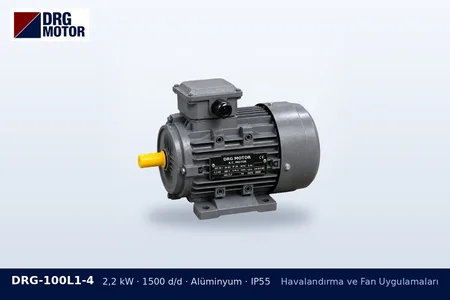
Ventilation and Fan Applications 20
On a fan, motor load is set by the impeller, the speed and the duct resistance; a small speed change can raise the required power noticeably. The answers in this group explain what to look at when choosing a motor for hoods, extractors, dust collection, roof, greenhouse, boiler and cooling tower fans.
- What operating data should be collected before replacing the motor of a hood extraction system?
- What should be considered in motor selection if the fan filter clogs frequently?
- When a new branch is added to a ventilation duct, will the existing motor still be adequate?
- Apart from rain, what conditions should be considered for a fan motor installed on a roof?
- Is choosing a standard fan motor sufficient for a motor used in a paint booth?
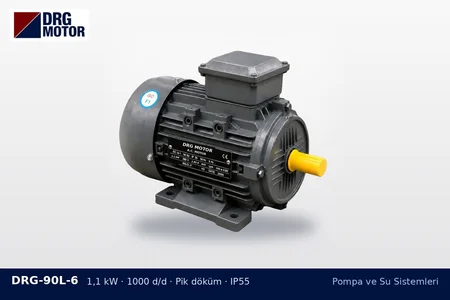
Pumps and Water Systems 20
When a pump motor is replaced, pressure and flow usually depend not on the motor but on the impeller, the speed and the pipework. The questions in this group gather what should be examined before choosing a motor for booster, irrigation, circulation, pool, waste water and fire pumps.
- If a booster pump motor starts too often, what should be checked before buying a new motor?
- Is replacing the motor alone enough to increase a pump's flow rate?
- What operating information is needed for a motor that will run long hours during the irrigation season?
- If water pressure does not rise even after the pump motor has been replaced, where could the problem be?
- Can a motor be ordered online without knowing the pump's connection dimensions?
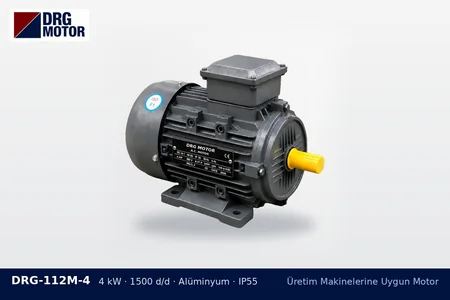
Motors for Production Machines 22
Two machines of the same power can need different motors depending on how the load behaves at start-up and in operation. The answers in this group cover motor selection for screw and belt conveyors, concrete mixers, compressors, plastic granulators, wood and marble processing, packing and textile machines.
- What load data are needed for a motor that must restart a screw conveyor while it is full?
- Is it right to choose a concrete mixer motor based only on the mixer volume?
- Why might air output not reach the expected level after a compressor motor is replaced?
- How should the motor requirement be assessed when a second machine is connected to a dust extraction system?
- How does a packaging line motor that starts hundreds of times a day affect the order specification?
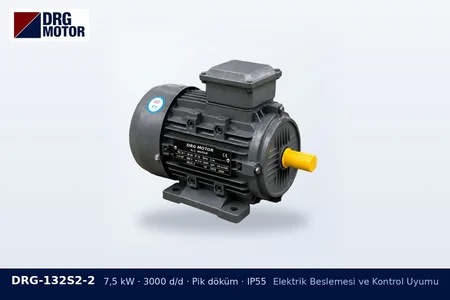
Power Supply and Control Compatibility 21
Even when a new motor fits mechanically, it must suit the supply voltage, the panel equipment and the starting method. The questions in this group cover nameplate voltage choice, generator supply, long cable runs, power factor correction and planning for speed control. Connection and protection settings always depend on the motor nameplate, the manufacturer's documentation and the assessment of qualified electrical staff.
- Can a new motor be used without replacing the existing electrical panel?
- Can the old protection settings be kept when a new motor of the same power is installed?
- What information should be assessed together when selecting a motor that will run on a generator?
- In which cases does the distance between motor and panel affect the choice of a new motor?
- For a machine that will get speed control later, which motor data should be verified today?
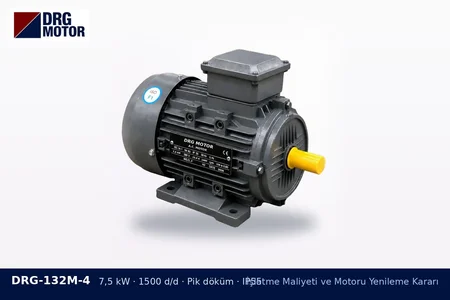
Operating Cost and Motor Renewal 25
A motor decision is not made on purchase cost alone; running hours, electricity use, breakdown downtime and spare management also count. The answers in this group help with choosing between repair and renewal, keeping spare motors, building a motor inventory and setting budget priorities.
- Should a motor that runs two hours a day be selected by the same criteria as one running three shifts?
- How do you compare keeping a rewound old motor in service with buying a new one?
- If electricity consumption has risen without any increase in output, does the motor need replacing?
- How can you tell whether keeping a spare motor is economical?
- Apart from the price, which costs should be added to the total cost when buying a motor?
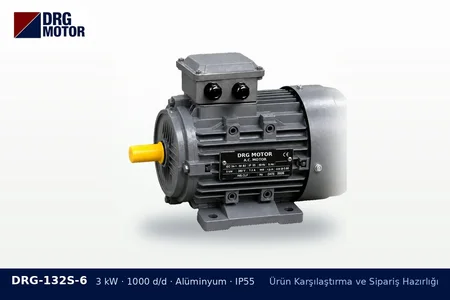
Comparing Offers and Preparing Orders 20
Different offers may show the same kW rating while the frame, shaft, speed and mounting differ. The questions in this group explain how to compare offers, read catalogues and model codes, prepare order lists for bulk purchases, check a delivered motor and draft a technical specification.
- How can you tell whether two motor quotations really cover the same product?
- Besides the model code, which technical details should a motor quotation state?
- How should the order list be organised when buying motors for several machines?
- If a delivered motor's dimensions differ from the order, which records should be prepared before installation?
- How do you compare the motor chosen by maintenance with the motor in a purchase quote?
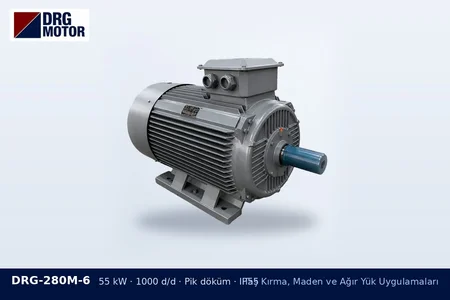
Crushing, Mining and Heavy-Duty Applications 21
Crushers, mills and heavy belts run with high starting load, shocks and dust. The answers in this group cover motor selection for jaw, cone and impact crushers, screens, feeders, sand washing, concrete and asphalt plants, together with pulley ratio, base strength and the 1.15 service factor of crusher motors of 75 kW and above.
- What does a 1.15 service factor provide in crusher motors of 75 kW and above?
- Why do the flywheel and belt arrangement matter when selecting a motor for a jaw crusher?
- Is fitting a bigger motor the solution when a crusher chokes and stops?
- How are screen and feeder motors selected separately from the main crusher?
- How are transport and operating vibration assessed when selecting a motor for a mobile crusher?
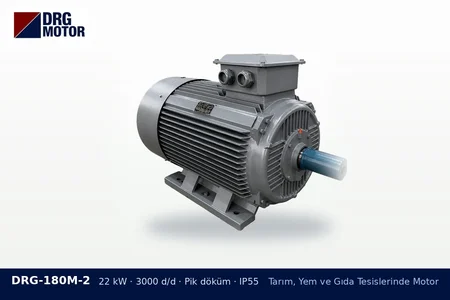
Agriculture, Feed and Food Plants 20
In agriculture and food plants, motors face dust, humidity, wash water and intense seasonal operation. The questions in this group cover motor selection for feed grinding and mixing, pellet presses, flour mills, silos, cotton gins, olive oil lines, dryers, cold stores and oil presses.
- Why do the number of hammers and the screen hole size matter when selecting a feed hammer mill motor?
- How is the motor power determined for a feed mixer?
- How do you select the motor for a pellet mill?
- What information is needed for roller mill motors in a flour mill?
- How are auger and elevator motors selected for a grain silo?
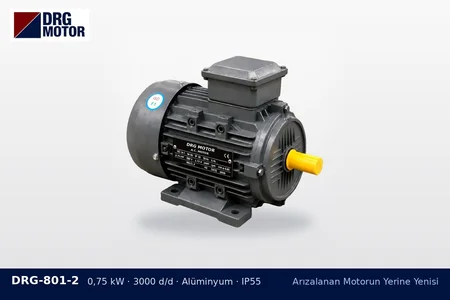
Replacing a Failed Motor 21
Fitting the same model in place of a failed motor repeats the problem if the cause has not been removed. The answers in this group explain the checks to make before a new motor after burning, bearing failure, a broken shaft, flooding or phase loss; the choice between repair and renewal; and how to prepare order details quickly in an emergency.
- What should be investigated before fitting a new motor of the same power after a burnout?
- Is repair or a new motor the better choice after a bearing failure?
- Why shouldn't you look only at the motor when replacing one with a broken shaft?
- Can a flooded motor be reused, or should a new one be bought?
- What should be done with a motor that will not run after a lightning strike?
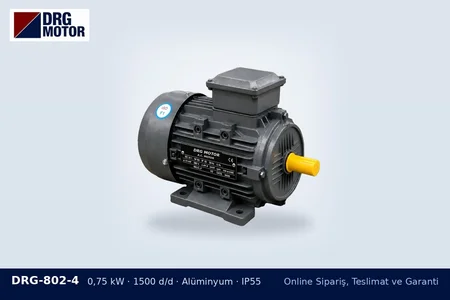
Online Ordering and Delivery 11
Knowing the payment, shipping and collection steps in advance makes buying a motor from the online store easier. The questions in this group explain how to find a model in the DRG store, the order reference, shipping cost, collection from the warehouse in Buca, Izmir, and order follow-up.
- How do I find a motor with the power and speed I need in the online shop?
- What technical information is shown on a product page in the shop?
- Why should the order code be written in the reference field when paying by bank transfer?
- Why is shipping not included in the order total, and how is it determined?
- Can I collect my order myself from the warehouse in Buca, Izmir?
This section was prepared for users looking for a motor for their machine, replacing a failed or ageing motor, or wanting to be sure before ordering. Questions are grouped by application and decision stage: information to gather before buying, whether the new motor will fit in place of the old one, load differences on fans, pumps and production machines, panel and supply compatibility, operating cost, comparing offers and online ordering.
Each answer has its own page and starts with a short reply to the question, then explains the conditions that affect the choice, the missing details that could lead to the wrong motor and the DRG models worth considering. DRG Motor is a manufacturer, supplier and seller of electric motors; the models and dimensions in the answers are based on the 0.25–355 kW three-phase asynchronous motor range in the online store. If you cannot find your question, send us a photo of the motor nameplate.
If your question is not listed, send a photo of the motor nameplate, the name of your machine and the quantity you need on WhatsApp, and we will find the suitable DRG model together.