 English
 Le français
 Türkçe

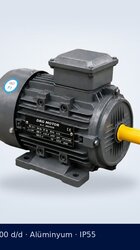
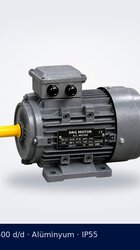
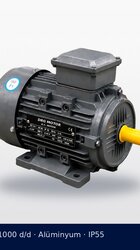
For an irrigation motor that will run for long hours, power is set by the pump's actual operating point and service life by the operating and environmental conditions. The information needed falls under four headings: pump and pipework, operating pattern, electrical supply and installation site. A motor chosen without this information will either be needlessly large or overheat and stop in mid-summer.
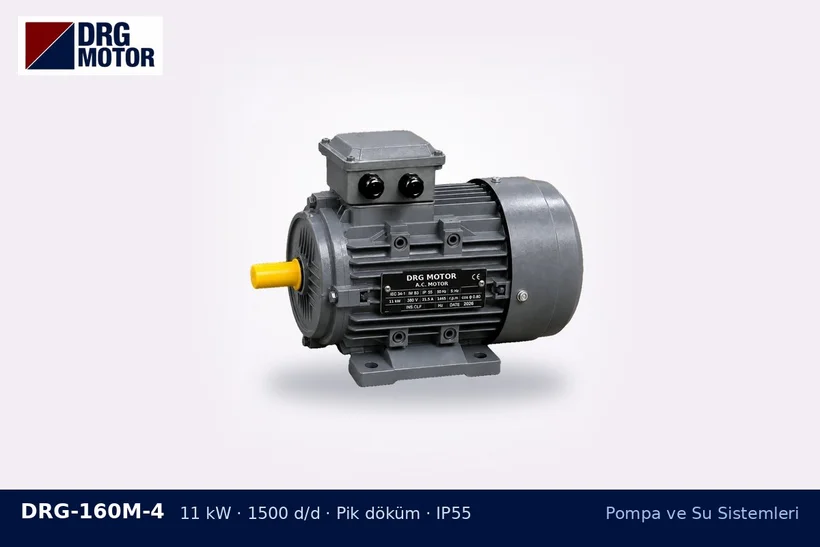
Pump and pipework information
- Required flow and total head (sprinkler, drip and surface irrigation need different pressures)
- The pump's design speed and curve; shaft power at the operating point
- Suction depth from the well or channel, suction line length
- Connection between pump and motor: coupling, belt or flange; shaft diameter and frame size
In drip irrigation the operating point shifts as filters clog, and in sprinkler irrigation as the number of open sprinklers changes. You need to know under which condition the highest power demand occurs.
Operating pattern
Ask about daily running hours, how many times a day it stops and starts, whether it runs day and night, and how many months the season lasts. During long uninterrupted operation the motor reaches thermal equilibrium; the actual load must then not exceed the nameplate power, and some margin should be left for summer heat and voltage fluctuations. Frequent starting is a separate source of heating.
Electrical supply
The distance to the transformer serving the field, the cable length and cross-section, whether a generator is used and fluctuations in mains voltage all affect both starting and heating of the motor. If voltage is low, the motor delivers the same power at a higher current. Starting and protection arrangements depend on the motor nameplate, the manufacturer's documentation and the assessment of qualified electrical personnel.
Installation site and the off-season
Will the motor stand in the open, in the sun, at a dusty pump head, or in a ventilated shelter? Where summer ambient temperatures are high, shading and air circulation are needed. For a motor that will stand idle over winter, it is recommended to protect it from moisture and, at the start of the season, to turn the shaft by hand and check the insulation before putting it into service.
Criteria specific to surface pumps are on the irrigation pump motor page, and other agricultural uses on the agricultural machinery motors page. Once the information is clear, you can browse suitable three-phase motor models in the shop.