 English
 Le français
 Türkçe

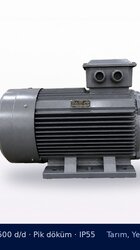
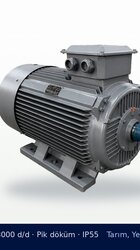
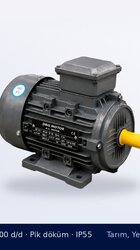
On a feed hammer mill, the power the motor uses depends less on how many tonnes of grain pass through than on how finely that grain is ground. The smaller the screen hole, the more times each kernel is struck by the hammers before it gets through; this means more power for the same capacity. The number of hammers, on the other hand, determines the rotor’s inertia and the starting time.
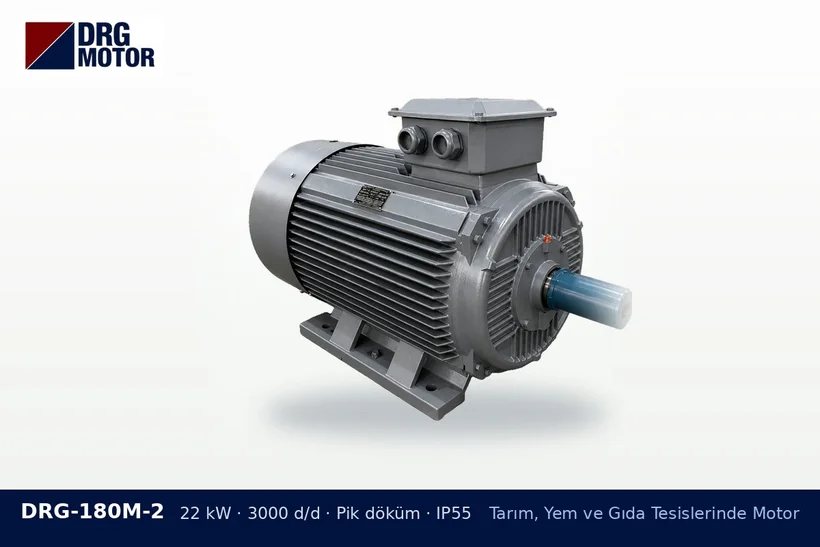
Screen hole size and capacity
Suppose barley is ground on the same machine first with a 6 mm screen, then with a 2 mm screen. With the fine screen the material stays longer in the grinding chamber; if the motor runs at the same current, the hourly output drops noticeably, and if the same tonnage is required, more power is needed. So when asking about motor power, the product list and the finest screen size should be given together. Different raw materials such as maize, barley, straw or lucerne also change the power requirement.
What does the number of hammers change?
- Grinding effect: More hammers mean more impacts per unit of time; this can raise capacity in fine grinding but also raises power.
- Inertia: A heavy rotor and many hammers lengthen the start; the motor draws high current during this time.
- Balance: If hammers are missing or worn unevenly, the rotor becomes unbalanced; the vibration also reaches the motor bearing. Hammers should be replaced as a set.
Speed and connection
Hammer tip speed determines grinding quality; many feed mills are coupled directly to a 3000 rpm motor, while some run through pulleys. When replacing the motor, the speed of the old motor should be kept and the coupling or pulley size checked against the shaft diameter. Trying to raise capacity by increasing speed puts the strength of the rotor and hammers at risk; that decision belongs to the machine manufacturer.
Information needed for selection
Machine model, type of raw material, finest screen size, required hourly capacity, number of hammers and the existing motor nameplate. The topic continues on the feed crushing and grinding machine motors page; once the power is known, a choice can be made among the 3000 and 1500 rpm three-phase models.