 English
 Le français
 Türkçe

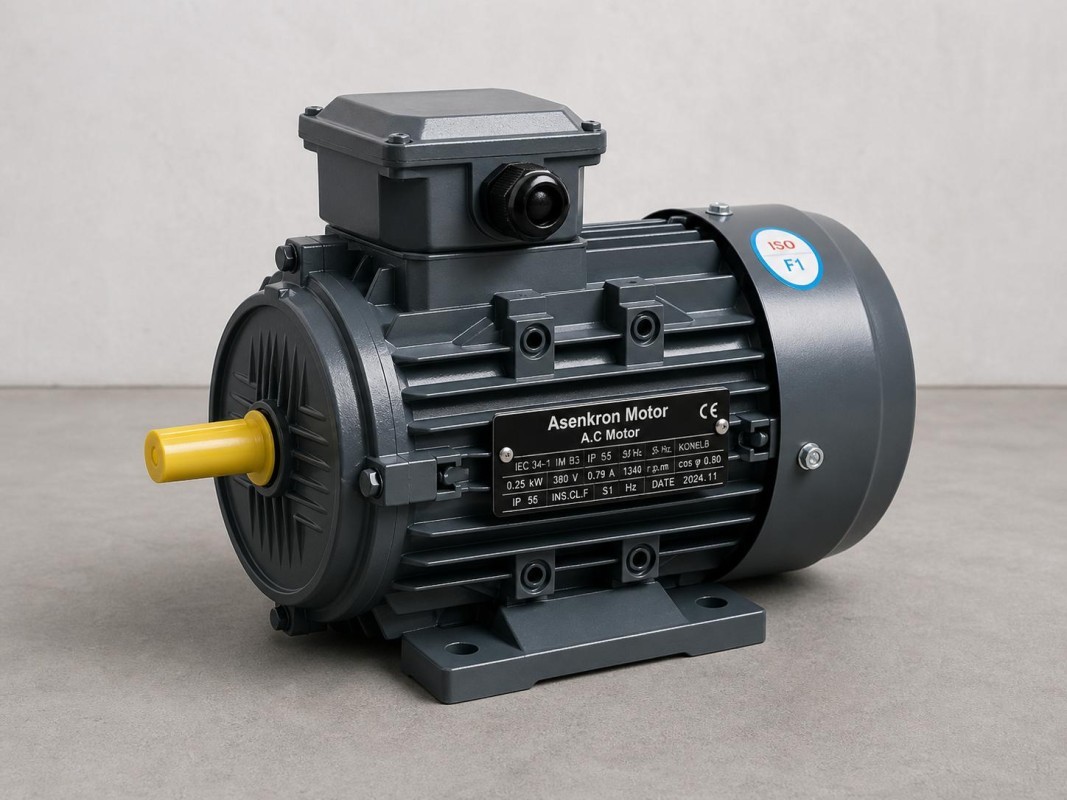
Aluminum Housing Electric Motors
Aluminum housing electric motors are widely used in machinery and industrial applications where low weight, compact dimensions and easy installation are important. They provide a practical drive solution for equipment that is frequently moved, has limited installation space or must be designed with a lower overall weight.
DRG MOTOR manages the production and supply processes of three-phase induction motors in a variety of power ratings, speeds and mounting configurations. We help customers identify the right motor for their operating conditions by considering performance, energy efficiency and total cost of ownership together.
What Is an Aluminum Housing Electric Motor?
An aluminum housing electric motor is an induction motor whose outer housing is manufactured from an aluminum alloy. It converts electrical energy into mechanical motion to drive connected equipment such as pumps, fans, conveyors, compressors and industrial machines.
Because aluminum has a relatively low density, an aluminum housing helps reduce motor weight compared with a cast-iron housing. Cooling fins formed on the housing support the transfer of heat from the motor to the surrounding air. When correctly selected and operated under suitable conditions, the motor can provide stable and dependable continuous performance.
Advantages of Aluminum Housing Electric Motors
One of the main benefits of an aluminum electric motor is its lightweight construction. Lower weight makes handling easier, can reduce installation labor and helps decrease the total load placed on the machine structure.
Key advantages include:
Lightweight construction for easier handling and installation
Compact dimensions suitable for space-limited machinery
Housing design that supports effective heat dissipation
Corrosion-resistant performance in humid environments when an appropriate surface coating is used
Multiple mounting configurations, including B3, B5, B14, B34 and B35
Options for 1,000, 1,500 and 3,000 rpm applications
Models meeting IE3 and IE4 efficiency classes
100% copper windings
Broad suitability for pumps, fans, conveyors and general-purpose machinery
These features make aluminum housing motors a strong option for both newly manufactured machines and replacement motor projects.
Aluminum Housing vs. Cast-Iron Housing Electric Motors
The choice between an aluminum housing motor and a cast-iron motor should not be based on power rating alone. The operating environment, mechanical load, vibration level, duty cycle and mounting arrangement must all be considered.
Aluminum housing electric motors are lighter and easier to install. They are frequently selected for mobile machinery, small- and medium-power equipment, and applications in which reducing total machine weight is an important design objective.
Cast-iron housing motors provide greater mechanical rigidity and are often preferred in demanding applications involving heavy loads, high vibration or harsh operating conditions. Crushers, heavy-duty conveyors, large compressors and high-power industrial machines are typical examples where a cast-iron housing may be more suitable.
The right question is therefore not simply “Which housing material is better?” but “Which housing material is better suited to this particular application?”
Where Are Aluminum Electric Motors Used?
Aluminum housing induction motors can be used in many machines and systems that require consistent rotary motion. Common applications include:
Centrifugal and circulation pumps
Booster pump systems
Industrial fans and exhaust systems
Ventilation and HVAC equipment
Small- and medium-capacity compressors
Belt and roller conveyors
Packaging and filling machines
Food-processing machinery
Agricultural and feed-processing machines
Woodworking machinery
Plastics-processing equipment
Industrial washing and cleaning machines
Geared drive systems
General-purpose production machinery
Regardless of the machine, starting conditions, load characteristics and daily operating time should be evaluated before the motor is selected.
What Should You Consider When Selecting an Aluminum Electric Motor?
An incorrectly selected motor may consume more energy, operate at an excessive temperature or fail to deliver the expected machine performance. The following technical factors should therefore be checked during the selection process.
Motor power
The motor’s kW rating must match the mechanical power required by the driven equipment. An undersized motor may operate under excessive load, while an unnecessarily oversized motor can increase both initial investment and operating costs.
Motor speed
Common induction motor speed options are approximately 1,000, 1,500 and 3,000 rpm. The appropriate number of poles should be selected according to the required operating speed of the pump, fan, compressor, gearbox or other driven equipment.
Mounting arrangement
The method used to connect the motor to the machine determines the required mounting configuration. Common arrangements include B3 foot mounting, B5 flange mounting, B14 small-flange mounting, B34 foot and small-flange mounting, and B35 foot and large-flange mounting.
Efficiency class
IE3 and IE4 high-efficiency electric motors are designed to convert a greater proportion of electrical input into useful mechanical output. In equipment that operates for long periods, an efficient motor can help reduce energy costs throughout the service life of the machine.
Duty type
It is important to determine whether the motor will operate continuously or intermittently. S1-duty motors are suitable for continuous-duty applications when correctly sized. For machines with frequent starts and stops, starting frequency, load torque and the complete operating cycle must also be evaluated.
Environmental and protection requirements
Dust, humidity, ambient temperature, and indoor or outdoor installation conditions all influence motor selection. The enclosure protection rating and insulation class must be suitable for the environment in which the motor will operate.
Why IE3 and IE4 Aluminum Housing Motors Matter
Electric motors can account for a significant share of the electricity consumed by an industrial facility. A motor should therefore be evaluated not only by its purchase price but also by the energy cost it may generate throughout its operating life.
IE3 and IE4 aluminum housing motors can help reduce energy losses in equipment that runs for extended periods, including pumps, fans, conveyors and production machinery. A high-efficiency motor selected at the correct power rating can improve energy use and positively affect the total cost of ownership.
How Are Aluminum Housing Electric Motor Prices Determined?
The price of an aluminum housing electric motor is not determined by a single specification. Power rating, speed, efficiency class, mounting arrangement, flange dimensions and additional technical requirements can all affect the final price.
The following information is normally sufficient to prepare an accurate quotation:
Required motor power in kW
Motor speed or number of poles
Mounting configuration
Supply voltage and frequency
Machine or application in which the motor will be used
Daily operating time and duty requirements
Required quantity
Providing these details makes it possible to determine not only the price but also the motor model most suitable for the application.
DRG MOTOR Aluminum Housing Electric Motors
DRG MOTOR supplies electric motor solutions with different technical specifications for machine manufacturers, maintenance companies, industrial facilities and power-transmission suppliers. During product selection, we evaluate not only the kW rating but also the speed, mounting arrangement, operating conditions and load characteristics of the machine.
Contact DRG MOTOR for pricing, technical specifications and model selection for aluminum housing electric motors. We can identify the motor that best matches your requirements and prepare a quotation quickly.
Frequently Asked Questions
Are aluminum housing electric motors durable?
An aluminum housing motor that is correctly sized, properly installed and operated under suitable conditions can deliver dependable service over a long period. A cast-iron housing may be more appropriate for applications exposed to severe impacts, high vibration or particularly demanding mechanical conditions.
Should I choose an aluminum or cast-iron motor housing?
An aluminum housing can be preferred when low weight, easy installation and compact construction are priorities. A cast-iron housing should be considered for heavy mechanical loads, high vibration, high-power applications or harsh operating environments.
What speeds are available for aluminum electric motors?
Common options include approximately 1,000, 1,500 and 3,000 rpm. The correct speed depends on the required operating speed and torque of the connected machine.
Can an aluminum housing motor be connected to a gearbox?
Yes. Aluminum housing electric motors can be used with gearboxes when the motor and gearbox connection dimensions are compatible. The flange type, shaft dimensions, power rating and operating speed should be checked together.
What does an IE3 aluminum housing motor mean?
IE3 indicates that the motor meets a high-efficiency classification. The motor’s actual efficiency value varies according to its power rating, number of poles and technical design.
What information is required to receive a motor quotation?
The required information includes motor power, speed, mounting arrangement, operating voltage and the intended application. When replacing an existing motor, a clear photograph of its nameplate can also make it easier to identify the correct replacement.