 English
 Le français
 Türkçe

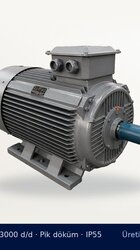
A second machine increases the total volume of air that must be drawn through the system, so the question is not only about the motor but whether the fan can deliver this additional airflow at sufficient pressure. If the fan stays at the same speed, suction weakens; if the speed is increased, motor power rises rapidly. The decision is made by considering the fan, ducting, filter and motor together.
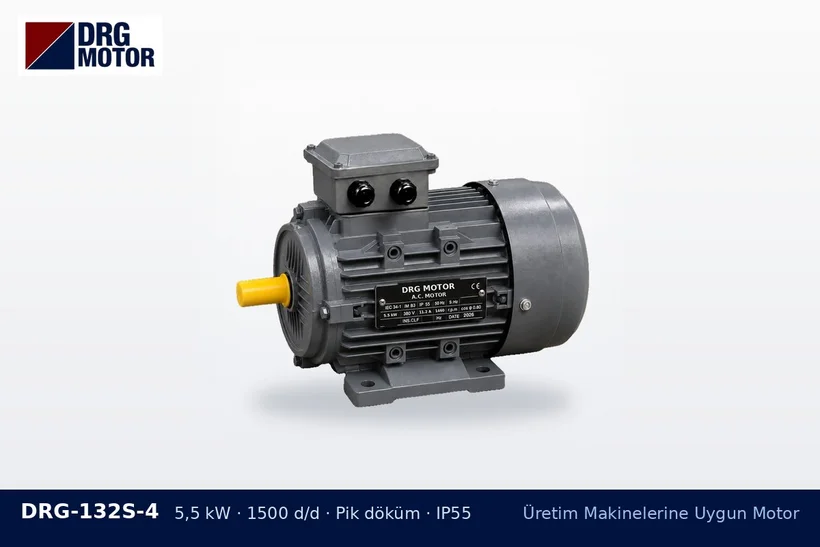
Calculating the additional airflow
Add up the air volume recommended by the manufacturer for each machine's extraction outlet. To stop chips and dust settling in the ducts, the air velocity inside them must not fall below a certain value; once a new branch is added, the main duct cross-section may also become too small.
Effect of a higher speed on the motor
For fans, roughly speaking, airflow is proportional to speed, pressure to speed squared and power to speed cubed. If the speed is raised about 1.2 times to increase airflow by a factor of 1.2, the absorbed power becomes roughly 1.2³ ≈ 1.73 times as much. These values may deviate depending on the impeller type and system curve; even so, they show that a small increase in airflow can push the motor to its limit. The pump-fan motor power calculator can be used for the calculation.
Order of assessment
- Airflow and pressure values on the existing fan's nameplate, and its performance curve
- Total airflow needed with both machines running together, and the loss in the furthest branch
- Filter area; when more air passes through the same bags, the pressure drop increases
- Current of the existing motor measured under load, and the remaining margin relative to rated current
- Will the two machines always run together, or will the branches be opened separately with dampers?
Possible solutions
If the margin is sufficient, balancing the dampers may be enough. If not, options include raising the fan speed via the pulleys and moving the motor up one power rating, a larger fan, or a separate unit for the second machine. The options are explained on the dust extraction and filter fan motors page.