 English
 Le français
 Türkçe

Nameplate data alone is not enough for the new motor; you also need to know how the system works. The main data to collect are the fan type and drive arrangement, motor and fan speeds, the current drawn in operation, the temperature of the extracted air together with its grease and vapour load, operating hours and the condition of the filters in the ductwork.
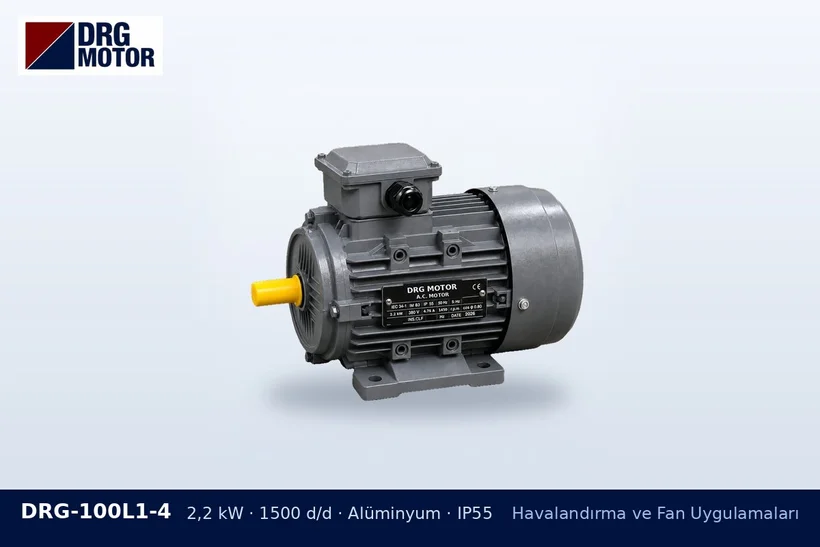
Fan and drive information
- Is the fan centrifugal (scroll casing), a box fan or a roof fan?
- Is the motor directly connected to the impeller or driven by belt and pulleys?
- If belt-driven, the diameters of both pulleys; if direct-driven, the impeller bore size
- Whether the motor sits in a separate compartment outside the airstream or inside it
Operating measurements
Before the replacement, if the existing motor can still run, have the current measured on all three phases and compare it with the nameplate current. Taken with the hood covers and filters in their normal positions, this value shows how hard the system is working the motor. A current close to or above the nameplate value directly affects the choice of power for the new motor. The measurement should be carried out by qualified electrical personnel.
Nature of the air
The extracted air can be hot, greasy and humid. Grease vapour builds up on the frame fins and fan cover and reduces cooling; this build-up also matters from a fire risk point of view. That is why whether the motor is inside or outside the airstream is a critical piece of information. If the process temperature is high, the notes on high-temperature fan motors may be useful.
Has the system changed?
If the number of hoods, the duct length or the filter type has changed since, the old motor's power may no longer be a valid reference. Operating hours (over the day and over the year) and whether the motor starts and stops frequently should also be recorded.
With this information you can use the pump and fan motor power calculator to estimate the power and assess suitable models via centrifugal fan motors and the shop list.