 English
 Le français
 Türkçe



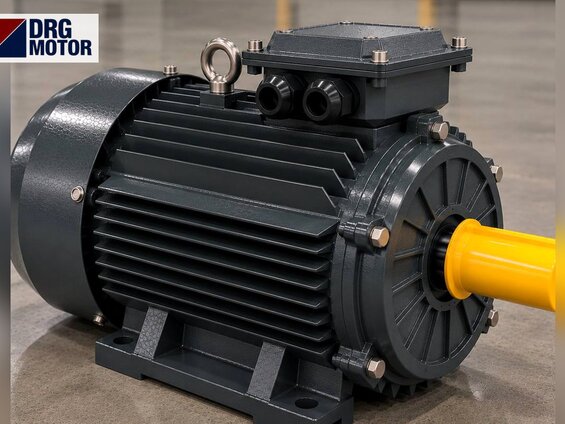
When Should You Replace an Electric Motor?
Knowing when to replace an electric motor is rarely about a single big failure; it usually shows up as a pile of small signs: the same fault coming back again and again, heavy dama... More Details

Electric motors convert electrical energy into mechanical (motion) energy and form the backbone of modern industry. From conveyors to pumps, fans to compressors, cranes to stone-crushing plants, an electric motor is involved at nearly every stage of production. Given that a very large share of the world's industrial electricity consumption comes from electric motors, choosing the right motor is a critical decision for both efficiency and cost. At DRG Motor, this category brings together a wide range: from standard and high-efficiency (IE3, IE4, IE5) asynchronous motors to durable cast iron body series, from single-phase and three-phase models to heavy-duty industrial motors.
Asynchronous (induction) electric motors produce rotation through the electromagnetic interaction between the rotating magnetic field created in the stator and the rotor. With no brushes or commutator, this design makes the motor durable, easy to maintain and long-lasting. This reliability makes the asynchronous motor the most preferred motor type in industry.
The following criteria should be considered together when selecting a motor:
Electric motors are used in almost every sector, including food, textile, metal, plastics, cement, mining, water/wastewater, agriculture and general manufacturing. Pumps, fans, blowers, compressors, conveyors, cranes and crushing-screening plants are the most common applications. In continuously running systems, choosing high efficiency motors can significantly reduce energy costs.
DRG Motor offers high quality standards, competitive pricing and fast delivery throughout Türkiye from its İzmir-based stock. All our motors comply with international efficiency standards (IEC 60034-30-1). With current high efficiency electric motors, technical documents and expert support, you can easily determine the most suitable solution for your needs; explore our range to choose the right motor.
For more about our company and the full product range, visit the DRG Motor electric motor supplier homepage.
For quick calculations, use our electric motor calculator (kW⇄HP, RPM, torque, current).
Knowing when to replace an electric motor is rarely about a single big failure; it usually shows up as a pile of small signs: the same fault coming back again and again, heavy dama... More Details
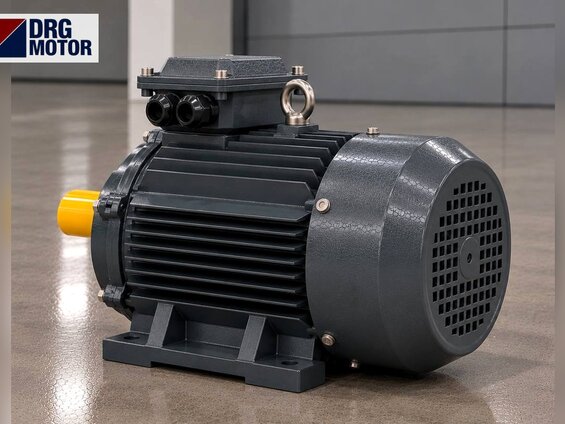
The most important thing when receiving an electric motor is to take a couple of minutes before signing for the courier and look over the package and the motor: is the packaging in... More Details
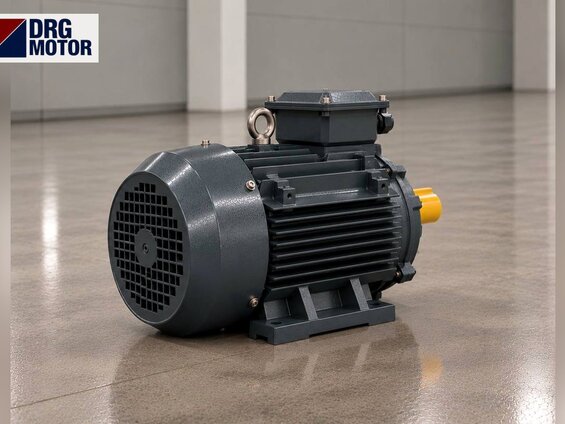
In short: no. A more powerful electric motor does not make the connected machine run faster on its own. The running speed of an electric motor is set by its speed rating (rpm), not... More Details
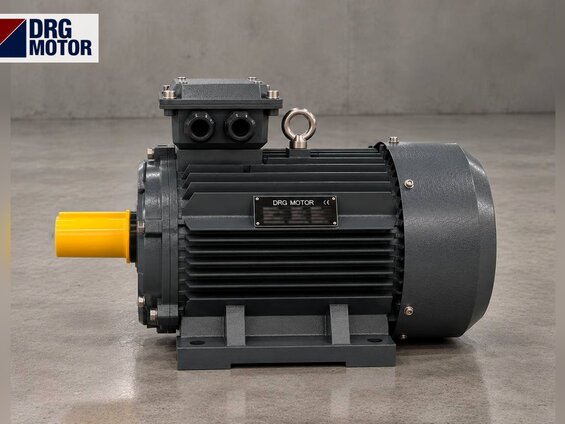
You can usually tell an electric motor is overloaded from a handful of signs: the speed visibly drops, the frame runs hotter than usual, the current it draws rises, the thermal pro... More Details
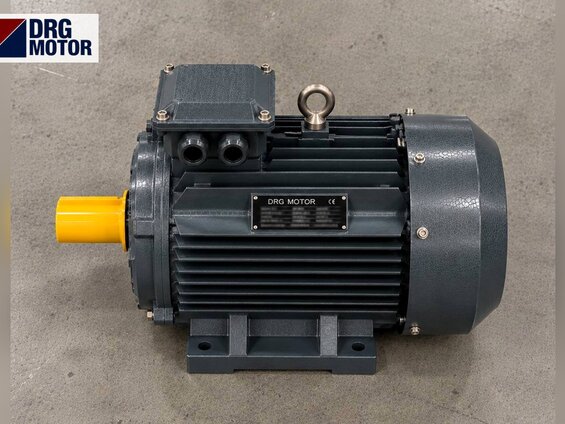
Every electric motor warms up while running; that is normal. Danger begins when the temperature rises too far for the insulation, not for your hand: the real measure is the "t... More Details
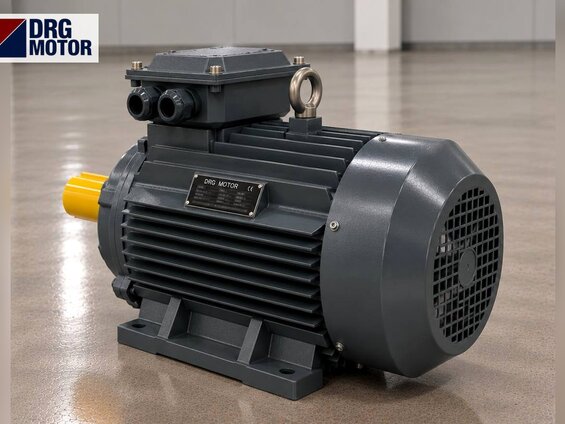
In most cases, yes: a steady, solid hum from the electric motor together with the airflow sound of the fan is normal. What deserves attention is any metallic rubbing, ticking, high... More Details
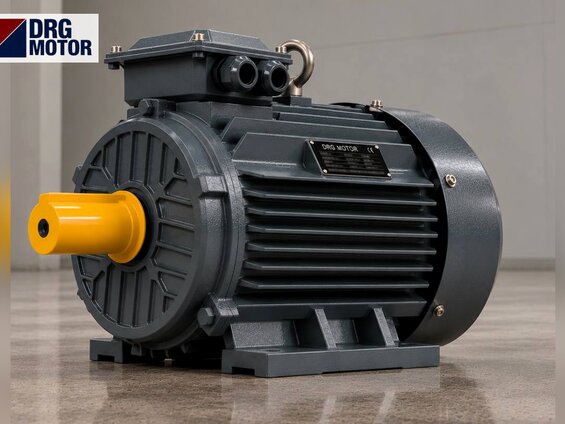
An electric motor rarely stops all at once; it usually gives small warnings before it fails. Rising vibration, a changing sound, extra heat, a faint burning smell or a thermal prot... More Details
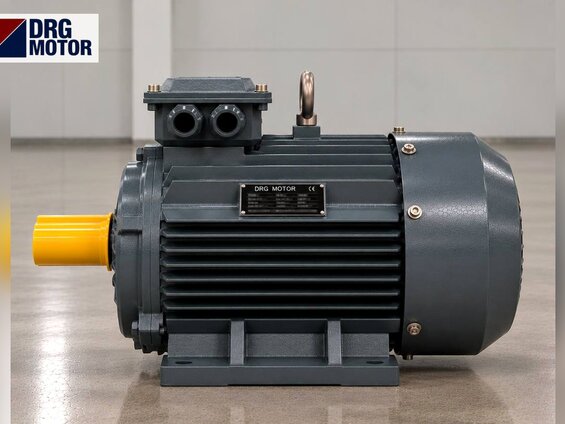
An electric motor, chosen correctly and looked after well, runs trouble-free for many years. When it fails early there are almost always a few familiar reasons behind it: overload,... More Details
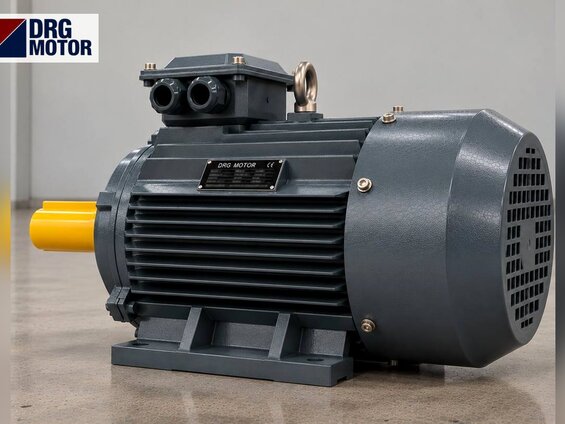
A well-chosen and regularly maintained electric motor can run trouble-free for many years. But there is no single exact answer to "how many years"; its life depends on lo... More Details
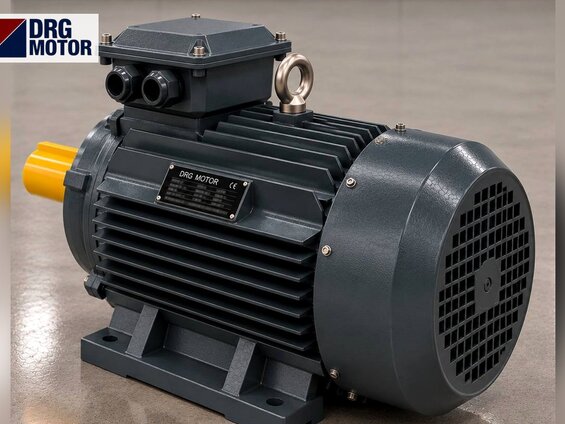
Short answer: replacing an old or worn electric motor with a sound one that truly matches your job can help the bill, but it is no miracle on its own. What really decides it is whe... More Details
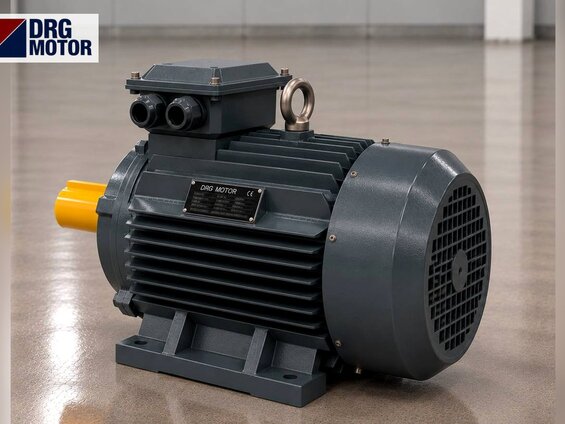
Short answer: yes, an idle (no-load) electric motor still uses electricity. Even when the shaft turns nothing, the motor draws current from the supply to magnetise its windings and... More Details
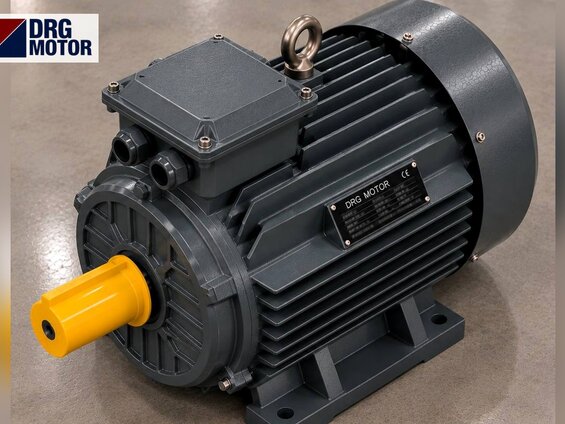
In short: horsepower (HP) and kW are two different units that both measure the power of an electric motor. In everyday talk people say "horsepower", but the nameplate and... More Details
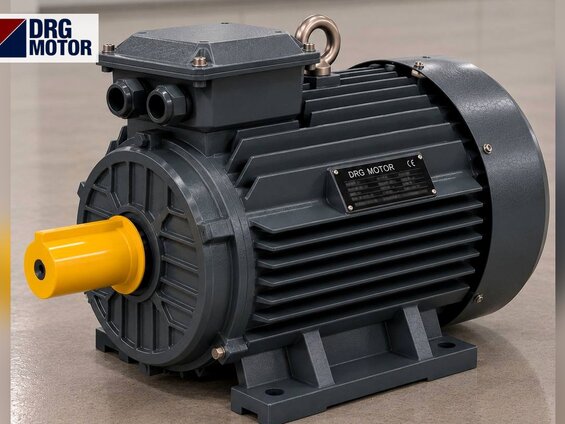
If you are buying an electric motor for the first time, feeling unsure is completely normal; in truth the right choice rests on just six simple headings: power, speed, mounting typ... More Details
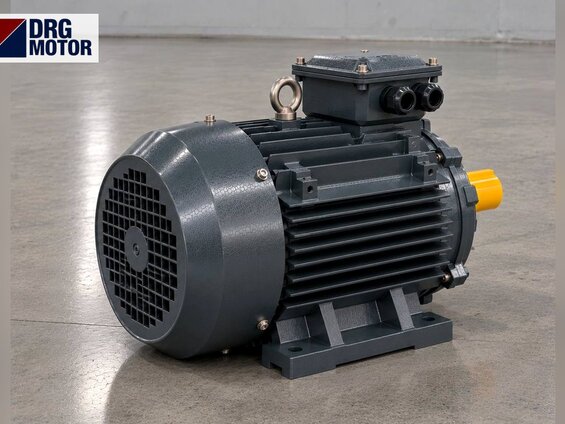
The right questions to ask a seller when buying an electric motor stop the wrong unit from ever arriving. The key ones are: does the power and speed match your need, what mounting ... More Details
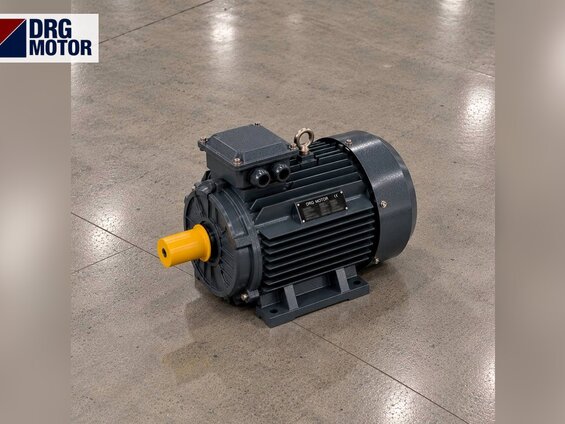
Almost every mistake made when buying an electric motor comes from skipping a few simple facts: the wrong power, the wrong speed, not stating the mounting type, a voltage mismatch,... More Details
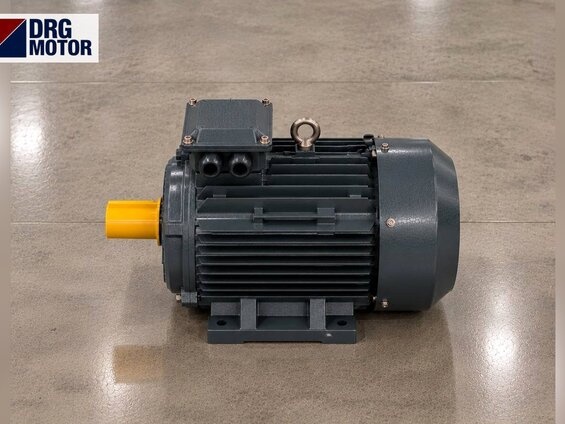
A 230/400 V rated electric motor is connected in star (Y) on a 400 V three-phase supply and in delta (Δ) on a 230 V supply. A motor labelled 400/690 V runs in delta (Δ) on a 400 V ... More Details
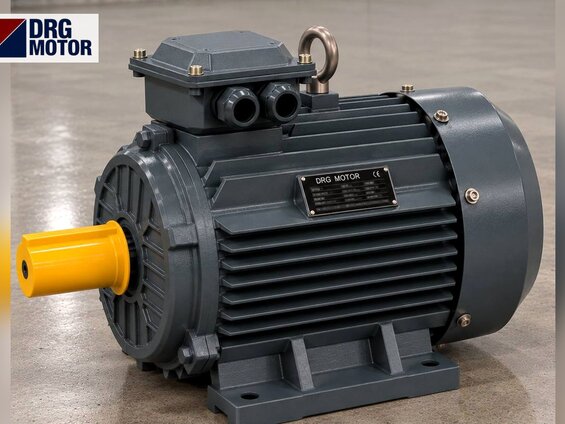
An IEC frame code is a short label that summarises the mechanical size of an electric motor: the leading number gives the shaft centre height (the distance from the base up to the ... More Details
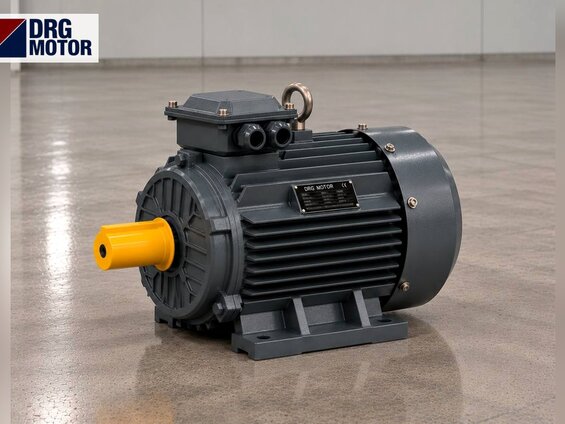
The cooling fan (impeller) on an electric motor is a bladed disc fixed to the shaft at the rear (non-drive) end. As the motor runs it continuously blows air over the housing, carry... More Details
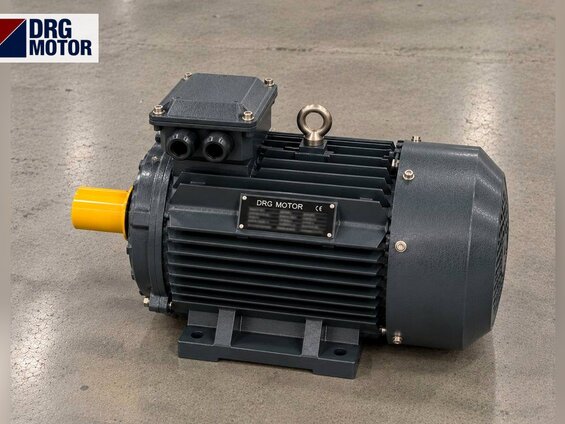
An electric motor frame size is defined in the IEC standard by the shaft centre height (H): numbers such as 90, 100, 112, 132 and 160 state the height of the shaft axis above the f... More Details
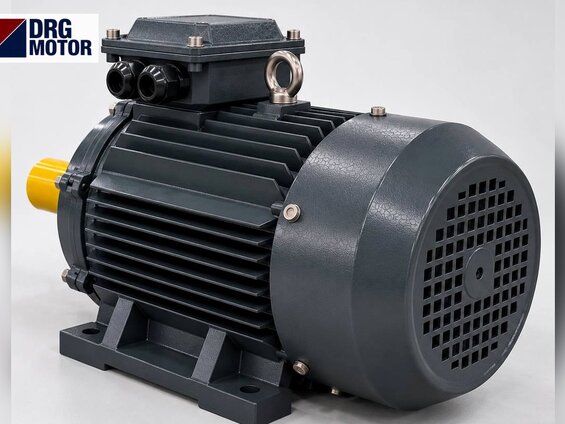
The starting method of a three-phase asynchronous motor determines how you manage the high current and torque at the moment of start-up. There are four basic methods: direct-on-lin... More Details