English
 Le français
 Türkçe




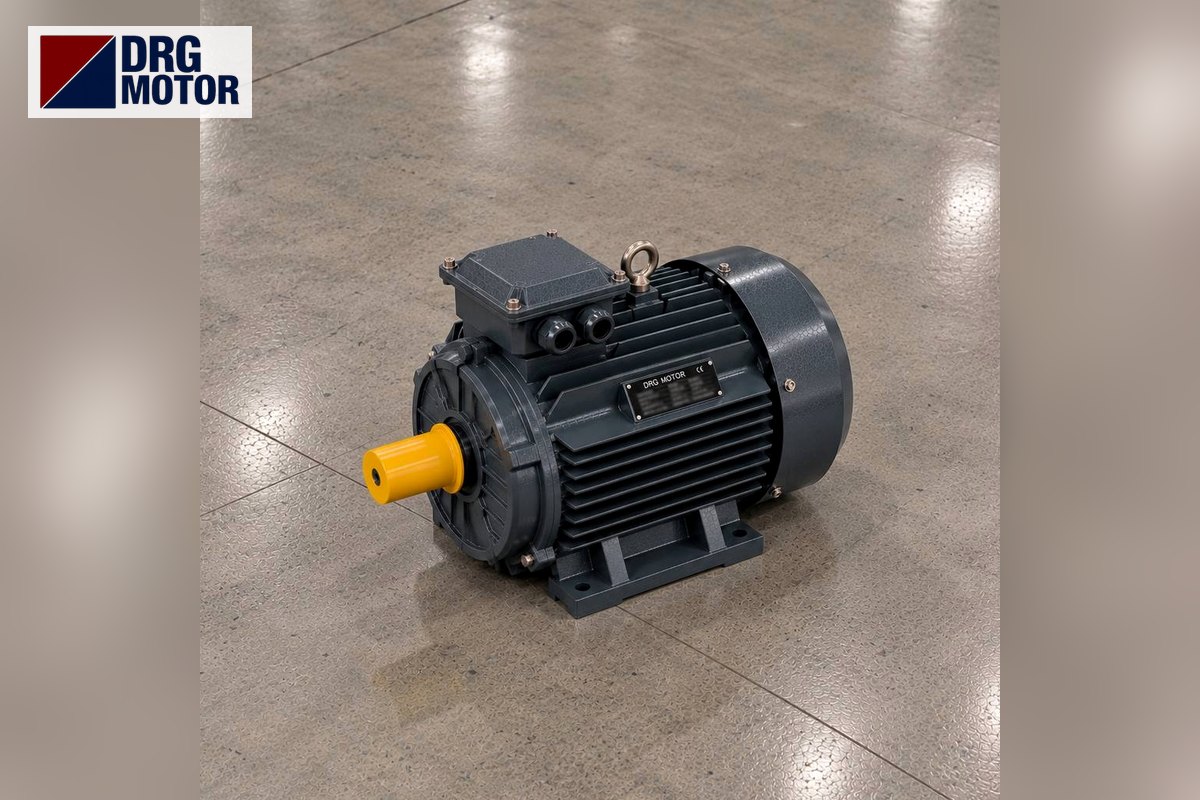

Almost every mistake made when buying an electric motor comes from skipping a few simple facts: the wrong power, the wrong speed, not stating the mounting type, a voltage mismatch, ignoring the housing material and not reading the nameplate. This article explains these mistakes in plain language and shows the right approach for each, so your own choice is an easy one.
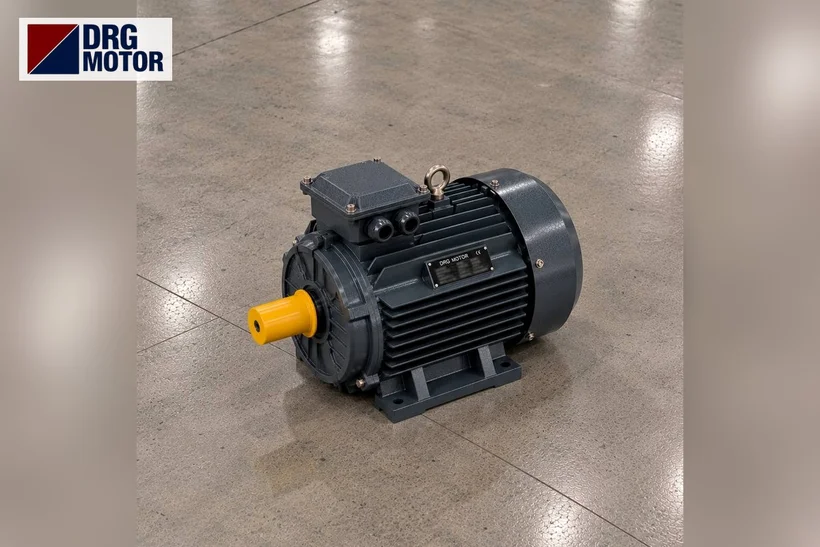
DRG Motor is a manufacturer, supplier and seller of electric motors. After reading the points below you can find the electric motor that best fits your need by power and speed in the online electric motor shop, and see the same models together in the three-phase asynchronous electric motors category.
Mistake 1: Choosing the power too large or too small
The most common mistake is in power. Some buyers play it "safe" and set up the job with an oversized electric motor; others watch the budget and end up too small. Both cause trouble. An undersized electric motor cannot turn the load, strains, heats up and trips its thermal protection often. An oversized one simply takes up space, stresses the supply more at start-up and is usually an unnecessary outlay.
The right way: Work out the power your machine really needs. If you are unsure, describe your application; with the size, speed and load we can choose the right power class together. Our electric motor calculator also helps here.
Mistake 2: Forgetting the speed (number of poles)
Saying "I want a 4 kW electric motor" is not enough on its own, because the same power exists at different speeds. Speed is set by the number of poles: 2 poles about 3000 rpm, 4 poles about 1500 rpm, 6 poles about 1000 rpm. A buyer who skips the speed may receive a fast-running electric motor and be surprised that "mine was slower".
The right way: State the speed along with the power. For example you can find 4 kW in three different speeds: 3000 rpm (2 poles), 1500 rpm (4 poles) and 1000 rpm (6 poles). All are 4 kW, but their speeds and torques differ.
Click to see current electric motor prices and order nowSEE PRICES →
Mistake 3: Not stating the mounting type (B3 / B5)
How the motor housing attaches to the machine is described by the mounting type. A foot mounting is B3, a flange mounting is B5, and both foot and flange together is B35. Someone who orders without naming the mounting type may expect feet and receive a flange-mounted electric motor, only to find on installation day that it does not fit the machine at all.
The right way: Look at your machine's interface; does it have foot holes or does it want a flange? If unsure, send a photo of the current fixing and we will confirm the mounting type together.
Mistake 4: Voltage mismatch
A three-phase electric motor is fed from three phases. On the nameplate you usually see two values: for example 400/690 V (Δ/Y). Here 400 V is the value suited to your supply in delta (Δ) connection. An electric motor bought without checking the site voltage will, if wired wrongly, either not turn at all or struggle.
The right way: Learn the line voltage at your site and compare it with the connection value on the nameplate. The connection must be made by qualified electrical personnel; switch off the power and confirm it is dead. For cable sizing see the cable size calculator.
Mistake 5: Not considering the housing material
An electric motor housing is usually one of two materials: aluminium or cast iron. An aluminium housing is light and easy to carry and install; it is handy where the unit is moved often or lifted by hand. A cast iron housing is heavier and more robust; it is preferred where vibration and impact are high. Which one suits you depends on your working environment.
The right way: Think about your environment. If lightness and easy mounting come first, look at aluminium; if robustness and harsh conditions come first, look at cast iron. You can find both at the same power and speed.
Mistake 6: Not reading the nameplate and skipping the IP rating
The nameplate on an electric motor is its identity card: power, speed, voltage, current, connection and protection class are all written there. Saying "just give me something similar" without reading it is the source of many mistakes. Another often-skipped point is the IP protection class; for an electric motor that will work in dusty or wet places the level of protection matters. DRG three-phase electric motors are offered with IP55 protection.
The right way: When replacing, always read the old electric motor's nameplate and compare the values with your new choice. If the environment is dusty or wet, discuss the protection class. To be sure, send us a photo of the nameplate.
Example: DRG electric motors in the same 1500 rpm class
The table below lists a few 4-pole (about 1500 rpm) DRG electric motors with their power and rated current at 400 V. The model codes link straight to the product page, so you can see the right power and speed class for yourself.
| Model | Power | Speed class | Current (400 V) |
|---|---|---|---|
| DRG-112M-4 | 4 kW | 1500 rpm | 7.95 A |
| DRG-132S-4 | 5.5 kW | 1500 rpm | 10.7 A |
| DRG-132M-4 | 7.5 kW | 1500 rpm | 14.3 A |
| DRG-160M-4 | 11 kW | 1500 rpm | 20.4 A |
You can review every power and speed option in the online electric motor shop.
Make sure you have chosen the right electric motor; click to see current prices and place your orderSEE PRICES
Frequently asked questions
What is the minimum information I should give the seller?
Four items do the job: power (kW), speed (or number of poles), mounting type (B3/B5) and your site voltage. Add your housing-material preference and the choice falls into place in one go.
I want the same as my old electric motor, what should I do?
The soundest route is to read the old unit's nameplate. Send us the power, speed, voltage and connection values written there, and state the mounting type and shaft diameter. Then we confirm the model that best fits your need together.
Isn't it safer to keep the power a bit larger?
Leaving a small margin is sensible, but choosing far too large is both an unnecessary outlay and extra load on the supply at start-up. The best approach is to pick a power class close to your real load and step up one rung only if needed.
Send a photo of your current motor nameplate and we will find the suitable DRG model together.Send on WhatsApp
Electric Motors Related to This Topic — Models and Current Prices
Suitability is not decided by power alone: compare the speed, voltage, mounting, shaft and fixing dimensions of your machine with the product data; if unsure, send us the nameplate of your current motor.
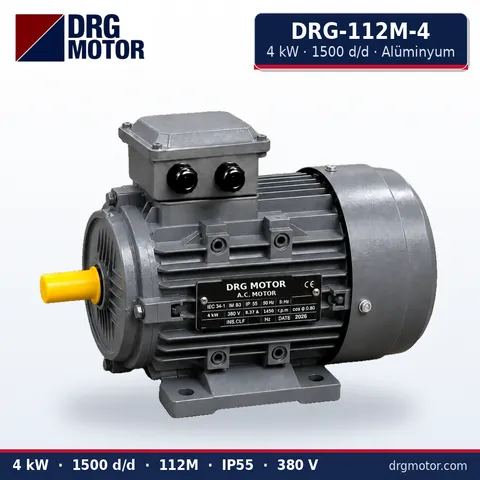
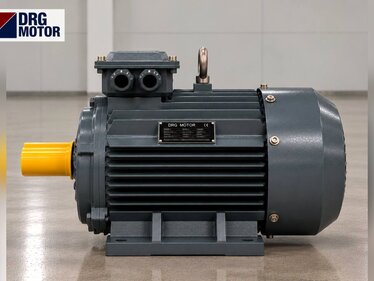
4 kW Three-Phase Motor 1500 rpm – DRG-112M-4 Aluminium
- 4 kW · 1500 rpm (4 poles)
- Aluminium frame · IEC 112M
- Shaft: 28 × 60 mm
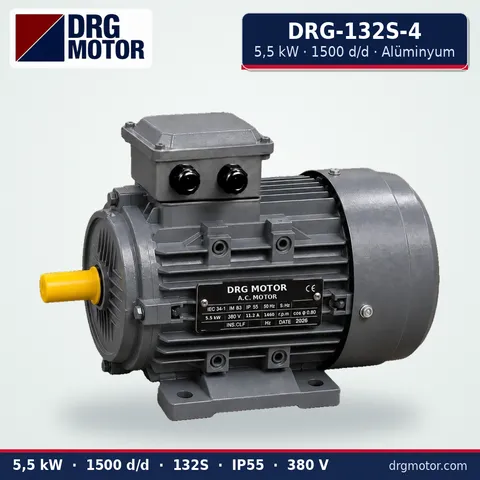
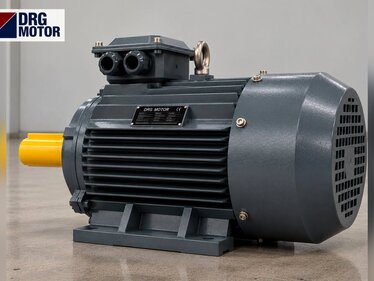
5.5 kW Three-Phase Motor 1500 rpm – DRG-132S-4 Aluminium
- 5.5 kW · 1500 rpm (4 poles)
- Aluminium frame · IEC 132S
- Shaft: 38 × 80 mm
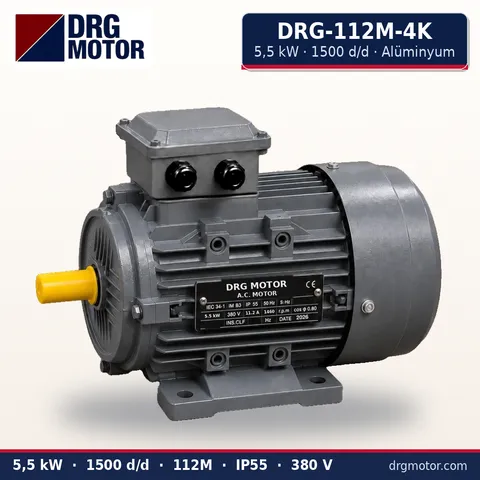
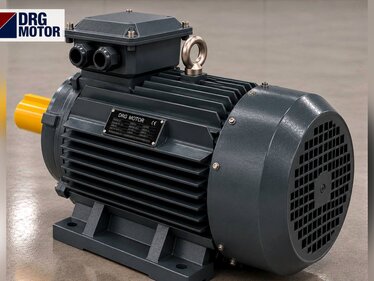
5.5 kW Compact Three-Phase Motor 1500 rpm – DRG-112M-4K Aluminium
- 5.5 kW · 1500 rpm (4 poles)
- Aluminium frame · IEC 112M
- Shaft: 28 × 60 mm
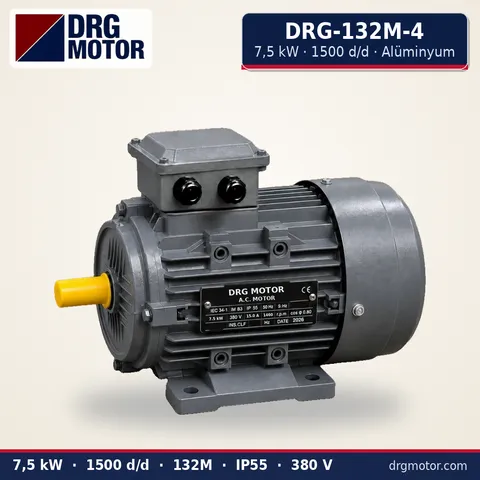
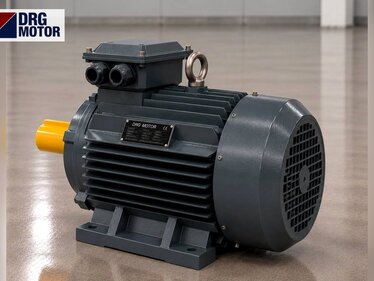
7.5 kW Three-Phase Motor 1500 rpm – DRG-132M-4 Aluminium
- 7.5 kW · 1500 rpm (4 poles)
- Aluminium frame · IEC 132M
- Shaft: 38 × 80 mm
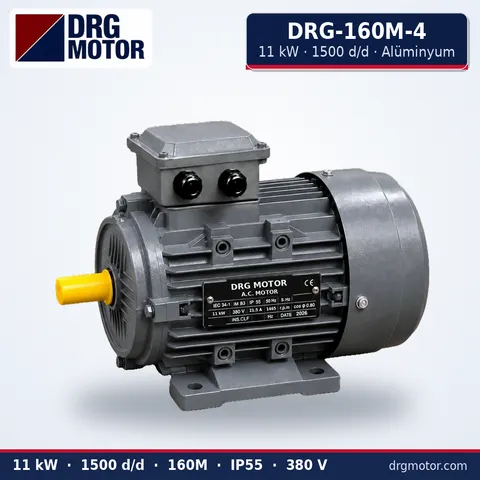
11 kW Three-Phase Motor 1500 rpm – DRG-160M-4 Aluminium
- 11 kW · 1500 rpm (4 poles)
- Aluminium frame · IEC 160M
- Shaft: 42 × 110 mm
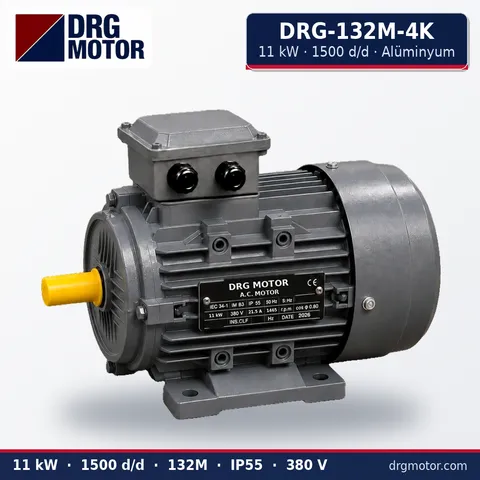
11 kW Compact Three-Phase Motor 1500 rpm – DRG-132M-4K Aluminium
- 11 kW · 1500 rpm (4 poles)
- Aluminium frame · IEC 132M
- Shaft: 38 × 80 mm