 English
 Le français
 Türkçe



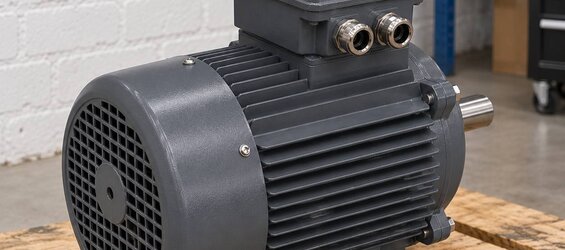
Electric Motor Selection for Cooling Tower Fans
Cooling towers are critical equipment used to cool water in industrial plants, power stations and large air-conditioning systems. The cooling function of these towers depends on th... More Details

Electric motors convert electrical energy into mechanical (motion) energy and form the backbone of modern industry. From conveyors to pumps, fans to compressors, cranes to stone-crushing plants, an electric motor is involved at nearly every stage of production. Given that a very large share of the world's industrial electricity consumption comes from electric motors, choosing the right motor is a critical decision for both efficiency and cost. At DRG Motor, this category brings together a wide range: from standard and high-efficiency (IE3, IE4, IE5) asynchronous motors to durable cast iron body series, from single-phase and three-phase models to heavy-duty industrial motors.
Asynchronous (induction) electric motors produce rotation through the electromagnetic interaction between the rotating magnetic field created in the stator and the rotor. With no brushes or commutator, this design makes the motor durable, easy to maintain and long-lasting. This reliability makes the asynchronous motor the most preferred motor type in industry.
The following criteria should be considered together when selecting a motor:
Electric motors are used in almost every sector, including food, textile, metal, plastics, cement, mining, water/wastewater, agriculture and general manufacturing. Pumps, fans, blowers, compressors, conveyors, cranes and crushing-screening plants are the most common applications. In continuously running systems, choosing high efficiency motors can significantly reduce energy costs.
DRG Motor offers high quality standards, competitive pricing and fast delivery throughout Türkiye from its İzmir-based stock. All our motors comply with international efficiency standards (IEC 60034-30-1). With current high efficiency electric motors, technical documents and expert support, you can easily determine the most suitable solution for your needs; explore our range to choose the right motor.
For more about our company and the full product range, visit the DRG Motor electric motor supplier homepage.
For quick calculations, use our electric motor calculator (kW⇄HP, RPM, torque, current).
Cooling towers are critical equipment used to cool water in industrial plants, power stations and large air-conditioning systems. The cooling function of these towers depends on th... More Details
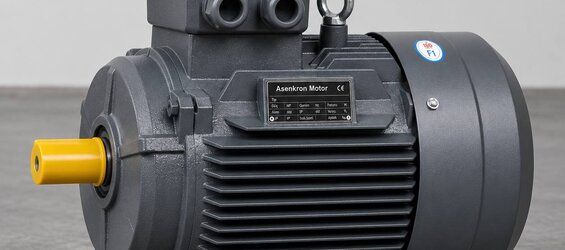
Not every electric motor runs continuously; some are used seasonally, some are kept on standby as spares, and others are stored in a warehouse. Yet leaving a motor idle for a long ... More Details
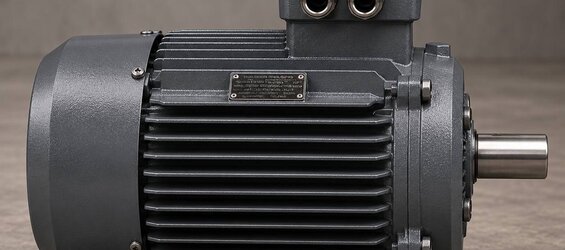
Ideally, the voltage and current in an electrical supply take the form of a smooth sine wave. Today, however, many electronic devices and drives distort this clean wave, creating u... More Details
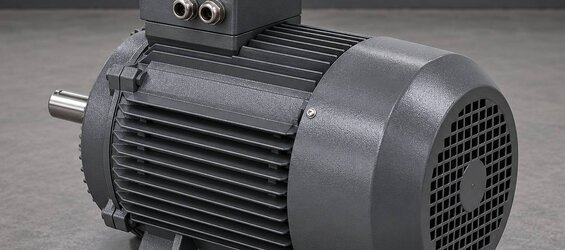
Efficiency in electric motors is a continuously advancing field. After the efficiency classes that climbed from IE1 to IE4, the highest step of all now arrives: the IE5 ultra-premi... More Details
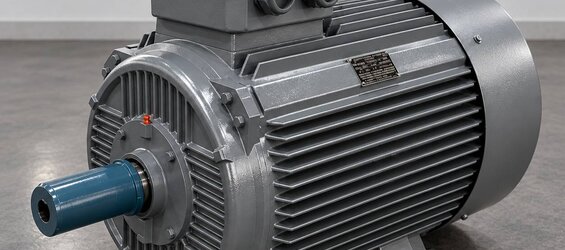
In most facilities, electric motors are the single largest item of total energy consumption; in industry this share can rise to as much as 60-70 percent. Yet how much energy these ... More Details
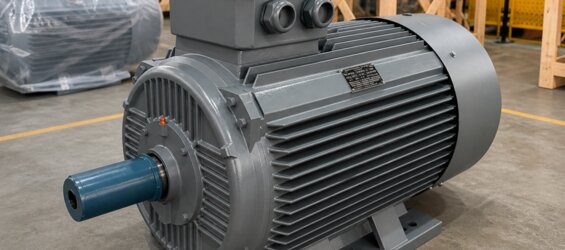
Mills and grinding plants are used to reduce and pulverize a huge range of materials, from grain to cement and from ore to spices. Inside these plants, the material is crushed betw... More Details
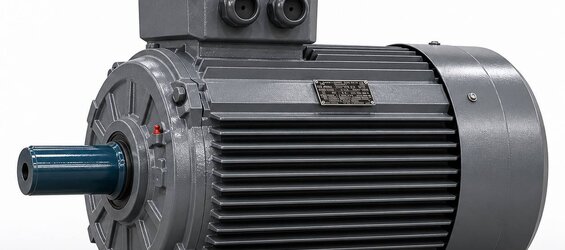
The textile sector is a broad industry that runs on machines at many stages, from spinning yarn to weaving fabric and from dyeing to finishing. At the heart of each of these machin... More Details
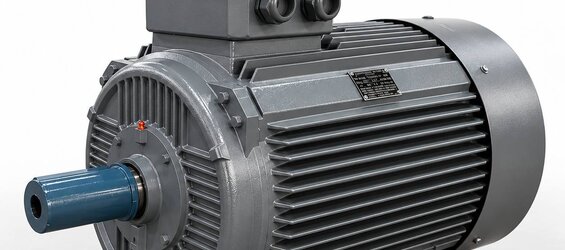
An electric motor's performance depends on its own characteristics and on the conditions of the environment in which it operates. Ambient temperature and altitude (height above sea... More Details
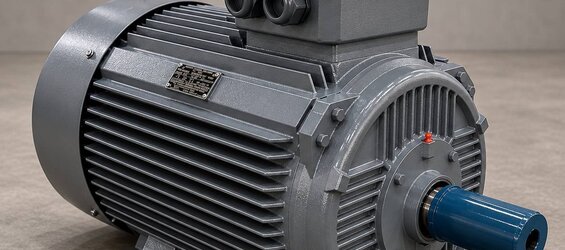
Most electric motors are designed to run at a single fixed speed. Some applications, however, require the motor to operate at two different speeds. One of the solutions that answer... More Details
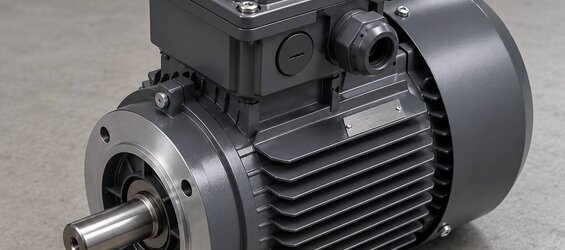
Wherever an electric motor is going to operate, it must be protected against the dust, moisture and water of that environment. The level of this protection is defined by the IP pro... More Details
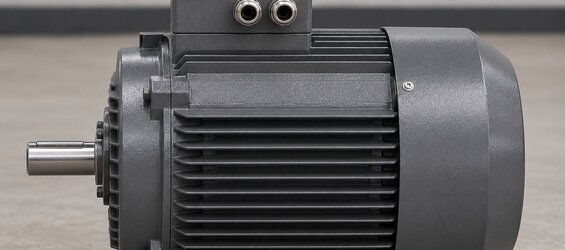
How high a temperature an electric motor can withstand depends on the insulation of the windings inside it. The insulation class, shown on the motor nameplate with a letter such as... More Details
Cranes and lifting systems are machines that raise and move heavy loads safely. They are used in a vast range of settings, from factories to ports and from construction sites to wa... More Details
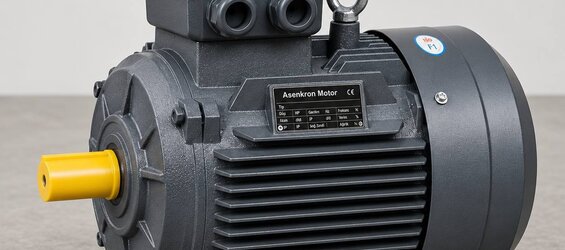
In many industrial applications, an electric motor does not work on its own but together with a gearbox. A gearbox is a gear system that lowers the motor's speed to increase torque... More Details
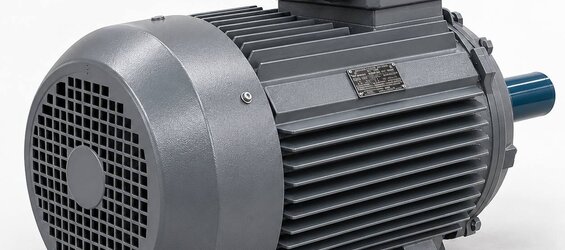
Food and beverage production plants are environments with special requirements such as hygiene, continuity and safety. In these plants, pumps, mixers, conveyors, filling lines and ... More Details
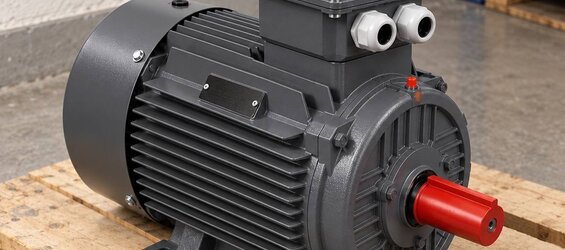
The noise an electric motor makes and the vibration it produces directly affect both the comfort of the working environment and the health of the motor itself. Excessive noise is v... More Details
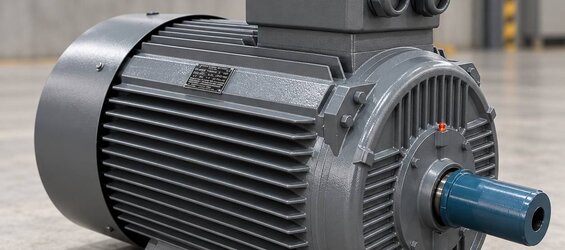
An electric motor can never convert all of the energy it draws from the grid into mechanical movement; a portion of that energy inevitably appears as loss. These losses define the ... More Details
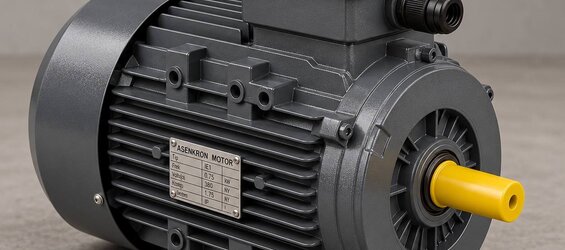
When an electric motor is switched on directly, it draws a current far above its normal running level and a sudden mechanical jolt occurs. This abrupt start strains the motor, the ... More Details
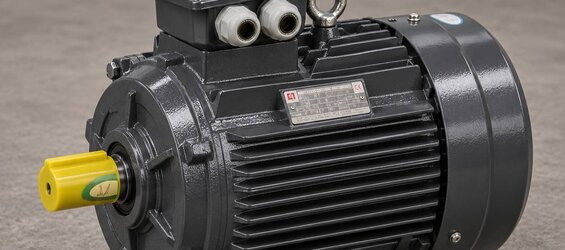
One of the most frequent threats an electric motor faces is overload. When a motor runs above its capacity, it draws excessive current, heats up and over time can burn out. Overloa... More Details
Some industrial environments carry a risk of explosion because of the flammable gas, vapour or dust they contain. Petrochemical plants, refineries, paint factories, flour and sugar... More Details
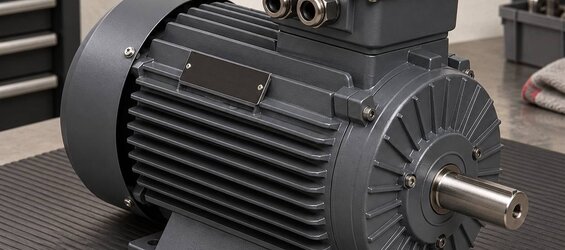
There is more than one way to connect an electric motor to the equipment it drives, and this is called the mounting type. Foot, flange or combined mounting options determine how th... More Details