English
 Le français
 Türkçe




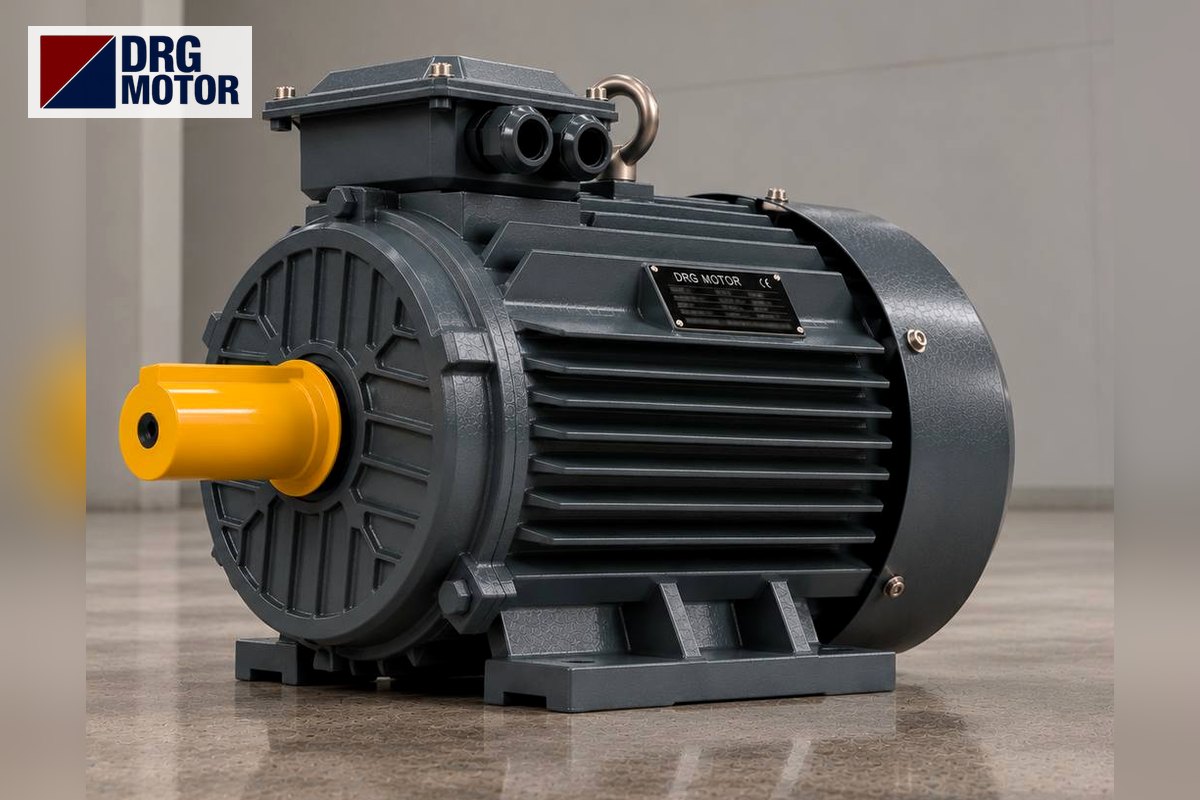

An electric motor rarely stops all at once; it usually gives small warnings before it fails. Rising vibration, a changing sound, extra heat, a faint burning smell or a thermal protector that keeps tripping are all the motor's way of saying "check me". Catch these signs early and a little maintenance can prevent a long, costly stop.
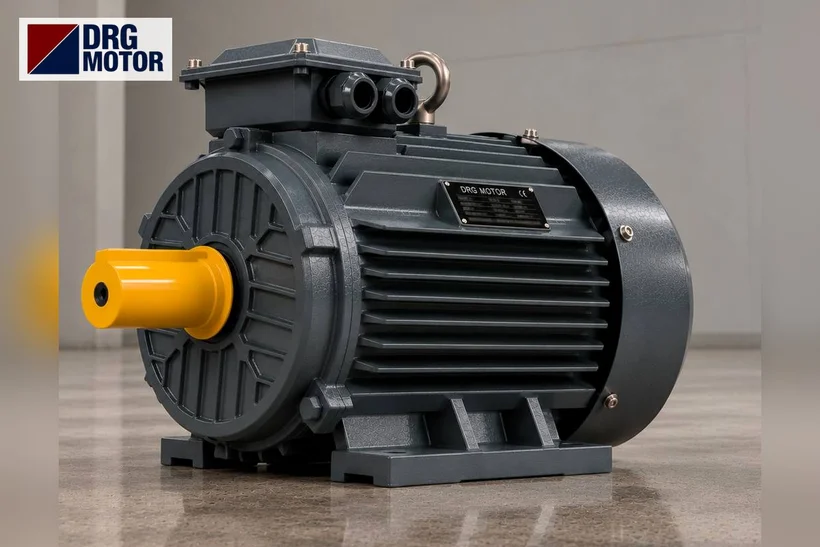
DRG Motor is a manufacturer, supplier and seller of electric motors. Below we explain the most common warning signs in plain language and what may lie behind each one. When you need a new electric motor you can browse our online electric motor shop or the three-phase asynchronous electric motors category.
First, know that the motor "talks"
A healthy electric motor has its own sound, vibration and temperature. Listen for a while and you learn its "normal". A fault sign is simply a departure from that normal: a different tone from yesterday, extra warmth when you bring your hand close, or a new vibration passing into the floor. The goal here is not to alarm you but to make reading these small differences easy.
Sign 1: Increasing vibration
If the electric motor vibrates more than it used to, that is usually the first and clearest warning. A loose bolt, an unbalanced coupling, a bearing starting to wear, or imbalance in the driven machine will all raise vibration. Vibration is not just annoying; over time it wears the bearings, the shaft and the fixing points. If the housing feels "rough" under your hand, make a note.
Sign 2: Abnormal noise
A metallic rattle, a whistle or a grinding sound mixed into the hum usually comes from a bearing. Something rubbing on the fan cover, a small foreign object drawn inside, or a bearing running dry can make similar noises. If the sound grows clearer day by day, have it checked without waiting.
Sign 3: Overheating and burning smell
Electric motors warm up a little while running, which is normal. But if it gets too hot to keep your hand on it, if the cooling fins are clogged with dust and dirt, or if a faint burning/insulation smell spreads around, that is a sign to take seriously. Overload, blocked cooling or imbalance between phases are the most common causes. If you notice a burning smell, the right move is to stop the electric motor and have authorised personnel inspect it.
Sign 4: Current rise and frequent thermal trips
If the current drawn for the same job rises, or the protective thermal keeps tripping, the electric motor is telling you it is under strain. A jammed load, a misaligned drive, a phase problem or an undersized power rating can all trigger this. You can use our motor current chart to get a rough idea of a normal current range; the firm assessment should be made by authorised personnel through measurement.
Click to see current electric motor prices and order nowSEE PRICES →
Symptom → possible cause
The table below summarises the most common symptoms and what may lie behind them. This is a first indication; a firm diagnosis always needs measurement.
| Symptom | Possible cause |
|---|---|
| Increasing vibration | Imbalance, loose bolts, worn bearing or coupling fault |
| Abnormal/metallic noise | Bearing wear, foreign object, rubbing against the fan cover |
| Overheating | Overloading, blocked ventilation, voltage imbalance |
| Burning smell | Overheating in the winding or insulation under strain |
| Current rise | Higher load, mechanical strain, a phase problem |
| Frequent thermal trips | Continuous overload, jammed load or mismatched protection setting |
| Irregular bearing noise | Loss of grease, bearing wear, misalignment |
Why does catching it early matter so much?
A small bearing noise that a simple service fixes today can, if ignored for months, grow into a major stop that affects the shaft, the winding and the driven machine together. Catching it early reduces unplanned downtime, keeps repairs small and protects people's safety. The best approach is to listen to the electric motor regularly, check its vibration and temperature now and then, and note any changes.
Do you need a new electric motor?
Sometimes the right answer is to replace a tired electric motor with a new one. In that case choosing the correct power and speed matters. Below are example DRG models from the common 1500 rpm class with their nameplate currents; the same power is also available at other speeds. We can decide the best fit for your need together.
| Model | Power | Speed | Nameplate current (400 V) |
|---|---|---|---|
| DRG-112M-4 | 4 kW | 1500 rpm | 7.95 A |
| DRG-132S-4 | 5.5 kW | 1500 rpm | 10.7 A |
| DRG-112M-4K | 5.5 kW | 1500 rpm | 10.7 A |
| DRG-132M-4 | 7.5 kW | 1500 rpm | 14.3 A |
| DRG-160M-4 | 11 kW | 1500 rpm | 20.4 A |
| DRG-132M-4K | 11 kW | 1500 rpm | 20.4 A |
To pick the right class from power, speed and load, our electric motor calculator will guide you. You can review all models by power and speed in the online electric motor shop.
Send a photo of your current motor nameplate and we will find the suitable DRG model together.Send on WhatsApp
If you are considering a new electric motor for your need, browse the current models and pricesSEE PRICES
Frequently asked questions
How do I tell a normal motor sound from a fault?
A healthy electric motor gives a steady hum. A metallic rattle, a whistle or an irregular grinding mixed in, and a tone that rises over time, usually point to a bearing or mechanical problem. If the sound sharpens day by day, have it checked by measurement.
Is every electric motor that gets warm faulty?
No. Running electric motors warm up somewhat. What matters is a sudden, clear rise, blocked ventilation or a burning smell. If there is a departure from the normal, it should be inspected.
I noticed a sign — what should I do right away?
First note the condition (sound, vibration, heat, smell). If measurement or any connection is needed, switch off the power, confirm it is de-energised and leave the work to authorised electrical personnel. Set values such as thermal current and insulation thresholds according to the motor nameplate and the device documentation.
At which sign should I stop the motor?
If there is a burning smell, sudden heavy vibration, a loud metallic noise or a temperature too high to touch, the right move is to stop the electric motor safely and have authorised personnel inspect it.
Electric Motors Related to This Topic — Models and Current Prices
Suitability is not decided by power alone: compare the speed, voltage, mounting, shaft and fixing dimensions of your machine with the product data; if unsure, send us the nameplate of your current motor.
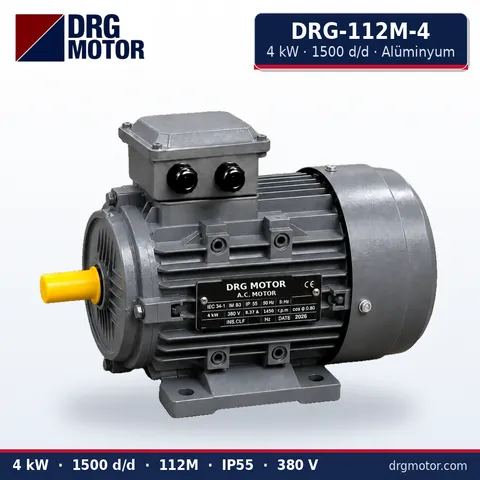
4 kW Three-Phase Motor 1500 rpm – DRG-112M-4 Aluminium
- 4 kW · 1500 rpm (4 poles)
- Aluminium frame · IEC 112M
- Shaft: 28 × 60 mm
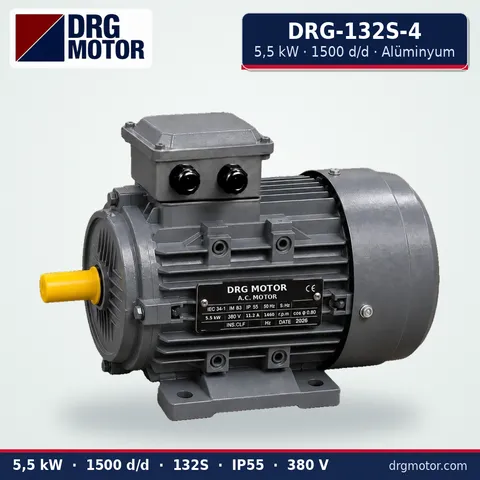
5.5 kW Three-Phase Motor 1500 rpm – DRG-132S-4 Aluminium
- 5.5 kW · 1500 rpm (4 poles)
- Aluminium frame · IEC 132S
- Shaft: 38 × 80 mm
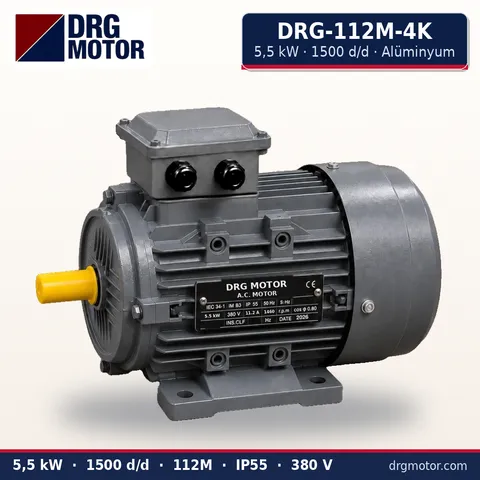
5.5 kW Compact Three-Phase Motor 1500 rpm – DRG-112M-4K Aluminium
- 5.5 kW · 1500 rpm (4 poles)
- Aluminium frame · IEC 112M
- Shaft: 28 × 60 mm
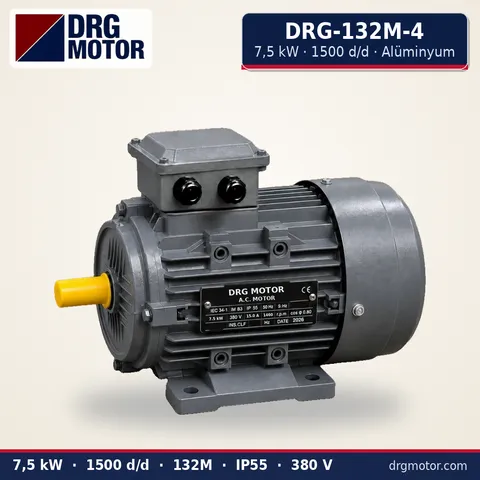
7.5 kW Three-Phase Motor 1500 rpm – DRG-132M-4 Aluminium
- 7.5 kW · 1500 rpm (4 poles)
- Aluminium frame · IEC 132M
- Shaft: 38 × 80 mm
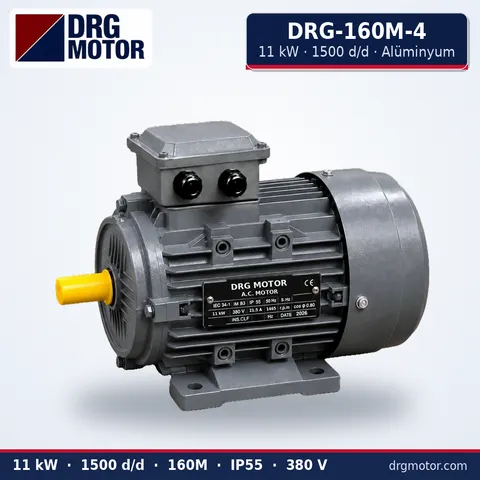
11 kW Three-Phase Motor 1500 rpm – DRG-160M-4 Aluminium
- 11 kW · 1500 rpm (4 poles)
- Aluminium frame · IEC 160M
- Shaft: 42 × 110 mm
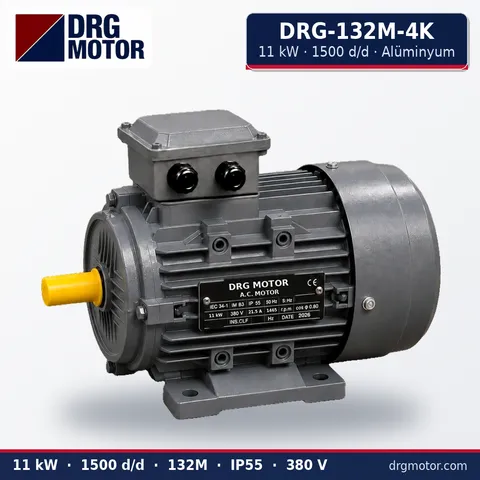
11 kW Compact Three-Phase Motor 1500 rpm – DRG-132M-4K Aluminium
- 11 kW · 1500 rpm (4 poles)
- Aluminium frame · IEC 132M
- Shaft: 38 × 80 mm