English
 Le français
 Türkçe




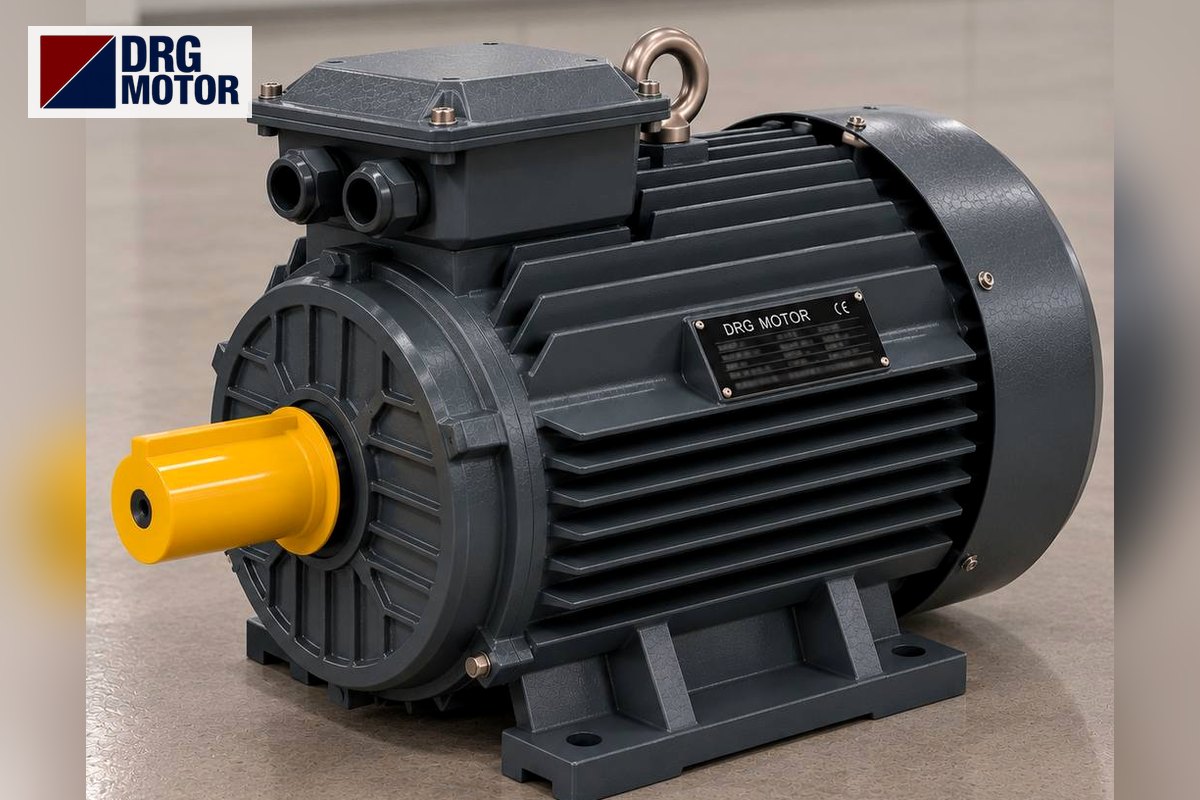

If you are buying an electric motor for the first time, feeling unsure is completely normal; in truth the right choice rests on just six simple headings: power, speed, mounting type, housing material, voltage and the nameplate. This guide walks you through them step by step, so that even with no experience you can settle on the electric motor that suits your need.
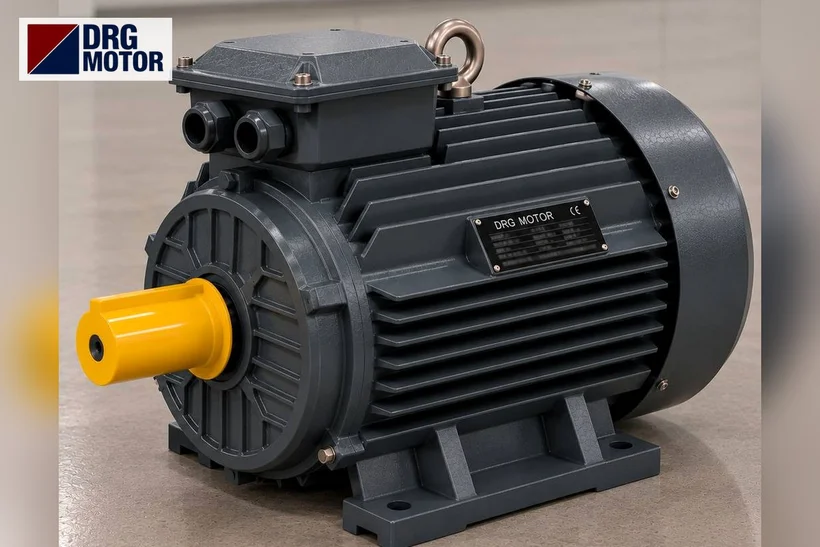
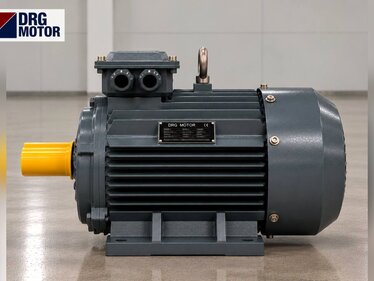
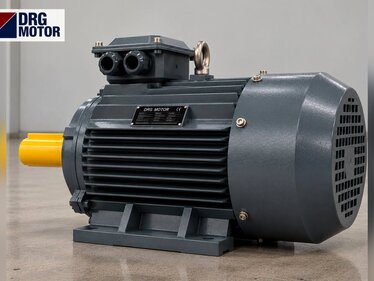
DRG Motor is a manufacturer, supplier and seller of electric motors. Once you read the steps below in order, you will know exactly what you want and can easily find suitable models by power and speed in the online electric motor shop, and see the same products together in the three-phase asynchronous electric motors category.
First, what is a three-phase electric motor?
The products described here are three-phase asynchronous electric motors; that is, they are fed from a three-phase supply. This is the most widely used type in industry, turning machines such as pumps, fans, compressors, conveyors and benches. For your first purchase you do not need to memorise every technical term; it is enough to think through the six headings below in order.
Step 1: Decide the power (kW)
Power is the electric motor's capacity to turn the load, usually written in kW. In everyday talk people ask "how many horsepower", but the nameplate shows kW; as a rough match, 1 hp is about 0.75 kW. The first step is to understand how much power your machine really needs. Choose too small and the electric motor strains and heats up; choose too large and you carry an unnecessary load.
If you are unsure, describe your application (what you will drive) and we will settle the right power class together. Our electric motor calculator can also give you a starting idea.
Step 2: What does speed (rpm) mean?
Speed is how many turns the shaft makes per minute (rpm). The same power exists at different speeds, and speed is set by the number of poles: 2 poles about 3000 rpm, 4 poles about 1500 rpm, 6 poles about 1000 rpm. If you buy a low-speed electric motor for a job that needs to run fast, you will not get the result you expect. The table below shows how the same 1.5 kW changes across three speeds.
| Poles | Speed class | Example model | Current (400 V) |
|---|---|---|---|
| 2 poles | 3000 rpm | DRG-90S-2 | 3.06 A |
| 4 poles | 1500 rpm | DRG-90L-4 | 3.3 A |
| 6 poles | 1000 rpm | DRG-100L-6 | 3.59 A |
All three are 1.5 kW, but their running speeds differ. For most general-purpose work the 4-pole (1500 rpm) class is preferred.
Click to see current electric motor prices and order nowSEE PRICES →
Step 3: State the mounting type (B3 / B5)
How the electric motor attaches to the machine is described by the mounting type. A foot mounting is B3, a flange mounting (a round front cover with bolt holes) is B5, and both together is B35. This is the point most often confused on a first purchase: if you expect feet and a flange-mounted unit arrives, it will not fit. Look at your current fixing; does it have foot holes or need a flange? If unsure, send a photo of the fixing and we will confirm it together.
Step 4: Housing material — aluminium or cast iron?
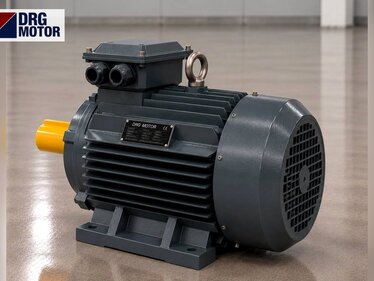
The outer housing of an electric motor is usually one of two materials. An aluminium housing is light; it is easy to carry and install, handy for jobs lifted by hand or moved often. A cast iron housing is heavier and more robust; it is preferred where vibration and impact are high. Which one suits you depends on your working environment, and you can find both at the same power and speed. For instance, you can take the 1.5 kW 1500 rpm class as an aluminium housing or a cast iron housing, and for 2.2 kW look at the cast iron option.
Step 5: Check the voltage
A three-phase electric motor is fed from three phases. On the nameplate you usually see two values: for example 230/400 V (Δ/Y) or 400/690 V (Δ/Y). These show which connection suits your supply. An electric motor bought without learning your site's line voltage will, if wired wrongly, either not turn or struggle. The connection must be made by qualified electrical personnel; before starting, switch off the power and confirm it is dead.
Step 6: Learn to read the nameplate
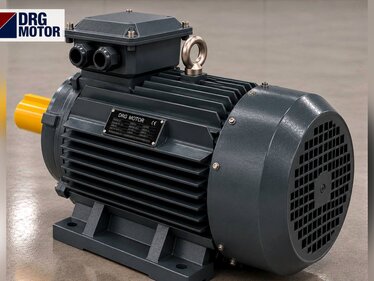
The metal nameplate on an electric motor is its identity. Power (kW), speed (rpm), voltage (V), current (A), connection (Δ/Y) and protection class (IP) are all written there. If you are replacing a unit, reading the old nameplate is the soundest route; compare its values with your new choice. If it will work in a dusty or wet place the protection class matters; DRG three-phase electric motors are offered with IP55 protection. To be sure, you can send us a photo of the nameplate.
A starter example: 1500 rpm class DRG electric motors
The most asked-about class on a first purchase is the general-purpose 4-pole (about 1500 rpm) range. The table below lists a few power steps with their housing and rated current at 400 V. The model codes link straight to the product page.
| Model | Power | Housing | Current (400 V) |
|---|---|---|---|
| DRG-90L-4 | 1.5 kW | Aluminium | 3.3 A |
| DRG-100L1-4 | 2.2 kW | Aluminium | 4.52 A |
| DRG-100L2-4 | 3 kW | Aluminium | 6.02 A |
| DRG-112M-4 | 4 kW | Aluminium | 7.95 A |
You can review every power and speed option in the online electric motor shop.
Choose your first electric motor with confidence; click to see current prices and place your orderSEE PRICES
Frequently asked questions
I know nothing; what is the least I should tell the seller?
Four items do the job: power (kW), speed (or number of poles), mounting type (B3/B5) and your site voltage. Add your housing preference and the choice falls into place in one go. Leave anything you are unsure of blank and ask us.
Should I say "horsepower" or "kW"?
Both describe the same thing. People often say "horsepower", but the nameplate shows kW. As a rough match, 1 hp is about 0.75 kW; tell us whichever you know and we convert the rest together.
I am replacing my old electric motor; how should I proceed?
The soundest route is to read the old unit's nameplate. Send us the power, speed, voltage and connection values written there, along with the mounting type and shaft diameter, and we will settle the best-fitting model together.
Send a photo of your current motor nameplate and we will find the suitable DRG model together.Send on WhatsApp
Electric Motors Related to This Topic — Models and Current Prices
Suitability is not decided by power alone: compare the speed, voltage, mounting, shaft and fixing dimensions of your machine with the product data; if unsure, send us the nameplate of your current motor.
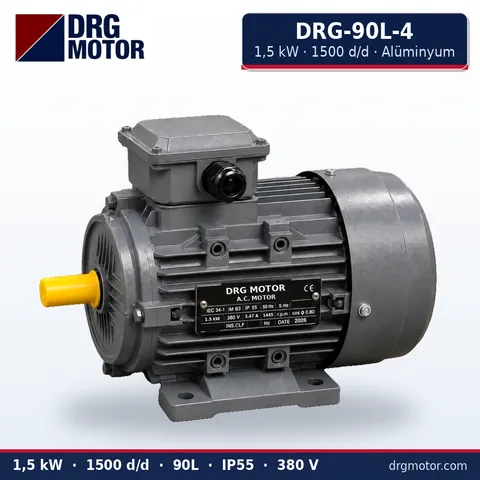
1.5 kW Three-Phase Motor 1500 rpm – DRG-90L-4 Aluminium
- 1.5 kW · 1500 rpm (4 poles)
- Aluminium frame · IEC 90L
- Shaft: 24 × 50 mm
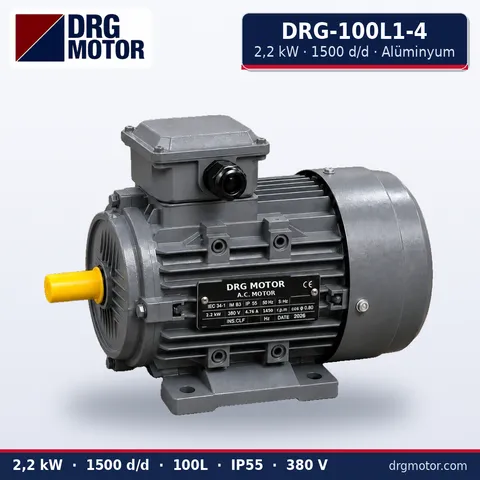
2.2 kW Three-Phase Motor 1500 rpm – DRG-100L1-4 Aluminium
- 2.2 kW · 1500 rpm (4 poles)
- Aluminium frame · IEC 100L
- Shaft: 28 × 60 mm
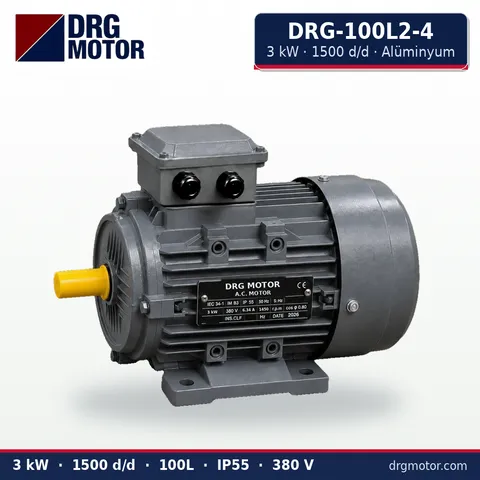
3 kW Three-Phase Motor 1500 rpm – DRG-100L2-4 Aluminium
- 3 kW · 1500 rpm (4 poles)
- Aluminium frame · IEC 100L
- Shaft: 28 × 60 mm
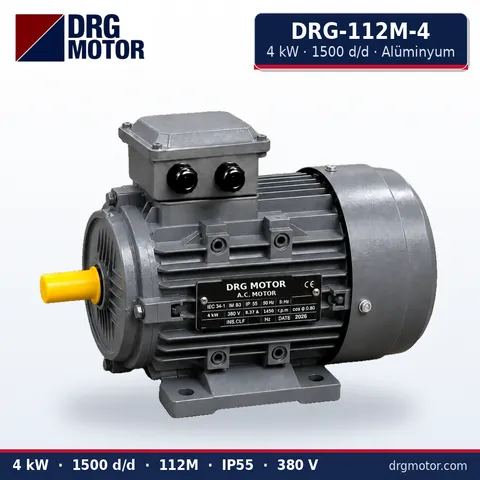
4 kW Three-Phase Motor 1500 rpm – DRG-112M-4 Aluminium
- 4 kW · 1500 rpm (4 poles)
- Aluminium frame · IEC 112M
- Shaft: 28 × 60 mm
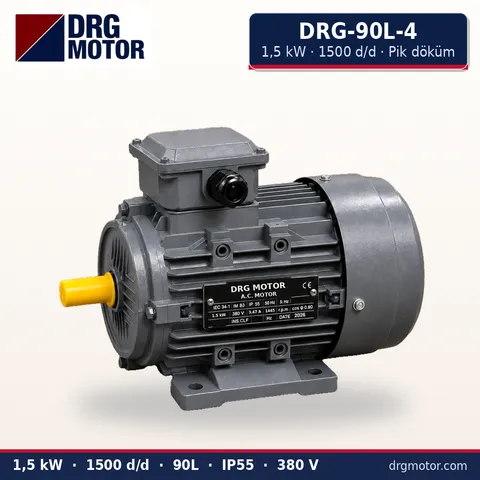
1.5 kW Three-Phase Motor 1500 rpm – DRG-90L-4 Cast Iron
- 1.5 kW · 1500 rpm (4 poles)
- Cast iron frame · IEC 90L
- Shaft: 24 × 50 mm
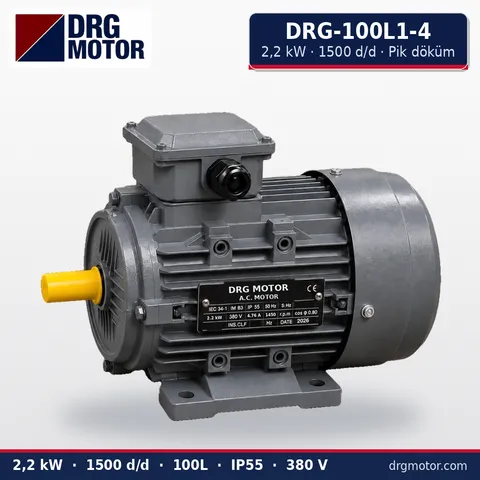
2.2 kW Three-Phase Motor 1500 rpm – DRG-100L1-4 Cast Iron
- 2.2 kW · 1500 rpm (4 poles)
- Cast iron frame · IEC 100L
- Shaft: 28 × 60 mm