 English
 Le français
 Türkçe

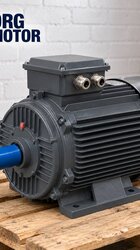
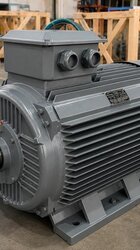
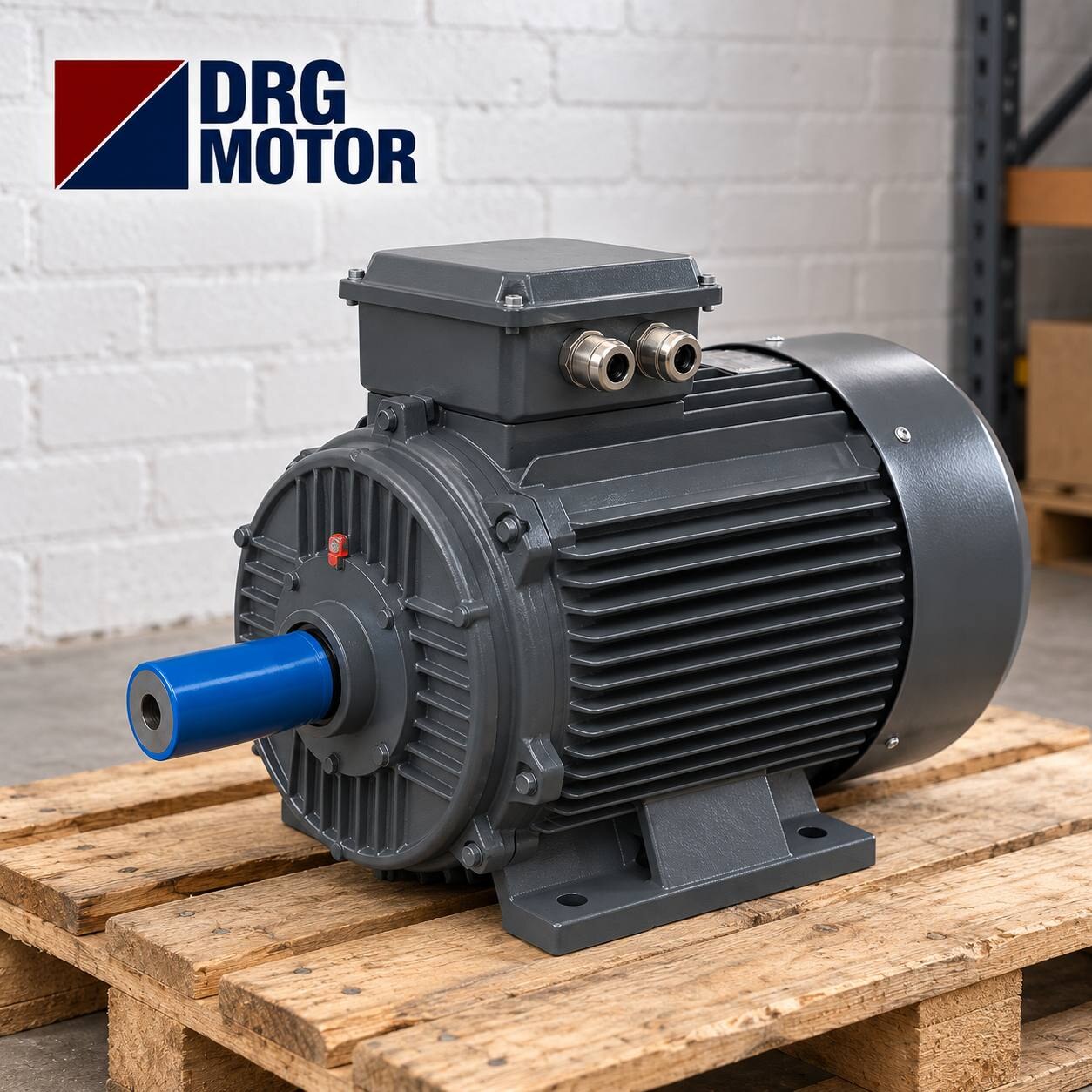

In most businesses nothing else on the energy meter comes close to what the electric motors account for. Conveyor drives, compressor sets, extraction fans and pump units that run all day spend money continuously. That is where IE3, IE4 and the other high efficiency grades come in, and the fair question is what they return and how long the return takes.
What Efficiency Means on a Motor
Efficiency describes what proportion of the incoming supply energy ends up as useful mechanical motion. The rest leaves as heat, noise and friction. A high-efficiency machine does the same job on less power, and where the duty never stops that small percentage totals up to a large number over twelve months.
The IE Ladder in Plain Terms
Motor efficiency is graded internationally by IE class. IE1 is standard efficiency, IE2 high, IE3 premium and IE4 super premium. Losses shrink as you climb the class ladder. The point of the scheme is comparability: two motors from different sources can be judged against the same yardstick, and the class is printed on the nameplate where the buyer can see it before signing anything.
Where IE3 and IE4 Part Company
Across much of industry, IE3 premium is now the default. IE4 goes a step further and runs with lower losses still, delivering a clearly higher efficiency than an IE2 machine and cutting consumption further. The gap looks minor at first glance. On a large machine in continuous service, it shows up plainly in the annual energy cost, and in very high-utilisation duty IE4 is the better long-term position.
What the Whole Life Actually Costs
Buying a high-efficiency motor costs slightly above the standard equivalent. The energy it saves generally clears that gap quickly; where use is heavy, payback normally arrives inside a short handful of years. After that the motor carries on saving for the rest of its life, which is net gain. What a machine truly costs is its purchase figure added to the lifetime energy and maintenance bill, and on that measure the cheapest motor is normally the most efficient one.
Cooler Winding, Longer Life, Less Maintenance
A motor that converts less energy into heat runs cooler. Lower operating temperature protects bearings and insulation alike, which extends life. Overheating causes more motor failures than anything else, so an efficient machine removes part of that risk at source. Fewer replacements, fewer interruptions, and a lighter maintenance load; in a plant running many motors this adds up separately from the energy saving.
Copper, Bearings and Cooling Design
One of the main routes to high efficiency is generous, good-quality copper in the winding, since the conductivity of copper reduces winding resistance and therefore the energy lost in it. Good bearings cut friction losses and noise together. A well-designed cooling path keeps the machine cool and holds the efficiency where it belongs, because an overheating motor is also a less efficient one.
Sizing and Speed Control Decide the Rest
An efficient class does nothing on its own if the rating is wrong. A motor that is far too large works at low load and never reaches its potential; an undersized one never stops straining. Peak efficiency comes when the machine works near its rated load. Where the load varies through the day or the season, a fixed-speed motor wastes energy by always running at full power, and a frequency inverter that tracks demand removes that waste. On pumps and fans, that combination is where the largest savings sit.
Replacing the Old Machines First
Motors that have been running for years quietly consume more electricity than anyone notices, because nothing about them looks wrong. Swapping those units for modern efficient machines cuts the energy cost quickly, and the change usually pays for itself sooner than expected. When you do it, check that the new machine matches the existing system in rating and speed, that the frame and mounting type fit, and that the efficiency class and warranty are confirmed in the documentation and on the nameplate itself rather than assumed.