 English
 Le français
 Türkçe



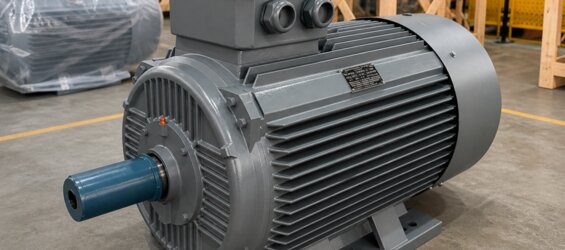
Electric Motor Cooling Methods and IC Codes
When an electric motor runs, it does not only produce mechanical power; it also releases heat in the windings, the rotor, and the bearing areas. If this heat is not kept under cont... More Details

Electric motors convert electrical energy into mechanical (motion) energy and form the backbone of modern industry. From conveyors to pumps, fans to compressors, cranes to stone-crushing plants, an electric motor is involved at nearly every stage of production. Given that a very large share of the world's industrial electricity consumption comes from electric motors, choosing the right motor is a critical decision for both efficiency and cost. At DRG Motor, this category brings together a wide range: from standard and high-efficiency (IE3, IE4, IE5) asynchronous motors to durable cast iron body series, from single-phase and three-phase models to heavy-duty industrial motors.
Asynchronous (induction) electric motors produce rotation through the electromagnetic interaction between the rotating magnetic field created in the stator and the rotor. With no brushes or commutator, this design makes the motor durable, easy to maintain and long-lasting. This reliability makes the asynchronous motor the most preferred motor type in industry.
The following criteria should be considered together when selecting a motor:
Electric motors are used in almost every sector, including food, textile, metal, plastics, cement, mining, water/wastewater, agriculture and general manufacturing. Pumps, fans, blowers, compressors, conveyors, cranes and crushing-screening plants are the most common applications. In continuously running systems, choosing high efficiency motors can significantly reduce energy costs.
DRG Motor offers high quality standards, competitive pricing and fast delivery throughout Türkiye from its İzmir-based stock. All our motors comply with international efficiency standards (IEC 60034-30-1). With current high efficiency electric motors, technical documents and expert support, you can easily determine the most suitable solution for your needs; explore our range to choose the right motor.
For more about our company and the full product range, visit the DRG Motor electric motor supplier homepage.
For quick calculations, use our electric motor calculator (kW⇄HP, RPM, torque, current).
When an electric motor runs, it does not only produce mechanical power; it also releases heat in the windings, the rotor, and the bearing areas. If this heat is not kept under cont... More Details
One of the most fundamental decisions when selecting a motor to drive a machine is this: should the motor be connected directly, or should a gearbox be placed in between? This choi... More Details
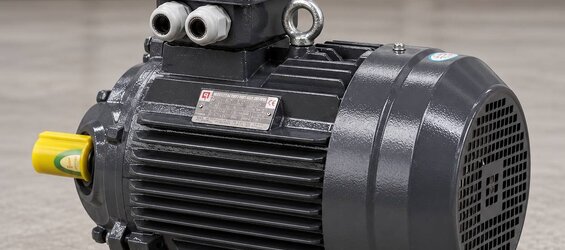
If the heart of an electric motor is the rotating rotor, then the hero that allows that rotor to turn quietly and trouble-free is the bearing. This small part, often overlooked, di... More Details
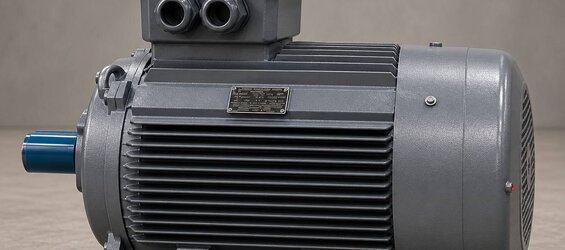
Whether an electric motor is mounted horizontally or vertically may at first look like nothing more than a layout preference. In reality, this choice directly affects many mechanic... More Details
An induction motor stopping suddenly or failing unexpectedly rarely comes without warning. Before they break down, motors usually give signs: the temperature rises, the noise chang... More Details
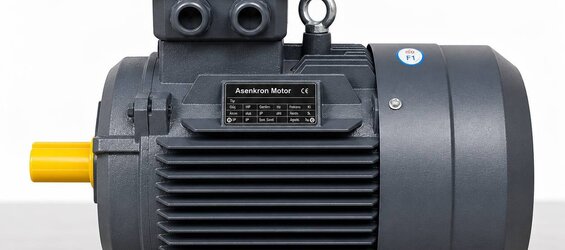
One of the most confusing topics you encounter when buying an electric motor is the two different standards that define the motor's frame size: IEC and NEMA. IEC is widespread in E... More Details
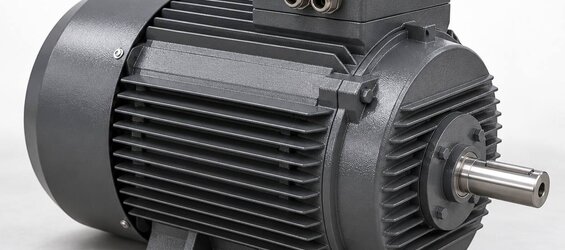
For workshops, small businesses, household appliances, and agricultural facilities where a three-phase grid is not available, single-phase induction motors are indispensable. Howev... More Details
Flange-mounted electric motors bolt directly to machines such as pumps, gearboxes and fans, offering a far more compact mounting solution than foot-mounted bodies. The flange face ... More Details
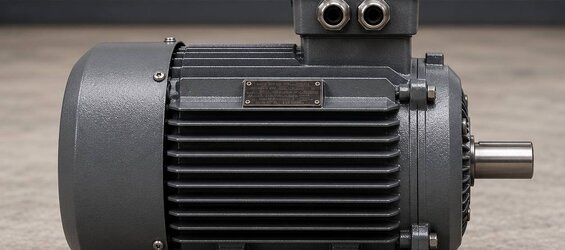
One of the most fundamental questions when designing a drive system is this: AC motor or DC motor? This choice is not merely a technical preference; it shapes the entire life cycle... More Details
At the heart of an induction motor there is a part that often goes unnoticed but directly determines efficiency: the squirrel-cage rotor. The rotating magnetic field produced by th... More Details
When you manufacture or purchase an electric motor, it is not enough for the motor to work technically; in many markets the motor must also meet a certain minimum efficiency level.... More Details
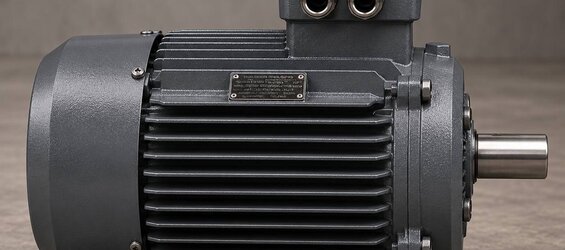
When you connect a motor directly to the grid, the windings meet a smooth, gentle sinusoidal voltage. But when you connect the motor behind a frequency inverter, the situation chan... More Details
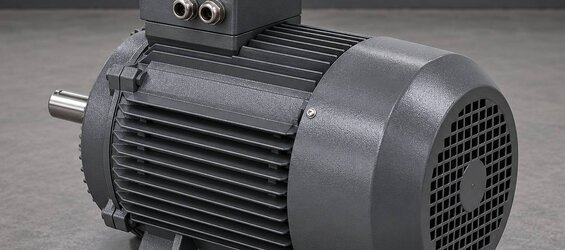
Compressed air is often called the "fourth utility" in industry; an infrastructure that sits alongside electricity, natural gas, and water and is found in almost every facility. It... More Details
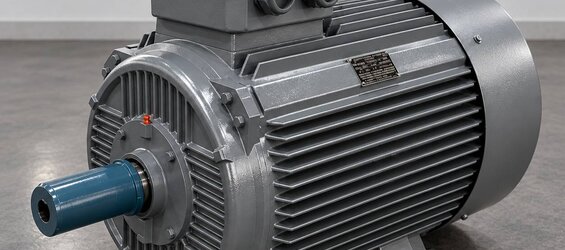
When you run an electric motor for years, you come to know its behavior intuitively: which sound is normal, what temperature to expect, how it responds under a given load. The conc... More Details
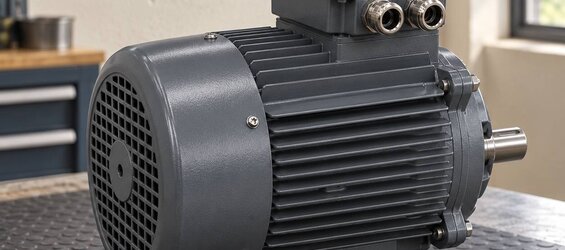
When a crane lowers its load, when an elevator descends, or when a high-inertia centrifuge slows down, the motor does not actually stop; it begins to convert mechanical energy back... More Details
The most honest information about an electric motor's health usually comes from its vibration. When bearings begin to wear, when rotor imbalance develops, or when fasteners loosen,... More Details
When an electricity bill comes in higher than expected, the first remedy that comes to mind is usually to swap a single component, the motor, for a more efficient model. Yet an ele... More Details
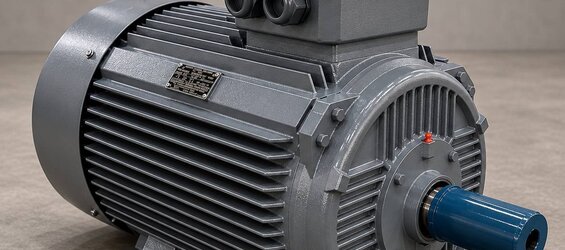
When an electric motor fails or its efficiency drops, the first question that usually comes to mind is "should I buy a new one?" Yet a motor's life does not end with its first faul... More Details
How Low-Loss Electrical Steel Laminations Improve Motor Efficiency When we list the factors that determine an electric motor's efficiency, the first things that usually come to min... More Details
For many years, industry produced heat by burning fuel. Today this equation is changing: industrial heat pumps take low-temperature waste heat and lift it to the higher temperature... More Details