 English
 Le français
 Türkçe
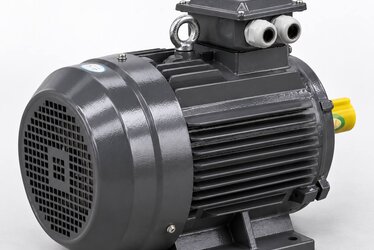
3-Phase Asynchronous Motor
3-Phase Asynchronous Motor Contact: +90 (542) 666 11 11 3-Phase Asynchronous Motors with DRG Motor DRG Motor is a trusted supplier of 3-phase asynchronous motors across Turkey. ... More Details

3-Phase Asynchronous Motor Contact: +90 (542) 666 11 11 3-Phase Asynchronous Motors with DRG Motor DRG Motor is a trusted supplier of 3-phase asynchronous motors across Turkey. ... More Details
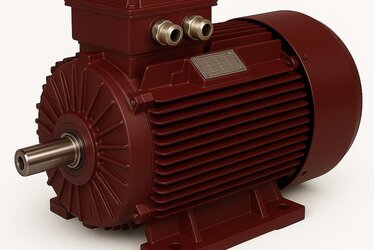
IE4 Asynchronous Electric Motor Contact +90 (542) 666 11 11 IE4 Asynchronous Motor Solutions DRG Motor IE4 asynchronous electric motors belong to the premium efficiency class an... More Details
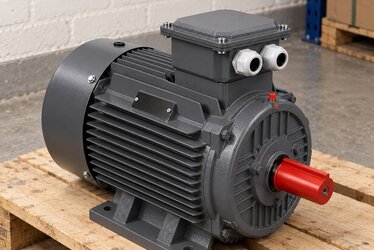
Industrial electric motors are a different class from general-purpose products: they are built to withstand the dust, humidity and continuous-load pace of the factory floor. In thi... More Details
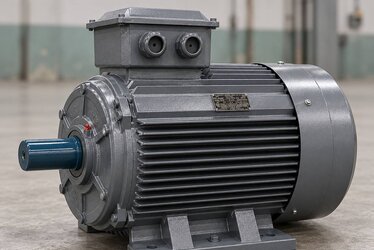
The most widely used motor in industry is the induction motor. However, in places that demand precise positioning, step and servo motors are preferred. These three motor types are ... More Details
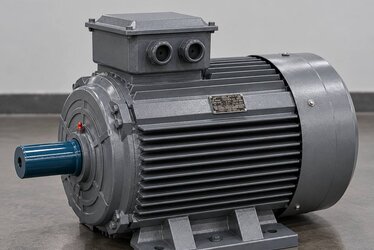
Induction motors are divided, by rotor construction, into two broad families: the squirrel cage (short-circuited bar) rotor and the wound rotor (slip-ring) motor. From the outside ... More Details
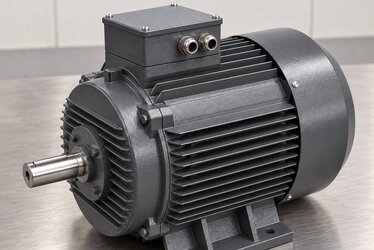
There is a single graph that best describes the character of an induction motor: the torque-speed curve. This curve shows how much torque the motor can produce at every speed from ... More Details
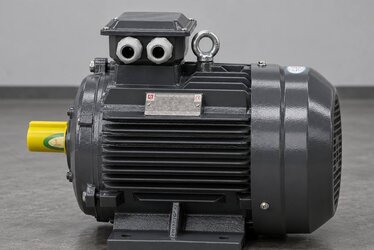
The path to selecting the right motor often does not run, as is commonly assumed, through looking only at the power value. What really matters is the character of the load the moto... More Details
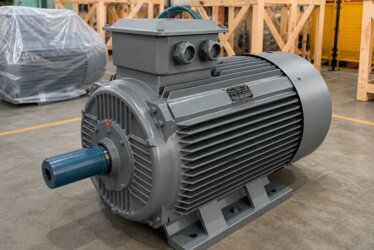
On a cold winter morning, an electric motor waiting outdoors or in a chilled warehouse meets conditions at its first start that are very different from those in a warm environment.... More Details
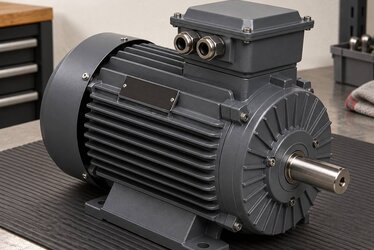
One of the most vulnerable points of an electric motor is where the shaft leaves the frame. At this point a small gap must remain between the rotating shaft and the stationary fram... More Details
A soft starter limits the inrush current and mechanical shock of an induction motor by gradually raising the starting voltage instead of connecting the machine directly to the line... More Details
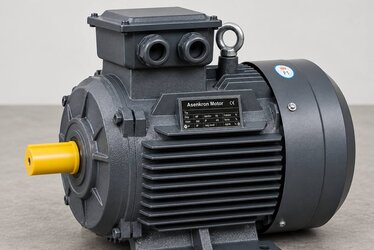
A frequency inverter can change the speed of an induction motor, but how it does so depends on the control method you choose. There are two fundamental approaches: scalar V/f contr... More Details
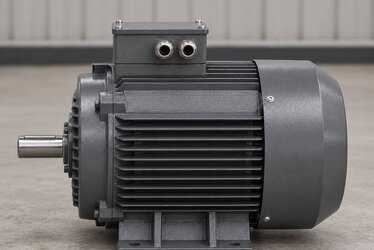
Belt-and-pulley drive is one of the most common ways to transfer a motor's power to a load. From a ventilator to a stone-crushing line, from a machining tool to a conveyor, many sy... More Details
Equipment operating at sea faces a far harsher world than its land-based counterpart. Constant salt spray, high relative humidity, the changing inclination angles caused by the shi... More Details
The most common way to run an electric motor at the desired speed, with the right torque and with high energy efficiency is to use a frequency inverter, also known as a VFD (Variab... More Details
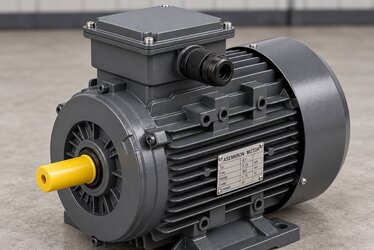
Not all of the sound you hear from a running electric motor is mechanical in origin. Alongside bearing friction and fan noise, there is also magnetic noise, which is born in the mo... More Details
A frequency inverter delivers energy to the motor while accelerating it; but when you want to decelerate the motor quickly, where does that energy go? This is exactly where dynamic... More Details
Knowing how fast an electric motor turns is the foundation of production quality and system safety in most applications. The motor's number of revolutions per minute (rpm) is one o... More Details
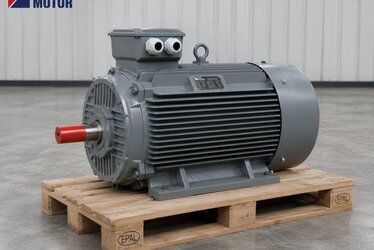
The drive group in cranes and hoisting systems works in a very particular way: it performs a limited number of lifting cycles each shift, yet each cycle demands high torque right f... More Details
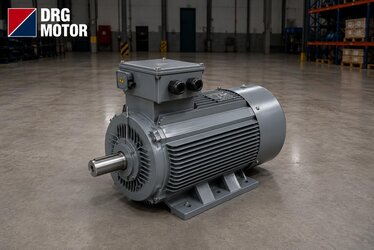
When companies buy an electric motor, the conversation usually revolves around power, speed and mounting type; yet the quietest variable that truly decides how long the motor will ... More Details
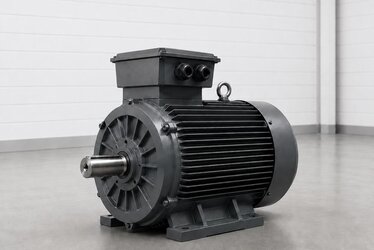
Most of the energy an electric motor consumes over its lifetime is tied directly to the heat lost as current flows through its windings. This is exactly where the winding material ... More Details