English
 Le français
 Türkçe




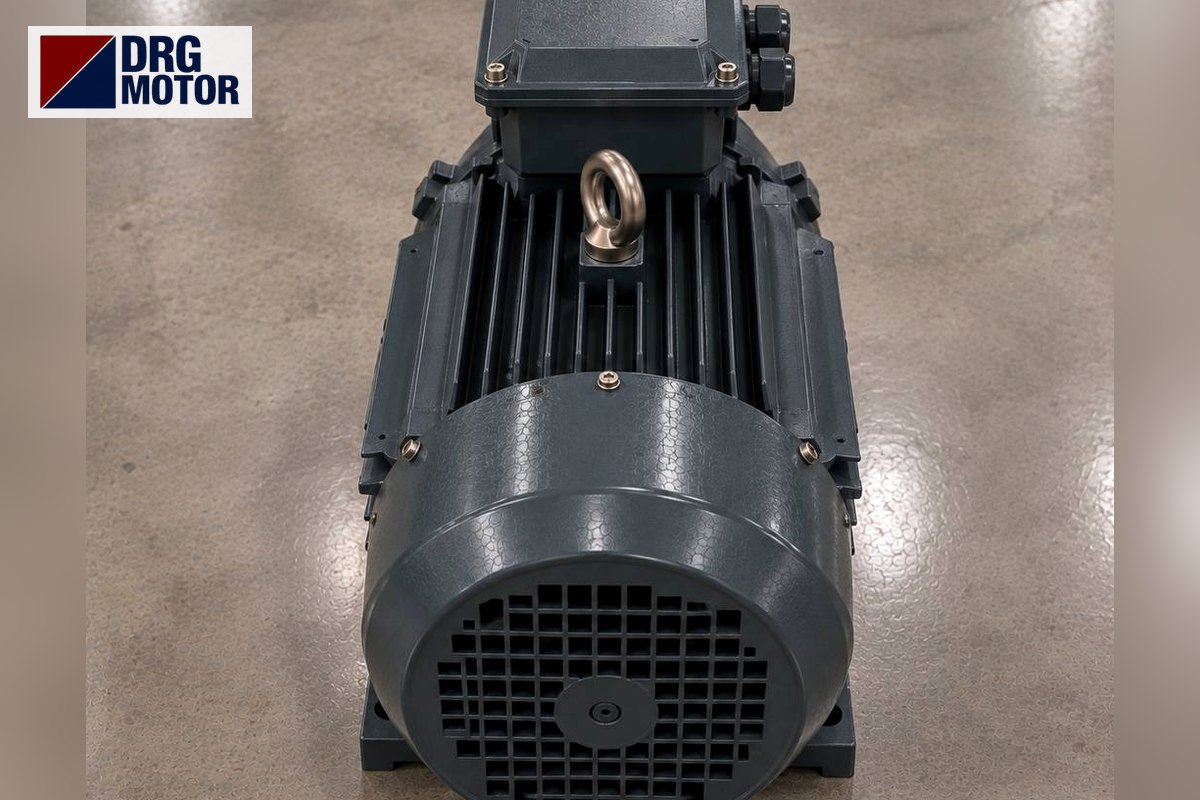

An anti-condensation heater (space heater) is a small heating resistor that, while an electric motor is stopped, keeps the winding and inner-surface temperature a few degrees above ambient so that moisture cannot condense inside the motor. It is energised when the motor is idle and switched off when the motor runs, preventing damp windings and the insulation problems that follow.
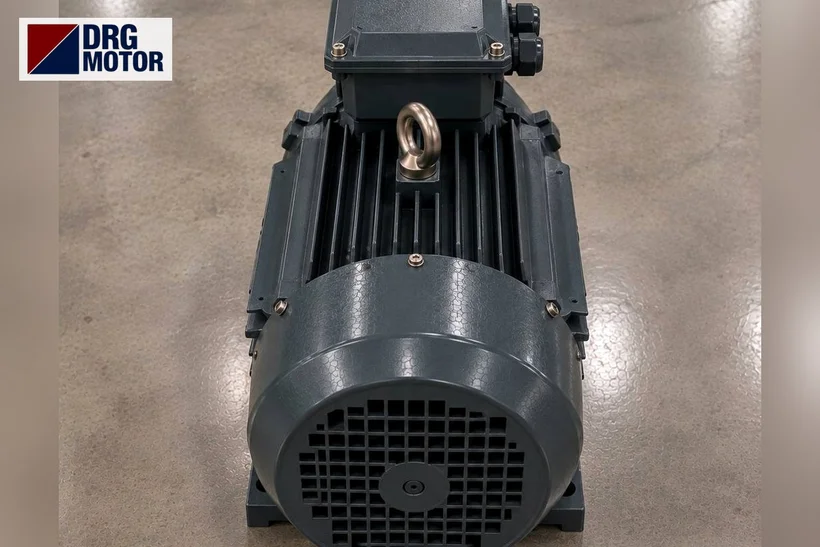
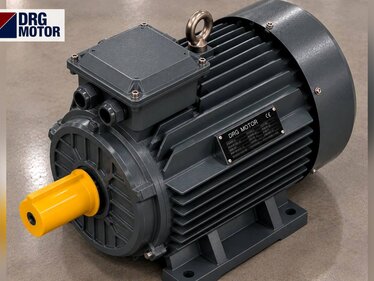
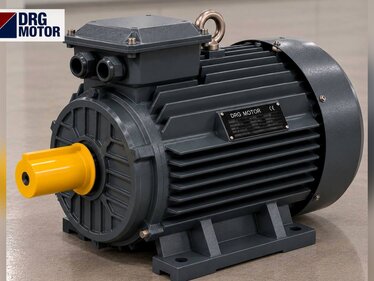
DRG Motor is a manufacturer, supplier and seller of electric motors. You can review three-phase asynchronous electric motor models suited to humid and outdoor use, by power and speed, in the online motor shop, and see the same motors grouped in the three-phase asynchronous electric motors category.
What is an anti-condensation heater and what does it do?
An anti-condensation heater is a low-power heating resistor placed inside the terminal box or on the winding. Its single job is to hold the motor's internal temperature a few degrees above the surrounding air while the motor is stopped. As long as the temperature stays above ambient, airborne moisture cannot condense on the motor's cold surfaces and turn into water.
A running motor heats up and keeps its internal air dry on its own. The real risk appears when the motor stays idle for hours or days: it cools down, its inner surfaces become colder than the surrounding air, and water collects on them. The anti-condensation heater works exactly in that gap — during the standstill period.
Why is condensation a problem in a motor?
Winding insulation and the bearing area do not tolerate moisture well. Water condensing inside the motor can, over time, cause:
- Lower insulation resistance: moisture on the winding lowers the phase-to-frame insulation resistance, which means leakage current and stress at the next start.
- Corrosion: rust may begin on the shaft, bearing seat and inner metal surfaces.
- Unexpected trips: a damp motor may trip its protection relay when switched on, stopping the plant unplanned.
Measuring the insulation resistance before restarting a motor is a good habit; however, for any measurement or wiring, switch off the supply, confirm it is de-energised and let only qualified electrical personnel do the work. For exact threshold values, refer to the motor nameplate and the device documentation.
How is an anti-condensation heater powered and how does it work?
The heater's operating logic is independent of the motor itself. The general approach is:
- Separate supply: the heater is not fed from the motor power circuit but usually from a separate single-phase supply (at a voltage defined for the application). The supply reaches the terminal box through its own leads.
- Off while the motor runs: the control panel cuts the heater when the motor starts and energises it again when the motor stops. No needless heating occurs while running, because the motor already dries itself with its own heat.
- Low power: the heater only needs to raise the internal temperature by a few degrees, not heat the room, so its power is very small next to the motor's rated power.
The heater's voltage, power and terminals vary with the application; these values and the panel-side interlock between motor and heater are defined in the project. For the panel and supply design, the motor current chart and the motor cable size calculator can be helpful.
Click to see current electric motor prices and order nowSEE PRICES →
When is an anti-condensation heater needed?
Not every motor needs an anti-condensation heater. The need depends on the environment and the operating pattern:
- Humid environments: plants with high relative humidity, areas near cold stores, water and treatment plants.
- Outdoor (open-air): field installations with large day–night temperature swings, where the motor cools below the ambient air.
- Long standstills: seasonal, standby or rarely running motors. The longer the idle time, the higher the condensation risk.
- Storage: a similar protection logic is considered for motors that will wait in storage for a long time before installation.
If the environment is cool, enclosed and dry, or the motor runs regularly and dries itself, an anti-condensation heater is often unnecessary. For housing choice in outdoor and humid use, the article on the difference between aluminium and cast iron housings is worth reviewing.
Anti-condensation heater on DRG motors: standard or option?
DRG's standard three-phase asynchronous electric motors come with IP55 protection and Class F insulation; the standard build does not include an anti-condensation heater. The heater is an application-dependent item: because the required voltage, power and connection vary with the project, it is handled as a special request. So if you want an anti-condensation heater on your motor, the right step is to get in touch for information and clarify the application together; do not assume this feature is ready on the standard shop cards.
The table below lists 1500 rpm (4-pole) aluminium-housing DRG models often used in humid and outdoor applications. The model codes link straight to the product page; the voltage on all of them is 400/690 V (Δ/Y).
| Model | Power / Speed | Torque | Rated current (400 V) |
|---|---|---|---|
| DRG-112M-4 (aluminium) | 4 kW / 1500 rpm | 26.3 Nm | 7.95 A |
| DRG-132S-4 (aluminium) | 5.5 kW / 1500 rpm | 36.0 Nm | 10.7 A |
| DRG-112M-4K (aluminium) | 5.5 kW / 1500 rpm | 36.0 Nm | 10.7 A |
| DRG-132M-4 (aluminium) | 7.5 kW / 1500 rpm | 49.1 Nm | 14.3 A |
| DRG-160M-4 (aluminium) | 11 kW / 1500 rpm | 71.7 Nm | 20.4 A |
| DRG-132M-4K (aluminium) | 11 kW / 1500 rpm | 71.7 Nm | 20.4 A |
The torque values can also be checked with T = 9550 · P / n; at the same speed, torque rises as power rises. For other speeds (2 and 6 poles) and cast iron housings, browse the full list in the shop.
Measures beyond an anti-condensation heater
The heater is not the only way to reduce condensation; depending on the environment, these measures are considered together:
- Choosing a motor with a suitable protection class (e.g. IP55) and keeping the terminal box seals intact.
- Providing a cover or canopy outdoors to shield the motor from direct rain and sun.
- Running long-idle motors briefly from time to time so internal moisture dries (if the process allows).
- Choosing the mounting orientation and drain-plug position correctly.
For the right housing and protection choice, the article on types of electric motor housings is a useful starting point.
Send a photo of your current motor nameplate and we will find the suitable DRG model together.Send on WhatsApp
Once you have defined the right motor and equipment for your application, you can compare all power and speed options and current prices through the shop.
See three-phase asynchronous electric motor models and current prices for humid and outdoor applications in the shopSEE PRICES
Frequently asked questions
Does the anti-condensation heater stay on while the motor runs?
No. It is designed to be active only while the motor is stopped; when the motor starts, the control panel cuts the heater, because a running motor already drives off internal moisture with its own heat.
Does the heater affect the motor's power or performance?
No. The heater is a very low-power resistor fed separately and independently of the motor's electrical power. The rated power, torque and current of the motor do not change; it only raises the internal temperature slightly during standstill.
Does every motor need an anti-condensation heater?
No. In an enclosed, cool, low-humidity environment, or for regularly running motors, it is usually unnecessary. The need depends on humidity, outdoor exposure and long standstill.
How can I request an anti-condensation heater on DRG motors?
Since the heater is assessed per application, the soundest step is to get in touch with the motor's power, speed, housing and operating environment. With a nameplate photo and environment details, we can determine the suitable solution together.
Electric Motors Related to This Topic — Models and Current Prices
Suitability is not decided by power alone: compare the speed, voltage, mounting, shaft and fixing dimensions of your machine with the product data; if unsure, send us the nameplate of your current motor.

4 kW Three-Phase Motor 1500 rpm – DRG-112M-4 Aluminium
- 4 kW · 1500 rpm (4 poles)
- Aluminium frame · IEC 112M
- Shaft: 28 × 60 mm
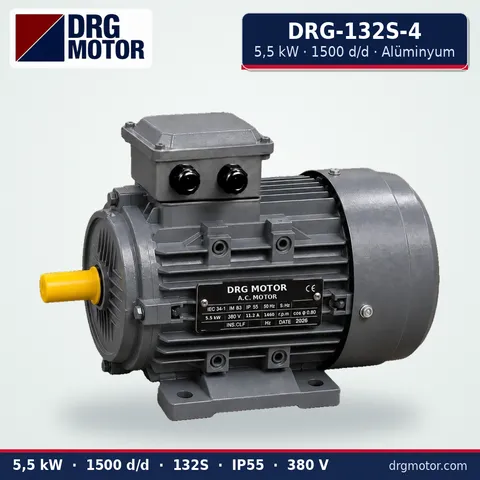
5.5 kW Three-Phase Motor 1500 rpm – DRG-132S-4 Aluminium
- 5.5 kW · 1500 rpm (4 poles)
- Aluminium frame · IEC 132S
- Shaft: 38 × 80 mm
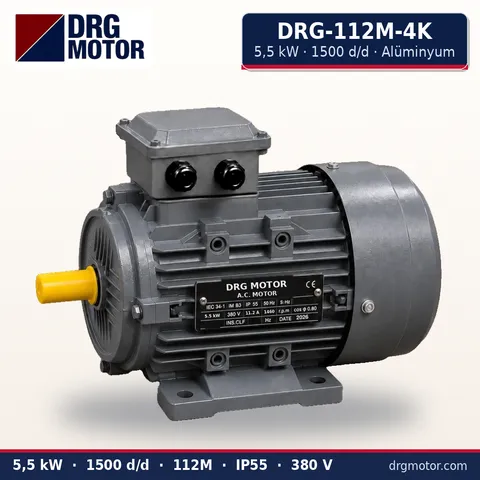
5.5 kW Compact Three-Phase Motor 1500 rpm – DRG-112M-4K Aluminium
- 5.5 kW · 1500 rpm (4 poles)
- Aluminium frame · IEC 112M
- Shaft: 28 × 60 mm
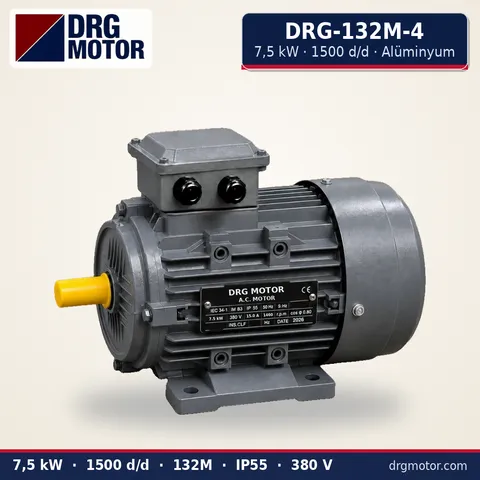
7.5 kW Three-Phase Motor 1500 rpm – DRG-132M-4 Aluminium
- 7.5 kW · 1500 rpm (4 poles)
- Aluminium frame · IEC 132M
- Shaft: 38 × 80 mm
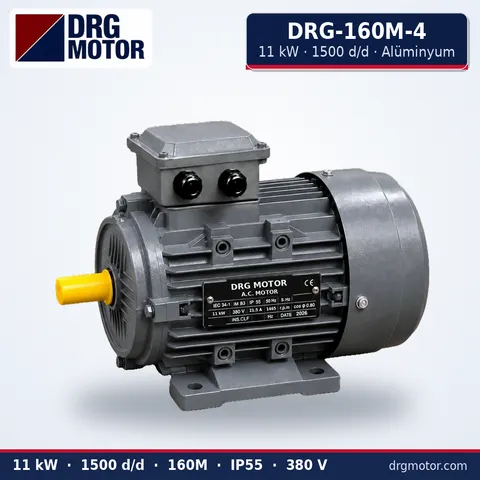
11 kW Three-Phase Motor 1500 rpm – DRG-160M-4 Aluminium
- 11 kW · 1500 rpm (4 poles)
- Aluminium frame · IEC 160M
- Shaft: 42 × 110 mm
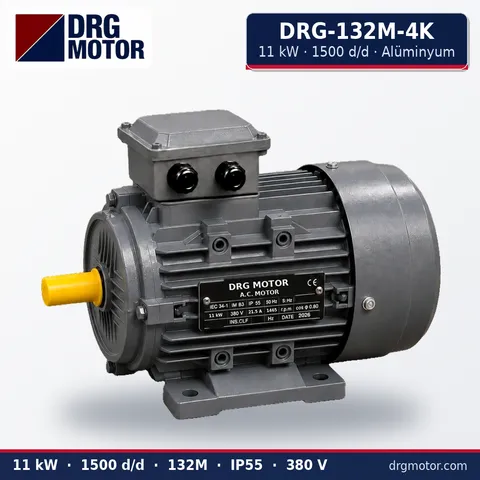
11 kW Compact Three-Phase Motor 1500 rpm – DRG-132M-4K Aluminium
- 11 kW · 1500 rpm (4 poles)
- Aluminium frame · IEC 132M
- Shaft: 38 × 80 mm