 English
 Le français
 Türkçe
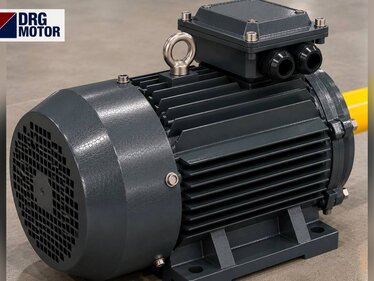
How Does a 3-Phase Asynchronous Electric Motor Work?
A three-phase asynchronous electric motor turns the mains current it receives into a magnetic field that rotates inside the stator; this field drags the rotor along and the shaft t... More Details

A three-phase asynchronous electric motor turns the mains current it receives into a magnetic field that rotates inside the stator; this field drags the rotor along and the shaft t... More Details
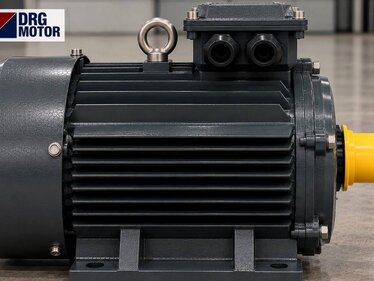
In an asynchronous electric motor running on alternating current, rotation comes not from magnets pulling on each other but from a magnetic field that is built up, already spinning... More Details
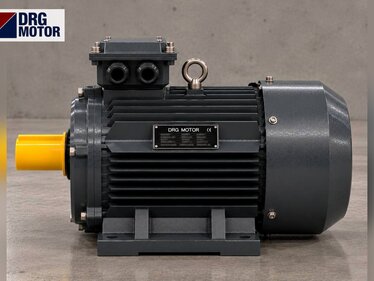
A 380 volt three-phase electric motor is an asynchronous machine connected to a three-phase AC supply, with three windings set 120 degrees apart. What industry calls "380 volt" is,... More Details
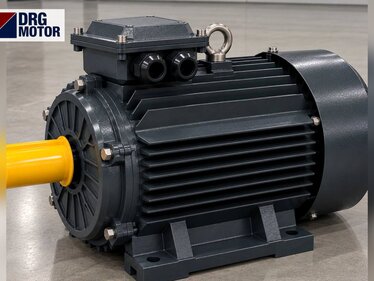
The current a 380 V three-phase electric motor draws is roughly set by its power: a 4 kW model pulls around 8 amps at rated load, a 7.5 kW around 14 amps and an 11 kW around 20 amp... More Details
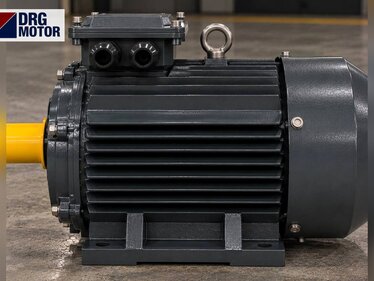
What a three-phase electric motor "uses" is not the same number as the rated power on its nameplate. The kW on the label is the mechanical power delivered at the shaft; the electri... More Details
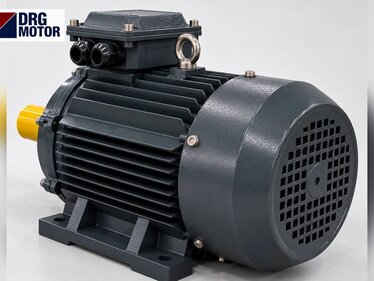
The nameplate of an electric motor is its identity card. Power, voltage, current, speed, protection and insulation — everything you need when buying or sourcing a spare — is printe... More Details
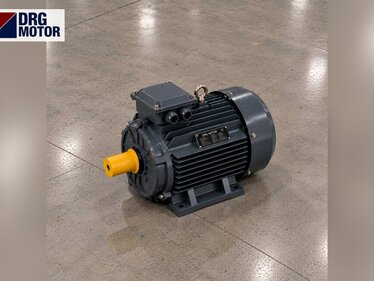
The power of three-phase asynchronous electric motors is not quoted at random values but along a standard ladder: it climbs 0.25 kW, 0.37 kW, 0.55 kW, 0.75 kW and follows a well-kn... More Details
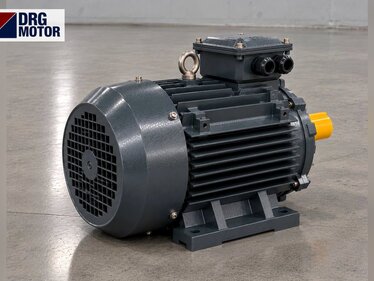
An AC asynchronous electric motor turns the electrical energy it draws from the mains or the panel into rotation and torque at the end of its shaft. Wherever something has to be tu... More Details
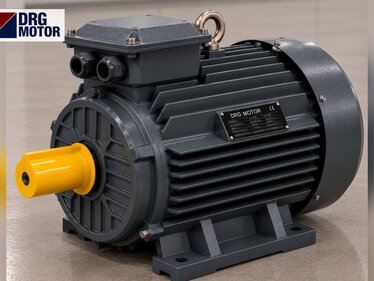
Choosing an industrial three-phase asynchronous electric motor really comes down to four lines: how much power, which speed, what kind of housing and which mounting. Get those four... More Details
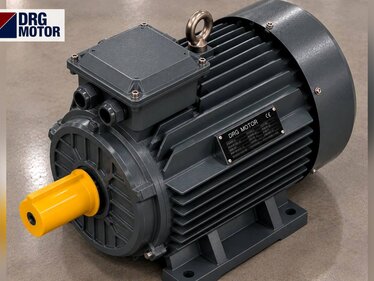
The synchronous speed of an asynchronous electric motor comes from one short formula: n = 120 × f / p, where f is the mains frequency (50 Hz in Türkiye) and p is the number o... More Details
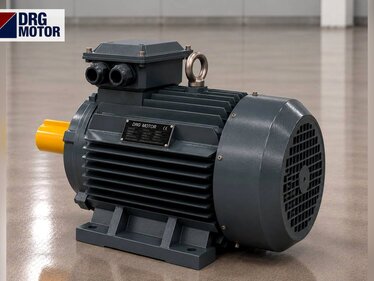
The amperage a three-phase asynchronous electric motor draws is roughly set by its power and speed. On a 400 V supply a 4 kW model draws about 8 amps at rated load, a 7.5 kW around... More Details
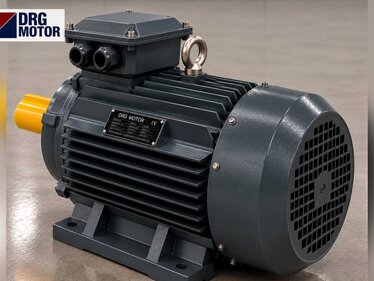
The speed of a three-phase electric motor is not something you dial in like a gas pedal; it is largely built into the pole count of the winding. Fewer poles make the motor run fast... More Details
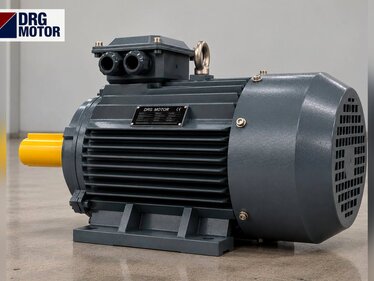
The core difference between an AC motor and a DC motor lies in how motion is produced: an AC motor turns on the grid's alternating current without a commutator or brushes, while a ... More Details
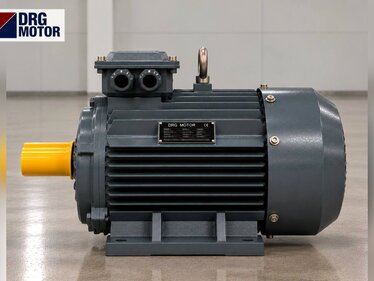
A 0.37 kW asynchronous electric motor sits on the small-power side of the range: a three-phase machine of about 0.5 HP. The same rating is offered with 2, 4 and 6 poles — 3000, 150... More Details
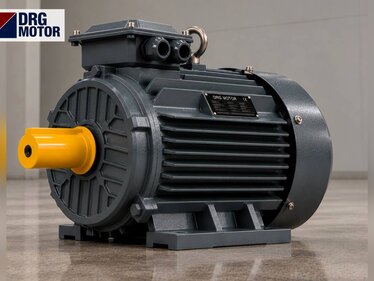
A 0.37 kW three-phase asynchronous electric motor is a small drive unit that runs on a 380–400 V supply, offered by DRG in three speeds: 3000, 1500 and 1000 rpm. Its rated current ... More Details
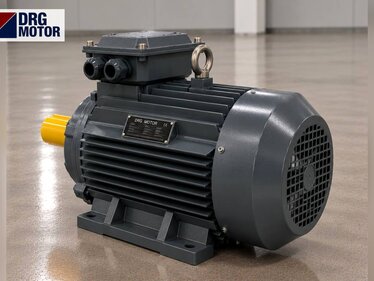
A 0.75 kW three-phase electric motor runs on a 380–400 V supply with a 230/400 V (Δ/Y) nameplate; at 400 V its rated current sits between 1.64 and 1.93 A depending on the number of... More Details
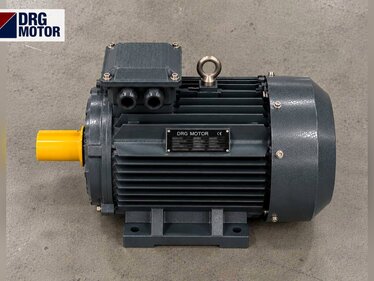
A 1.5 kW three-phase electric motor runs on what we call a 380 V supply; on the nameplate that voltage now reads 230/400 V. In the 4-pole, 1500 rpm version it draws about 3.3 A on ... More Details
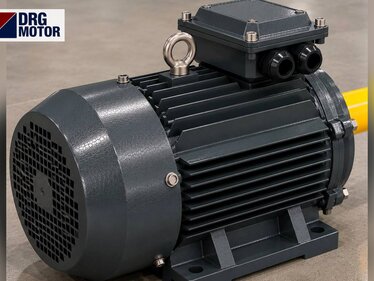
A 2.2 kW three-phase electric motor is roughly a 3 HP machine and runs on Türkiye's 380/400 V three-phase grid. The same power is offered at three speeds, from 2 up to 6 poles; the... More Details
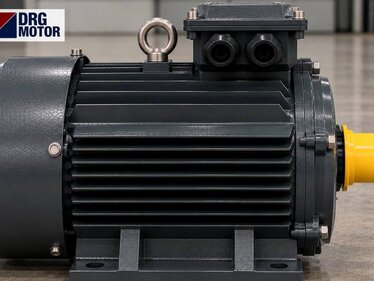
A 3 kW three-phase asynchronous electric motor is a 4 HP drive unit that runs on the 400 V grid most people still call 380 V. DRG offers this power at 3000, 1500 and 1000 rpm; rate... More Details
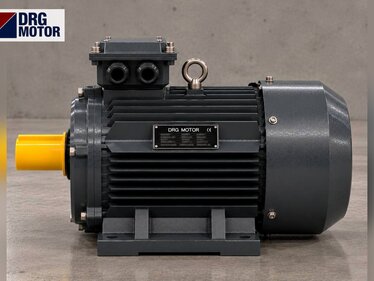
A 4 kW three-phase electric motor is roughly 5.5 HP and one of the most requested ratings in the mid-power class, running on Türkiye's 380–400 V three-phase grid. At DRG this ratin... More Details