 English
 Le français
 Türkçe

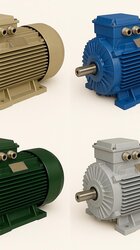
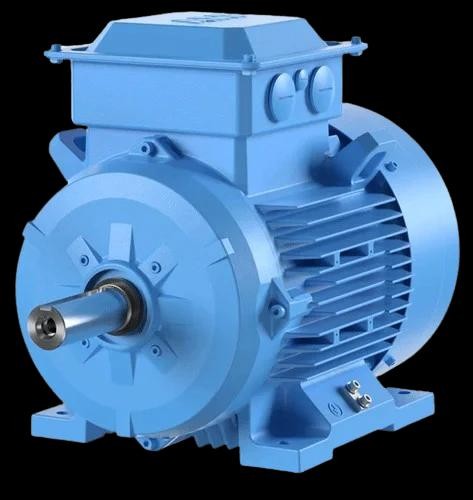

Paper and pulp production is a continuous, energy-intensive industry made up of many stages, from processing the raw material to winding the finished product. In these plants, refiners, mixers, pumps, drying cylinders and winders all work together, and they all draw their power from electric motors. Papermaking involves its own particular conditions: moisture, high power and uninterrupted operation. So how should an electric motor be selected for a paper and pulp plant?
At DRG Motor, this article looks at the criteria that determine motor selection in paper and pulp plants. You can read about the characteristics of industrial-grade motors in our article on industrial electric motors.
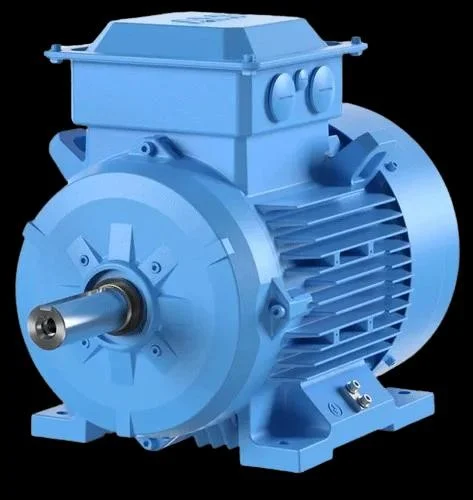
The Stages of Papermaking
Paper production consists of stages such as preparing the pulp, processing the stock, drying and winding. Each stage requires motors suited to its particular process. The motors directly affect both the continuity and the quality of production. For this reason, motor selection in a paper plant is critical.
The right motors keep paper production running without interruption. This is what determines the efficiency of the operation.
High Power Requirement
Paper and pulp plants require high power because of their large machines and continuous production. Refiners, pumps and drying systems run on high-power motors, and in some applications high-voltage motors are used. The right power level is the foundation of paper production.
You can find the available power options in our power (kW) and speed table. High power is a genuine necessity in a paper plant.
Continuous Operation
Paper plants run without interruption, never stopping production. The stoppage of a single motor affects the entire line and creates large costs. For this reason, the motors must be reliable and suited to continuous duty. Continuity is critical in paper production.
We discuss the duty rating in our article on nameplate information. Continuous operation is the standard in a paper plant.
Moisture and Wet Conditions
Paper production takes place in a humid environment because of the stock and water involved. The motors are exposed to splashing water and high humidity. For this reason, a high IP protection class is essential. The right protection shields the motor from moisture.
We explain protection class selection in our article on IP protection class selection. Water protection is critical in a paper plant.
Refiner and Mixer Motors
Refiners and mixers are used to prepare the pulp stock. These machines require high torque and sturdy motors. Homogeneous processing of the stock depends on the stable operation of the motor. The right motor delivers quality stock.
We cover high-torque applications in our article on mill and grinding motors. Refining is an important part of paper production.
Pump Systems
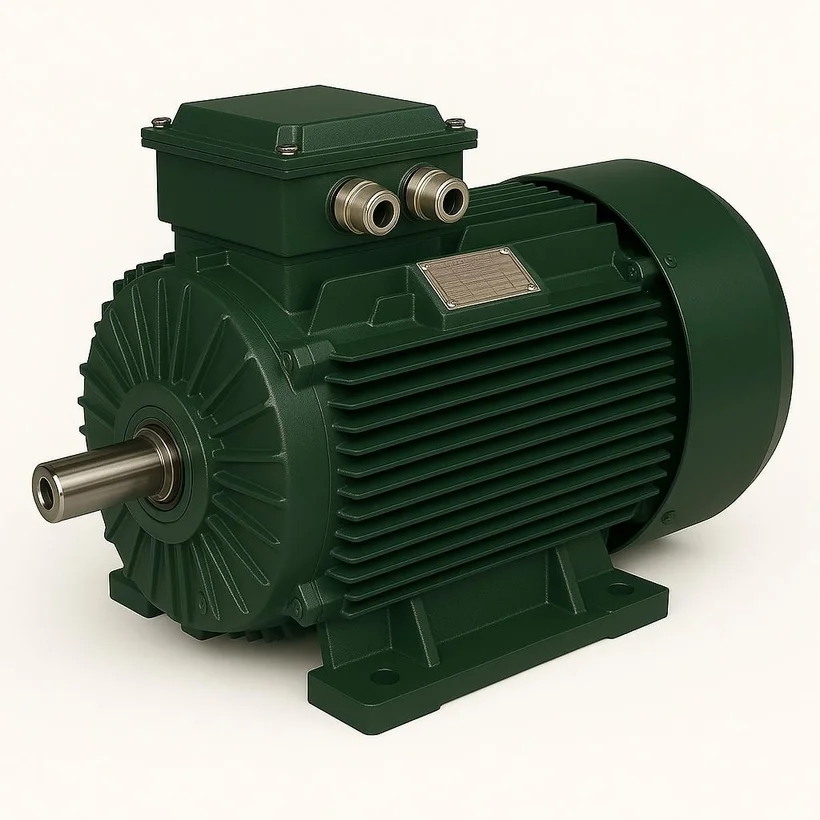
In paper production, stock and water are moved by pumps. The motors of these pumps must run continuously and reliably. The stoppage of a pump motor can disrupt production. The right pump motor ensures the continuity of flow throughout the process.
We explain pump motors in our article on water pump electric motor selection. Pumps are critical in paper production.
Drying Systems
Drying the paper is a stage that requires heat and continuous motion. The motors that turn the drying cylinders must run stably and reliably. The right motor delivers even, efficient drying, which means quality paper.
Drying directly affects paper quality. This calls for a stable, dependable motor.
Winding and Reeling
The paper produced is formed into rolls by winding and reeling machines. These machines require precise speed and tension control. Motors driven by frequency inverters provide this precision. The right motor ensures clean winding.
We explain the advantages of the inverter in our article on frequency inverters and energy saving. Precise control is important in winding.
Precise Speed and Tension
In paper production, the tension and speed of the paper must be controlled precisely. Speed fluctuations cause the paper to tear or be wound incorrectly. Stable, controllable motors provide this precision, which means a quality product.
Paper quality depends on the steady speed of the motor. This requires a precise, well-controlled drive.
Efficiency and Energy Cost
Paper plants are among the heaviest energy consumers in industry. For this reason, motor efficiency has a major impact on operating costs. High-efficiency motors deliver significant energy savings in paper production. Efficiency is strategic in a paper plant.
We discuss efficiency classes in our article on high-efficiency electric motors. Efficiency is genuinely valuable in a paper plant.
High-Voltage Motors
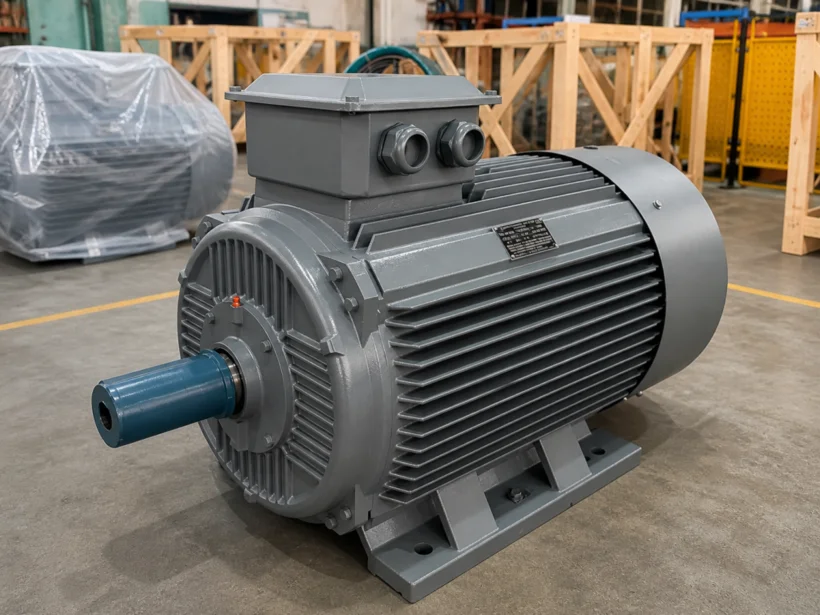
In large paper and pulp plants, high-voltage motors may be used for high-power pumps, fans and refiners. These motors deliver very high power efficiently. High voltage meets the demand for large power, which makes it a suitable solution for big plants.
High-power applications require specialized motor solutions. This makes correct selection all the more important.
Corrosion Resistance
The chemicals and moisture used in paper production can cause motors to corrode. For this reason, paper plant motors must be protected with corrosion-resistant materials and coatings. Corrosion protection extends the life of the motor, which means reliable operation.
Corrosion is a real threat to a motor in a paper plant. The right protection reduces that threat significantly.
Conveyor Systems
In paper plants, raw material and product are moved by conveyors. The motors of these conveyors must run continuously and reliably. The right conveyor motor ensures the uninterrupted flow of material, which supports production continuity.
We explain conveyor motors in our article on conveyor and belt motor selection. Conveyors are important in paper production.
Fans and Ventilation
In paper plants, powerful fans are used for drying and ventilation. These fan motors must withstand hot and humid air. The right fan motor determines the efficiency of drying and ventilation, which means quality production.
We explain fan motors in our article on fan and blower motor selection. Fans are important in a paper plant.
Heating and Cooling
Paper plant motors that run continuously at high load heat up. A motor with adequate cooling that runs cool will operate safely under these conditions. Overheating shortens the life of the motor. For this reason, heat management is important.
We explain temperature control in our article on electric motor temperature control. A cool-running motor means a long life in a paper plant.
Insulation Class
Paper plant motors must have a suitable insulation class because of moisture and continuous operation. A high insulation class allows the motor to run safely under demanding conditions. The right insulation extends the life of the motor, which means reliable operation.
We explain insulation class in our article on insulation class. The right insulation is important in a paper plant.
Overload Protection
In paper production, changes in stock consistency can overload the motor. Overload protection stops the motor in this situation and prevents it from burning out. This protection safeguards both the motor and production. Overload protection is mandatory in a paper plant.
We explain overload protection in our article on overload protection. Protection is critical in a paper plant.
Three-Phase and High Power
The high power requirement of paper plants is almost always met with three-phase or high-voltage motors. Three-phase motors produce high torque in a balanced way and run without vibration. This makes them the standard for paper production. Three phase is the power of the paper plant.
We explain the preference for three-phase in industry in our article on three-phase motors in industry. Three phase is indispensable in a paper plant.
Standby Motors and Continuity
In paper plants, the failure of a single motor stops production and creates large costs. For this reason, keeping spares for critical motors is essential. A standby motor allows production to resume quickly in the event of a failure. This means continuity.
Having spares ensures production security in a paper plant. It is what prevents unplanned downtime.
Bearings, Grease and Dust
The humid, continuous operating conditions of paper plants require regular and careful maintenance. Controlling moisture and corrosion, along with bearing care, is important. Regular maintenance allows the motor to run safely under demanding conditions, which means a long life.
We explain maintenance principles in our article on electric motor maintenance steps. Maintenance is important in a paper plant.
Energy Monitoring
In paper plants, energy monitoring is valuable both for saving energy and for detecting faults. In these heavy energy consumers, monitoring reveals inefficiencies. This delivers both savings and reliability. Monitoring is important in a paper plant.
We explain energy monitoring in our article on energy monitoring. Monitoring delivers savings in a paper plant.
Service Plan and Spares
In paper plants, predictive maintenance protects production continuity by catching faults in advance. Tracking vibration, temperature and current detects problems before they grow. This prevents unplanned downtime. Predictive maintenance is valuable in a paper plant.
We explain predictive maintenance in our article on predictive maintenance. Monitoring supports the continuity of paper production.
Control With a Frequency Inverter
In paper production, frequency inverters are used for speed and tension control. The inverter provides precise speed control and energy savings. This means both production quality and efficiency. The inverter is a valuable tool in a paper plant.
The inverter makes precise control possible in paper production. This means a quality product.
Vibration and Balanced Operation
Paper machines require precise operation, and vibration negatively affects paper quality. Motors with balanced rotors and quality bearings minimize vibration. This ensures even, quality production. Low vibration is important in a paper plant.
We explain vibration reduction in our article on noise and vibration reduction. Balance improves quality in paper production.
A Total Cost Perspective
In selecting a paper plant motor, energy and maintenance costs should be considered alongside the purchase price. An efficient, durable motor is the most economical over the long term. In a continuously running paper plant, the difference in efficiency means large savings. For this reason, a total cost perspective is important.
We discuss the factors that determine price in our article on the factors that determine price. Efficiency pays off in a paper plant.
Efficiency With Next-Generation Motors
Replacing the inefficient motors in older paper plants with next-generation efficient motors delivers large energy savings. Next-generation motors are both more efficient and more durable. This transition pays for itself quickly in energy-intensive plants. Modern motors provide an advantage in a paper plant.
We explain the advantages of next-generation motors in our article on next-generation electric motors. Next generation means efficiency in a paper plant.
Production Continuity
In a paper plant, the stoppage of a single motor affects the entire production line. For this reason, the reliability of the motors is critical. Quality, durable and correctly selected motors safeguard this continuity. A reliable motor is the foundation of the paper plant.
Production continuity means direct profit for paper plants. The right motor ensures that continuity.
A Paper Plant Motor From the Right Supplier
It is important to buy a paper plant motor from a reliable supplier who knows the needs of this sector. A reliable supplier recommends a motor suited to wet conditions and high power. This delivers both efficient production and continuity. The right supplier is important for a paper plant.
We explain choosing the right supplier in our article on electric motor dealer selection. A reliable source means the right motor.
The Benefit of the Right Choice
A correctly selected paper plant motor provides high power, moisture resistance, continuity and efficiency. These benefits allow production to run uninterrupted and efficiently. The wrong motor, on the other hand, means frequent faults and lost production. The right choice is the foundation of paper production.
The right motor determines both the efficiency and the continuity of the paper plant. This is the result of an informed choice.
The Right Choice With Expert Support
Selecting a paper and pulp plant motor requires moisture, power and continuity requirements to be considered together. Consulting an expert helps you identify the most suitable motor for your plant. The right support safeguards both performance and continuity. Expert assessment is the key to the right choice.
At DRG Motor, we provide technical support for motor selection in your paper and pulp plants. The right choice ensures uninterrupted, efficient production.
Stock Preparation Motors
Preparing the pulp stock requires intensive mixing and refining. The motors for these processes must withstand high torque and continuous operation. The right motor ensures the stock is prepared homogeneously and to high quality. This is the foundation of paper quality.
Stock preparation directly affects paper quality. This requires a powerful, stable motor.
Press Section Motors
In paper production, the press section removes water from the stock. The motors of this section require high power and stable operation. The right motor delivers effective water removal, which prepares the ground for efficient drying.
The press section is an important stage of paper production. This requires a reliable motor.
Calendering and Finishing
Smoothing the surface of the paper and its final processing are carried out by calender machines. The motors of these machines must run precisely and stably. The right motor delivers quality surface finishing, which determines the quality of the final product.
Finishing processes complete paper quality. This requires a precise motor.
Energy-Intensive Production
Paper production is an energy-intensive process, and motors use the largest share of that energy. For this reason, efficient motors deliver large energy savings in a paper plant. In these continuously running plants, savings accumulate throughout the year. Efficiency is of strategic importance in paper production.
We discuss the return on switching to efficient motors in our article on the payback period of efficient motors. Efficiency pays off in a paper plant.
Environmental Sustainability
The paper sector is increasingly concerned with sustainability goals. Efficient motors both lower energy costs and reduce the carbon footprint. This makes paper production more sustainable. An efficient motor contributes to environmental goals.
Using efficient motors supports sustainable paper production. This is an environmental gain as well as an economic one.
DRG Motor for Paper and Pulp Plants
At DRG Motor, we offer high-protection, durable and efficient motors suited to the high power, moisture and continuity needs of paper and pulp plants. Our goal is to keep your paper production running uninterrupted and efficiently. By assessing your application and operating conditions, we recommend the most suitable motor for you.
To choose the most suitable motor for your paper or pulp plant and to receive technical support, you can get in touch with DRG Motor and explore our range on the our products page, or visit our homepage. The right motor is the assurance of uninterrupted operation in your paper production.