 English
 Le français
 Türkçe

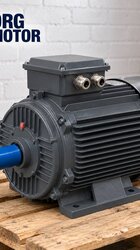
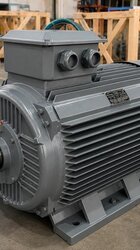
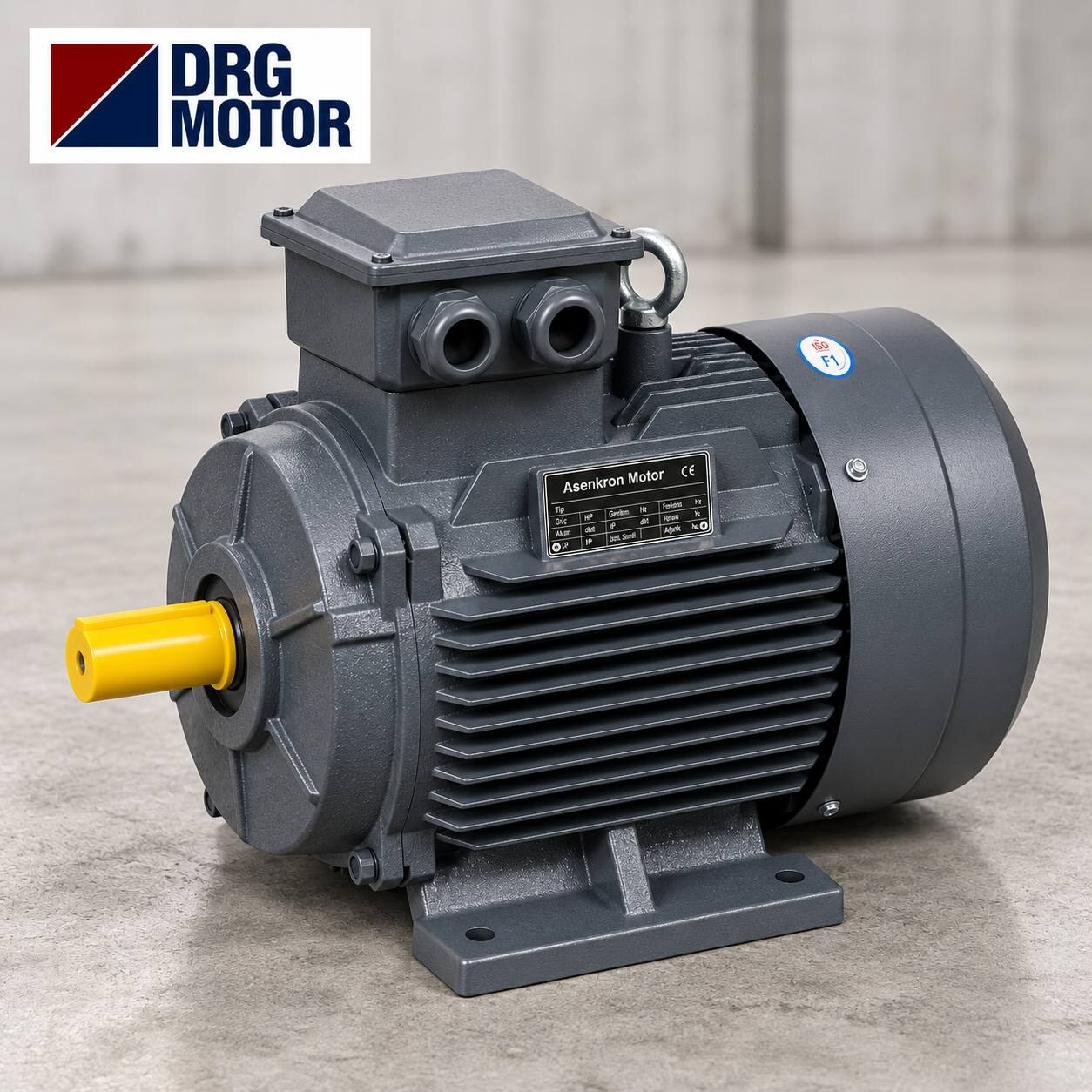

Water pumps are among the most widely used systems in industry, agriculture and buildings. At the heart of every pump is an electric motor that drives it. Choosing the right motor is critical for the pump to operate efficiently and reliably. The wrong motor causes energy waste, frequent breakdowns and interrupted water supply.
In this article we cover what to consider when selecting an electric motor for water pumps. You can learn the fundamentals in our what is an electric motor article. The right choice ensures continuous water supply.
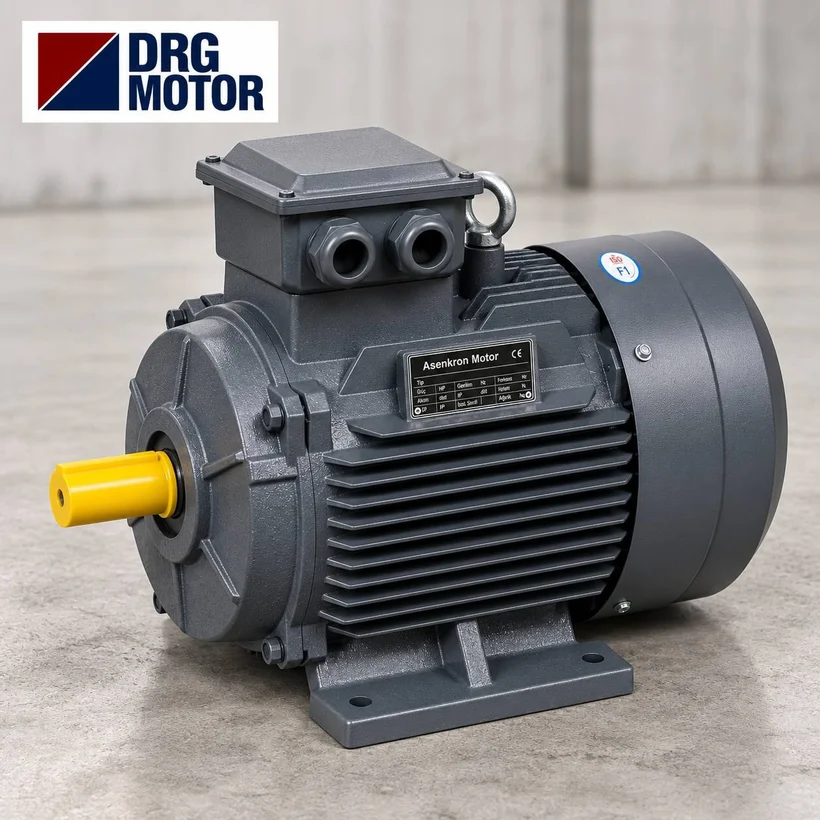
The Role of the Motor in a Pump
In a water pump, the electric motor provides the power that moves the liquid. The motor turns the impeller, and the impeller pushes the water. So the performance of the pump depends directly on the motor.
A reliable motor ensures uninterrupted water supply. This makes the motor the heart of the pump.
Power (kW) Selection
The motor power must match the flow rate and head the pump needs to deliver. An undersized motor cannot meet the demand and overheats. An oversized motor wastes energy.
Correct power calculation is the foundation of efficient pumping. This means a balanced choice.
Speed (RPM) Importance
Pump performance is closely tied to motor speed. Different applications require different speeds. Choosing the right speed ensures the pump delivers the desired flow and head.
We explain the speed relationship in our pole count and speed article. Speed shapes pump performance.
Starting Torque
A pump motor must produce enough torque to overcome the load at start-up. Insufficient starting torque means the pump struggles to start. Correct torque ensures a smooth start.
We cover torque in our starting torque article. Torque is decisive at start-up.
Continuous Operation
Many pumps run continuously, day and night. The motor must be suitable for this continuous-duty (S1) regime. A motor built for continuous operation works reliably for years.
Continuous duty requires a durable motor. This means a reliable system.
Efficiency Class and Running Cost
Because pumps run for long hours, motor efficiency directly affects the energy bill. IE3 and IE4 class motors save significant energy in continuous operation. The efficiency class shapes long-term cost.
We explain efficiency in our high-efficiency motor article. Efficiency matters in pumping.
IP Protection Class
Pump motors often work in damp environments. The motor must be selected with a suitable IP protection class against water and moisture. The right IP rating extends motor life.
We cover this in our IP protection class article. IP rating is critical near water.
Cooling and Heating
A continuously running pump motor heats up. Proper cooling keeps the motor at a safe temperature. Good thermal management protects the windings.
We explain this in our temperature control article. Cooling affects motor life.
Frequency Inverter Use
In modern pump systems the motor is controlled by a frequency inverter. The inverter adjusts speed to demand, saving energy. This provides both efficiency and process control.
We cover this in our frequency inverter and energy saving article. The inverter is common in pumps.
Soft Starting
Starting a pump abruptly creates water hammer and mechanical stress. Soft starting lets the pump start gradually. This protects both the motor and the piping.
We explain this in our soft starting article. Soft start protects the system.
Three-Phase or Single-Phase
High-power pumps generally use three-phase motors, while small pumps may use single-phase. Three-phase supply provides higher power and efficiency. The choice depends on the application.
We cover three-phase motors in our three-phase motor in industry article. The supply type is chosen by need.
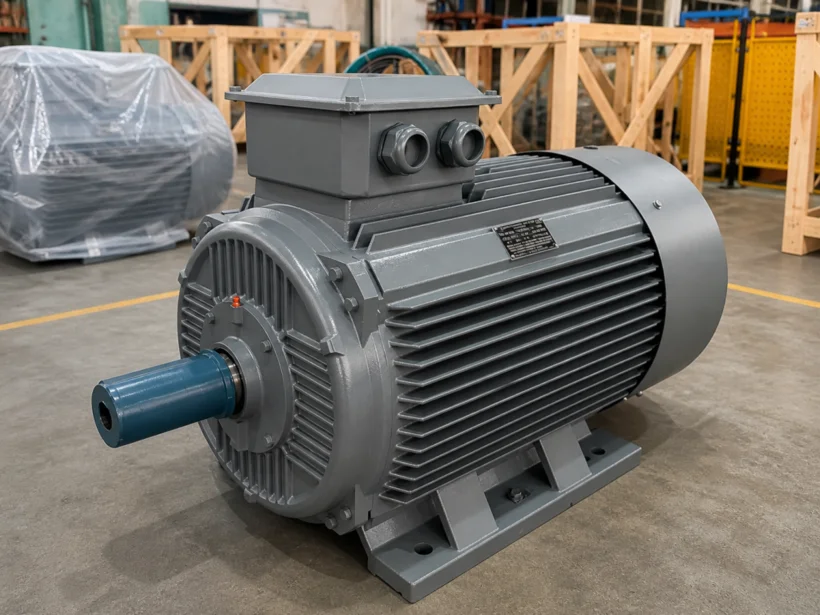
Submersible Pump Motors
Deep-well and submersible pumps use special underwater motors. These motors are sealed against water and designed for submerged operation. Their selection requires special attention.
We explain these in our submersible motor article. Submersible motors are special.
Overload Protection
A pump motor must be protected against overload. A thermal relay and phase protection guard the motor against stress and burning. Correct protection extends motor life.
We cover this in our overload protection article. Protection is essential in pumps.
Dry-Run Protection
A pump running without water can overheat and damage both the pump and the motor. Dry-run protection stops the motor when there is no water. This prevents serious damage.
Dry-run protection is an important safeguard in pump systems. This means safe operation.
Cavitation Awareness
Cavitation occurs when vapor bubbles form and collapse inside the pump, damaging it. Correct system design and the right motor speed reduce cavitation risk. This protects the pump.
Avoiding cavitation extends pump and motor life. This means reliable operation.
Sealing and Bearings
Pump motors require good sealing and quality bearings against moisture. Proper lubrication and sealing keep water out of the motor. Healthy bearings ensure smooth running.
We cover this in our extending bearing life article. Bearings are critical in pumps.
Vibration Management
An unbalanced pump or motor produces vibration. Vibration stresses bearings and shortens motor life. Correct mounting and balancing reduce vibration.
We explain this in our noise and vibration reduction article. Vibration must be managed.
Shaft Alignment
The motor shaft must be properly aligned with the pump shaft. Misalignment causes vibration and premature wear. Correct alignment ensures long-lasting operation.
We cover this in our shaft and coupling alignment article. Alignment is critical in pumps.
Service Plan and Spares
Pump motors need regular maintenance. Checking bearings, seals and connections ensures healthy operation. Regular maintenance prevents unexpected breakdowns.
We explain maintenance in our maintenance steps article. Maintenance protects water supply.
Energy Monitoring
Monitoring the energy consumption of pump motors reveals efficiency problems early. Monitoring helps optimize both the motor and the pump. This reduces costs.
We cover this in our energy monitoring article. Monitoring saves energy.
Pump Type and Motor
Centrifugal, submersible and positive-displacement pumps each have different motor needs. The motor must match the pump type. Correct pairing ensures efficient operation.
Matching motor and pump type is the basis of a good system. This means efficient pumping.
Water Quality Effect
The quality of the water being pumped affects the system. Dirty or abrasive water increases load and wear. The motor and pump must be selected accordingly.
Water quality is a factor in pump motor selection. This means a careful choice.
Ambient Conditions
The ambient temperature and altitude where the pump operates affect motor selection. Hot or high-altitude environments require derating. The right motor performs reliably in any condition.
We explain this in our ambient temperature and altitude article. Conditions shape selection.
Grounding and Safety
Pump motors, especially near water, must be properly grounded. Grounding prevents leakage-current hazards and protects people. Correct grounding means a safe system.
We cover this in our grounding importance article. Grounding is essential near water.
Noise Level
A quality pump motor runs with low noise. Excessive noise may indicate a problem or imbalance. A quiet motor is a sign of quality.
Low noise improves the working environment. This means comfortable operation.
Durability and Quality
In demanding pumping applications, a quality motor delivers long-term value. A durable, efficient motor means both energy saving and continuity. This benefits the operation.
A quality motor makes the difference in pumping. This means a sound investment.
Water, cooling and process fluid pumping duty
Pumps are used intensively in industrial plants for water, cooling and process fluids. In these applications the motor must be reliable and efficient. A durable motor meets industrial demands.
We cover industrial motors in our industrial electric motors article. Pumps are vital in industry.
Choosing the Right Pump Motor
To choose the right pump motor, power, speed, torque, protection class and environment are evaluated. This analysis reveals the most suitable motor. The right choice ensures an efficient system.
Needs analysis is the foundation of a good choice. This means a sound investment.
Centrifugal Pump Motors
Centrifugal pumps are the most common pump type in industry and buildings. Their motors must deliver steady speed and reliable torque to keep the impeller turning. Because these pumps often run continuously, the motor's efficiency and durability directly shape the operating cost.
A well-matched motor lets a centrifugal pump deliver its rated flow without strain. This means both efficiency and a long service life.
Booster pumps and the repeated-start problem
Booster pumps raise water pressure in buildings and networks, often starting and stopping frequently. The motor must tolerate these repeated starts without overheating. A motor chosen for this duty keeps pressure stable and reliable.
Frequent starts make duty rating important in booster pumps. This means a careful motor choice.
Irrigation and Agriculture
In agricultural irrigation, pump motors often run for long hours in dusty, hot conditions. The motor must be durable and well protected against the environment. A sturdy motor keeps irrigation reliable through the season.
Agricultural pumping demands a tough, efficient motor. This means uninterrupted irrigation.
Pressure and Flow Balance
Every pump has a balance between pressure (head) and flow rate. The motor must be sized to support this balance at the operating point. Correct sizing keeps the pump running in its efficient range.
Balancing pressure and flow is the key to efficient pumping. This means lower energy use.
Motor Insulation Class
Continuously running pump motors heat up, so the insulation class matters. An F or H class insulation lets the windings withstand higher temperatures. Correct insulation protects the motor from thermal damage.
We explain this in our insulation class article. Insulation guards the windings.
Energy Cost Over Time
Over its life, a pump motor consumes electricity worth many times its purchase price. This is why efficiency, not just initial cost, should drive the decision. A high-efficiency motor pays back its extra cost through energy savings.
We cover this in our payback period article. Energy cost dominates over time.
Avoiding Oversizing
Choosing a motor much larger than needed wastes energy and money. An oversized motor runs at a low load factor and poor power factor. Right-sizing the motor keeps the system efficient.
Correct sizing avoids wasted energy and capital. This means a smarter investment.
Power Factor in Pumps
A pump motor running far below its rated load has a poor power factor. Low power factor increases reactive power and can raise costs. Correct sizing and, where needed, correction keep the power factor healthy.
We explain this in our power factor article. Power factor affects pump cost.
Phase Loss Protection
A three-phase pump motor must be protected against phase loss. Losing one phase causes overheating and can burn the windings. A phase-protection relay prevents this danger.
We cover this in our phase loss article. Phase protection is vital in pumps.
Fan and Pump Similarities
Fans and pumps share similar load characteristics, both following the affinity laws. Reducing speed sharply reduces power, so inverter control saves energy in both. This is why pump and fan motors are often selected with the same logic.
We cover fans in our fan and blower motor article. Pumps and fans follow similar rules.
Long-Term Reliability
A pump that supplies critical water cannot afford unexpected stops. A reliable motor minimizes unplanned downtime and protects the process. This makes motor quality a direct contributor to continuity.
Reliability is a top priority in pump motor selection. This means a quality motor.
Maintenance Intervals and Motor Life
Monitoring vibration and temperature on pump motors detects faults before they grow. This predictive approach prevents sudden failures and water-supply interruptions. Early detection saves both repair cost and downtime.
We explain this in our predictive maintenance article. Early detection is valuable in pumps.
DRG Motor for Pump Solutions
Choosing a durable, high-efficiency motor for your pump systems is important for continuity and energy saving. As DRG Motor, we offer motor solutions suitable for every pumping application. You can review our electric motor products to find the right solution.
For the right motor selection, you can visit our homepage and get support from our technical team. Replacement pump motors are kept on the shelf.