 English
 Le français
 Türkçe

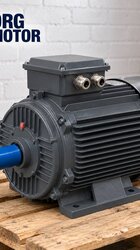
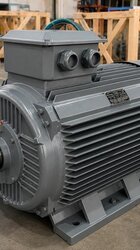
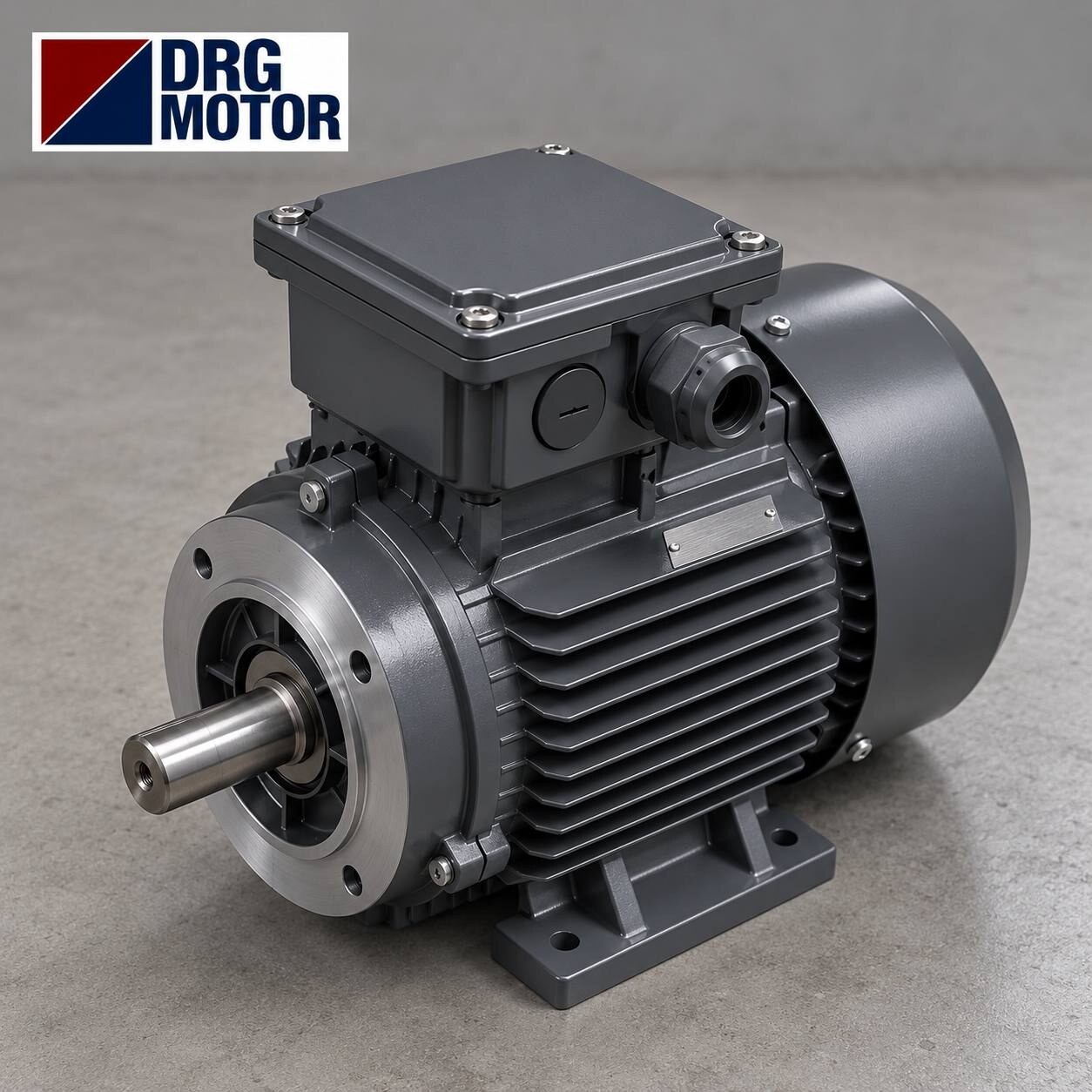

Wherever an electric motor is going to operate, it must be protected against the dust, moisture and water of that environment. The level of this protection is defined by the IP protection class. Shown on the motor nameplate with codes such as IP55 or IP65, this class expresses how well the motor is protected against solid objects and water. Choosing the wrong IP class leads to premature failure of the motor. So which IP protection class should an electric motor be selected in?
At DRG Motor, this article examines what the IP protection class is and how to choose the right one. You can find the other values on the motor nameplate in our article on nameplate details.
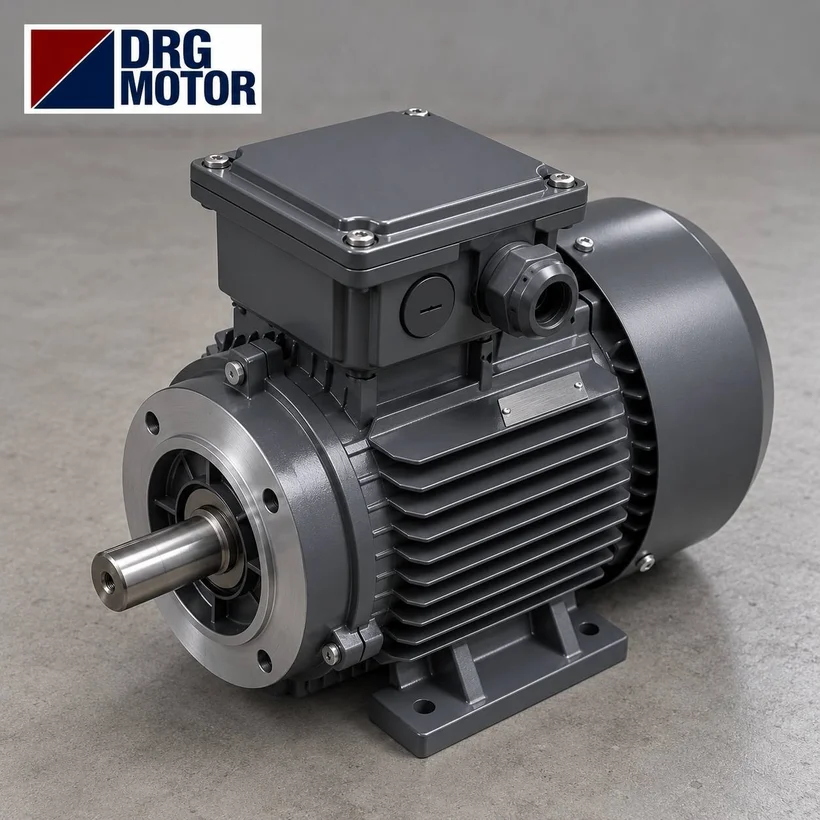
What Is the IP Protection Class?
IP stands for "Ingress Protection" and indicates the motor's level of protection against external factors. The two digits that follow the IP code define the protection. This class states how resistant the motor is to dust and water. The IP class is the measure of the motor's environmental protection.
The right IP class ensures the motor is safe in the environment in which it operates. That directly affects motor life.
The Meaning of the First Digit
The first digit in the IP code indicates the motor's protection against solid objects and dust. This digit ranges from 0 to 6; 6 means complete dust protection. In dusty environments, a high first digit is needed. This digit determines whether dust can enter the motor.
In dusty industrial environments, a high first digit is important. That protects the motor from dust damage.
The Meaning of the Second Digit
The second digit in the IP code indicates the motor's protection against water. This digit ranges from 0 to 8; the higher it is, the greater the water protection. In environments with water spray or washing, a high second digit is needed. This digit determines the motor's resistance to moisture and water.
In damp and wet environments, a high second digit is important. That protects the motor from water damage.
IP55 - Common Industrial Protection
IP55 is one of the most widely used protection classes in industry. It provides a certain level of dust protection and resistance to water spray. IP55 is sufficient for most standard industrial applications. This class offers good protection under general conditions.
IP55 is suitable for normally dusty and damp environments. That makes it a standard choice.
IP65 and IP66 - High Protection
IP65 and IP66 are classes that provide higher protection. They offer complete dust protection and resistance to high-pressure water. These classes are preferred in frequently washed, very dusty or demanding environments. High protection shields the motor even under the harshest conditions.
Food plants and outdoor applications frequently require these classes. That demonstrates the importance of high protection.
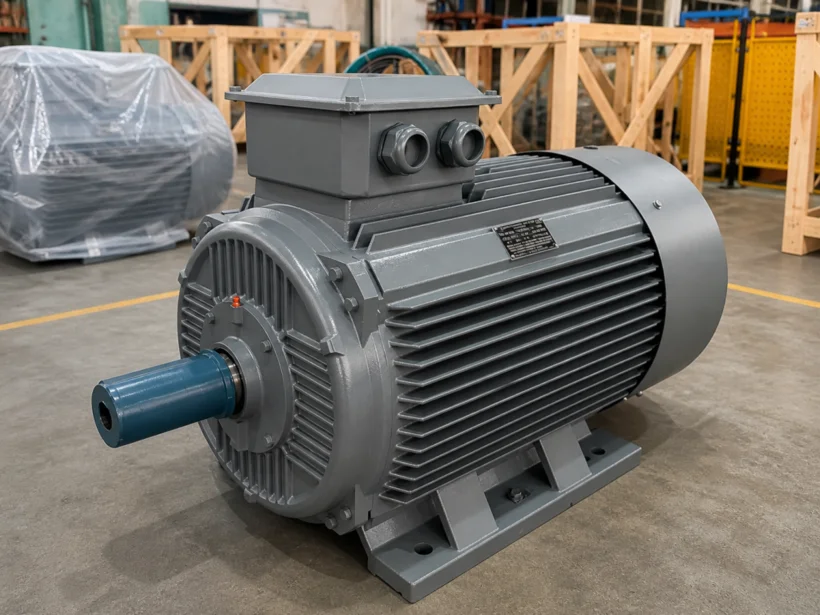
Selection According to the Environment
The IP protection class is selected according to the risk level of the environment in which the motor will operate. A clean, dry environment can make do with a low IP class, while a dusty, damp environment requires a high class. The right class is determined according to the conditions of the environment. That ensures the motor runs safely.
Assessing the environment correctly is the foundation of selecting the right IP class. That means long service life.
Dusty Environments
In dusty environments such as cement, mining, woodworking and flour plants, high dust protection is essential. Dust that enters the motor obstructs its cooling and damages the windings. For this reason, an IP class with a high first digit is selected in dusty environments. The right protection shields the motor from dust.
We explain the effect of dusty environments on the motor in our article on motor challenges in heavy industry. Dust protection is critical.
Damp and Wet Environments
In damp environments such as water pumps, food plants and washing lines, high water protection is needed. Moisture and water damage the motor's windings and metal parts. For this reason, an IP class with a high second digit is selected in these environments. The right protection shields the motor from moisture.
We cover pump motor selection in our article on water pump electric motor selection. Water protection is essential in damp environments.
Does the motor stand outdoors in rain, dust and temperature swings?
Motors operating outdoors are exposed to rain, dust and temperature changes. In these applications, a high IP protection class is required. Outdoor conditions stress the motor from every angle. The right protection ensures the motor withstands the elements.
Outdoor applications require both dust and water protection. That means a high IP class.
The Consequences of the Wrong IP Class
Selecting an IP class insufficient for the environment lets dust or water enter the motor. That means failure and performance loss in a short time. The wrong IP class causes the motor to break down prematurely. For this reason, the right class selection is critical.
Insufficient protection often results in costly failures. The right class prevents these problems.
An Unnecessarily High IP Class
Selecting an unnecessarily high IP class also means needless cost. Choosing very high protection for a clean, dry environment creates extra cost. For this reason, the IP class must be selected to suit the need exactly. The right balance delivers both protection and economy.
We address the effect of the IP class on price in our article on the factors that determine price. A class suited to the need prevents unnecessary cost.
IP Class and Cooling
High IP protection protects the inside of the motor but can also affect its cooling. In fully enclosed motors, cooling is provided through the housing surface. For this reason, cooling design matters in highly protected motors. The right design provides both protection and cooling.
We explain heat control in our article on electric motor temperature control. Protection and cooling are assessed together.
Maintenance Intervals and Motor Life
A motor with high IP protection reduces the maintenance need by preventing dust and moisture from entering. A protected motor stays cleaner and fails less often. That lowers maintenance costs. The right protection also makes maintenance easier.
We describe the fundamentals in our article on electric motor maintenance steps. Good protection reduces the maintenance burden.
IP Class and Motor Life
The right IP protection class protects the motor from environmental factors and extends its life. A motor protected from dust and moisture runs trouble-free for longer. For this reason, the IP class is an important determinant of motor life. The right protection means long service life.
A well-protected motor serves for years even in a demanding environment. That is the result of an informed choice.
IP and IK Classes
Alongside the IP protection class, protection against impact (IK) is also important in some applications. In environments where there is a risk of mechanical impact, the IK class is assessed as well. Together, these two classes determine the motor's environmental and mechanical protection. The right protection provides safety from every angle.
Environmental and mechanical protection together ensure the holistic durability of the motor. That matters in demanding environments.
A Summary of Choosing the Right IP Class
Clean environments require a low class, dusty and damp environments a medium class, and very demanding environments a high IP class. The right choice begins with assessing the conditions of the environment correctly. This choice ensures the motor runs safely and for a long time. The right IP class is the foundation of a successful application.
Knowing the environment correctly is the key to selecting the right IP class. That protects the motor.
IP Class and Housing Construction
A high IP protection class requires a solid, sealed housing construction. A cast-iron housing provides both durability and good sealing. For this reason, a quality housing matters in highly protected motors. A solid housing is the foundation of protection.
We explain the advantages of a cast-iron housing in our article on the cast-iron electric motor. A solid housing supports high protection.
Seals and Sealing
In achieving IP protection, seals and sealing elements play a critical role. These elements prevent dust and moisture from entering the motor. Seals that wear over time can weaken the protection. For this reason, the integrity of the seals must be checked regularly.
Sound seals ensure the continuity of the IP protection. That protects the motor for a long time.
Terminal Box Protection
The terminal box, where the motor's electrical connections are made, must also have suitable IP protection. Dust or moisture entering this box causes problems in the connections. A protected terminal box keeps the connections safe. That ensures the motor runs safely.
Terminal box protection is part of the motor's holistic protection. That supports electrical safety.
Washdown Resistance
In frequently washed environments, the motor must withstand pressurized water. In these applications, an IP class with a high second digit is essential. A washdown-resistant motor is not damaged during the hygiene process. That protects both the motor and hygiene.
We explain food-plant motor selection in our article on food-plant motor selection. Washdown resistance means a high IP.
IP Class and Mounting Position
The motor's mounting position affects the dust and water to which it is exposed. A position near the floor or open to water spray requires higher protection. The mounting position is taken into account in IP-class selection. The right assessment protects the motor.
We cover the mounting types in our article on mounting type selection. Position affects the protection need.
Industrial Standards
The IP protection class is defined according to international IEC standards. These standards clearly set the protection levels and allow comparison. A standards-compliant IP class means reliable protection. That supports an informed choice.
Standards compliance documents the reliability of the protection level. That ensures the right motor selection.
IP Class and Efficiency
The right IP protection keeps the motor clean and healthy and supports efficient operation. Because dust build-up obstructs cooling, a protected motor runs cooler and more efficiently. For this reason, the IP class indirectly affects efficiency too. Good protection preserves efficiency.
We cover the efficiency classes in our article on high-efficiency electric motors. A clean motor runs efficiently.
Protection in Explosive Atmospheres
In explosive atmospheres, an explosion-proof feature is required alongside high IP protection. In these environments, there is dust, water and an explosion risk. For this reason, protection must be multi-layered. The right protection ensures safety.
We explain motors for explosive atmospheres in our article on the explosion-proof electric motor. High protection and an explosion-proof design are required together.
IP Class and Climate Conditions
Hot, humid or tropical climate conditions make protecting the motor harder. In these conditions, a high IP protection class is preferred. Climate conditions directly affect the protection need. The right protection provides safety in every climate.
Harsh climate conditions require high protection. That ensures the motor runs safely in every environment.
Protection and Production Continuity
A motor with the right IP protection is shielded from environmental factors and so suffers fewer unexpected failures. That supports production continuity. An unprotected motor can stop suddenly due to dust or moisture. The right protection ensures production continues without interruption.
A protected motor improves the reliability of the production line. That is a direct gain for the business.
Common Mistakes in IP-Class Selection
The most common mistake is selecting an IP class without correctly assessing the conditions of the environment. Placing a low-protection motor in a dusty environment means rapid failure. For this reason, environmental analysis is the foundation of the right choice. The right analysis prevents these mistakes.
Knowing the environment correctly eliminates mistakes in IP-class selection. That means an informed decision.
IP Class and Spare Motors
When selecting a spare motor, an IP protection class identical or suitable to the old motor must be chosen. A spare motor with the wrong protection fails quickly in the environment. For this reason, the IP class is also taken into account when stocking spares. The right spare ensures continuity.
A spare motor of the suitable IP class allows quick, safe replacement. That supports production safety.
Protection and a Quality Motor
High IP protection shows its full effect when combined with quality manufacturing and a solid housing. A quality motor maintains the protection reliably for a long time. In cheap motors, the protection can weaken over time. For this reason, quality matters as much as protection.
A quality, protected motor runs for years in a demanding environment. That means a reliable choice.
Environmental Analysis for the Right Protection
The right IP-class selection begins with a comprehensive analysis of the environment in which the motor will operate. Dust, moisture, water, temperature and other factors are assessed. This analysis determines the protection class that suits the need exactly. The right analysis is the foundation of the right protection.
A comprehensive environmental analysis prevents both insufficient and unnecessarily high protection. That ensures an optimal choice.
The Total Value of the IP Class
The right IP protection class extends motor life, reduces failures, makes maintenance easier and supports production continuity. These benefits make the right IP class important in every motor selection. The right protection delivers a holistic gain. That is an informed decision.
Selecting the IP class correctly is the foundation of the motor's environmental safety. That means long service life.
The Right Protection with Expert Support
IP-class selection requires the correct assessment of the environmental conditions. Consulting an expert allows you to identify the most suitable protection class for your application. The right support delivers both protection and economy. An expert assessment is the key to the right choice.
At DRG Motor, we provide technical support in choosing the right IP protection class. The right choice ensures a motor safe against environmental factors.
DRG Motor for the Right Protection
At DRG Motor, we offer durable, reliable motors in an IP protection class suited to your working environment. Our aim is to ensure your motor is protected against factors such as dust, moisture and water and runs for a long time. By assessing the conditions of your environment, we recommend the most suitable protection class.
To select a motor with the most suitable IP protection class for your environment and receive technical support, you can contact DRG Motor and review our range on our products page, or explore our other guides from our homepage. The right IP protection class is your motor's most important safeguard against environmental factors.