 English
 Le français
 Türkçe

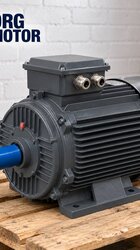
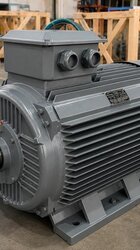
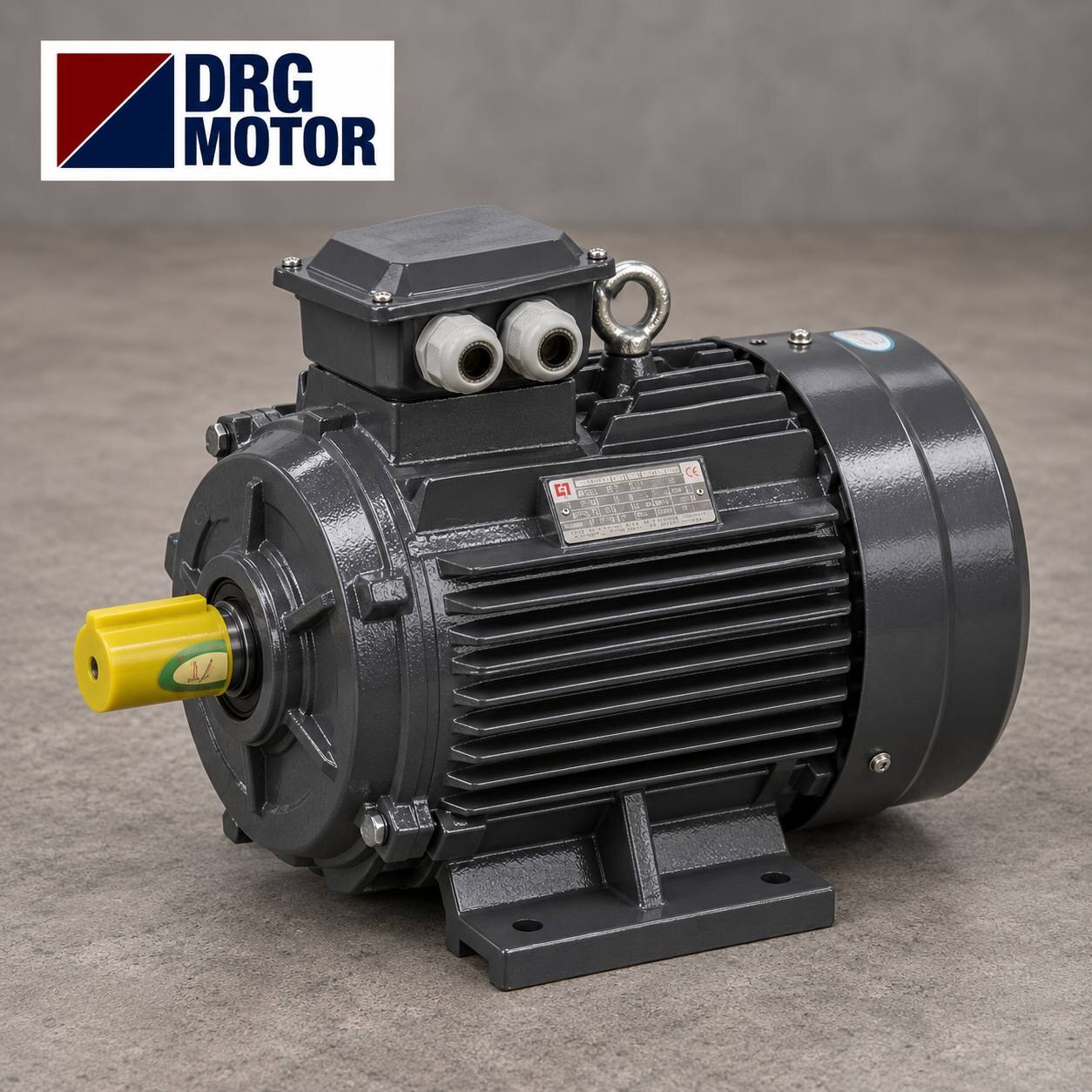

One of the most frequent threats an electric motor faces is overload. When a motor runs above its capacity, it draws excessive current, heats up and over time can burn out. Overload is among the leading causes of motor faults and burnouts. Protecting the motor against overload is therefore critical for both the motor's life and production safety. So what are the methods to protect an electric motor against overload?
At DRG Motor, in this article we examine the effect of overload on the motor and the protection methods. You can find the basic operating logic of a motor in our article on what an electric motor is.
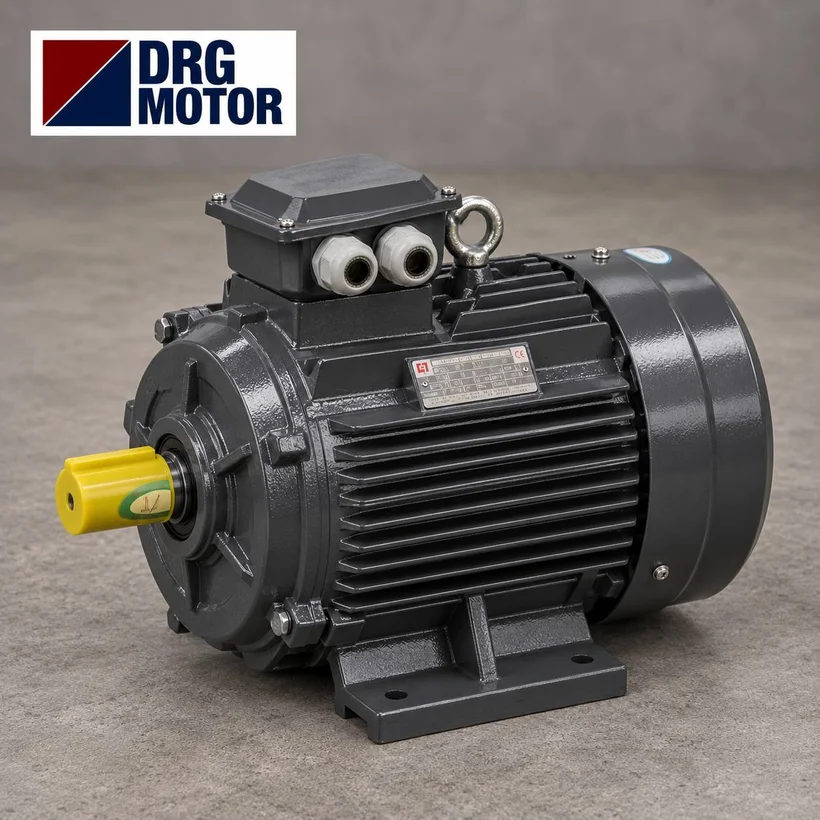
What Is Overload?
Overload is the situation in which the motor is run above the rated values stated on its nameplate. When the motor tries to turn more load than it can carry, it is strained and draws excessive current. This situation overheats the motor's windings. Overload is one of the most common causes of motor strain.
A motor running continuously under overload consumes its life quickly. Overload must therefore be prevented or controlled.
The Effect of Overload on the Motor
Overload leads to excessive current and overheating in the motor. This heating wears the winding insulation and over time causes a short circuit or burnout. The bearings and other mechanical parts are also affected by this strain. Overload negatively affects all the motor's components.
The result of these effects is often a costly failure or motor replacement. Protection is therefore essential.
Causes of Overload
Overload can arise from causes such as mechanical blockage, wrong power selection, a sudden load increase or the straining of connected equipment. For example, when a large piece enters a crusher or a pump becomes blocked, the motor is overloaded. Knowing these causes lets you set up protection correctly.
Understanding the source of overload is important for both protection and prevention. The right diagnosis is the foundation of the right solution.
Thermal Protection
The most common method of protection against overload is thermal protection. A thermal relay detects the excessive current the motor draws and breaks the circuit as a bimetal element heats and bends. In this way the motor is stopped before it overheats. Thermal protection is a simple and effective method.
A correctly set thermal relay protects the motor safely against overload, greatly reducing the risk of burnout.
Motor Protection Circuit Breaker
The motor protection circuit breaker protects the motor against overload, short circuit and phase failure. It combines thermal and magnetic tripping mechanisms. In this way it detects both prolonged overloads and sudden short circuits. The motor protection circuit breaker provides comprehensive protection.
This breaker is also used to switch the motor in and out. It is a versatile protection and control element.
Temperature Protection With a Thermistor
Thermistors are temperature-sensitive elements placed in the motor's windings. When the winding temperature exceeds a certain threshold, the thermistor's resistance rises sharply and stops the motor. This method provides protection by monitoring temperature directly. The thermistor offers precise temperature protection.
Temperature-based protection directly detects the heating caused by overload, which protects the motor effectively.
Overcurrent Protection
Overcurrent protection monitors the current the motor draws and breaks the circuit when a certain value is exceeded. Overload shows itself directly as a current rise. Current monitoring is therefore an effective way to detect overload. Overcurrent protection stops the motor in time.
Current-based protection catches the earliest sign of overload, which means fast intervention.
Phase Protection Relay
In three-phase motors, the loss of one phase leads to the overloading of the other phases. The phase protection relay detects phase loss or imbalance and stops the motor. This prevents phase-related overloading. Phase protection is an important safeguard for three-phase motors.
Phase imbalance is a common and dangerous cause of overload. The phase relay eliminates this risk. We discuss the danger of phase loss further as part of motor protection.
Prevention Through Correct Power Selection
The most basic way to prevent overload is to select the motor at the power suited to the application. A motor smaller than needed runs continuously under overload. A motor of the correct power, on the other hand, runs within its rated values without strain. Correct power selection prevents overload from the start.
You can find the power options in our power (kW) and speed table. The right power is the first step of protection.
Protection With a Frequency Inverter
A frequency inverter continuously monitors the current the motor draws and can protect the motor in an overload situation. It also provides a soft start, reducing the strain at the moment of starting. The inverter serves both control and protection functions. In modern systems, the inverter contributes to protection.
We explain the inverter's functions in our article on the frequency inverter and energy saving. The inverter also supports protection.
Thermal Delay Time
In overload protection, the thermal delay time gives the motor time to cool. It prevents the motor from being restarted immediately after an overload. In this way an overheated motor is not damaged permanently by being restarted. The delay time protects the motor from further damage.
This feature ensures the motor cools safely, which contributes to a long life.
Recognising the Signs of Overload
The signs of overload include overheating of the motor, abnormal current draw, slowing, frequent thermal trips and a burning smell. Recognising these signs lets overload be noticed early. Overload caught early prevents major failures. These signs are warnings that should be taken into account.
When these signs appear, the motor's load and operating conditions should be checked. Timely intervention protects the motor.
Eliminating Mechanical Causes
Overload sometimes stems from a mechanical problem; a blockage, jam or worn part can strain the motor. In this case, electrical protection alone is not enough; the mechanical problem must also be eliminated. The mechanical causes of overload must be addressed at the root. This provides lasting protection.
Mechanical and electrical protection together offer a comprehensive safeguard, addressing overload from every angle.
Correct Setting of Protection Elements
Protection elements must be set correctly according to the motor's rated current. Too high a setting causes the protection to engage late; too low a setting leads to needless stoppages. The correct setting protects the motor while also preventing unnecessary interruptions. This balance is the key to effective protection.
Correctly set protection keeps the motor safe while preserving production continuity, which is an optimal solution.
Overload and Motor Life
A motor well protected against overload lives much longer. Each overload event wears the motor's insulation and components a little more. Protection prevents this wear and extends the motor's life. Protection is therefore also a life investment.
A well-protected motor serves trouble-free for years, which is a gain in terms of both cost and continuity.
Protection and Production Continuity
Overload protection, by saving the motor from burning out, also preserves production continuity. A burnt-out motor means a long stoppage and a costly replacement. Protection prevents these major failures and keeps production from being disrupted. Protection is therefore part of production safety.
A protected motor minimises unexpected stoppages, which is a direct gain for the business.
A Protected Solution From the Right Supplier
When protecting a motor against overload, choosing the right motor and the right protection elements is important. A reliable supplier recommends the motor and protection solutions suited to your application. This lets you keep your motor safe. The right supplier means a protected solution.
We explain the criteria for choosing the right supplier in our article on choosing an electric motor dealer. The right support protects the motor.
Control With a Contactor
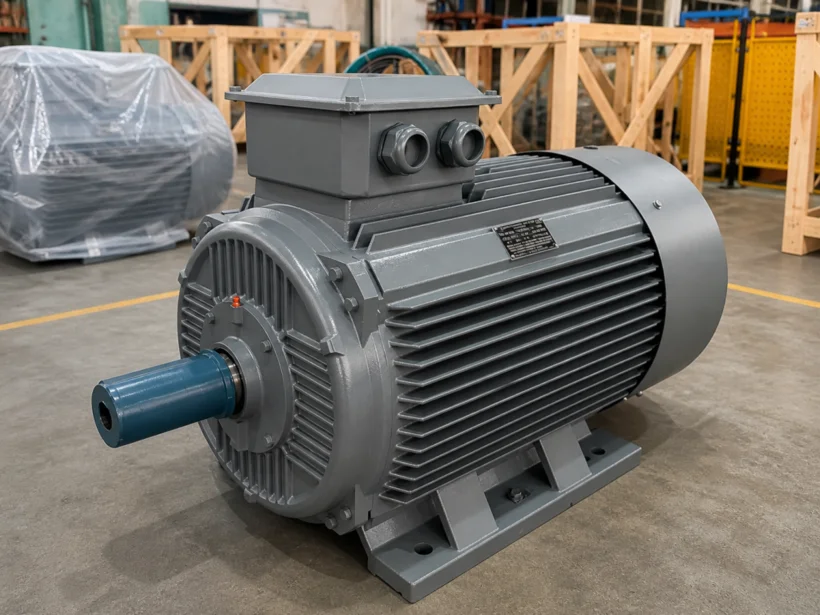
A contactor is a switching element that allows the motor to be switched in and out remotely and safely. Working together with protection relays, it ensures the motor is disconnected in an overload situation. The contactor is an important part of the protection system. This element offers safe switching.
A contactor and a protection relay together form a complete control and protection system, allowing the motor to be managed safely.
Overload and the Moment of Starting
Motors draw more current at the moment of starting than in normal operation; this is brief and normal. The protection system must not confuse this temporary starting current with overload. Correctly set protection does not engage needlessly during starting. This distinction is part of effective protection.
A soft starter eases this problem by reducing the starting current. We cover this in our article on the advantages of soft starting.
The Role of Cooling in Protection
A good cooling system supports the protection system by delaying the motor's overheating. A motor with inadequate cooling can overheat even under normal load. Cooling is therefore an indirect form of overload protection. Clean, effective cooling protects the motor.
We explain cooling and temperature control in our article on electric motor temperature control. Good cooling supports protection.
Voltage Problems and Overload
Low or unbalanced voltage causes the motor to draw more current and leads to a kind of overloading. Voltage quality is therefore closely related to overload protection. Voltage protection relays prevent these problems at the source. Stable voltage also reduces overload.
Voltage problems are a common and hidden cause of overload. Correct protection covers this risk too.
Monitoring Systems
Modern monitoring systems continuously track the motor's current, temperature and vibration. These systems detect overload early and issue a warning or stop the motor. Continuous monitoring provides proactive protection against overload. This is an effective way to prevent failures.
Monitoring-based protection catches problems before they grow, which protects both the motor and production.
Overload Records
Recording overload events lets recurring problems be identified. A motor that frequently experiences overload has either been wrongly selected or has a mechanical problem. The records reveal these root causes. This makes it possible to produce a lasting solution.
Overload records are valuable data for the maintenance and improvement plan, which means informed decisions.
Fuse and Circuit Breaker Protection
Fuses and circuit breakers provide protection by breaking the circuit in short-circuit and serious overcurrent situations. These elements are complementary parts of the motor protection system. Correctly selected fuses and breakers protect the motor from sudden faults. This means comprehensive protection.
Fuses and thermal protection together guard against both sudden and prolonged overloads. This multi-layered protection increases safety.
The Condition of the Connected Equipment
The condition of the equipment connected to the motor directly affects overload. Worn, blocked or straining equipment pushes the motor toward overloading. The maintenance of the connected equipment is therefore also part of motor protection. Healthy equipment protects the motor from overload.
When the motor and the equipment are evaluated together, the causes of overload are better understood, which makes the root solution easier.
The Relationship Between Protection and Efficiency
A motor protected against overload and running at the correct load also runs at its most efficient point. Overload both lowers efficiency and strains the motor. Protection therefore indirectly supports efficiency too. A protected motor is both safe and efficient.
Efficiency and protection together provide the motor's best performance, which means a holistic approach.
Periodic Protection Testing
Testing the protection elements regularly ensures they will work correctly when needed. Untested protection may fail to engage at the critical moment. Periodic testing maintains the reliability of the protection. This means an effective safeguard.
Protection that does not work is as risky as having no protection at all. Regular testing is therefore important.
Design of the Protection System
Effective protection relies not on a single element but on the design of complementary elements. Thermal, magnetic, temperature and phase protection together offer a comprehensive safeguard. A correctly designed protection system protects the motor from every angle. This holistic design yields the best result.
The harmonious operation of the protection elements determines the system's effectiveness, which requires an expert design.
Overload and Total Cost
The investment in overload protection pays for itself in a short time through the failures it prevents. A motor burnout means replacement, lost production and downtime. Protection prevents these major costs and lowers the total cost. Protection is therefore an economic investment.
The cost of protection is small against the cost of a prevented failure, which makes protection sensible.
Protection and the Right Motor Together
The best protection shows its full effect when combined with a correctly selected, quality motor. A quality motor is already more durable; protection guards it against additional risks. Together, these two ensure the motor runs long and safely. The right motor and protection are an ideal combination.
We explain the importance of a quality motor in our article on rotor copper-wound electric motors. Quality and protection gain value together.
The Importance of Overload Protection
In short, overload protection extends the motor's life, reduces the risk of burnout, preserves production continuity and lowers total cost. These benefits make protection a basic requirement for every motor. The right protection is one of the motor's most valuable safeguards. It should therefore not be neglected.
A motor well protected against overload serves safely for years, which is the result of an informed investment.
The Right Protection With Expert Support
Setting up the right protection system requires planning according to the characteristics of the motor and the application. Consulting an expert lets you determine the protection solution best suited to your application. The right support secures both the motor and production. Expert evaluation is the key to effective protection.
At DRG Motor, we offer technical support in the selection of the right motor and protection. The right protection ensures your motor's long life.
DRG Motor for Protected and Durable Motors
At DRG Motor, we offer overload-resistant, quality motors that work together with correct protection solutions. Our aim is to protect your motor from the harm of overload and ensure long-lived, safe operation. With correct power selection and protection recommendations, we offer you the most suitable solution.
To select an overload-protected motor of the correct power and to receive technical support, you can contact DRG Motor and explore our range on the products page, or visit our home page. The right protection is the assurance of your motor's long life and your production.