 English
 Le français
 Türkçe

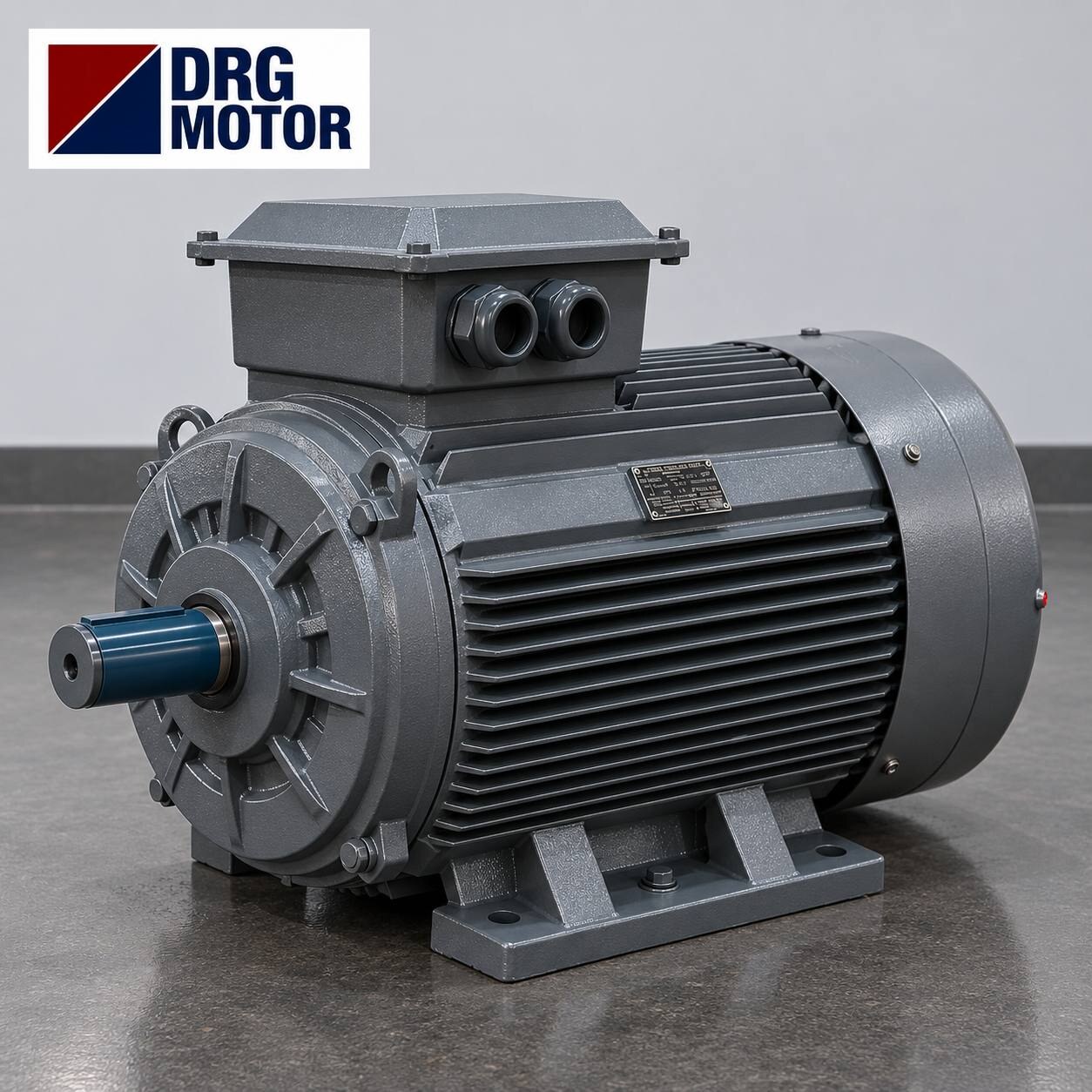

In industry, electric motors are often designed to run at a fixed speed. Yet in many applications, the motor does not always need to turn at full speed. This is where the frequency inverter comes in: by adjusting the motor's speed to match demand, it delivers significant energy savings. Especially in applications such as pumps and fans, this saving reaches notable proportions. So how does a frequency inverter save energy in an electric motor?
At DRG Motor, this article looks at the operating logic of the frequency inverter and the ways it saves energy. To refresh the concepts of motor speed and power, you can take a look at our article on what an electric motor is.
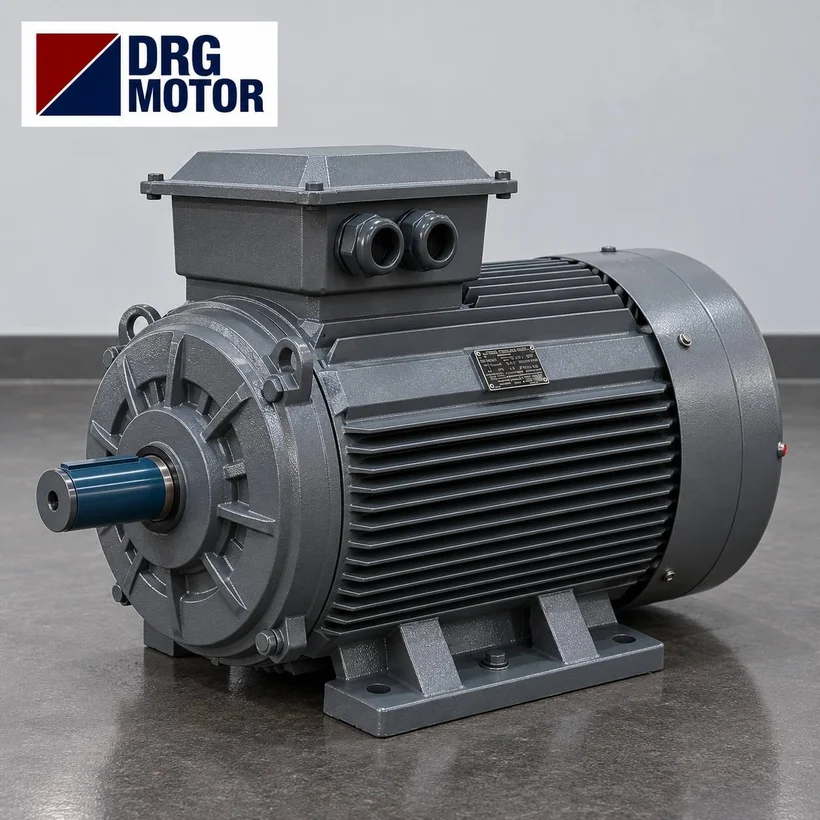
What Is a Frequency Inverter?
A frequency inverter is a device that controls the motor's speed by changing the frequency and voltage of the electricity supplied to the motor. It is also known as a drive or frequency converter. Thanks to the inverter, a fixed-speed motor can be run at different speeds.
This speed control lets the motor run according to the instantaneous need of the application. In this way, unnecessary energy consumption is eliminated.
The Relationship Between Motor Speed and Frequency
The speed of an asynchronous motor depends on the frequency of the electricity that supplies it. The standard mains frequency is 50 Hz, and the motor turns at a certain speed at this frequency. By changing the frequency, the inverter increases or decreases the motor's speed.
When the frequency drops, the motor slows down; when it rises, it speeds up. This control makes it possible for the motor to turn only as much as needed.
The Foundation of Energy Saving
At the foundation of the saving the frequency inverter provides lies the motor running only as much as needed. A fixed-speed motor turns at full power and consumes energy even when demand falls. The inverter, on the other hand, prevents this waste by lowering the speed according to demand.
A motor that runs only as much as needed does not consume unnecessary energy. This in turn is reflected positively in the energy bill.
Major Savings in Pumps and Fans
The frequency inverter delivers the most savings in pump and fan applications. In these applications, power varies in proportion to the cube of speed; in other words, even a small reduction in speed brings large energy savings. For this reason, the inverter is very effective in pumps and fans.
We also discuss the role of the inverter in pump motor selection in our article on water pump electric motor selection. For fan applications, there is a separate saving potential as well.
The Relationship Between Speed and Power
In applications such as pumps and fans, halving the motor speed can reduce the power to almost one-eighth. This powerful relationship explains why the inverter delivers such great savings. Small speed adjustments mean large energy gains.
For this reason, using an inverter is almost always profitable in applications where demand varies. Speed control is one of the most effective saving methods.
The Soft Starting Advantage
The frequency inverter provides soft starting by bringing the motor up to speed gradually. This reduces the high current at the moment of starting and protects the motor. The sudden strain that occurs in direct starting is eliminated.
Soft starting extends the life of both the motor and the connected mechanical system. This is an important additional benefit the inverter provides.
Reduction of Starting Current
A motor that cuts in directly draws far higher current than during normal operation. By making the start gradual, the inverter lowers this current. In this way, both the supply network is strained less and the motor heats up less.
Low starting current also reduces the load on the electrical installation. This in turn contributes to the overall energy quality.
Reduction of Mechanical Wear
Sudden starts and stops place mechanical stress on the motor and the connected equipment. The inverter reduces this stress by providing gradual starting and stopping. In this way, belts, couplings and bearings wear less.
Less mechanical wear means less maintenance and a longer life. The inverter indirectly lowers the maintenance cost too.
Precise Speed Control
Some applications require the motor to run at a very precise speed. The frequency inverter offers the ability to control the speed with very fine adjustments. This increases production quality and the precision of the process.
Precise speed control is valuable especially in production lines and dosing systems. The inverter makes this control easy and reliable.
Use Together With an Efficient Motor
When the frequency inverter is used together with a high-efficiency motor, the saving reaches its maximum. An efficient motor already consumes little energy; the inverter, meanwhile, uses this energy only as much as needed. Together, the two deliver the lowest energy consumption.
We discuss the contribution of efficiency classes in our article on high-efficiency electric motors. An efficient motor and an inverter are an ideal pairing.
Typical Installations
Applications where the load or demand changes during the day are the areas where the inverter provides the most benefit. When demand falls the motor slows down, and when it rises the motor speeds up; in this way, only as much energy as needed is consumed at every moment. A fixed-speed system does not have this flexibility.
In variable-load pump, fan and conveyor systems, the inverter delivers significant savings. Flexibility translates directly into efficiency.
The Inverter in Conveyor Systems
In conveyors, the frequency inverter lets you adjust the belt speed according to the production need. This provides both energy saving and belt protection through soft starting. The inverter is very advantageous on lines with variable production speeds.
We also explain the role of the inverter in conveyor motor selection in our article on conveyor and belt motor selection. The inverter delivers a flexible, efficient line.
Reduction of Heating
Because the frequency inverter runs the motor only at the load needed and provides soft starting, it contributes to the motor heating up less. Less heating means a longer life. This is an indirect benefit the inverter provides.
We discuss the importance of heat control in our article on electric motor temperature control. By reducing heating, the inverter extends service life.
Improvement of the Power Factor
The frequency inverter can help the motor use the power it draws from the supply more efficiently. This contributes to improving the power factor and reducing the unnecessary reactive power drawn from the supply. A better power factor is advantageous in terms of energy efficiency.
A properly used inverter delivers both energy savings and cleaner energy consumption. This in turn increases the overall efficiency of the plant.
Return on Investment
The frequency inverter requires an investment; however, the energy saving it provides usually pays back this investment in a short time. Especially in hard-working pump and fan systems, the payback period is quite short. After payback, the inverter continues to deliver savings.
For that reason, the inverter is not merely a cost but a profitable investment. In the right application, it amortises itself quickly.
Where These Motors Run
An inverter is beneficial in every application where the speed must change or the demand fluctuates. In applications running at fixed speed and continuously at full load, its return is more limited. For that reason, the inverter decision must be made according to the load profile of the application.
Used in the right application, an inverter delivers great savings. In the wrong place, the investment may not pay for itself; this is why analysis is important.
Inverter and Motor Compatibility
The frequency inverter must be chosen to suit the motor it will be used with. The motor's power, voltage and specifications must be compatible with the inverter. An incompatible inverter lowers efficiency and can damage the motor.
A correctly matched inverter and motor deliver the highest efficiency and safe operation. This compatibility is the foundation of the right selection.
The Relationship With Power and Speed Selection
Even when an inverter is used, choosing the motor at the correct power and speed retains its importance. The inverter adjusts the speed, but the basic motor selection must still suit the application. The right motor and inverter together deliver the best result.
You can find the power and speed options in our power (kW) and speed table. The right basic selection increases the benefit of the inverter.
Service Plan and Spares
Modern frequency inverters also offer the ability to monitor the motor's operating data. By monitoring values such as current, speed and temperature, potential problems are noticed early. This monitoring makes maintenance easier and prevents failures.
A monitorable system allows the motor's health to be tracked continuously. This in turn reduces unplanned downtime and increases continuity.
Environmental Contribution
A system that consumes less energy means fewer greenhouse gas emissions. By delivering energy savings, the frequency inverter contributes to reducing the plant's carbon footprint. This is important in terms of environmental sustainability.
Energy saving is both an economic and an environmental gain. The inverter supports these two goals at the same time.
A Solution From the Right Supplier
Buying the frequency inverter and a compatible motor from the right supplier ensures the system operates efficiently. A reliable supplier recommends the motor and inverter combination suited to your application. This in turn lets you get the highest return from your investment.
For choosing the right supplier, you can look at our article on choosing an electric motor dealer. The right source means the right solution.
Compatibility With Next-Generation Motors
Next-generation high-efficiency motors are designed to work in harmony with frequency inverters. When used together with an inverter, these motors deliver the highest energy savings. Replacing old motors with new high-efficiency motors increases the benefit of the inverter too.
We discuss the advantages of modern motors in our article on next-generation electric motors. A new-generation motor and an inverter are the most efficient solution.
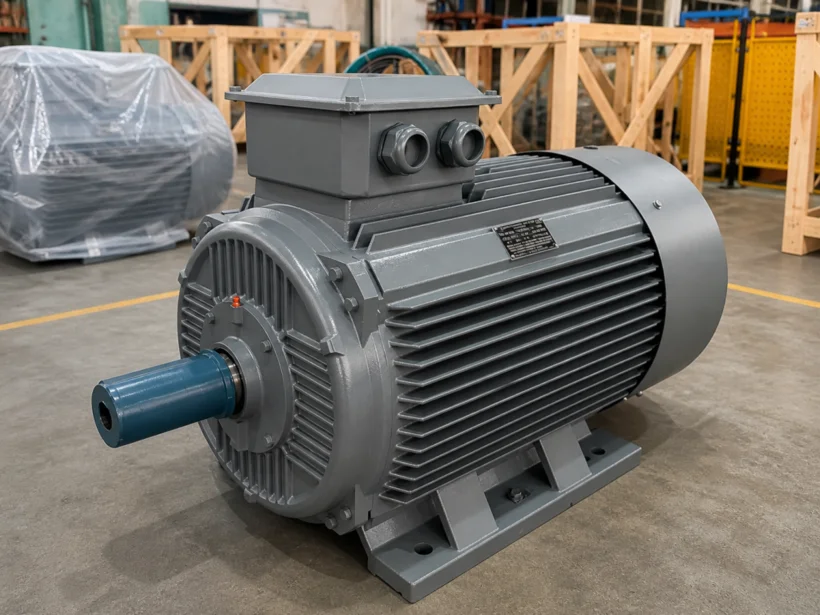
Comparing Fixed Speed and Inverter
A fixed-speed motor runs in one of two states, on or off; an intermediate speed is not possible. Even when demand falls, the motor turns at full power and consumes excess energy. The inverter, on the other hand, offers an infinite number of intermediate speeds and runs the motor only as much as needed.
This difference creates great savings, especially in systems with variable demand. The inverter eliminates the waste created by fixed speed.
An Inverter Instead of a Throttle Valve
In traditional pump systems, the flow rate is often adjusted with a throttle valve; this method wastes energy. Speed control with an inverter, on the other hand, adjusts the flow rate by changing the motor's speed and is far more efficient. Using an inverter instead of a valve delivers significant savings.
A throttle valve restricts the flow while running the motor at full power; this is a waste of energy. The inverter solves this waste at its root.
Multiple Motor Control
Some inverters can manage more than one motor in sequence or together. This increases efficiency in multi-pump or multi-fan systems. Motors that cut in according to demand optimise the total energy consumption.
Smart multi-motor control delivers significant savings in large plants. This is an advanced advantage the inverter offers.
Reduction of Noise
A motor and fan running at low speed generally produce less noise. When the speed is lowered with an inverter, the working environment becomes quieter. This is advantageous in terms of both comfort and occupational safety.
Especially in ventilation systems, lowering the speed noticeably reduces noise. Quiet operation is another benefit of the inverter.
Production Flexibility
The inverter offers the ability to change the production speed easily. The motor speed can be adjusted quickly for different products or different demands. This flexibility makes production processes more efficient and adaptable.
Fixed-speed systems do not have this flexibility. The inverter makes it possible to manage production according to demand.
Grid-Friendly Operation
By lowering the starting current, the inverter reduces the sudden load on the supply network. This is important especially in plants where many motors operate at the same time. Low starting current also reduces voltage fluctuations in the network.
Grid-friendly operation supports the safety of both the plant and other connected devices. This is an indirect contribution of the inverter.
Predictability in Energy Cost
A system operating with an inverter makes energy consumption more predictable. Consumption adjusted according to demand reduces fluctuations and makes cost planning easier. Predictable cost supports operational management.
This predictability is an important advantage in budget planning. The inverter delivers both savings and stability.
Points to Watch in Inverter Installation
Correct installation of the inverter directly affects performance. Suitable cabling, grounding and the necessary filtering are important for the healthy operation of the system. Incorrect installation both lowers efficiency and can lead to failure.
For that reason, inverter installation should be carried out with expert support. Correct installation maximises the benefit of the inverter.
Long-Term Gain
The gain the frequency inverter provides continues for years after installation. Energy saving, reduced maintenance and extended motor life are all long-term gains. The initial investment returns with compounding over time.
For that reason, the inverter is not a short-term expense but a long-term investment. In the right application, it pays you back continuously.
Expert Support for the Right Solution
The selection of the frequency inverter and motor must be made carefully according to the load profile of the application. How much saving will be achieved in which application is revealed by correct analysis. When in doubt, consulting an expert helps you find the most correct solution.
At DRG Motor, we offer technical support for motor and drive solutions that deliver energy savings. The right solution delivers both savings and long service life.
The Total Benefit the Inverter Provides
The frequency inverter offers many benefits together, such as energy saving, soft starting, precise speed control, reduced mechanical wear and quieter operation. When these benefits are considered together, the inverter's contribution is not limited to the energy bill alone. The motor's life is extended, maintenance is reduced and production becomes more flexible.
For that reason, the frequency inverter is an important part of a modern, efficient motor system. In the right application, it delivers both economic and operational gains.
DRG Motor for Efficient, Smart Solutions
At DRG Motor, we supply high-efficiency, durable motors that are compatible with frequency inverters. Our aim is to lower your energy cost by bringing together speed control and an efficient motor. Pumps, fans, conveyors or other applications; in each, we recommend the solution best suited to you.
For motor and drive solutions that deliver energy savings, you can get in touch with DRG Motor and review our product range on our products page, or visit our homepage. A frequency inverter and an efficient motor are the most effective way to lower your energy bill for good.