English
 Le français
 Türkçe

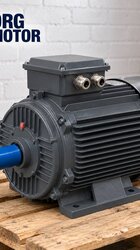
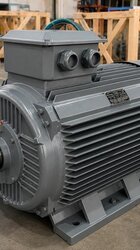
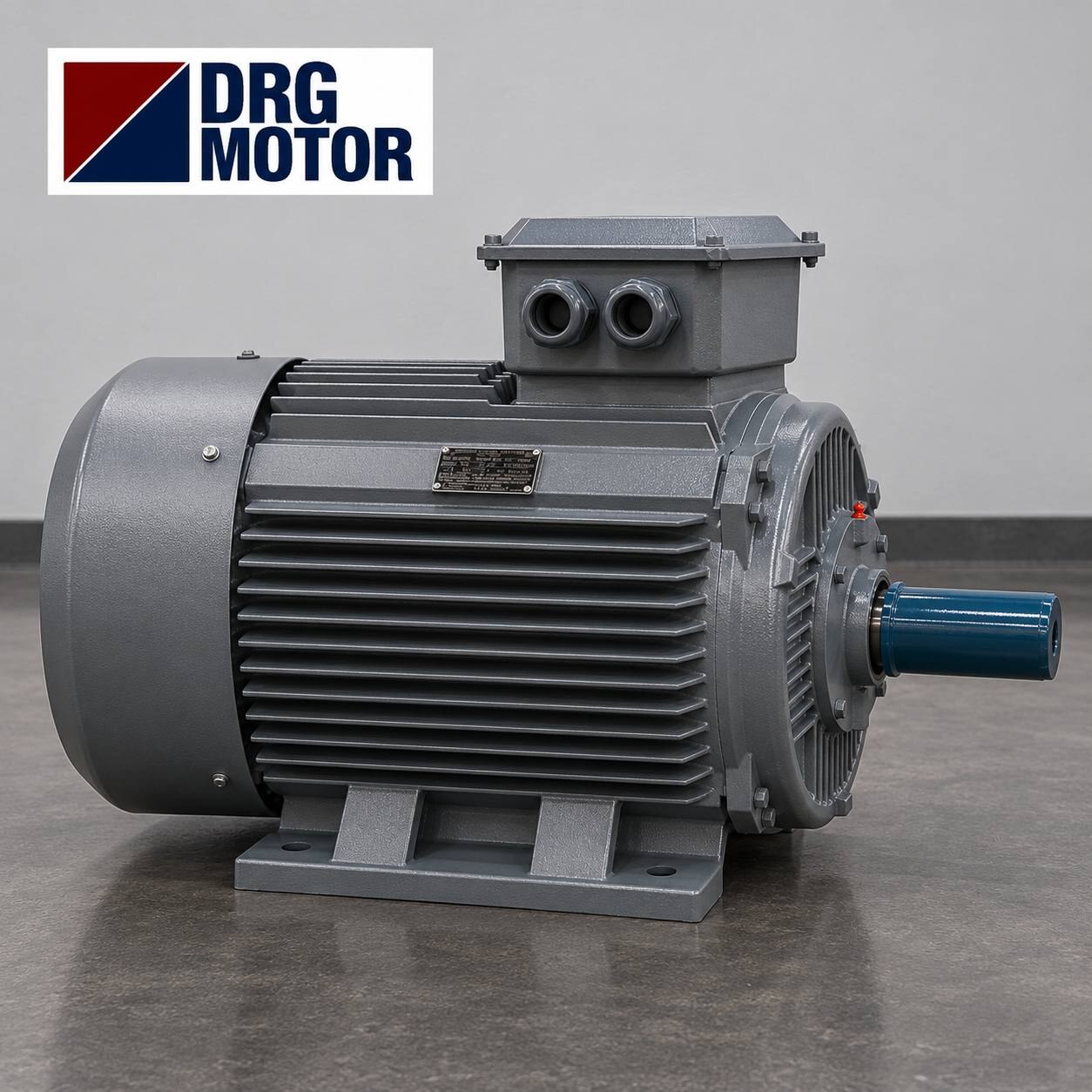

Every electric motor carries a label on a small metal plate that serves as its identity card. This nameplate contains all the essential technical information, from the motor's power and voltage to its speed and efficiency class. Choosing the right motor, replacing an existing one or solving a fault all require reading the values on this label correctly. So why are nameplate details so important in motor selection, and what do these values actually mean?
At DRG Motor, in this article we examine the values on the motor nameplate and their role in correct motor selection. To refresh the basic concepts of a motor, you can look at our article on what an electric motor is.
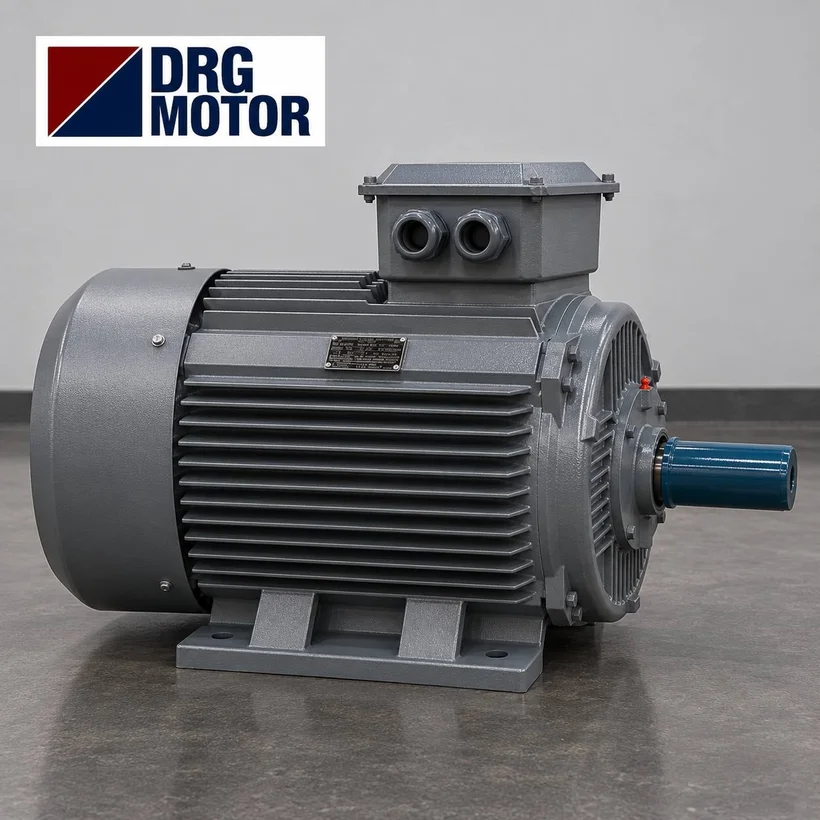
What Is a Motor Nameplate?
The motor nameplate is the information plate placed on the motor by the supplier that defines the motor's operating limits. It includes power, voltage, current, speed, frequency, protection class and more. The nameplate is the fundamental reference showing the conditions under which the motor can run safely. It is therefore the first source to consult in any decision about the motor.
Without the nameplate, it is difficult to know a motor's specifications with certainty. Keeping the label legible and intact is therefore important; a faded or damaged nameplate creates uncertainty about the motor.
Rated Power (kW)
One of the most important values on the nameplate is the rated power in kilowatts. This figure shows the mechanical power the motor can deliver continuously and forms the basis of motor selection. The power required by the application and the power on the nameplate must match; otherwise the motor either struggles or is needlessly oversized.
The power value is sometimes also stated in horsepower (HP); one HP corresponds to roughly 0.75 kW. You can find the power options in our power (kW) and speed table.
Voltage (V)
The voltage value on the nameplate shows the voltage at which the motor is designed to run. Industrial motors generally run at 380V three-phase, while small motors run at 220V single-phase. The supply voltage must match the nameplate value; the wrong voltage strains the motor and heats it. Voltage is therefore always checked before installation.
The nameplate may also carry different voltage values for star and delta connection. These values determine how the motor should be wired.
Current (A)
The rated current is the current the motor draws at full load. This value is critical for selecting cable cross-sections and protection devices. Running the motor continuously above the nameplate current leads to overheating and winding damage. Current is therefore a value to monitor both in selection and in operation.
An abnormal rise in current is often a sign of overload or a mechanical problem. Current monitoring is therefore an important indicator of motor health.
Speed (RPM)
The speed value on the nameplate shows the revolutions per minute of the motor shaft. This figure is directly related to the motor's pole count; 2 poles give roughly 3000, 4 poles 1500 and 6 poles around 1000 rpm. The speed required by the application calls for selecting a motor of the correct speed.
Speed also affects torque; low-speed motors produce higher torque. The choice of speed is therefore made according to the application's need for speed and torque.
Frequency (Hz)
The frequency value shows the mains frequency for which the motor is designed; in many countries this value is 50 Hz. The motor's frequency must match the supply network. Frequency is a parameter that directly affects the motor's speed. When a frequency inverter is used, this value becomes adjustable.
A motor designed for a different frequency runs at an unexpected speed and performance on the wrong network. Frequency compatibility is therefore important.
Power Factor (cosφ)
The power factor shows how much of the energy the motor draws is converted into useful work. A high power factor means little unnecessary reactive power is drawn from the network. This value is important for energy efficiency and installation load. Quality motors generally have a better power factor. We examine this value in detail in our article on power factor (cosφ).
Motors with a low power factor draw extra current and burden the installation. The cosφ value is therefore taken into account for efficiency.
Choosing an IE Class
The IE code on the nameplate shows the motor's efficiency class; IE3 means premium and IE4 super-premium efficiency. The higher the efficiency class, the less energy the motor uses to do the same work. In continuously running applications, this value directly affects energy cost. It is therefore one of the most important criteria in motor selection.
We discuss the contribution of efficiency classes to operations in our article on high-efficiency electric motors. The IE class is among the most valuable pieces of information on the nameplate.
Protection Class (IP)
The IP code shows how well the motor is protected against dust and water; for example, IP55 provides protection against dust and splashing water. The environment in which the motor will operate determines the required IP class. Dusty and humid environments require a high IP protection class. The wrong protection class leads to early motor failure.
The right IP class protects the motor against environmental factors and extends its life. The IP value on the nameplate should therefore be chosen to suit the environment.
Insulation Class
The insulation class (denoted by letters such as F or H) shows the temperature up to which the motor's winding insulation can withstand. A high insulation class lets the motor run safely in hot environments and at high load. This value determines the motor's resistance to heat. In demanding, hot applications a high insulation class is preferred.
The insulation class is critical information for motor life. We explain the importance of heat resistance in our article on electric motor temperature control.
Duty Cycle (S1, S2...)
The duty-cycle code on the nameplate shows whether the motor is designed for continuous or intermittent operation. S1 indicates continuous duty, while other codes express different intermittent operating types. The application's operating pattern calls for selecting a motor of the correct duty. The wrong duty leads to motor strain.
A continuously running application requires an S1-rated motor, while intermittent applications may suit different duty types. The correct duty ensures the motor matches the application.
Mounting Type (B3, B5, B35)
The nameplate or catalogue also states the motor's mounting type. Foot-mounted (B3), flange-mounted (B5) and combined (B35) are the most common types. The mounting type is chosen according to the equipment the motor will connect to, and correct mounting prevents alignment errors. The wrong mounting type creates compatibility problems during installation.
The correct mounting type ensures power is transmitted to the equipment efficiently, which means both efficiency and a long life. We cover the topic further in our article on mounting type selection.
Frame Size and Dimensions
The frame-size information on the nameplate shows the motor's standard dimensions. Standard dimensions provide great convenience in replacing and stocking a motor. A motor of the same frame size can easily be fitted in place of a failed motor. The frame size is therefore important for spare-part management. Non-standard dimensions can create problems during replacement, so standard-frame motors are preferred.
Serial Number and Brand
The serial number and brand on the nameplate provide the motor's identity and warranty traceability. The serial number makes it possible to identify the motor in warranty claims and spare-part supply. The brand gives an idea about production quality. This information ensures the motor's traceability. The serial number is important during the warranty process, so the nameplate should be preserved. We cover the warranty topic in our article on the electric motor warranty.
Why Are Nameplate Details Vital?
When all these values come together, they determine the motor's suitability for the application. Correct motor selection is possible by matching the power, speed, efficiency, protection and mounting on the nameplate to the application. A selection made without the nameplate relies on guesswork and can be wrong. The nameplate is therefore the fundamental basis of selection, and reading it correctly means both the right choice and safe operation.
The Consequences of Misreading
Misinterpreting the nameplate values leads to serious problems. Wrong power selection means strain or waste; wrong voltage means failure; wrong protection class means environmental damage. These errors cause early motor failure and cost. The nameplate must therefore be read carefully, because correct reading prevents all of these mistakes and forms the basis of a sound application.
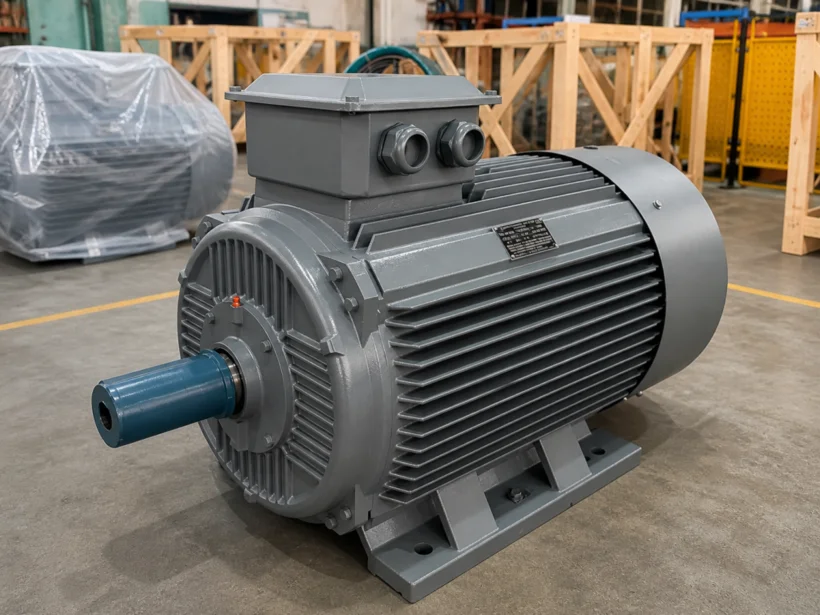
The Nameplate When Buying a Spare Motor
When buying a replacement for a motor, the old motor's nameplate is the most reliable guide. The power, speed, frame size and mounting type on the nameplate make it possible to find the right spare. Without the nameplate information, finding a compatible spare becomes difficult. The nameplate information should therefore be recorded during replacement, and a motor with the same nameplate values ensures a trouble-free swap.
The Connection Diagram on the Nameplate
Many motor nameplates also contain a star and delta connection diagram. This diagram shows how the motor should be wired and is a guide for correct connection. Wrong connection causes the motor to fail to run or be damaged. The connection diagram must therefore be followed carefully, since correct connection is essential for safe and efficient operation.
Ambient Temperature and the Nameplate
Some nameplates also state the ambient temperature for which the motor is designed. Standard motors are usually designed for a specific ambient temperature; in hotter environments this must be taken into account. At high temperatures, the motor may have to be used below its rated power, or a high insulation class may be required. Ambient temperature information ensures the motor is used under the correct conditions and prevents overheating.
Assessing Quality Through the Nameplate
Values such as the efficiency class, insulation class and protection class on the nameplate also give an idea about the motor's quality. High values generally point to a quality, durable motor. The nameplate is therefore indirectly a tool for quality assessment. Missing or unclear nameplate information, by contrast, raises suspicion. Transparent and complete nameplate information is the mark of a reliable supplier.
The Right Supplier and Nameplate Information
A reliable supplier shares all the nameplate information of the motor it sells transparently. It is wise to avoid a seller who hides or leaves this information unclear. Transparent nameplate information lets you make the right choice and is the basis of a trustworthy purchase. We explain the criteria for choosing the right supplier in our article on choosing an electric motor dealer.
Weight Information and Handling
Some nameplates also state the motor's weight; this information is important for transport and installation planning. Especially for high-power motors, weight is taken into account for lifting equipment and the installation foundation. Weight also gives an idea of the amount of material used in the motor. A correct handling plan makes installation safe, and weight information allows logistics and installation to be planned in advance.
Efficiency Percentage Value
Alongside the IE class, some nameplates also show the motor's efficiency percentage. This value expresses numerically how much of the energy the motor draws is converted into useful work. A high efficiency percentage means low energy loss. In continuously running applications, this value translates directly into savings and is a concrete criterion when comparing motors.
Preserving the Nameplate
Keeping the motor nameplate legible and intact is important for future operations. A faded or detached nameplate creates uncertainty about the motor and makes it harder to find the right spare. Preserving the nameplate and, if necessary, recording its information separately is therefore recommended. Especially for motors operating in harsh environments, the nameplate can wear, so backing up the information is wise.
The Nameplate and Energy Calculations
The power and efficiency values on the nameplate are used to calculate the motor's energy consumption. This calculation makes it possible to forecast operating cost and evaluate the return on switching to an efficient motor. Nameplate information is the basic data of energy planning. We cover the payback of switching to an efficient motor in our article on the high-efficiency motor payback period.
Matching the Nameplate to the Application
Whether a motor suits an application is understood by comparing the nameplate values against the application's needs. Power, speed, torque and protection must all match the application. This match ensures efficient, trouble-free operation. A mismatched motor means strain and inefficiency, while nameplate values suited to the application are the sign of a correct selection.
Compliance Markings
The nameplate may also carry markings showing the standards and certificates the motor complies with. These markings document that the motor was produced in line with certain quality and safety standards. Especially in large projects and exports, this compliance is important. Standard markings show the motor's reliability and are proof of its quality, supporting an informed selection.
The Value of Learning to Read the Nameplate
Knowing how to read a motor nameplate is a valuable skill for both technical staff and business owners. This skill makes it easier to select the right motor, diagnose problems and find the right spare. Reading the nameplate is a fundamental part of motor management, and this knowledge saves time and cost in the long run, making every motor-related decision easier and safer.
DRG Motor for the Right Choice Through the Right Nameplate
At DRG Motor, we present the nameplate values of all our motors transparently and help you choose the motor with the values best suited to your needs. Our aim is to match power, speed, efficiency, protection and mounting information to your application and provide the right motor. By interpreting the nameplate values correctly, we recommend the most suitable solution.
To select the motor with the nameplate values best suited to your needs and to receive technical support, you can contact DRG Motor and explore our range on the products page, or visit our home page. A correctly read nameplate is the first step toward selecting the right motor.