 English
 Le français
 Türkçe

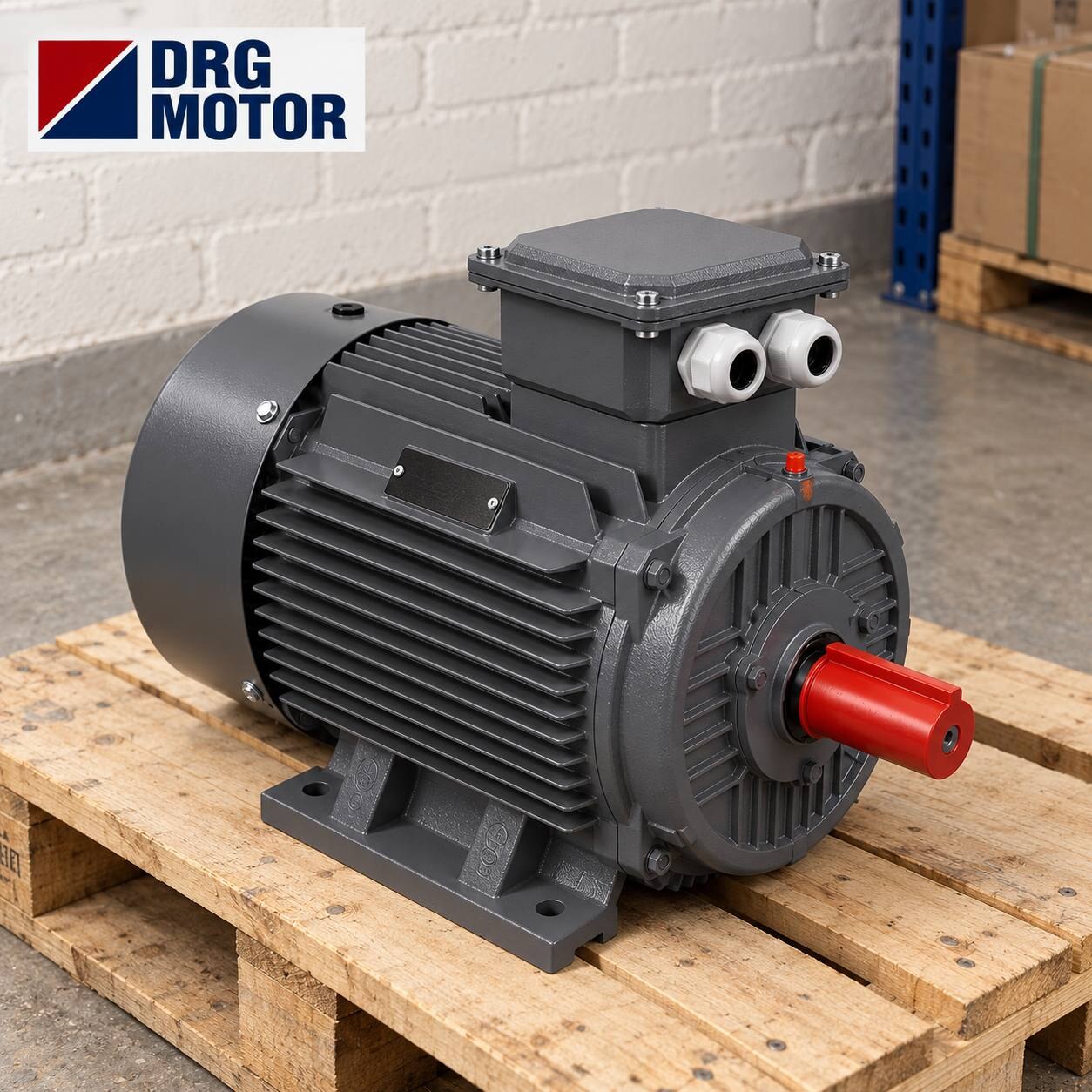

The noise an electric motor makes and the vibration it produces directly affect both the comfort of the working environment and the health of the motor itself. Excessive noise is very often the herald of a developing problem, while vibration wears out bearings and the equipment connected to the motor. For both comfort and long service life, then, reducing motor noise and vibration is genuinely important. So how do you actually reduce noise and vibration in an electric motor?
At DRG Motor, this article examines the causes of motor noise and vibration and the methods used to reduce them. You can review the basic structure of a motor in our article on what an electric motor is.
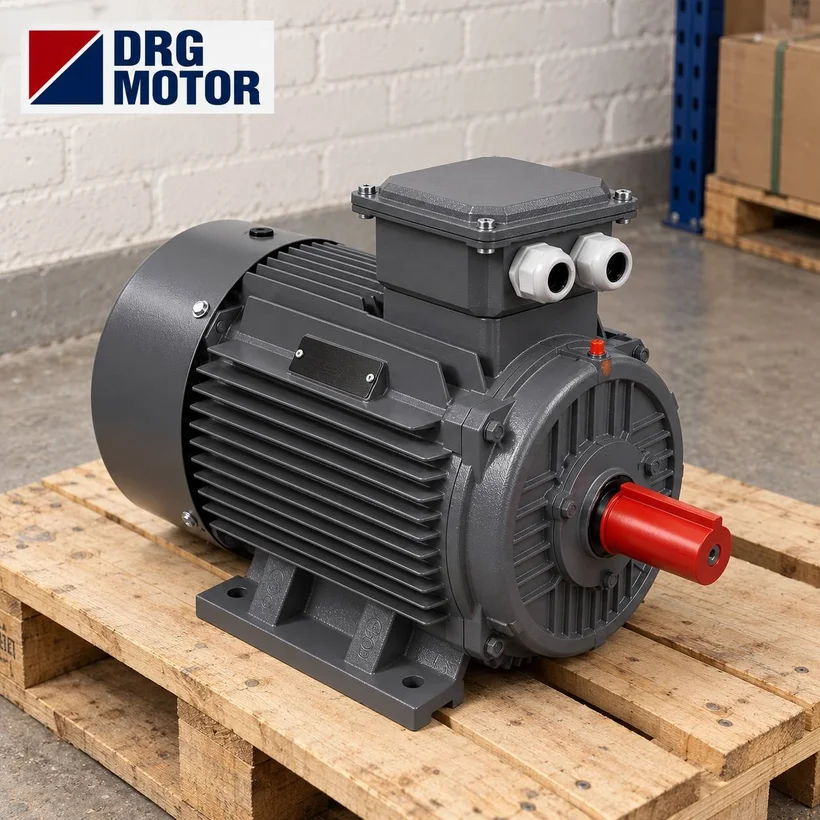
The Sources of Motor Noise
Motor noise comes from mechanical, electromagnetic and aerodynamic sources. Mechanical noise stems from bearings and imbalance, electromagnetic noise from the magnetic field, and aerodynamic noise from the cooling fan. Understanding these sources is the first step toward reducing noise. Each source calls for a different solution.
Correctly identifying the source of the noise enables effective reduction. That matters for both comfort and fault diagnosis.
Why Does Vibration Occur?
Vibration usually results from an unbalanced rotor, faulty alignment, loose mounting or worn bearings. These problems prevent the motor from rotating smoothly and produce vibration. Vibration both generates noise and wears the motor out. For this reason, the underlying cause of vibration must be eliminated.
Finding the source of vibration both protects the motor and reduces noise. That means a holistic solution.
The Importance of a Balanced Rotor
When a motor's rotor is balanced, its rotation is free of vibration and quiet. An unbalanced rotor, by contrast, produces vibration and noise with every revolution. In quality manufacturing, the rotor is precisely balanced. A balanced rotor is the foundation of quiet operation.
We explain the importance of rotor quality in our article on rotor copper-wound electric motors. A balanced rotor reduces noise.
The Role of Quality Bearings
Bearings are a major source of motor noise. Worn or low-quality bearings produce rattling and humming. Quality, well-lubricated bearings, on the other hand, run quietly and smoothly. Bearing quality is the key to noise control.
We explain how to extend bearing life in our article on extending bearing life. Healthy bearings mean a quiet motor.
Quietness Through Correct Lubrication
Correctly lubricating the bearings reduces friction and therefore noise. Insufficient lubrication causes the bearing to run noisily. Lubrication that follows the supplier's instructions ensures a quiet, smooth rotation. Lubrication is part of noise control.
Regular, correct lubrication both reduces noise and extends bearing life, delivering a twofold benefit.
Correct Alignment
Misalignment between the motor and the connected equipment is one of the leading causes of vibration and noise. Proper alignment ensures the load is distributed evenly and the system runs without vibration. Alignment should therefore be carried out carefully during installation. Correct alignment noticeably reduces noise.
Periodic alignment checks correct settings that drift over time. That keeps vibration and noise under control.
Solid Mounting and Foundation
Loose mounting or a weak foundation increases vibration and leads to noise. The motor must be firmly fixed to a solid, level, vibration-free base. Solid mounting prevents vibration from spreading. That protects both the motor and the surrounding environment.
The correct tightness of the mounting bolts is important for vibration control. Solid mounting is the foundation of quiet operation.
Vibration Isolation
To prevent the motor from transmitting vibration to the floor or frame, rubber pads or isolation mounts can be used. These materials absorb vibration and stop it from spreading. Vibration isolation reduces noise, especially in sensitive environments. It is an effective solution.
Isolation pads prevent vibration from passing into connected structures, which reduces both noise and structural stress.
Cooling Fan Noise
The cooling fan is the primary source of aerodynamic noise. A well-designed fan provides the required cooling while keeping noise to a minimum. A fan cover clogged with dust can also increase noise. A clean, quality fan provides quiet cooling.
Keeping the fan clean both reduces noise and improves cooling. That is part of routine maintenance.
Electromagnetic Noise
Electromagnetic noise originating from the motor's magnetic field is closely tied to its design. A well-designed stator and rotor reduce this noise. An appropriate number of slots and a correct air gap keep electromagnetic noise under control. This noise is minimized through quality design.
Advanced design lowers electromagnetic noise, which is one of the advantages of next-generation motors.
Load Imbalance and Noise
An unbalanced load on the motor can produce vibration and noise. Connected equipment that is itself unbalanced, or a load that is distributed unevenly, leads to this problem. A balanced load ensures quiet, smooth operation. Load balance therefore matters for noise control too.
A balanced system both protects the motor and reduces noise. That calls for a holistic approach.
Belt and Coupling Noise
In systems connected by belt-and-pulley or coupling, loose or worn connections generate noise. The correct belt tension and a sound coupling reduce this noise. Maintaining the connecting elements contributes to noise control. A solid connection means quiet power transmission.
Worn belts or couplings should be replaced in good time. That prevents both noise and efficiency loss.
Noise Is a Warning
An increase in motor noise is very often the first sign of a problem. Newly appearing or growing noise can mean bearing wear, imbalance or looseness. Noise is therefore an indicator that should be monitored carefully. Noise caught early prevents major failures.
Monitoring noise is an effective way to track a motor's health, enabling timely intervention.
What Field Crews Check
Regular maintenance keeps noise low through cleaning, lubrication, alignment and checking connections. Neglected maintenance, by contrast, increases noise and vibration over time. Maintenance is therefore an indispensable part of noise control. Regular maintenance sustains quiet operation.
We describe the fundamentals in our article on electric motor maintenance steps. Maintenance keeps noise under control.
Quietness Through a Frequency Inverter
A frequency inverter can reduce noise by lowering the motor's speed, because at lower speed both the motor and the fan run more quietly. Soft starting also eliminates start-up noise. The inverter therefore contributes to noise control as well. That provides a more comfortable working environment.
We explain the benefits of the inverter in our article on frequency inverters and energy saving. Lower speed means lower noise.
The Quietness of a Quality Motor
A quality-built motor runs quietly thanks to its balanced rotor, quality bearings and good design. Cheap, low-quality motors are usually noisier. Quietness is therefore an indicator of motor quality. A quality motor offers quiet operation.
Quiet operation also shows that the motor is balanced and healthy. That is the mark of a quality machine.
Noise and Working Comfort
Low noise improves the comfort and occupational safety of the working environment. Constant high noise harms the health and productivity of employees. A quiet motor is therefore not just a technical choice but a human one. Quiet operation provides a better workplace.
A comfortable environment supports employee satisfaction and productivity. That is an indirect gain for the business.
Vibration and Equipment Life
Excessive vibration wears out not only the motor but all the equipment connected to it. Reducing vibration also extends the life of a connected pump, fan or conveyor. Vibration control therefore contributes to the health of the entire system. Less vibration means longer service life.
A balanced, quiet motor protects the whole system, delivering a holistic benefit.
Vibration Measurement
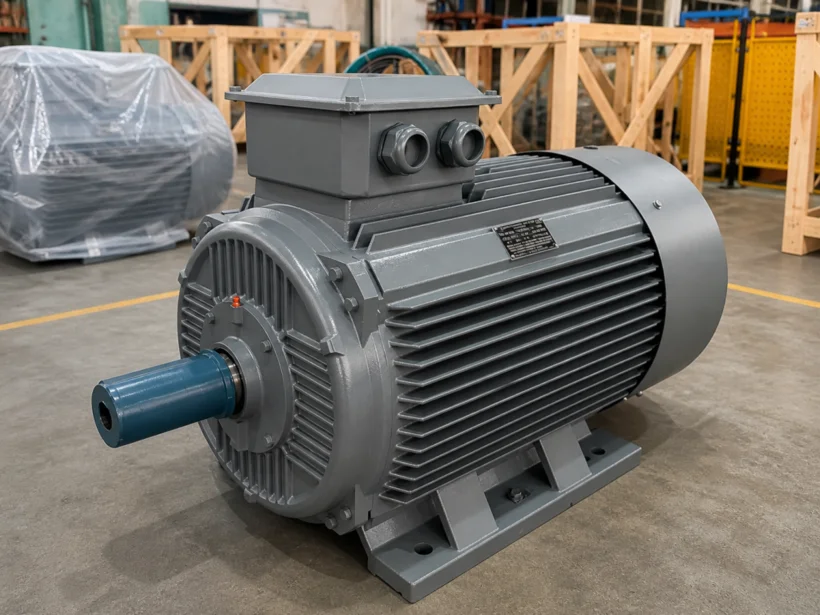
Measuring the motor's vibration level allows problems to be caught early. Vibration analysis instruments can detect imbalance, alignment errors or bearing wear. Regular vibration measurement is an important part of the maintenance plan. It is an effective way to prevent failures.
An increase in vibration is very often an early sign of a problem. Measurement-based monitoring enables timely intervention.
The Resonance Problem
If the motor's vibration frequency coincides with the natural frequency of the connected structure, resonance occurs and vibration grows. This can lead to serious noise and damage. Correct mounting and isolation help prevent resonance. Resonance is a vibration problem that demands attention.
Preventing resonance requires care in system design. That is an advanced dimension of vibration control.
The Effect of Loose Parts
Loose parts in the motor or the connected system produce noise along with vibration. Loose bolts, covers or connections vibrate and rattle during operation. Tightening these parts reduces noise. Regular checks eliminate looseness.
Solid, tight connections reduce both noise and vibration. That is a simple but effective measure.
Sound Insulation and Enclosures
In some applications, a sound-insulated enclosure can be built around the motor to reduce noise before it spreads into the environment. Sound-absorbing materials trap the noise. The enclosure, however, must not obstruct the motor's cooling. Sound insulation is a complementary noise-control method.
Enclosure design must both reduce noise and preserve ventilation, which calls for a balanced solution.
The Relationship Between Speed and Noise
In general, high-speed motors produce more noise, while low-speed motors run more quietly. In applications where noise matters, the choice of speed is therefore taken into account. An appropriate speed helps reduce noise.
We cover speed and pole count in our article on pole count and speed. The right speed contributes to quietness.
Cleaning the Cooling Passages
Cooling passages clogged with dust both obstruct cooling and can increase fan noise. Regular cleaning of these passages ensures both quiet and cool operation. Cleaning is a simple part of noise control. It is a step in maintenance.
Clean cooling surfaces let the fan run efficiently and quietly, contributing to the overall health of the motor.
The Damping Effect of a Cast-Iron Housing
A cast-iron housing dampens vibration thanks to its mass and reduces noise. Light, thin-walled motors, by contrast, reflect vibration more readily. A solid cast-iron housing therefore contributes to quiet operation. Housing quality plays a role in noise control.
We explain the advantages of a cast-iron housing in our article on the cast-iron electric motor. A solid housing dampens vibration.
The Flatness of the Mounting Surface
The surface on which the motor is mounted must be flat and clean. A warped or rough surface causes the motor to sit unevenly and leads to vibration. A flat mounting surface ensures the motor runs balanced and quiet. That is part of installation quality.
Proper installation prevents vibration from the outset, which means long-term quietness.
Noise Variation Under Load
A motor's noise can change under load. Overload can stress the motor and increase noise. For this reason, sudden changes in noise should be assessed together with the load condition. Abnormal noise under load can be a warning.
We cover the effects of overload in our article on overload protection. The right load also keeps noise in check.
Quietness in Next-Generation Motors
Next-generation motors run more quietly thanks to advanced design and quality components. Optimized magnetic design and a balanced rotor minimize noise. Replacing an old, noisy motor provides a quieter environment. Modern motors are advantageous in terms of quietness.
We describe the benefits of modern motors in our article on next-generation electric motors. New-generation means quiet operation.
Noise and Legal Limits
In workplaces, noise is subject to legal limits for occupational health and safety. High noise represents both a legal issue and a health risk. Quiet motors make compliance with these limits easier. Noise control therefore matters for legal compliance too.
Compliance with legal limits protects employees and keeps the business safe. A quiet motor supports that compliance.
Vibration and Premature Failure
Excessive vibration gradually wears out bearings, connections and windings, which means premature failure. Reducing vibration prevents these early failures and extends motor life. Vibration control is therefore critical for durability.
Less vibration protects both the motor and the connected equipment. That is a long-term gain.
Finding the Source of the Noise
The first step in reducing noise is to identify its source correctly. Determining whether it is mechanical, electromagnetic or aerodynamic allows the right solution to be applied. A wrong diagnosis leaves the problem unsolved. Correct diagnosis is the foundation of an effective solution.
Identifying the source correctly prevents unnecessary interventions, saving both time and money.
Holistic Noise Management
Noise and vibration are minimized not by a single measure but by combining a quality motor, correct mounting, regular maintenance and suitable isolation. A holistic approach delivers the best result. That provides both comfort and long service life. Noise management is a comprehensive effort.
When all the measures are applied together, the motor runs quietly and smoothly. That means an ideal working environment.
A Quiet Solution with Expert Support
Solving noise and vibration problems requires correct diagnosis and a suitable solution. Consulting an expert allows you to identify the source of the problem and apply the most effective remedy. The right support delivers quiet, balanced operation. An expert assessment is the key to a lasting solution.
At DRG Motor, we provide technical support in choosing quiet, balanced motors. The right solution provides a comfortable working environment.
DRG Motor for Quiet, Balanced Drives
At DRG Motor, we offer motors that run quietly and free of vibration thanks to balanced rotors, quality bearings and good design. Our aim is both to improve your working comfort and to ensure the long life of your motor and the connected equipment. We support quiet operation with correct installation and maintenance recommendations.
To choose a quiet, balanced motor and receive technical support, you can contact DRG Motor and review our range on our products page, or explore our other guides from our homepage. A quietly running motor delivers both comfort and long service life.