 English
 Le français
 Türkçe

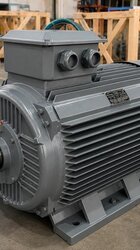
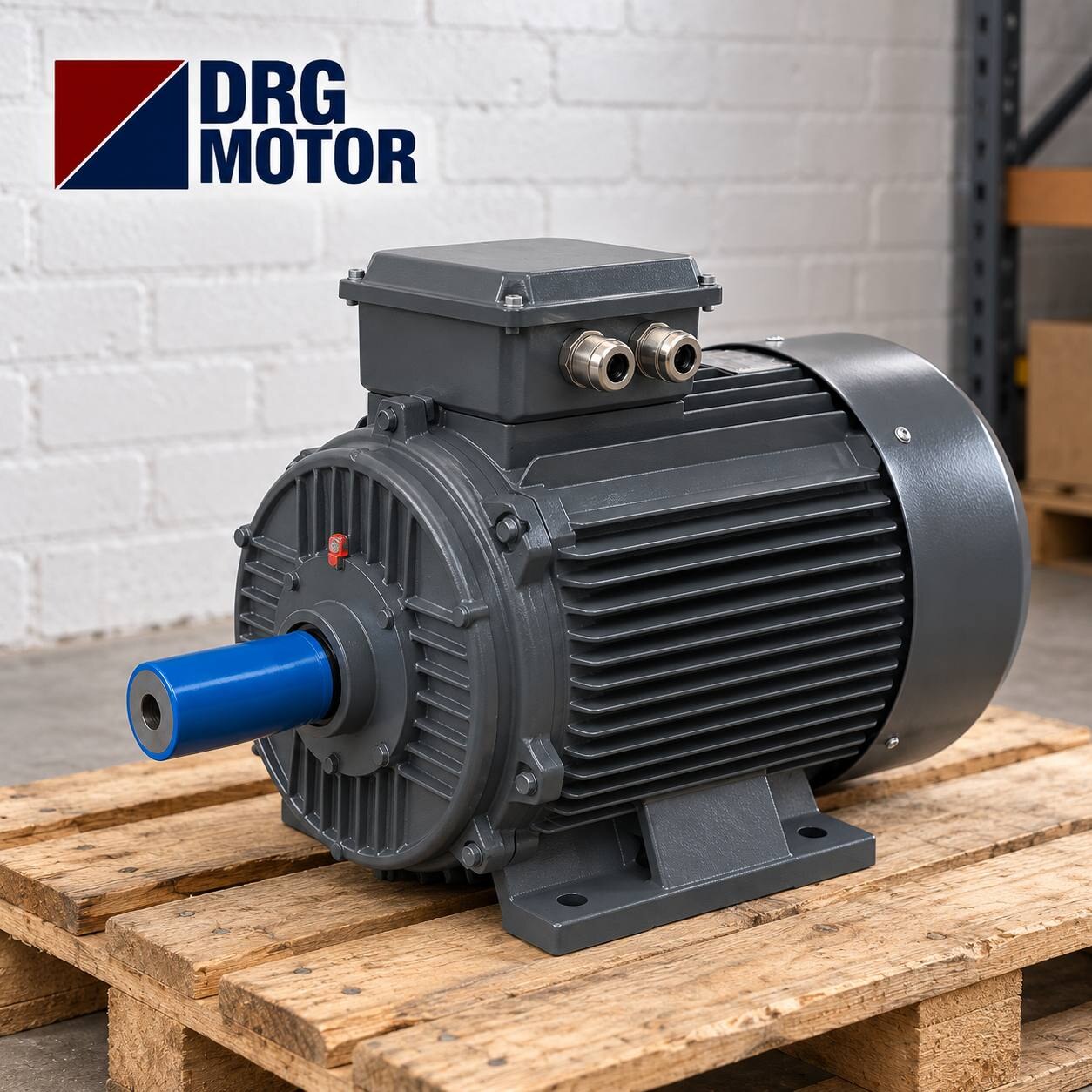

The first question that comes up when buying an electric motor is often the price. But why can two motors of the same power have different prices? The price of an electric motor depends not on a single factor, but on many: from its power to its frame material, from its efficiency class to its brand. Understanding these factors is important both for planning your budget correctly and for getting your money's worth. So what are the factors that determine the price of an electric motor?
At DRG Motor, this article looks at the main factors that affect the price of an electric motor. To refresh the basic features of the motor, you can take a look at our article on what an electric motor is.
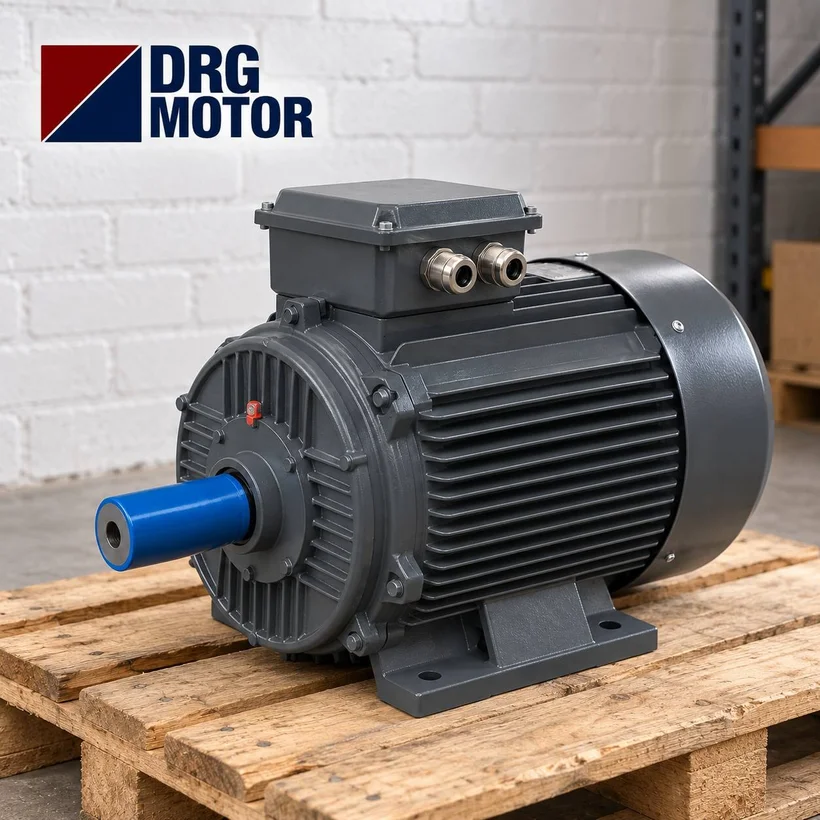
Power (kW) as the Main Price Driver
A motor's power is the most important factor that determines its price. As power increases, the amount of material used in the motor and the production cost increase too. For that reason, a high-kW motor is noticeably more expensive than a low-power one.
To see the relationship between power and price, you can look at our power (kW) and speed table. The correct power selection delivers both performance and a suitable cost.
Speed (Pole Count) and Price
The prices of motors of the same power but different speed can also vary. Low-speed motors, that is, motors with many poles, generally contain more material and produce higher torque. This too is a factor that affects the price.
The speed selection must be made according to the need of the application. The correct speed means both a suitable price and the right performance.
Frame Material: Cast Iron or Aluminium?
The motor's frame material affects both its durability and its price. Cast iron framed motors are more durable and suited to heavy industry; aluminium framed motors are lighter and generally more economical. The frame is chosen according to the application.
We explain the advantages of the cast iron frame in our article on the cast iron electric motor. The right frame balances the cost in the long run.
The Effect of the Efficiency Class on Price
Motors with a high efficiency class such as IE3 or IE4 contain more and higher-quality material than standard motors. For that reason, their purchase prices are a little higher. However, these motors close the gap over time with their low energy consumption.
We discuss the long-term gain of efficiency classes in our article on high-efficiency electric motors. High efficiency pays you back not in the initial price but in the total cost.
Copper Winding Amount and Quality
The copper winding inside the motor is an important item that affects the price. Copper is a valuable metal, and motors that use quality, plentiful copper winding are more expensive. However, these motors are more efficient and durable.
We explain the importance of the copper winding in our article on rotor copper-wound electric motors. Quality copper is the true value behind the price.
Protection Class (IP) and Cost
Motors with a high IP protection class are better sealed against dust and water; this means additional production cost. The high protection class needed for dusty, damp or demanding environments increases the price. However, this protection extends the motor's life.
The correct protection class should be chosen according to the application. Unnecessarily high protection increases cost, while insufficient protection leads to premature failure.
Mounting Type and Price
Foot-mounted (B3), flange-mounted (B5) or combined (B35) mounting types can affect the way the motor is produced and therefore its price. Some special mounting types can be more costly than standard types. The mounting type is chosen according to the equipment it will connect to.
The correct mounting type ensures both a suitable price and trouble-free installation. The wrong mounting type creates additional cost and a compatibility problem.
Brand and Build Quality
The motor's brand and build quality directly affect the price. Quality production means a balanced rotor, a good winding and a solid housing. Although this quality is reflected in the initial price, it pays for itself with long life and low failure.
Very cheap motors generally contain low-quality material and cause problems in a short time. For that reason, the brand is an important component of the price.
Supply Type: Single-Phase and Three-Phase
The prices of single-phase and three-phase motors can differ. Three-phase motors are generally used at higher powers and in industrial applications. The supply type is chosen according to the need of the application and the electrical infrastructure.
We explain the reasons three-phase is preferred in industry in our article on three-phase electric motors in industry. The correct supply type is important in terms of both compatibility and cost.
The Cost of Special-Purpose Motors
Explosion-proof motors for hazardous areas and motors designed for high temperature or special applications are more expensive than standard motors. These motors require special production and certificates. Special needs are a factor that increases the price.
In standard applications, general-purpose motors are sufficient and more economical. A choice suited to the need helps you avoid unnecessary cost.
Brake and Geared Motors
Motors with an integrated brake or gearbox are more expensive than standard motors because they contain additional components. These motors offer features needed for specific applications. If there is a need, this additional cost is a worthwhile investment.
If your application does not require braking or speed reduction, a standard motor is a more economical choice. The right type selection prevents unnecessary cost.
The Effect of Raw Material Prices
The market prices of raw materials used in motor production, such as copper, steel and aluminium, directly affect motor prices. Fluctuations in copper prices in particular are reflected in the motor cost. For that reason, motor prices can change over time.
Raw material costs, although beyond the supplier's control, are an important factor that determines the price. This is a factor that affects the whole sector.
Production Volume and Stock
Mass-produced standard motors are more reasonably priced than special motors produced in small numbers. Suppliers holding large stock can offer a more competitive price thanks to economies of scale. The stock situation affects both the price and the delivery speed.
Shopping from a supplier with large stock delivers both a suitable price and fast delivery. The right supplier offers this advantage.
Warranty and After-Sales Service
Motors offering a long warranty and comprehensive after-sales service can reflect the value of this service in the price. However, this means assurance and low risk in the long run. The warranty should be considered as part of the price.
We explain the importance of warranty and service in our article on choosing an electric motor dealer. Good service is the unseen value of the price.
Total Cost of Ownership
The true cost of a motor is not only the purchase price; energy consumption and maintenance expenses are also part of the total cost. In a continuously running motor, the energy expense can be far greater than the purchase price. For that reason, the price must be evaluated together with the total cost.
An efficient motor, although a little expensive at the outset, is the most economical choice in the long run. The correct evaluation reveals the true cost.
The Hidden Cost of a Cheap Motor
Very low-priced motors often come with low efficiency, a short life and frequent failures. This in turn actually makes a cheap motor expensive in the long run. Being misled by the initial price can lead to large costs later.
For that reason, in price evaluation you should not ignore quality and long-term cost. The cheapest motor is often the most expensive choice.
The Long-Term Effect of Energy Efficiency
In a continuously running motor, the efficiency difference turns into a large energy cost over the years. For that reason, the slightly higher price of a high-efficiency motor returns in a short time through energy savings. Efficiency is decisive in the price-value balance.
We discuss the payback period of an efficient motor in our article on how quickly a high-efficiency motor pays for itself. Efficiency is the key to long-term cost.
Saving Through the Correct Power Selection
Choosing an oversized motor means both a more expensive motor and needless energy consumption. Choosing a motor of the power suited to the need lowers both the purchase and the operating cost. Correct sizing is the most economical solution.
You can find the power options in our power (kW) and speed table. The correct power is the way to avoid unnecessary cost.
How Should a Price Comparison Be Made?
When comparing motor prices, you should look at the figure and at features such as power, efficiency class, frame, warranty and brand. Comparing two motors of the same specification provides a fair evaluation. Comparing the prices of motors with different specifications is misleading.
The correct comparison lets you get your money's worth. This in turn means an informed purchasing decision.
The Price Advantage of Next-Generation Motors
Next-generation motors, although a little higher in the initial price, provide an advantage in the long run with their high efficiency and long life. Replacing old, inefficient motors with new-generation motors lowers the energy cost. This investment often pays for itself in a short time.
We explain the advantages of next-generation motors in our article on next-generation electric motors. New-generation offers a long-term price advantage.
The Right Supplier and Transparent Pricing
A reliable supplier presents the price transparently and shares the product's features clearly. Hidden costs or unclear pricing do not occur with a reliable supplier. Transparent pricing lets you make an informed decision.
We explain the criteria for choosing the right supplier in our article on choosing an electric motor dealer. Transparent pricing is a sign of trust.
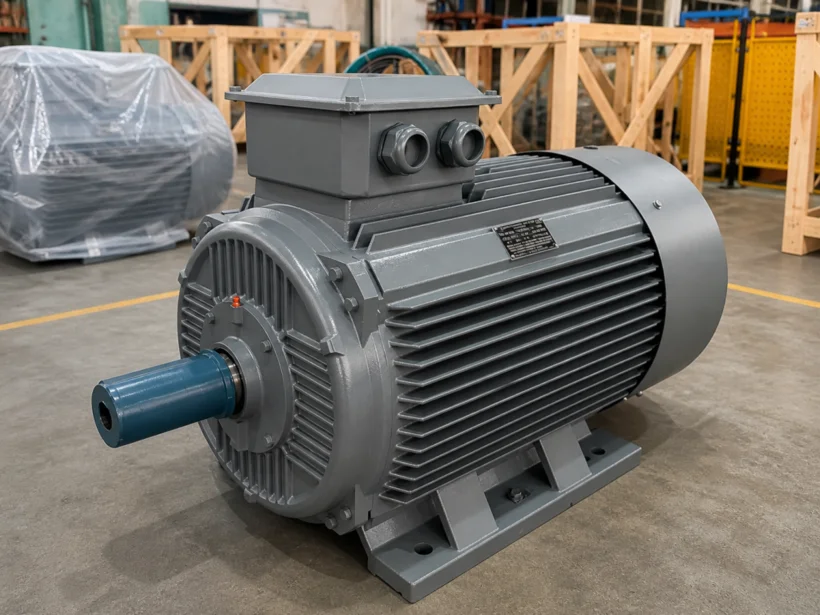
Frame Size and Weight
The motor's physical size and weight show the amount of material it contains and affect the price. A heavier, larger motor of the same power generally contains more copper and steel. This increases both its durability and its cost.
The frame size also shows the motor's compliance with standards. Standard dimensions also provide an advantage in terms of stocking and replacement.
Insulation Class and Price
The motor's insulation class (such as F or H) shows up to what temperature it can operate safely. A high insulation class means higher-quality material and greater durability; this is reflected in the price. Demanding, hot environments require a high insulation class.
The correct insulation class determines the motor's life and safety. For that reason, it is a valuable component of the price.
Cooling Type and Cost
Standard fan-cooled motors are common and economical; special cooling solutions increase the cost. The external cooling fans used in motors running at very low speed bring additional cost. The cooling type is chosen according to the need of the application.
Correct cooling prevents the motor from overheating and extends its life. We explain the importance of heat control in our article on electric motor temperature control.
Certificates and Standards
Motors produced in compliance with international standards and certificates also carry the cost of this compliance. However, these certificates document the motor's quality and safety. A certified motor delivers both assurance and compliance.
Especially in exports and large projects, certificate compliance is important. This too is a value element reflected in the price.
Delivery and Logistics Cost
The motor's delivery method and logistics can also affect the total cost. Especially in large, heavy motors, transport is an item to consider. Suppliers with large stock and a widespread logistics network provide an advantage in this respect.
Fast, safe delivery is also important for production continuity. The right supplier manages the logistics smoothly too.
The Right Choice for Your Budget
A motor suited to every budget can be found; what matters is spending the budget on the right features. Instead of spending money on features that are not needed, you should focus on the power, efficiency and protection class the application requires. The right priority ensures efficient use of the budget.
An expert supplier helps you determine the motor best suited to your budget. This in turn means both savings and the right solution.
The Balance of Price and Performance
The ideal motor selection is striking the balance between price and performance. The cheapest motor is usually inadequate, while the most expensive motor is often more than needed. The right balance is a motor that fully meets the need and is reasonably priced.
This balance is established by correctly analysing the real need of the application. The correct analysis protects both the performance and the budget.
A Long-Term Investment Perspective
An electric motor is often an investment that will be used for years. For that reason, the price decision should be thought of in the long term, not the short term. A quality, efficient motor delivers low cost and high reliability throughout its life.
A long-term perspective is the foundation of the right motor investment. This approach reduces both cost and risk.
An Informed Purchase With the Right Information
Knowing the factors that determine the price of an electric motor lets you make an informed purchase. When you understand why a particular feature affects the price, you can make the most suitable and most economical decision for your needs. Information is the key to the right purchase.
An informed buyer sees the value behind the price and makes the right choice. This in turn lets you get your money's worth.
The Advantage of Stock and Fast Supply
As important as a motor's price is how quickly it can be supplied. A motor bought from a supplier with large stock lets production continue quickly in case of failure; this in turn means indirect cost savings. The right motor found without waiting prevents lost production.
For that reason, in price evaluation, the stock situation and delivery speed should also be taken into account. Fast supply is an unseen but valuable part of the price.
DRG Motor for a Fairly Priced Motor
At DRG Motor, we supply quality motors across a wide power range, suited to different budgets. Our aim is to provide the motor best suited to your needs at the right price and to ensure you get your money's worth. By keeping the balance of power, efficiency, frame and warranty in view, we recommend the solution best suited to you.
To determine the motor best suited to your needs and budget and to get price information, you can get in touch with DRG Motor and review our product range on our products page, or visit our homepage. When the right price is combined with the right features, true value emerges.