 English
 Le français
 Türkçe

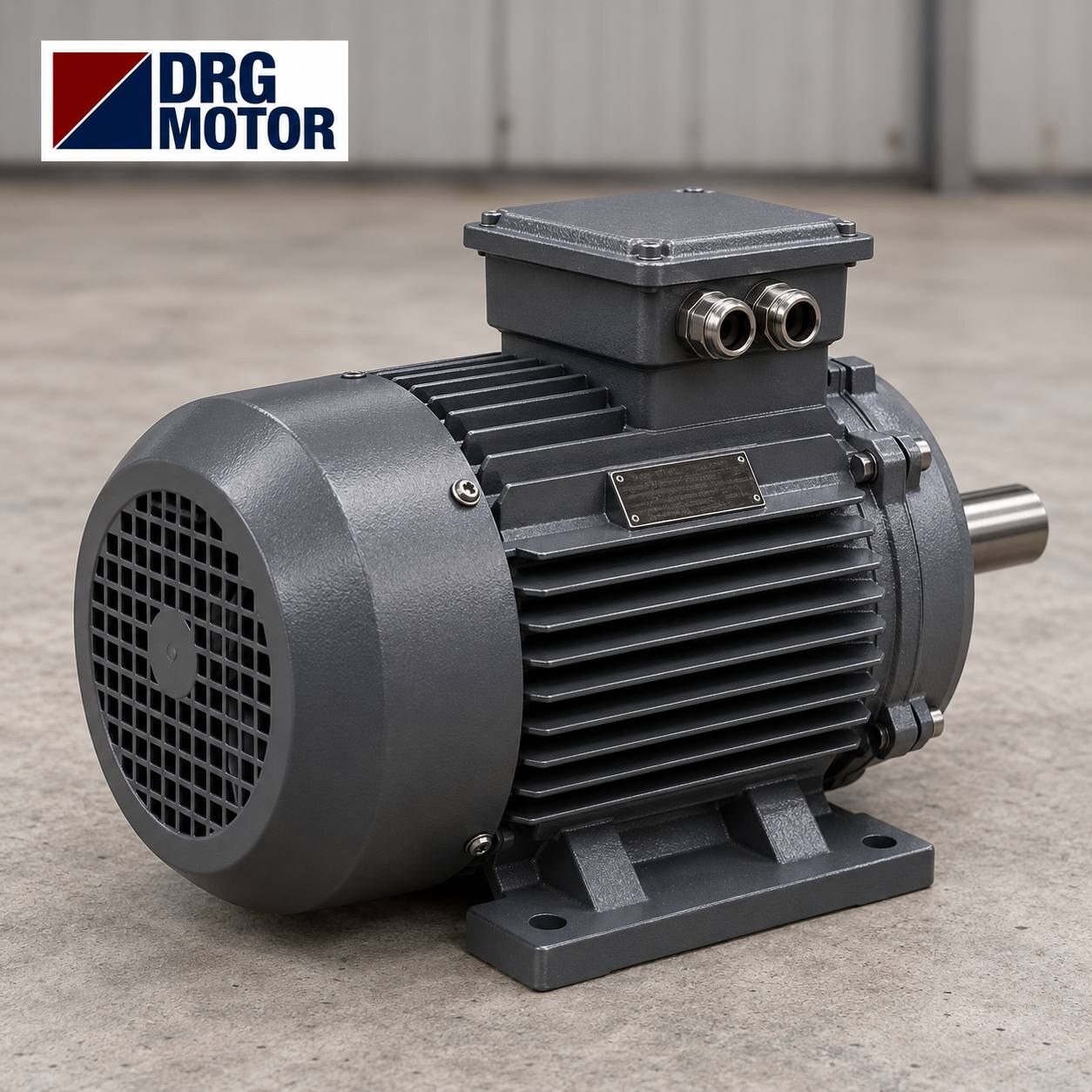

Conveyor and belt systems carry material from one point to another in countless plants, from mining to food, from packaging to heavy industry. Whether these lines run uninterrupted and smoothly depends on the electric motor that drives them. A correctly chosen motor lets the belt carry the load smoothly, while the wrong motor leads to stoppages, slippage and wasted energy. So how do you choose an electric motor for conveyor and belt lines?
At DRG Motor, this article looks at the torque, power, speed and durability criteria that determine the right motor selection for conveyor applications. To refresh the basic concepts of the motor, you can take a look at our article on what an electric motor is.
The Motor's Role in a Conveyor System
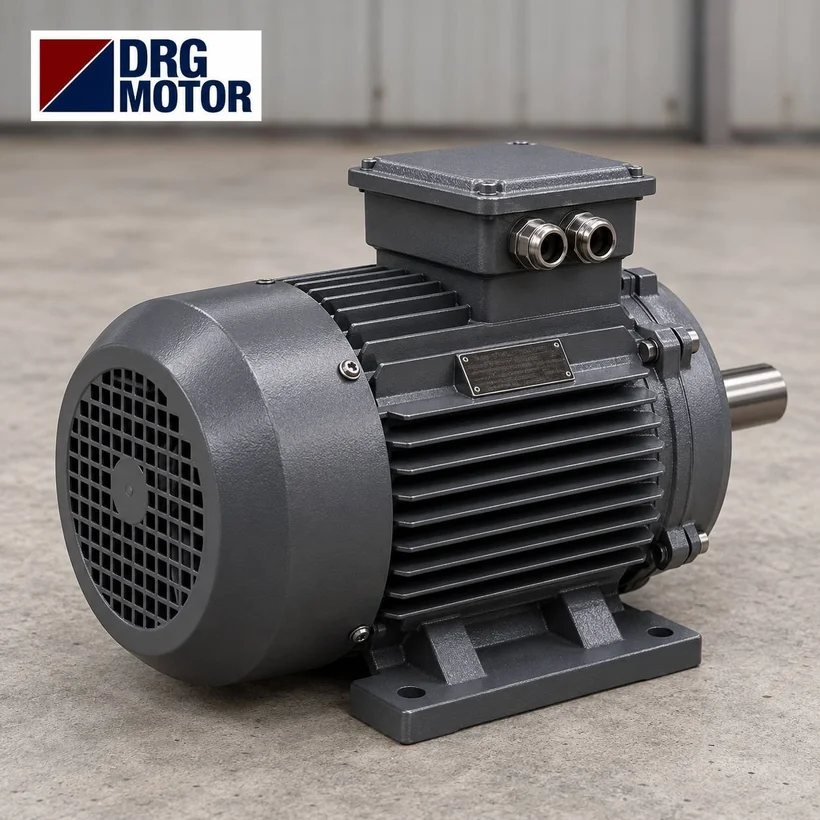
In a conveyor system, the motor is the main power source that moves the belt and the load on it. The motor must have enough power and torque to overcome the weight of the belt, the material being carried and the friction. A stopped motor usually means the whole line stops.
For that reason, the conveyor motor must be both powerful and reliable. The right choice keeps the line running without interruption.
Calculating the Total Load
The first step in motor selection is to calculate the total load the belt will carry. This calculation includes the weight of the belt itself, the weight of the material being carried and the incline of the line. The total load directly determines the power the motor will require.
A motor chosen without correctly calculating the load will either fall short or be needlessly oversized. The correct calculation means an efficient, trouble-free line.
The Need for High Torque
Conveyors demand high torque, especially when they cut in under load. To set the heavy, stationary belt and load in motion, the motor needs strong starting torque. Insufficient torque causes the belt to struggle at startup or fail to move at all.
For that reason, conveyor motors are selected with a capacity capable of producing high torque. High torque ensures heavy loads are carried safely.
Using a Geared Motor
In conveyors, there is usually a gearbox between the motor and the belt. The gearbox reduces the motor's speed and increases the torque, so the belt turns slowly but powerfully. This combination allows heavy loads to be carried at low speed and high torque.
The geared motor is indispensable in conveyor applications. The correct gear ratio ensures the belt operates at the desired speed and power.
Speed and Belt Velocity
The belt's speed is determined by the motor's speed and the gear ratio. Some applications call for slow, controlled transport, while others require fast transport. The correct speed and gearbox selection ensure the belt operates at the speed suited to the application.
The wrong speed either slows down production or prevents the material from being carried properly. For that reason, the belt speed must be determined carefully.
Power on Inclined Conveyors
Upward-inclined conveyors demand higher power because they carry material against gravity. As the incline increases, so does the power and torque the motor requires. For that reason, on inclined lines the motor must be chosen to meet the additional load.
If the incline is ignored, the motor is constantly strained and overheats. The correct power selection ensures safe transport on inclined lines too.
Durability for Continuous Operation
Conveyors often run uninterrupted throughout production. For that reason, the motor must be suited to continuous duty and durable. Quality bearings, a solid housing and good cooling determine the reliability of a continuously running conveyor motor.
On a continuously running line, even a momentary stop of the motor affects production. For that reason, durability is among the priority criteria in a conveyor motor.
Cast Iron Frame and Demanding Environments
Conveyors often operate in dusty, humid or heavy industrial environments. In these conditions, durable cast iron framed motors are preferred. A solid housing protects the motor from impact, dust and heat.
We explain the advantages of the cast iron frame in our article on the cast iron electric motor. A solid housing extends the life of the conveyor motor.
Choosing the Protection Class (IP)
The environment in which the conveyor motor will operate determines the protection class. Dusty and damp environments call for motors with a high IP protection class. The correct protection class prevents the motor from being damaged by dust and moisture and extends its life.
In conveyors operating in the open air or in demanding environments, the protection class becomes even more important. A suitable IP class protects the motor under all conditions.
Efficiency and Energy Saving
Because conveyors run for long hours, the motor's efficiency directly affects the energy cost. A high-efficiency motor carries the same load using less energy and delivers significant savings over time. On continuously running lines, efficiency translates directly into profit.
We discuss how efficiency classes benefit your operation in our article on high-efficiency electric motors. An efficient conveyor motor reduces the energy bill.
Speed Control With a Frequency Inverter
A frequency inverter lets you adjust the conveyor's speed to match demand. This is important for matching the production pace and for energy saving. The inverter also provides soft starting, protecting the belt and load from the shock of starting.
We explain the saving logic of the inverter in our article on the frequency inverter and energy saving. Speed control delivers a flexible, efficient line.
Soft Starting and Belt Protection
When a conveyor cuts in suddenly, a sudden tension forms on the belt and load, which can cause the belt to slip or strain. A soft starter or inverter prevents this problem by bringing the motor up gradually. Soft starting protects both the belt and the motor.
Especially in heavily loaded and long conveyors, soft starting provides important protection. This in turn extends the life of the line.
Rotor and Winding Quality
A conveyor motor's ability to produce high torque steadily depends on the quality of its rotor and copper winding. A quality copper winding increases efficiency and reduces heating, while a solid rotor carries the high torque safely.
We explain the effect of winding quality on performance in our article on rotor copper-wound electric motors. A quality winding is the foundation of a powerful conveyor motor.
Three-Phase Conveyor Motors
Because industrial conveyors require high power and torque, they almost always run with 380V three-phase motors. Three-phase motors produce high torque in a balanced way and run without vibration. In small, light conveyors, single-phase motors may also be used.
The correct supply type is essential for the conveyor to run trouble-free. On high-power lines, a three-phase motor is the most suitable choice. You can read more in our article on three-phase motors in industry.
Conveyors in Mining and Heavy Industry
In mining and heavy industry, conveyors carry very heavy and abrasive materials. In these applications, the motor demands high torque and superior durability. The dusty, demanding conditions also make a high protection class necessary.
For an example of a heavy application that demands high torque, you can look at our article on stone crushing plant motors. Heavy industrial conveyors demand a powerful, durable motor.
Mounting and Alignment
The mounting type and alignment of the conveyor motor affect performance and service life. The alignment between the motor, gearbox and belt must be carefully ensured. Faulty alignment leads to vibration, bearing failure and efficiency loss.
Correct mounting ensures the power is transmitted efficiently to the belt and that operation is balanced. This in turn gives the line a long service life.
Thermal Protection and Safety
In conveyor motors, thermal protection is an important safeguard against overload and overheating. When the belt jams or the load increases, the motor is strained; thermal protection cuts in, stops the motor and prevents burnout. This protection is critical for the safety of the line.
A motor with thermal protection protects itself during unexpected load increases. This in turn prevents costly failures.
Correct Power Selection and Safety Margin
In a conveyor motor, the correct power is determined by the total load and the incline, with a reasonable safety margin added on top. This margin lets the motor operate without struggling during sudden load increases. However, excessive power means needless energy and cost.
To see the power options, you can refer to our power (kW) and speed table. The correct power is the foundation of an efficient, safe line.
The Consequences of Choosing the Wrong Motor
Choosing the wrong motor for a conveyor leads to serious problems. Insufficient torque causes the belt to stop at startup, while low power slows the line down. An oversized motor, meanwhile, wastes energy. These mistakes mean both lost production and added cost.
The right choice, on the other hand, lets the belt carry the load smoothly, without interruption and efficiently. That is why motor selection is one of the most important decisions for a conveyor system.
Bearings, Grease and Dust
A long service life for a conveyor motor is possible with regular maintenance. Checking the bearings, the gearbox oil, cleaning and monitoring alignment are the basic maintenance steps. In conveyors operating in dusty environments, maintenance becomes even more important.
Neglected maintenance can turn into major failures on a continuously running line. Planned maintenance noticeably extends the life of the motor and the line.
Industrial Conveyor Systems
In large production plants, conveyors form the backbone of production. In these systems, uninterrupted and efficient operation of the motor is critical for the continuity of production. A stopped conveyor motor can affect the entire production chain.
You can look at our article on industrial electric motors for motors suited to heavy industrial conditions. Industrial conveyors demand a reliable motor.
Total Cost and Return on Investment
The cost of a conveyor motor is not limited to the purchase price; energy consumption and maintenance expenses must also be taken into account. Although a high-efficiency motor is a little more expensive at the outset, it pays for itself over time through energy savings. On continuously running lines, this difference appears quickly.
For that reason, when choosing a conveyor motor you should look not at the initial price but at the total cost of ownership. An efficient motor pays you back throughout its life.
A Conveyor Motor From the Right Supplier
Buying your conveyor motor from the right supplier is as important as the quality of the product itself. A reliable supplier recommends a motor with the correct torque and power, provides a warranty and offers technical support. This makes it easier to find the most suitable motor for your line.
We explain the criteria for choosing a reliable supplier in our article on choosing an electric motor dealer. The right source means the right conveyor motor.
Belt Width and Motor Power
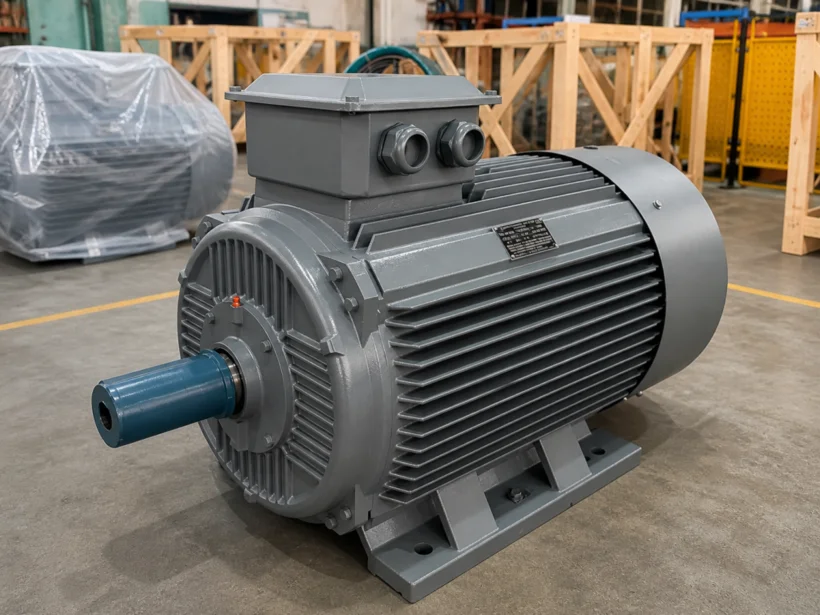
The width of the conveyor belt affects the amount of material that can be carried, and therefore the motor power required. Wide belts carry more load and demand a more powerful motor. For that reason, belt width is a parameter considered in motor selection.
Choosing an oversized motor for a narrow belt is wasteful, while insufficient power for a wide belt means strain. The right balance ensures efficient transport.
Friction and Resistance
The friction that arises as the belt moves is a resistance the motor has to overcome. The friction between the bearings, rollers and belt surface is added to the required power. For that reason, friction should not be ignored in the power calculation.
A well-maintained, properly aligned conveyor produces less friction and strains the motor less. This in turn delivers energy savings.
Load Profile and Variable Load
In some conveyors the load is constant; in others it changes over time. On variable-load lines, the motor must have the capacity to handle the highest load. A frequency inverter increases efficiency by adjusting the speed under variable load.
Analysing the load profile correctly allows you to predict when and how much the motor will be strained. This in turn is the foundation of the right selection.
Emergency Stopping and Safety
In conveyor systems, being able to stop the line quickly when needed is important for safety. The motor and control system must be chosen to suit the need for emergency stopping. Inverter-driven systems can also provide controlled stopping.
Safe stopping is critical for the safety of both the workers and the material being carried. The right control system supports this safety.
Conveyors With Multiple Motors
On long conveyor lines, more than one motor may be used to carry the load in a balanced way. The synchronised operation of these motors ensures the belt moves smoothly. In multi-motor systems, it is important that the motors share the same specification and are compatible.
A well-planned multi-motor system provides balanced transport on long, heavy lines. This in turn extends the life of the belt and the motors.
Common Uses
Conveyors used in the food sector call for special conditions due to hygiene and cleaning requirements. In these applications, it is important for the motor to be cleanable, protected and moisture-resistant. A high protection class is necessary in these environments.
A correctly chosen motor ensures the food line operates hygienically and without interruption. Suitable protection protects both the product and the motor.
Energy Efficiency and Operating Hours
The energy cost of a conveyor motor depends on its power and on its operating hours. On a line that runs throughout production, an efficient motor delivers significant savings over the year. The longer the operating time, the greater the return on efficiency.
For that reason, in continuously running conveyors, choosing a high-efficiency motor should be a priority. Efficiency delivers its most visible gain over long operating hours.
Expert Support for the Right Choice
Choosing a motor for a conveyor requires evaluating many factors together, such as total load, incline, speed, environment and operating time. When in doubt, consulting an expert eliminates the risk of a wrong choice. The right support helps you find the most suitable motor.
At DRG Motor, we offer technical support to determine the most suitable motor for your conveyor line. The right choice delivers both efficiency and long service life.
DRG Motor for a Trouble-Free Conveyor Line
At DRG Motor, we supply high-torque, durable cast iron framed and high-efficiency motors for conveyor and belt lines. Our aim is to ensure your line carries the load smoothly, without interruption and efficiently. By bringing together the correct power, torque and durability, we recommend the solution best suited to you.
To choose the most suitable motor for your conveyor line and to receive technical support, you can get in touch with DRG Motor and review our product range on our products page, or visit our homepage. The right conveyor motor safeguards the uninterrupted flow of your production line.