 English
 Le français
 Türkçe

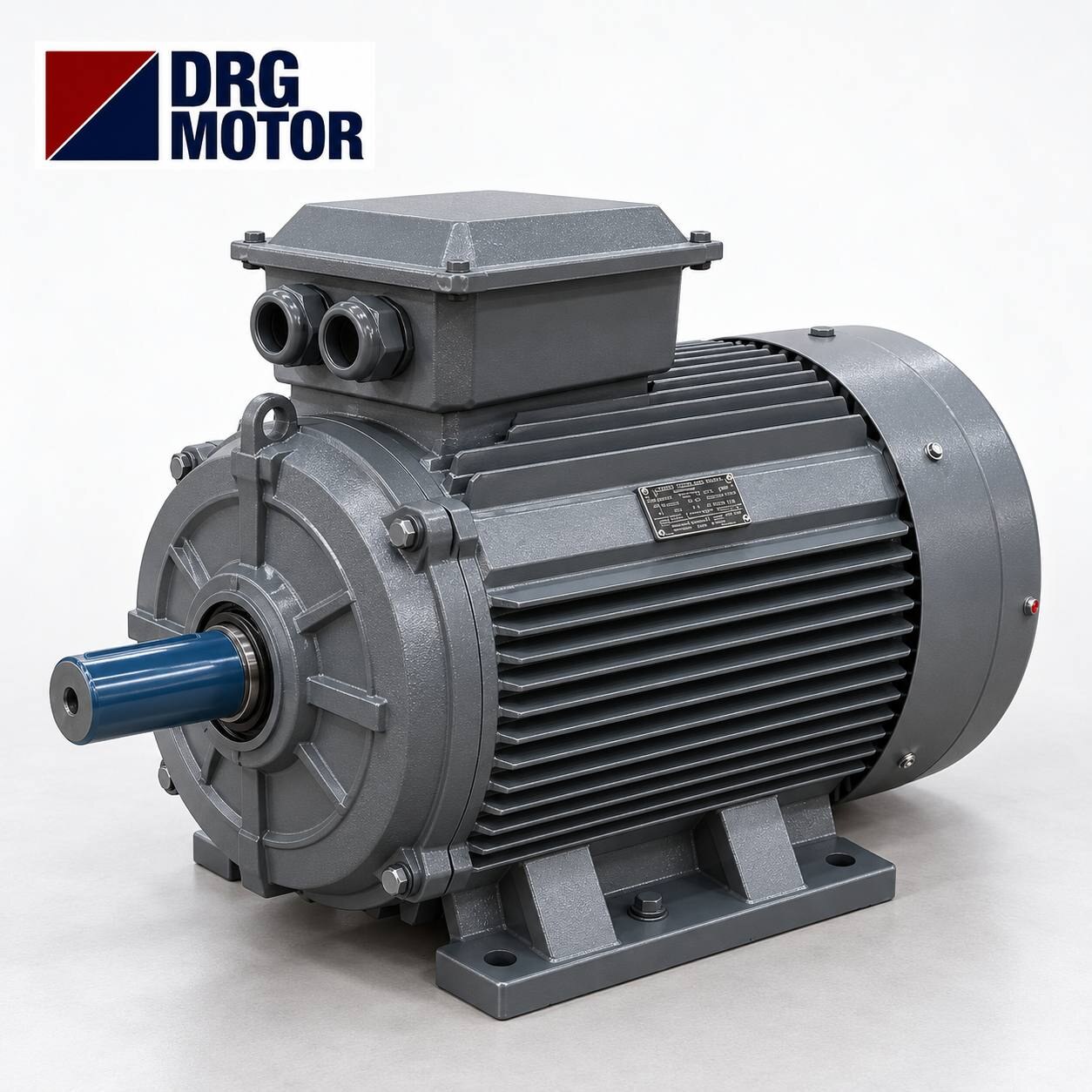

An electric motor heats up to a certain degree while running; this is natural. However, overheating is the motor's greatest enemy. High temperature wears out the insulation, strains the bearings and seriously shortens the motor's life. At the root of many motor failures lies heat that could not be brought under control. For that reason, understanding why a motor heats up and keeping its temperature in check is the key to motor longevity. So how do you keep an electric motor's temperature under control?
At DRG Motor, this article looks at the reasons motors heat up and the ways to keep the temperature in check. To refresh the internal structure of the motor and the heat-producing components, you can take a look at our article on what an electric motor is.
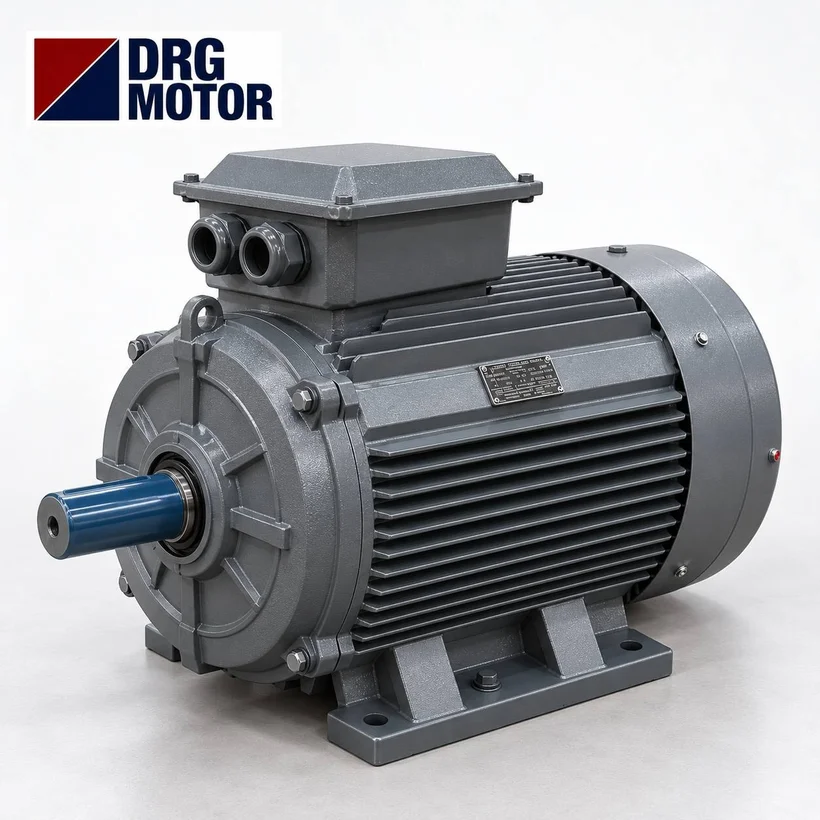
Why Does a Motor Heat Up?
An electric motor loses some of its energy as heat while converting electrical energy into mechanical energy. Winding resistance, magnetic losses and friction are the main sources of this heat. A certain amount of heating is normal; but the problem begins when this heat cannot be dissipated adequately or becomes excessive.
Understanding the cause of the heating is the first step in finding the right solution. Often, heating is a sign of a design or usage error.
Overload and Heating
The most common cause of a motor overheating is being run beyond its capacity. A motor that runs continuously above the power or current written on its nameplate overheats its windings. This can lead to the insulation breaking down and the motor burning out.
For that reason, the motor must be chosen with a power suited to the application and must not be run continuously at overload. Correct sizing is the foundation of preventing overheating.
Incorrect Power Selection
A motor chosen with a power smaller than needed is constantly strained and overheats. An oversized motor, on the other hand, runs inefficiently at low load. Both situations create problems in terms of temperature and efficiency. The correct power selection lets the motor run close to its rated load and cool.
To see the power options, you can refer to our power (kW) and speed table. The correct power is the starting point of heat control.
Voltage Problems
If the supply voltage differs from the value written on the nameplate, the motor is strained and heats up. Low voltage causes the motor to draw more current, while unbalanced phase voltage leads to overheating in three-phase motors. For that reason, the supply voltage must be steady.
In places where voltage fluctuations are frequent, using protection relays safeguards the motor. The correct voltage lets the motor run cool.
Phase Imbalance
In three-phase motors, voltage imbalance between the phases leads to serious heating. A missing or weak phase causes the other phases to be overloaded. Phase loss can cause the motor to heat up quickly and burn out.
Phase protection relays detect such problems and stop the motor. A balanced phase supply is essential for the safe operation of the motor.
Insufficient Cooling
Most motors are cooled by a fan at the shaft end. The fan or the cooling fins becoming covered with dust blocks the cooling and heats the motor. Inadequate ventilation also increases heating in an enclosed, hot environment.
Keeping the cooling surfaces clean and running the motor in a well-ventilated environment keeps the temperature in check. Clean cooling means low temperature.
Dust and Dirt Build-up
Dust accumulating on the motor housing and cooling fins blocks heat dissipation and heats the motor. This problem is seen more often in motors operating in dusty environments. Regular cleaning allows the heat to be dissipated outward.
Motors with a high protection class should be preferred for dusty environments. The correct protection and cleaning noticeably reduce heating.
Mechanical Problems and Friction
Worn bearings, faulty alignment and unbalanced load increase friction and therefore heat. These mechanical problems cause the motor to be strained and to heat up further. Regular bearing checks and correct alignment prevent this heating.
Mechanically caused heating is often seen together with vibration and noise. These signs are important clues for early intervention.
Frequent Cutting In and Out
At every start, the motor draws high current, and this contributes to heating. A motor that cuts in and out very frequently can overheat because of the starting currents. For that reason, in frequently operating applications, solutions that reduce the number of starts are important.
An air receiver or the right control system reduces unnecessary starts and limits heating. Fewer starts mean less heating.
High Ambient Temperature
If the temperature of the environment in which the motor operates is high, the motor cools with more difficulty and runs hotter. Standard motors are designed for a certain ambient temperature; in hotter environments, this must be taken into account. If necessary, the motor is used below its power or additional cooling is provided.
In hot environments, motors with a high insulation class should be preferred. The right choice ensures safe operation even in a hot environment.
Winding and Insulation Quality
The quality of the motor's winding and insulation determines its resistance to heating. A quality copper winding produces less heat with low resistance. Good insulation, meanwhile, withstands high temperature and lets the motor operate safely.
We explain the effect of winding quality on heating in our article on rotor copper-wound electric motors. A quality winding is the foundation of low heating.
High-Efficiency Motors Heat Up Less
High-efficiency motors run cooler because they convert less energy into heat. Low losses mean low heating. For that reason, choosing an efficient motor delivers both energy savings and a lower temperature.
We discuss the advantages of efficiency classes in our article on high-efficiency electric motors. An efficient motor pays you back in terms of heating too.
Thermistors and Temperature Sensors
Thermistors and temperature sensors are used to monitor the motor temperature continuously. These sensors stop the motor when the winding temperature exceeds a certain threshold and prevent it from burning out. Especially in critical applications, temperature monitoring is an important safeguard.
Temperature sensors allow the motor to give a warning before it fails. This in turn means early intervention and cost savings.
Thermal Overload Relay
The thermal overload relay protects the motor by breaking the circuit when the motor draws excessive current. It cuts in during situations such as overload or phase loss and prevents the motor from burning out. This protection is a basic safety measure for every motor.
A correctly set thermal relay protects the motor from both overload and overheating. This simple measure prevents costly failures.
The Frequency Inverter and Heating
A frequency inverter brings the motor up to speed gently, reducing the starting current and the associated heating. It also prevents unnecessary heating by running the motor only at the load needed. This lets the motor run cooler and more efficiently.
We explain how the inverter saves energy in our article on the frequency inverter and energy saving. Speed control reduces heating too.
The Importance of the Protection Class
The correct IP protection class protects the motor from dust and moisture, which indirectly affects heating. Because dust build-up blocks cooling, a protected motor stays cleaner and cooler. A protection class suited to the environment is part of heat control.
In dusty and damp environments, a high IP class should be preferred. The correct protection protects both the motor and its cooling.
Bearings, Grease and Dust
One of the most effective ways to prevent overheating is regular maintenance. Cleaning, bearing checks, lubrication and connection tightness are the basic maintenance steps that reduce heating. Neglected maintenance brings heating and failure with it.
We explain the contribution of regular maintenance to motor life in our article on electric motor maintenance. Maintenance is an indispensable part of heat control.
The Signs of Overheating
There are signs that show a motor is overheating: the housing being too hot to touch, a burning smell, abnormal current draw and frequent thermal tripping. If these signs are noticed early, major failures can be prevented.
When these signs appear, the motor's load and operating conditions should be checked. Early intervention protects both the motor and your costs.
The Effect of Heating on Motor Life
Every increase in motor temperature shortens the life of the insulation. As a general rule, marked increases in operating temperature reduce motor life rapidly. For that reason, keeping the motor cool means directly extending its life.
A motor that runs at a low temperature serves trouble-free for years. Heat control is the key to this long life.
Correct Mounting and Ventilation
The motor's mounting location and the air flow around it directly affect its cooling. A motor mounted too close to a wall or in an enclosed space cannot cool sufficiently. Leaving enough clearance and air flow around the motor reduces heating.
Correct mounting allows the cooling fan to pass air freely. This in turn contributes to the motor running cool.
A Motor Suited to the Duty Regime
Whether the motor will run continuously or intermittently affects its heating behaviour. A motor not suited to continuous duty overheats when run for long periods. For that reason, the motor must be chosen to suit the duty regime (such as S1 or S2).
A motor running in the correct regime keeps its temperature within safe limits. A regime suited to the application is part of heat control.
The Advantage of a Quality Motor
A quality-built motor heats up less thanks to a good winding, balanced rotor, quality bearings and optimised cooling. Cheap, low-quality motors, on the other hand, often cause overheating problems. For that reason, a quality motor is a safeguard against heating as well.
A quality motor bought from a reliable supplier minimises heating problems. For choosing the right supplier, you can look at our article on choosing an electric motor dealer.
Heat Management in Next-Generation Motors
Next-generation motors manage heat better thanks to advanced design and materials. Optimised cooling and high efficiency let these motors run cooler. Replacing old, overheating motors with new high-efficiency motors reduces both heating and energy cost.
We discuss the advantages of modern motors in our article on next-generation electric motors. New-generation technology makes a difference in heat management too.
Summary Recommendations for Temperature Control
To keep the motor temperature in check, you need to choose a motor of the correct power, carry out regular cleaning, ensure cooling, keep the voltage steady and use thermal protection. When these measures are applied together, overheating of the motor is largely prevented.
Temperature control is achieved not by a single measure but by the whole of these steps together. The right approach lets the motor operate both efficiently and for a long time.
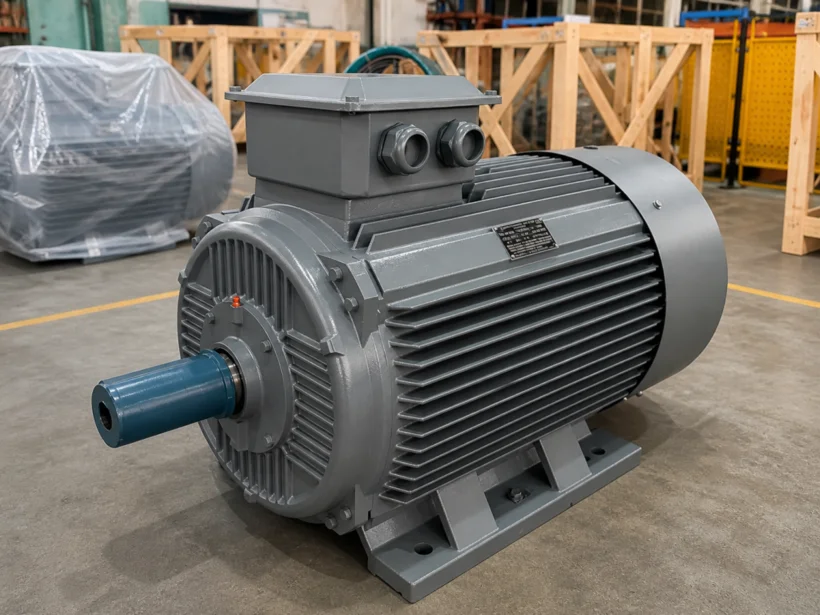
Lubrication and Bearing Temperature
Bearings are among the motor's hottest mechanical parts. Insufficient or excessive lubrication increases the bearing temperature and leads to failure. Lubrication of the correct amount and type lets the bearings turn cool and trouble-free.
Lubrication in line with the supplier's instructions extends bearing life and reduces heating. Neglected lubrication means rapid wear and heating.
Cable Cross-Section and Connections
If the cross-section of the cables running to the motor is insufficient or the connections are loose, heating occurs at these points. Loose connections can lead to sparking and overheating. The correct cable cross-section and tight connections prevent electrically caused heating.
The connections in the terminal box should be checked periodically. A solid connection means both safety and low heating.
Harmonics and Supply Quality
Harmonics and voltage distortions in the supply network can cause additional heating in the motor. This problem is seen especially in plants with a large number of electronic devices. A quality supply and suitable filtering reduce heating from this source.
Supply quality should not be ignored for the healthy, cool operation of the motor. Clean power delivers low heating.
Cooling Types
Motors are designed with different cooling methods; the most common is air cooling by a fan at the shaft end. In motors running at very low speed, an external (forced) cooling fan may be used. A cooling type suited to the application keeps the temperature in check.
In motors running at low speed for long periods, a standard fan may be inadequate. In these cases, additional cooling solutions come into play.
Overload Detection
Modern control systems detect overload early by monitoring the current the motor draws. When the current exceeds a certain value, they give a warning or stop the motor. This early detection prevents overheating from turning into a major failure.
Current monitoring is an effective way to continuously track the motor's health. Early detection protects both the motor and production.
The Relationship Between Temperature and Efficiency
As a motor heats up, its efficiency falls, because the increased resistance leads to more losses. In other words, overheating adversely affects the life and the energy efficiency. A motor that runs cool is both long-lasting and more efficient.
For that reason, heat control is at the same time an energy-saving measure. Low temperature means high efficiency.
Periodic Temperature Measurement
Measuring the temperature of motors periodically allows problems to be caught early. Measurements taken with a thermal camera or a contact thermometer reveal abnormal heating. Regular measurement is an important part of the maintenance plan.
Monitoring the temperature trend can show in advance that a failure is approaching. This in turn allows for planned intervention.
DRG Motor for Motors That Stay Cool
At DRG Motor, we supply low-heat-rise motors that bring together quality copper windings, optimised cooling and a high efficiency class. Our aim is to ensure your motor runs cool, efficiently and for a long time. By determining the correct power, protection class and efficiency class together, we recommend the solution best suited to you.
To choose the most suitable, low-heat-rise motor for your application and to receive technical support, you can get in touch with DRG Motor and review our product range on our products page, or visit our homepage. Keeping the temperature in check is the guarantee that your motor will run trouble-free for years.