 English
 Le français
 Türkçe

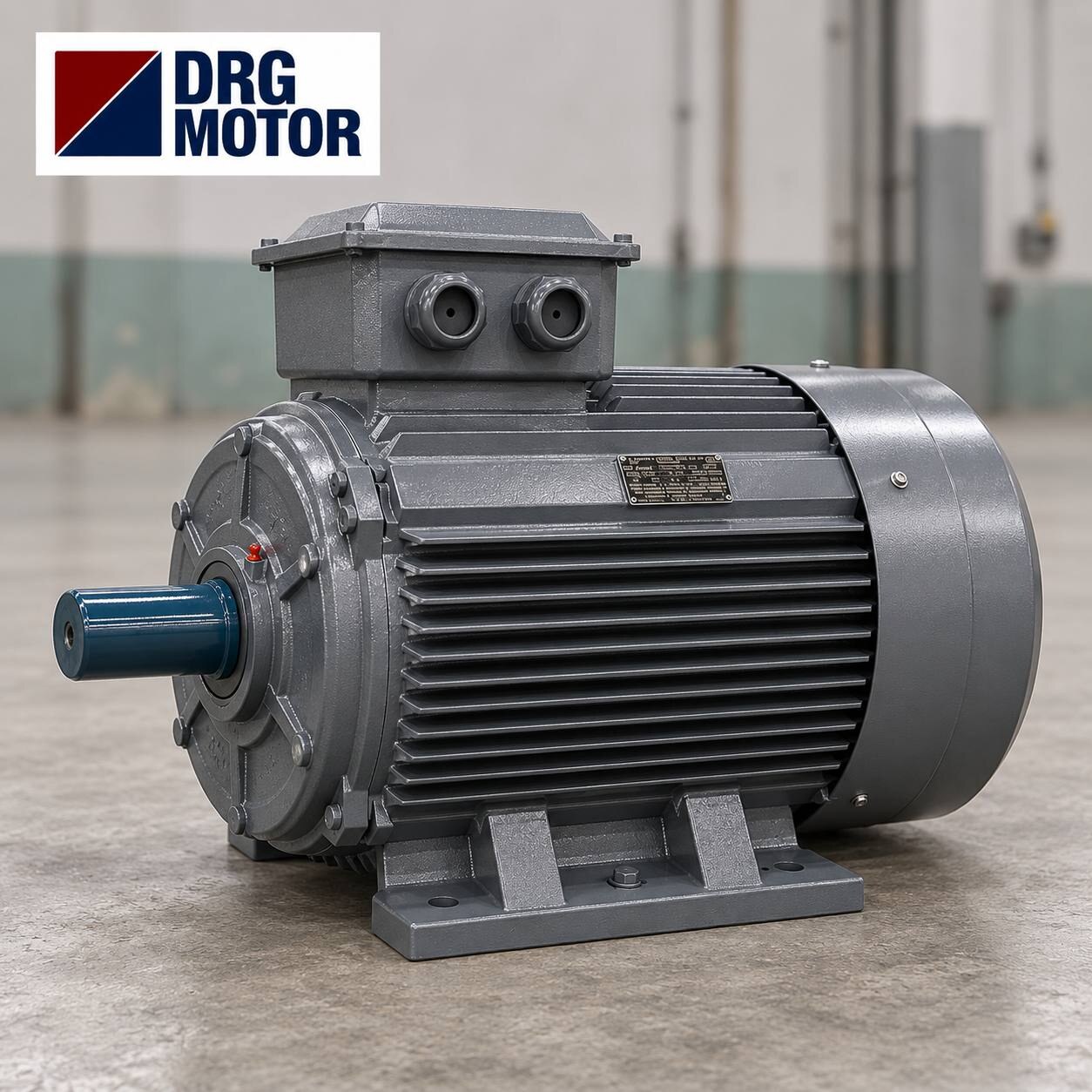

With the right care, an electric motor can run trouble-free for decades; when neglected, it can fail at an unexpected moment and bring production to a halt. The most important factor determining a motor's life is often not its brand or its power, but the care shown to it. Regular, correct maintenance both prevents failures and keeps the motor running efficiently. So what are the maintenance steps that extend the life of an electric motor?
At DRG Motor, this article looks at the basic maintenance steps that extend motor life and the points to watch out for. To refresh the internal structure of the motor and the components that require maintenance, you can take a look at our article on what an electric motor is.
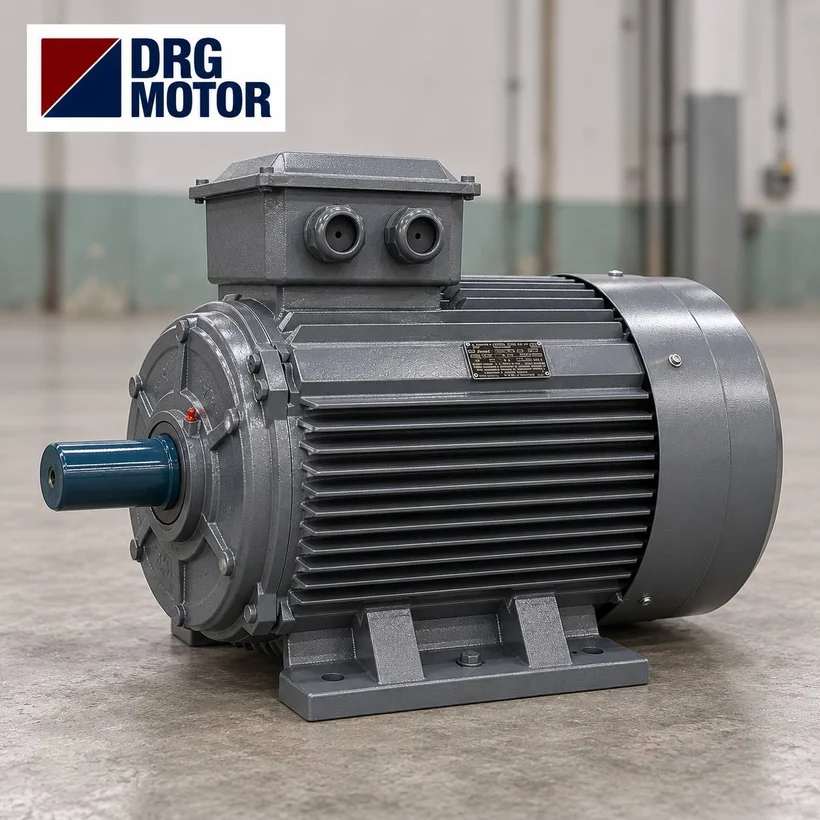
Why Is Maintenance Important?
As a motor runs continuously, its parts gradually wear; bearings wear out, dust builds up and connections can loosen. Regular maintenance allows this wear to be noticed and remedied early. In this way, small problems are solved before they turn into major and costly failures.
Maintenance protects the motor's life and its efficiency. A well-maintained motor continues to run close to its first-day performance.
Regular Cleaning
Dust accumulating on the motor's outer surface and cooling fins blocks heat dissipation and heats the motor. For that reason, the motor must be cleaned at regular intervals. Especially in motors operating in dusty environments, cleaning must be done more frequently.
A clean motor cools better and heats up less. Cleaning is a simple maintenance step that directly affects service life.
Bearing Checks and Lubrication
Bearings are among the most worn parts of a motor. With regular checks, wear is noticed early; when needed, lubrication is carried out or the bearing is replaced. Lubrication of the correct amount and type lets the bearings turn cool and trouble-free.
Lubrication should be done while the motor is stopped and in line with the supplier's instructions. Excessive or insufficient lubrication leads to bearing failure.
Checking Electrical Connections
The connections in the motor's terminal box can loosen over time due to vibration. Loose connections lead to heating, sparking and phase loss. For that reason, the connections must be checked periodically and kept tight.
Solid, tight connections mean both safety and low heating. This check is one of the basic maintenance steps.
Maintenance of the Cooling System
The motor's cooling fan and fan cover provide the air flow. These areas becoming clogged with dust blocks the cooling and heats the motor. Regular cleaning of the cooling channels and the fan lets the motor run cool.
The healthy operation of the cooling is critical for motor life. We explain the ways to prevent overheating in our article on electric motor temperature control.
Monitoring Vibration and Sound
Unusual vibration or sound in a motor is often a sign of a problem. An unbalanced rotor, a worn bearing or faulty alignment shows itself as vibration. If these signs are noticed early, major failures are prevented.
Regular listening and vibration monitoring is an effective way to track the motor's health. An abnormal sound is a warning that should be taken seriously.
Temperature Monitoring
Monitoring the motor temperature regularly allows overheating to be caught early. Measurements taken with a thermal camera or a contact thermometer reveal abnormal heating. An increase in temperature is often the first sign of a problem.
Regular temperature measurement is an important part of the maintenance plan. Heating noticed early prevents major failures.
Current and Voltage Checks
The current the motor draws and the voltage that supplies it give important information about its health. Abnormally high current points to overload or a mechanical problem. Regular current and voltage checks allow problems to be noticed early.
Phase imbalance or voltage problems are revealed by current monitoring. This check protects the motor from unexpected failures.
Alignment Check
The alignment between the motor and the equipment it drives can deteriorate over time. Faulty alignment leads to vibration, bearing wear and efficiency loss. A periodic alignment check prevents these problems.
Correct alignment ensures the power is transmitted efficiently to the equipment. This in turn extends the life of both the motor and the connected equipment.
Insulation Resistance Measurement
The insulation resistance of the motor windings can drop over time due to moisture and heat. Insulation resistance measurement carried out with devices such as a megger shows the condition of the windings. Low insulation resistance is a sign of an approaching failure.
This measurement is important especially in motors that have been idle for a long time or are in a damp environment. Regular measurement catches winding failures in advance.
Winding and Rotor Health
The winding and rotor, the heart of the motor, are components to watch in maintenance. A quality copper winding is long-lasting; however, overheating and moisture can wear out the insulation. Protecting winding health directly extends the motor's life.
We explain the importance of winding quality in our article on rotor copper-wound electric motors. A healthy winding means a healthy motor.
Avoiding Overload
Running a motor continuously above its capacity rapidly shortens its life. Overload heats the windings and wears out the insulation. For that reason, the motor must be run within its rated values and not constantly strained.
Choosing a motor of the correct power is the foundation of avoiding overload. You can find the power options in our power (kW) and speed table.
Improving Environmental Conditions
The environment in which the motor operates being dusty, damp or excessively hot increases the maintenance need and the risk of failure. Keeping the environment clean, dry and well-ventilated lets the motor last longer. A suitable protection class also protects the motor against these conditions.
A good operating environment reduces the maintenance burden and extends motor life. Environmental conditions are an inseparable part of maintenance.
Spare Parts Planning
In critical motors, keeping spares for frequently worn parts (especially bearings) ensures a rapid response in case of failure. Using standard-size motors and parts makes stocking spares easier. Planned spare parts management prevents long downtimes.
Keeping a spare motor safeguards continuity on critical production lines. This in turn reduces the cost of unplanned downtime.
Periodic Maintenance Plan
Carrying out maintenance regularly and in a planned way is far more effective than doing it randomly. A maintenance calendar that includes daily, monthly and annual checks ensures no step is skipped. Planned maintenance makes failures predictable.
A good maintenance plan ensures the motor operates reliably throughout its life. Order is the most important element of maintenance.
Recognising the Signs of Failure
There are signs a motor gives before it fails: increasing vibration, abnormal sound, overheating, a burning smell and frequent thermal tripping. Recognising these signs is the key to preventing major failures. Early intervention protects both the motor and your costs.
When these signs appear, the motor should be inspected and the cause remedied. Timely intervention prevents a small problem from growing.
Professional Maintenance Support
Some maintenance and repair operations require expertise. Winding repair, insulation measurement and detailed fault diagnosis are tasks that require professional support. Professional maintenance done correctly extends the motor's life.
A reliable supplier also helps with maintenance and technical support. For choosing the right supplier, you can look at our article on choosing an electric motor dealer.
Maintenance and Energy Efficiency
A well-maintained motor is long-lasting and more efficient. A clean, correctly lubricated and properly aligned motor runs with less energy. For that reason, maintenance indirectly provides energy savings too.
We also discuss the relationship between efficiency and maintenance in our article on high-efficiency electric motors. Maintenance protects both the life and the efficiency.
Ease of Maintenance in Next-Generation Motors
Next-generation motors require less maintenance thanks to lower heating and quality components. Replacing old, frequently failing motors with new high-efficiency motors reduces the maintenance burden and cost. Modern motors are both more reliable and easier to maintain.
We discuss the advantages of modern motors in our article on next-generation electric motors. New-generation technology makes maintenance easier too.
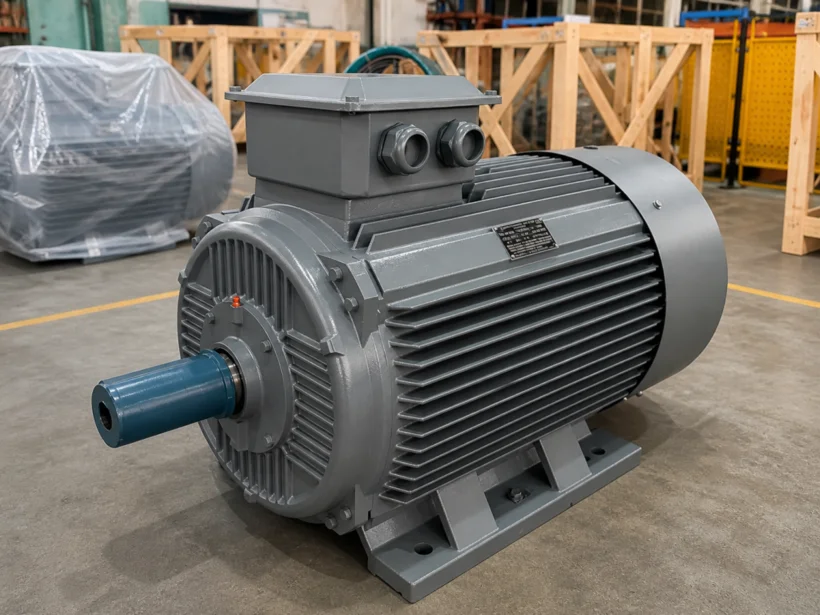
Daily Checks
Part of maintenance consists of simple checks that can be done every day. Listening to the motor's sound, feeling its temperature and observing its vibration can be part of the daily routine. These simple checks allow problems to be noticed at the earliest stage.
Daily observation does not take much time but prevents major failures. Regular attention protects the motor's health.
Weekly and Monthly Maintenance
More detailed checks are carried out at weekly and monthly intervals. The tightness of connections, the cleanliness of cooling surfaces and current values are checked during these periods. This medium-term maintenance keeps the motor running healthily.
Monthly maintenance is the bridge between daily observation and major annual maintenance. Regular intervals ensure no problem is overlooked.
Comprehensive Annual Maintenance
It is recommended that the motor receive comprehensive maintenance at least once a year. In this maintenance, the bearings, winding insulation, alignment and all connections are checked in detail. If necessary, worn parts are replaced.
Comprehensive annual maintenance ensures the motor operates safely throughout the following year. This major maintenance is the foundation of long life.
Keeping Maintenance Records
Keeping a record of every maintenance carried out allows you to track the motor's history. Which part was replaced and when, which problem arose and when; these are seen from these records. The maintenance history helps to predict future failures.
Regular record-keeping makes maintenance systematic. This in turn saves both time and cost.
Protection Against Moisture and Rust
Moisture adversely affects the motor's winding and metal parts. In motors that have been idle for a long time, moisture can build up and lower the insulation. For that reason, motors should be kept in a dry environment and, if necessary, dehumidifying measures taken.
In damp environments, motors with a high protection class should be preferred. Protection from moisture directly affects winding health.
Motors That Have Been Idle for a Long Time
Before running a long-idle motor again, the insulation resistance should be measured and a moisture check carried out. In idle motors, moisture and rust can cause problems at the first start. Correct preparation ensures a safe restart.
This check is especially important in seasonally used motors. A pre-start check ensures a trouble-free start.
Belt and Coupling Check
If the motor's power is transmitted to the equipment by a belt or coupling, the condition of these connections must also be checked. A loose or worn belt creates efficiency loss and vibration. Correct tension and a solid coupling ensure the power is transmitted efficiently.
A worn belt or coupling must be replaced in time. This simple check ensures the system operates in balance.
Terminal Box Maintenance
The terminal box where the electrical connections are made must be protected against moisture and dust. The box cover closing securely and the seals being intact prevents moisture and dust from entering. The connections inside the box must also be checked periodically.
A solid terminal box prevents electrical failures and phase loss. This in turn ensures the safe operation of the motor.
Housing and Grounding Check
The motor's grounding connection is critical for safety. A damaged or loose grounding creates a risk of electric shock. For that reason, the grounding connection must be checked regularly and kept secure.
A solid grounding is necessary for both worker safety and motor protection. This check is the safety step of maintenance.
Fan Cover and Impeller
The cover that protects the motor's cooling fan is important for both safety and air flow. A damaged or dust-clogged cover blocks the cooling. The fan impeller being solid and balanced ensures effective cooling.
Keeping the fan cover clean and solid contributes to the motor running cool. This small part is an important component of the cooling.
Using the Right Spare Parts
Using quality, suitable spare parts in maintenance and repair protects the motor's performance. Low-quality or incompatible parts lower the motor's efficiency and shorten its life. Parts of original quality keep the motor close to its first-day performance.
Especially in critical parts such as bearings, quality directly affects service life. The right part is part of correct maintenance.
The Rewind or Replace Decision
A motor whose winding has failed can often be repaired by being rewound. However, a poor-quality rewind lowers the motor's efficiency. For a very old or repeatedly rewound motor, switching to a new, efficient motor may be more economical.
The repair-or-replace decision is made according to the motor's condition and the importance of the application. The right decision delivers both cost savings and continuity.
The Effect of Maintenance on Cost
Regular maintenance, while at first glance appearing to be a cost, actually delivers great savings. Every failure prevented eliminates lost production, emergency repair expense and motor replacement. Planned maintenance is far cheaper than unplanned failures.
For that reason, maintenance is not an expense but an investment. Good maintenance pays you back throughout the motor's life.
Choosing an Easy-to-Maintain Motor
Some motors are easier to maintain thanks to their design. Standard dimensions, an easily accessible terminal box and quality bearings make maintenance easier. Ease of maintenance is a factor to consider in motor selection.
An easy-to-maintain motor saves both time and labour. This in turn returns as an advantage to the operation in the long run.
DRG Motor for the Right Motor and the Right Care
At DRG Motor, we supply quality, durable and easy-to-maintain motors. Our aim is to ensure your motor operates efficiently and reliably for years with regular maintenance. The right motor selection and regular maintenance safeguard the continuity of your production.
To choose the most suitable motor for your needs and to receive technical support on maintenance, you can get in touch with DRG Motor and review our product range on our products page, or visit our homepage. Regular maintenance is the most valuable investment in your motor.