 English
 Le français
 Türkçe

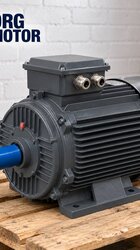
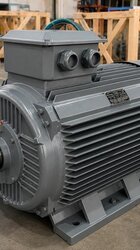
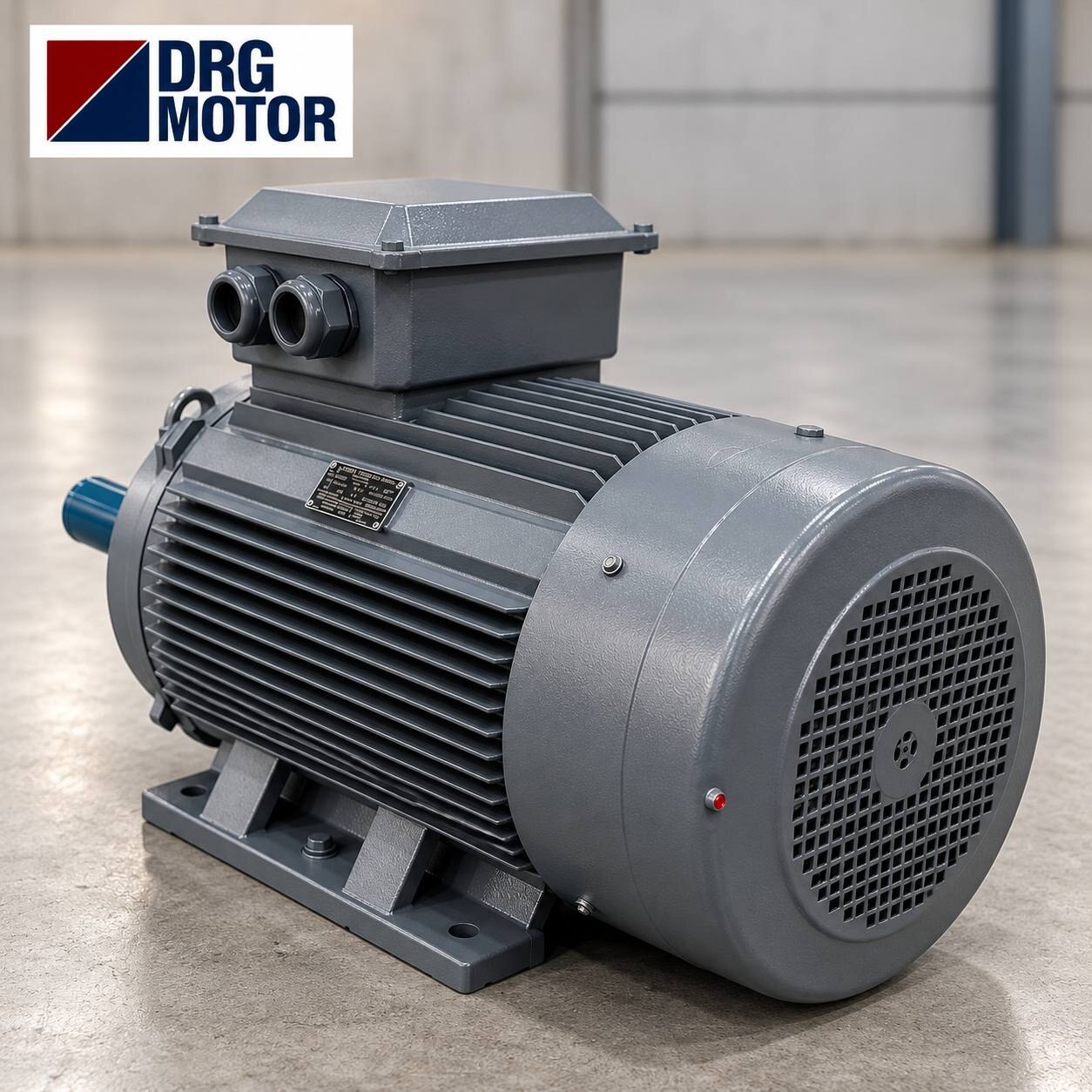

A high-efficiency electric motor costs more than a standard motor at the moment of purchase. This price difference makes many businesses hesitate. Yet the energy savings a high-efficiency motor provides repay that difference over time and then begin to deliver continuous gains. At this point a critical question arises: how quickly does a high-efficiency motor pay for itself? Calculating this period correctly is the foundation of an informed investment decision.
At DRG Motor, in this article we examine the payback period of a high-efficiency motor investment and the factors that affect it. You can find the general advantages of efficiency classes in our article on high-efficiency electric motors.
What Is the Payback Period?
The payback period is the time in which an investment repays itself. For a high-efficiency motor, this is the time at which the energy savings the motor provides cover the extra price paid. Once this period is over, the motor begins to deliver net gains. The payback period is the basic criterion showing whether the investment makes sense.
A short payback period means the investment repays itself quickly, which makes the efficient motor attractive.
Why Should It Be Calculated?
Calculating the payback period lets you see when the efficient motor investment will turn a profit. This calculation bases the purchasing decision on concrete data. A decision based on calculation rather than guesswork makes the investment safe. The payback calculation is therefore the foundation of an informed purchase.
A calculated payback period gives managers a clear basis for decision, strengthening the rationale for the investment.
The Effect of Operating Hours
The factor that most affects the payback period is how many hours a day the motor runs. A continuously running motor accumulates savings quickly and repays the investment in a short time. In a motor that runs little, the payback takes longer. Operating hours are therefore the most critical parameter of the calculation.
In a motor running 24 hours a day, the payback happens not in a few days but in a short period. Heavy operation means fast payback.
Annual Operating Days
How many days a year the motor runs also affects the payback period. A motor running almost without interruption throughout the year maximises savings. In a seasonally operating motor, the payback takes longer. Annual operating days determine the total savings.
As operating days increase, so does the advantage of the efficient motor. Heavily working motors are therefore the priority.
The Unit Price of Energy
The unit price of electrical energy directly affects the payback period. As the energy price rises, the savings the efficient motor provides also grow and the payback period shortens. High energy prices make the efficient motor more attractive. Energy price is therefore an important variable of the calculation.
In periods when energy prices rise, the return on switching to an efficient motor increases, which makes the investment more sensible.
The Role of the Efficiency Gap
The efficiency gap between an old or low-efficiency motor and a new efficient motor determines the size of the savings. The larger the efficiency gap, the greater the savings and therefore the faster the payback. For example, switching from a very old motor to the IE4 class is a large efficiency leap. This gap shortens the payback period.
The efficiency gap also depends on how inefficient the old motor was. A large gap provides fast payback.
Typical Payback Period
In heavily working industrial motors, the payback period for switching to a high-efficiency motor is generally limited to a short span. Considering that a motor's life is long, this span makes up a small part of the investment. After payback, the motor continues to provide savings for years. This makes the investment extremely profitable.
The payback period varies with the motor's working intensity. In intensely working motors this period is shortest.
Gains After Payback
Once the payback period is over, the savings the efficient motor provides convert directly into profit. This gain continues throughout the motor's life. In other words, the initial extra cost is recovered in a short time and then continuous gains begin. The efficient motor therefore always pays off in the long run.
The longer the motor's life, the larger the post-payback gain, which demonstrates the value of the efficient motor.
Evaluating the Purchase Difference
The extra cost of an efficient motor over a standard one is generally less than imagined. This small difference closes quickly through energy savings. Instead of focusing on the purchase difference, one should look at the savings it will provide. The extra cost is short-term, while the savings are long-term.
The right view is to see the extra cost not as an obstacle but as an investment, which means an informed decision.
A Life-Cycle Cost View
The real cost of a motor is not its purchase price but the energy it consumes over its life. In a continuously running motor, the energy expense far exceeds the purchase price. The decision should therefore be made according to life-cycle cost. The efficient motor always stands out in this calculation.
A life-cycle cost view reveals the real value of the efficient motor, which is the foundation of a correct investment decision.
The Difference Between IE Classes
The efficiency gap between the IE2, IE3 and IE4 classes affects the payback period. Moving to a higher class means more savings and generally faster payback. However, the return of the highest class depends on the motor's working intensity. Correct class selection optimises the payback.
We discuss the detail of efficiency classes in our article on high-efficiency electric motors. The right class provides fast payback.
Which Motors Should You Start With?
If a plant has multiple motors, starting with the most heavily worked and least efficient motors provides the fastest payback. These motors have the greatest savings potential. A planned transition makes the investment manageable. The right priority makes savings quickly visible.
We explain the strategy for renewing old motors in our article on when to replace an old motor. The right priority means fast returns.
Maintenance Intervals and Motor Life
Because high-efficiency motors heat up less, their maintenance needs are also lower. This is an additional saving added to the payback calculation. Energy savings and lower maintenance cost together shorten the payback. The return of an efficient motor is therefore not limited to energy alone.
Low maintenance provides an advantage in terms of both cost and downtime, which increases the total return.
The Contribution of the Frequency Inverter
Adding a frequency inverter to a high-efficiency motor increases the savings further and speeds up the payback. The inverter runs the motor only as much as needed, providing additional energy savings. An efficient motor and an inverter together offer the fastest payback. This combination provides the highest return.
We explain the inverter's savings logic in our article on the frequency inverter and energy saving. The inverter shortens the payback.
Environmental Return
The energy savings provided by an efficient motor mean fewer greenhouse-gas emissions. This environmental return provides a sustainability gain alongside the monetary payback. The business's carbon footprint shrinks. The efficient motor is therefore both an economic and an environmental investment.
For businesses with environmental responsibility, this return is an additional value. The efficient motor supports two goals at once.
Making the Investment Decision
When the payback period is calculated, the investment decision becomes clear. A short payback period shows that the investment will turn a profit quickly and makes the decision easier. This calculation gives managers a concrete rationale. The right calculation is the foundation of the right decision.
An efficient motor investment turns out sensible and profitable in most cases. The payback calculation makes this clear.
The Effect of Correct Power Selection
For the payback calculation to be correct, the motor must be selected at the correct power. An oversized motor, even if efficient, consumes needlessly and affects the payback. Correct power, combined with efficiency, yields the best result. Power and efficiency should therefore be evaluated together.
You can find the power options in our power (kW) and speed table. The right power optimises the payback.
Pumps, fans, compressors: where does the payback land first?
Continuously running applications such as pumps, fans, compressors and conveyors are the areas where an efficient motor investment returns fastest. In these applications, savings accumulate without interruption. Priority should therefore be given to these applications when switching to efficient motors. Intense operation means fast payback.
In these applications, an efficient motor pays for itself in a short time, which makes the investment extremely sensible.
Payback and Total Cost of Ownership
The payback period is part of the total cost of ownership calculation. This calculation evaluates purchase, energy and maintenance expenses together. The efficient motor always comes out advantageous in this total calculation. The decision should therefore be made according to the total cost rather than a single item.
A total cost of ownership view shows the real value of the efficient motor, and payback is at the centre of this view.
Payback in High-Power Motors
In high-power motors, the savings created by the efficiency gap are larger in absolute terms. The payback period in high-power motors is therefore generally shorter. The same efficiency gap means more kilowatt-hours saved at high power. This makes renewing large motors a priority.
The large motors used in heavy industry are where efficient investment returns fastest, which makes prioritising these motors sensible.
The Cumulative Effect in Small Motors
Although the savings in a low-power motor look small on their own, the sum of many small motors reaches a significant figure. The savings in each of dozens of small motors create a large gain across the plant. Small motors should therefore not be overlooked. The cumulative effect is valuable in small motors too.
Plants running many motors also benefit from the collective renewal of small motors, which raises overall efficiency.
The Effect of Rising Energy Prices
Energy prices tend to rise over time, which increases the efficient motor's future savings. The payback period calculated today can shorten further with price rises. Switching to an efficient motor therefore also provides protection for the future. Rising prices make the efficient motor more valuable.
As energy cost rises, so does the burden of the inefficient motor. The efficient motor is a shield against this burden.
The Role of the Load Factor
How loaded the motor runs on average (the load factor) affects the savings and the payback. A motor running near its rated load makes the best use of the efficiency advantage. In a motor running at very low load, the efficiency advantage diminishes. The load factor should therefore be included in the calculation.
A correctly sized motor runs at the ideal load factor, which maximises the efficiency advantage.
The Low Risk of the Investment
A high-efficiency motor investment is a low-risk investment because the savings are predictable and continuous. As the motor runs, savings accumulate and the payback is almost guaranteed. This predictability makes the investment safe. Low risk makes the investment decision easier.
With little uncertainty, this investment is sensible for most businesses, which makes the efficient motor an attractive choice.
Contribution to Production Continuity
A new, efficient motor is more reliable than an old one and fails less. This reduces unplanned stoppages and contributes to production continuity. Preventing lost production provides an indirect contribution to the payback calculation. The efficient motor offers both savings and reliability.
Production continuity is as valuable as energy savings for most businesses. The efficient motor supports this continuity.
Collecting Data for an Accurate Calculation
To calculate the payback period accurately, data such as the motor's operating hours, load and current consumption are needed. Collecting this data makes the calculation realistic. A calculation based on measurement rather than guesswork provides a more reliable decision. Data is the foundation of an accurate calculation.
Energy-monitoring devices help provide this data. Accurate data means an accurate payback calculation.
The Condition of the Existing Motor
In the payback calculation, how inefficient the existing motor to be replaced is also matters. Switching from a very old, inefficient motor to a new motor means large savings and fast payback. The condition of the existing motor determines the potential savings. The worse the old motor, the more profitable the switch.
When making the calculation, the efficiency of the existing motor should therefore be evaluated, which provides a realistic comparison.
Total Plant Efficiency
Raising the efficiency of the entire plant, not just a single motor, provides the greatest gain. A collective switch to efficient motors noticeably lowers the plant's total energy consumption. This holistic approach evaluates the payback at plant scale. Total efficiency brings the greatest savings.
An efficient motor investment should therefore be planned across the plant. A holistic view provides the highest return.
The Long-Term Value of the Investment
A high-efficiency motor has a life far longer than its payback period. This means it provides gains for many years after payback. The value of the investment is measured not just by the payback period but by the total gain it provides over its life. In the long run, the efficient motor always pays off.
This long-term value makes the efficient motor a strategic investment, contributing to the future of the business.
The Right Decision With Expert Support
The payback calculation and motor selection yield the most reliable result when made with correct data and expert support. An expert calculates the payback period according to your operating conditions and recommends the most suitable motor. The right support makes the investment safe and profitable. Expert evaluation is the key to the right decision.
At DRG Motor, we offer technical support in your payback calculation and motor selection. The right decision begins with the right data.
DRG Motor for an Efficient Investment
At DRG Motor, we offer high-efficiency-class, fast-payback and long-lived motors. Our aim is to provide an investment that lowers your business's energy cost and pays for itself in a short time. According to your operating hours and energy cost, we recommend the most suitable efficient motor.
To calculate the payback period of your high-efficiency motor investment and to determine the most suitable solution, you can contact DRG Motor and explore our range on the products page, or visit our home page. An efficient motor is a smart investment that pays for itself quickly and rewards you throughout its life.