 English
 Le français
 Türkçe

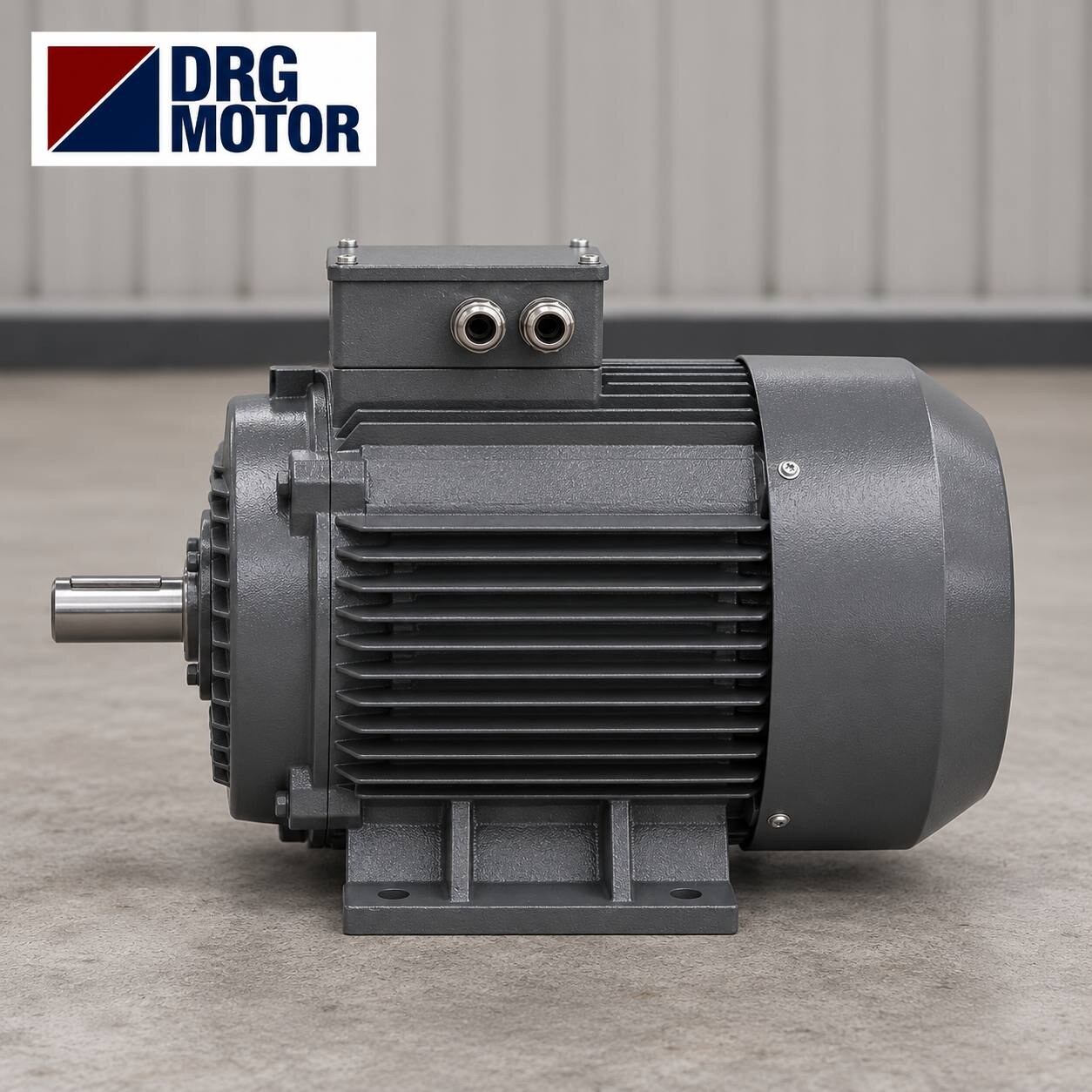

How high a temperature an electric motor can withstand depends on the insulation of the windings inside it. The insulation class, shown on the motor nameplate with a letter such as B, F or H, expresses the maximum temperature the windings can safely endure. This class directly determines the motor's service life and its safe operation under demanding conditions. So what does insulation class mean in an electric motor, and why is it important?
At DRG Motor, this article examines what the insulation class is and its importance in motor selection. You can find the other values on the motor nameplate in our article on nameplate details.
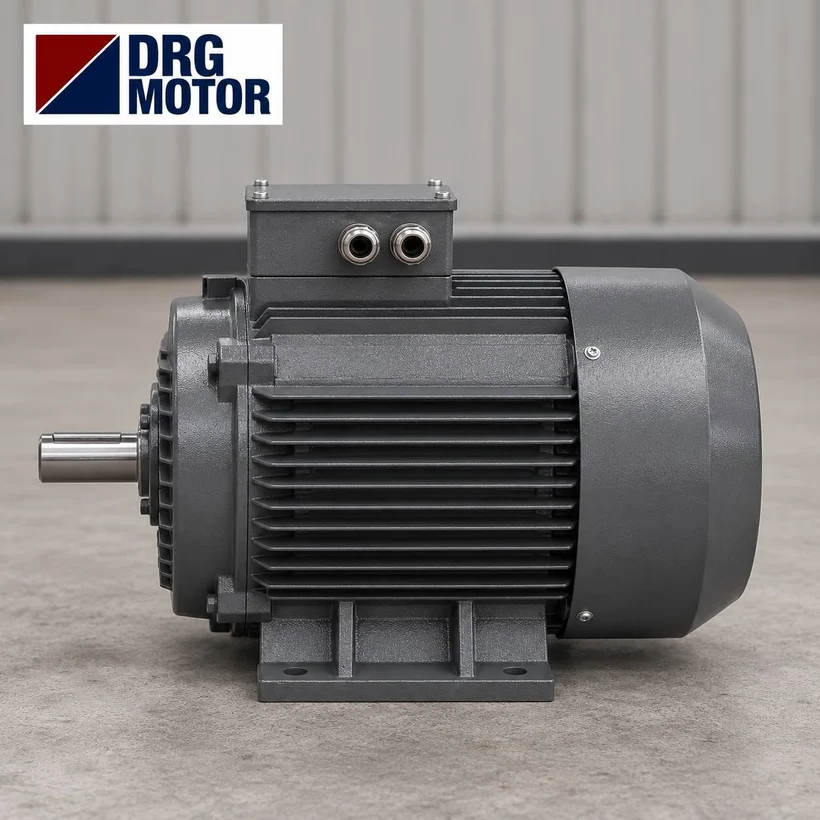
What Is an Insulation Class?
The insulation class is a classification indicating the maximum temperature the insulating material of the motor windings can withstand. It is expressed with letters such as B, F and H; the further along the alphabet, the higher the temperature endured. This class determines the motor's resistance to heat. The insulation class is a fundamental indicator of motor life.
Winding insulation is one of the most sensitive components of a motor. The insulation class shows how durable this sensitive structure is.
Why Does Temperature Matter?
A motor's greatest enemy is excessive temperature. High temperature gradually wears out the winding insulation and eventually breaks it down. When the insulation fails, the motor short-circuits and burns out. For this reason, the temperature the winding can withstand is critical for the motor's life.
The insulation class shows up to what temperature the motor can operate safely. That directly affects its life.
Class B Insulation
Class B insulation is a class with lower temperature resistance. It is used in standard and less demanding applications. This class may be adequate under normal conditions but can fall short for applications requiring high temperature or heavy load. Class B is a basic level of insulation.
For more demanding conditions, higher insulation classes are preferred. Class B is suitable for light applications.
Class F Insulation
Class F insulation is today the most widely used class in industrial motors. It withstands a higher temperature than Class B and is suitable for a wide range of applications. Class F offers a good balance between durability and cost. For this reason, it is preferred in most industrial motors.
Class F provides sufficient, safe endurance for most applications. That makes it a standard choice.
Class H Insulation
Class H insulation is a class that withstands a higher temperature than Class F. It is preferred in motors operating at high temperature, under heavy load or in demanding conditions. Class H ensures safe operation even in the most demanding applications. This class is for places requiring high endurance.
In hot environments and heavy industry, Class H improves the motor's safety. That means long service life.
Insulation Class and Ambient Temperature
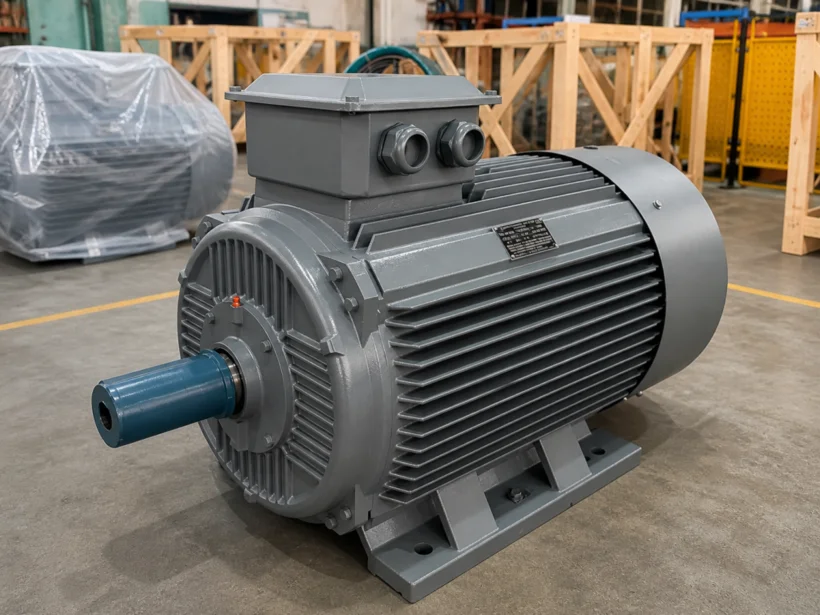
Ambient temperature is also taken into account when assessing the insulation class. The total winding temperature of the motor is the sum of the ambient temperature and the temperature rise during operation. In hot environments, a higher insulation class is required. For this reason, ambient conditions affect insulation-class selection.
We address the effect of ambient temperature on motor selection in a separate article. A hot environment requires a high insulation class.
Insulation Class and Overload
A motor operating under overload heats up more, and its insulation is stressed more. A high insulation class provides an additional safeguard against this stress. The insulation class does not, however, substitute for avoiding overload; the motor must still be run at the correct load. Insulation provides extra protection.
We explain overload protection in our article on overload protection. High insulation provides a margin against overload.
Insulation Class and Motor Life
The operating temperature of the insulation directly affects motor life. When the winding operates below the temperature its class permits, it lasts a long time. Constantly running at the limit temperature, by contrast, shortens its life. For this reason, the insulation class is part of life planning.
A lower operating temperature extends the insulation's life, ensuring the motor runs trouble-free for a long time.
Temperature Rise Limit
Every insulation class has a permitted temperature rise limit. This limit indicates how much the motor may heat up during operation. Exceeding the limit leads to rapid deterioration of the insulation. For this reason, the motor must operate within the temperature rise limit.
Monitoring the temperature rise ensures the insulation is safe. That is an indicator of motor health.
Selecting the Insulation Class
The right insulation class is selected according to the temperature conditions and load of the application. While Class F is sufficient under normal conditions, Class H is preferred in hot, heavy applications. The right choice ensures the motor runs safely and for a long time. That means an informed decision.
Assessing the application's conditions correctly is the foundation of selecting the right insulation class. That ensures long service life.
Insulation and Winding Quality
The insulation class is closely related to winding quality. Quality copper windings and good insulating material make the motor both efficient and durable. Low-quality insulation can cause problems even if the class is high. For this reason, quality matters as much as the insulation class.
We explain the importance of winding quality in our article on rotor copper-wound electric motors. Quality insulation means durability.
Insulation Class and Cooling
A good cooling system keeps the motor's temperature low and protects the insulation. Adequate cooling makes the endurance provided by the insulation class even safer. In an overheating motor, even the highest insulation class is stressed. For this reason, cooling and insulation are assessed together.
We explain heat control in our article on electric motor temperature control. Good cooling protects the insulation.
Checking Insulation Resistance
The health of a motor's insulation can be checked by measuring its insulation resistance. Over time, moisture and heat can lower the insulation resistance. Regular measurement allows insulation problems to be caught early. That supports the safe operation of the motor.
Insulation resistance measurement is part of maintenance. We cover this in our article on electric motor maintenance steps.
Moisture and Insulation
Moisture is an important factor that adversely affects insulating material. In motors operating in damp environments or those that have been idle for a long time, the insulation resistance can fall. For this reason, moisture protection and proper storage matter. The right conditions protect the insulation.
In damp environments, a high protection class is also required. That indirectly protects the insulation.
Insulation Class and Efficiency
Although the insulation class does not directly determine efficiency, durable insulation ensures the motor runs safely and stably. That indirectly supports efficient operation. Insulation is the foundation of the motor's health. A healthy motor runs efficiently.
We cover the efficiency classes in our article on high-efficiency electric motors. Durable insulation means stable efficiency.
Reading the Insulation Class from the Nameplate
A motor's insulation class is indicated by a letter on its nameplate. This information allows you to understand the motor's resistance to heat. When selecting a motor, it is important to choose an insulation class suited to the temperature conditions of the application. The nameplate is a guide in this respect.
Reading the nameplate values correctly ensures the right motor selection. That means an informed purchase.
The Benefit of the Right Insulation Class
An insulation class suited to the application ensures the motor runs safely, reliably and stably for a long time. An insufficient insulation class means premature failure; an unnecessarily high class means needless cost. The right class meets the need exactly. That means both safety and economy.
The right insulation class ensures the motor runs safely even under demanding conditions. That is the guarantee of long life.
The Job of the Insulating Material
The winding insulation prevents the copper wires from touching each other and the housing. Such contact leads to short circuits and failures. Quality insulating material prevents this contact and ensures the motor runs safely. Insulation is the foundation of the motor's electrical safety.
Good insulation ensures the motor runs fault-free for years. That is an indicator of quality manufacturing.
Signs of Insulation Breakdown
When insulation begins to break down, certain signs appear: overheating, a burning smell, abnormal current and frequent thermal tripping. These signs indicate that the insulation is weakening. If caught early, major failures can be prevented. These signs are warnings that should be heeded.
Insulation problems often end in the motor burning out. For this reason, early signs are important.
Insulation and Duty Cycle
Whether the motor runs continuously or intermittently affects the temperature to which the insulation is exposed. A continuously running motor keeps its insulation at high temperature for longer. For this reason, a high insulation class is preferred in continuous-duty applications. The duty cycle affects insulation selection.
The right duty and insulation class ensure the motor runs safely. That means long service life.
Insulation Class and Voltage
Voltage fluctuations and imbalance increase the motor's heating and stress the insulation. Stable voltage lets the insulation operate under safer conditions. For this reason, voltage quality also affects insulation health. Steady voltage protects the insulation.
Voltage problems can quietly wear out the insulation. For this reason, voltage quality matters.
Frequency Inverter and Insulation
In motors running on frequency inverters, the insulation can be exposed to additional stress. For this reason, motors with suitable insulation should be preferred in inverter applications. The right insulation ensures safe operation in inverter-driven systems. That means a compatible system.
We explain inverter-motor compatibility in our article on frequency inverters and energy saving. The right insulation supports compatibility with the inverter.
Insulation Class and Cost
A higher insulation class usually means higher-quality material and therefore a slightly higher cost. This cost, however, pays for itself through the safe operation and long life of the motor under demanding conditions. Selecting the class suited to the need delivers both safety and economy. The right class is a balanced choice.
We address the effect of the insulation class on price in our article on the factors that determine price. The right class prevents unnecessary cost.
Tropical Conditions and Insulation
Tropical conditions, where high humidity and high temperature occur together, are particularly demanding for insulation. In these conditions, motors with special moisture- and heat-resistant insulation are preferred. Tropical conditions require a high insulation class and additional protection. The right motor runs safely under these conditions.
Harsh climate conditions affect motor selection. The right insulation provides safety in every climate.
Insulation and Dust
Dust obstructs the motor's cooling and therefore indirectly stresses the insulation. Dirt that accumulates in dusty environments increases heating and wears out the insulation. For this reason, a high protection class and regular cleaning protect the insulation. A clean motor means healthy insulation.
We explain protection-class selection in our article on IP protection class selection. Dust protection protects the insulation too.
Insulation Class in Heavy Industry
In high-temperature heavy-industry environments such as cement, iron-and-steel and foundry plants, a high insulation class is essential. These environments keep the winding constantly at high temperature. High-endurance insulation such as Class H ensures safe operation under these conditions. The right class is critical in heavy industry.
We explain the challenges of heavy industry in our article on motor challenges in heavy industry. High insulation is a requirement of heavy industry.
Insulation Class and Next-Generation Motors
Next-generation motors are safer and more durable thanks to advanced insulating materials and design. These motors deliver high insulation classes in a higher-quality way. Replacing an old motor also improves insulation safety. Modern motors are advantageous in terms of insulation.
We describe the benefits of modern motors in our article on next-generation electric motors. New-generation means advanced insulation.
Insulation Class and Safety
The right insulation class protects not only motor life but operating safety as well. Failed insulation can create a short-circuit and even a fire risk. For this reason, a suitable insulation class matters for safety too. The right class means safe operation.
Insulation safety protects both the motor and the facility. That means a responsible motor choice.
Extending Insulation Life
The way to extend insulation life is to run the motor at the correct load, cool it well, keep it clean and protect it from moisture. These measures ensure the insulation stays healthy for a long time. Neglect shortens insulation life. For this reason, correct use matters.
Well-maintained insulation noticeably extends the motor's life. That is a long-term gain.
Comparing Insulation Classes
When choosing between Class B, F and H, the temperature conditions of the application are decisive. While Class F is sufficient under normal conditions, Class H is preferred in hot, heavy conditions. This comparison makes the right choice easier. The right class is determined according to the need.
The application's conditions show which class is suitable. That means an informed choice.
Insulation and Motor Reliability
Quality insulation of the appropriate class is a fundamental component of a motor's reliability. Reliable insulation prevents unexpected failures and supports production continuity. For this reason, insulation is at the centre of motor reliability. The right insulation means a reliable motor.
A reliable motor serves trouble-free for years. Insulation is the foundation of that reliability.
Expert Support for the Right Choice
Insulation-class selection requires the correct assessment of the application's temperature and load conditions. Consulting an expert allows you to identify the most suitable insulation class for your application. The right support safeguards both safety and long life. An expert assessment is the key to the right choice.
At DRG Motor, we provide technical support in choosing the right insulation class. The right choice ensures a safe, long-lived motor.
Insulation and Total Performance
The insulation class is an important feature that affects many factors such as life, safety and durability. The right insulation class supports the motor's total performance and reliability. For this reason, the insulation class should not be overlooked in motor selection. The right class delivers a holistic gain.
Understanding the insulation class is an important part of correct motor selection. That means an informed decision.
DRG Motor for the Right Insulation Class
At DRG Motor, we offer quality, durable motors in an insulation class suited to the temperature conditions of your application. Our aim is to ensure your motor runs safely and for a long time even under demanding conditions. By assessing your operating temperature and load condition, we recommend the most suitable insulation class.
To select a motor with the most suitable insulation class for your application and receive technical support, you can contact DRG Motor and review our range on our products page, or explore our other guides from our homepage. The right insulation class is your motor's most important safeguard against heat.