English
 Le français
 Türkçe




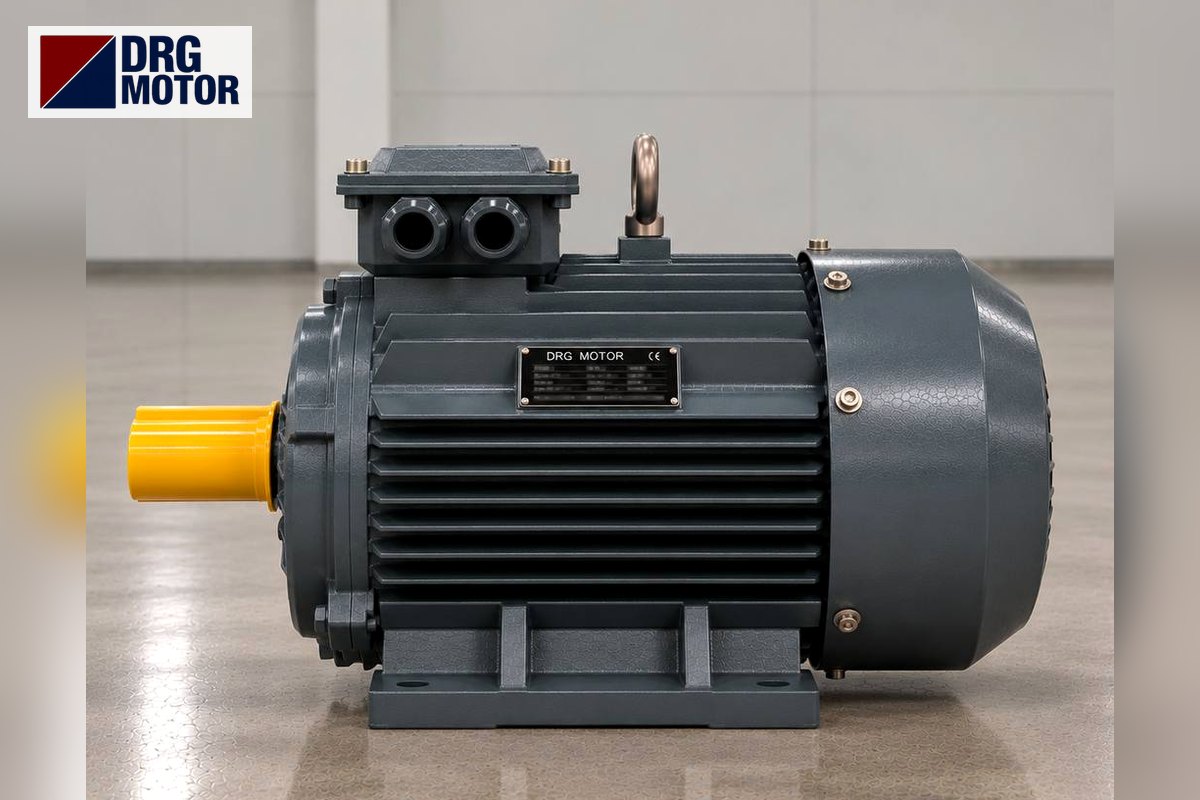

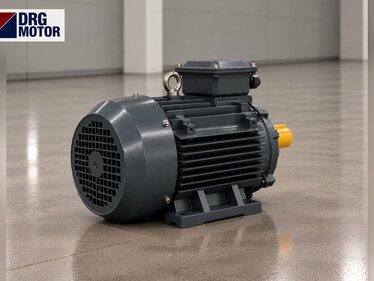
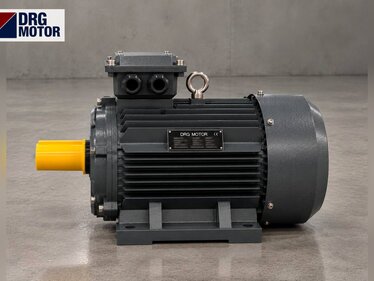
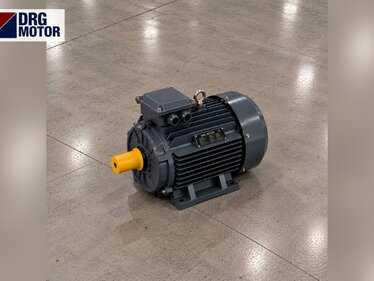
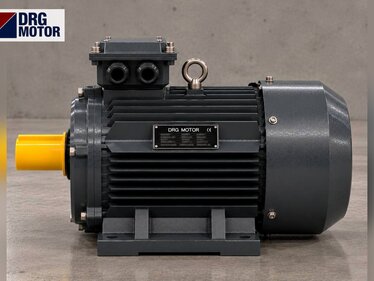
A 0.37 kW asynchronous electric motor sits on the small-power side of the range: a three-phase machine of about 0.5 HP. The same rating is offered with 2, 4 and 6 poles — 3000, 1500 and 1000 rpm — fits an IEC 71–80 frame and runs on 230/400 V. It is the motor for light duties such as small pumps, fans, mixers and short conveyors.
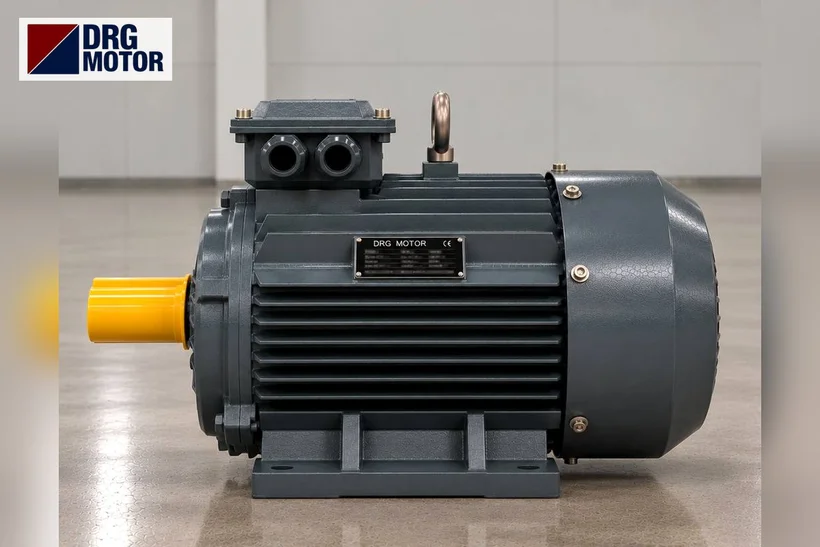
DRG Motor is a manufacturer, supplier and seller of electric motors. Based in İzmir, it ships quickly across all of Türkiye, that province included. You can browse this rating by speed in the online electric motor shop and see the whole three-phase range in the three-phase asynchronous electric motors category.
How much power is 0.37 kW, really?
In horsepower it is roughly 0.5 HP (1 HP ≈ 0.746 kW) — somewhere between a power tool and an industrial machine, the "small but capable" class. The torque at the shaft is modest; for 1500 rpm it is about 9550·0.37/1455 ≈ 2.4 Nm. Choose it for a light, flowing load, not for a machine that starts heavily loaded.
Small power also means low current. At 400 V the draw stays below ten amps, which keeps cabling thin and panel protection simple.
Speed options and 400 V current
At 0.37 kW, changing the pole count changes the speed and the current a little. The three DRG aluminium models below show the same power at three speeds; each code links straight to its product page.
| Model | Speed | Current (400 V) | Frame / Shaft |
|---|---|---|---|
| DRG-711-2 | 3000 rpm | 0.89 A | IEC 71 / 14x30 mm |
| DRG-712-4 | 1500 rpm | 0.92 A | IEC 71 / 14x30 mm |
| DRG-801-6 | 1000 rpm | 1.04 A | IEC 80 / 19x40 mm |
As the speed drops (6 poles) the frame grows a size and the shaft thickens; the 1000 rpm unit is a larger machine. The 3000 and 1500 rpm models stay on the 71 frame with a 14 mm shaft.
Click to see current electric motor prices and order nowSEE PRICES →
Frame, shaft and voltage
The 2- and 4-pole 0.37 kW models use an IEC 71 frame: shaft centre 71 mm above the base, shaft diameter 14 mm, length 30 mm. The 6-pole model moves up to frame 80 with a 19 mm shaft. Know this shaft size before you pick a coupling or pulley; changing it later is awkward.
Voltage on all three is 230/400 V (Δ/Y). On a 400 V three-phase supply this motor is wired star (Y). Before any change, switch off, confirm the circuit is dead and let a qualified electrician do the work. For cable size and protection, the motor current chart is a good guide.
Where is a 0.37 kW electric motor used?
This rating drives jobs that are "not big, but more than hand-turning". The most common cases:
- Small centrifugal and dosing pumps: low-flow water or fluid transfer, garden and workshop lines.
- Fans and extractors: small-cell fans, bench extraction, cabinet ventilation. For high speed, pick the 3000 rpm model.
- Mixers and agitators: slow stirring of small tanks in paint, food and chemical lines — 1000 or 1500 rpm suits best.
- Short conveyors and feed belts: belts carrying light product, sorting lines.
- Small benches and automation units: rotary tables, coil winding, simple drive groups.
If the load is light and there is no repeated heavy start, 0.37 kW does the job. If the load grows or the start is tough, stepping up to 0.55 kW or 0.75 kW is healthier than straining the motor.
Which speed to choose?
Speed sets the character of the drive. A practical view:
- 3000 rpm (2 poles): high speed, low torque — small fans and centrifugal pumps.
- 1500 rpm (4 poles): the most balanced choice; general drive, conveyors, medium-speed mixing.
- 1000 rpm (6 poles): low speed, steadier torque feel; slow stirring and fine feeding.
If your machine uses a gearbox, count the input speed too. When unsure, the electric motor calculator and the shop filters make the choice easier.
What to confirm when ordering?
Two lines get mixed up most at this rating: speed and mounting. The same 0.37 kW behaves very differently at 3000 versus 1000 rpm; and a foot (B3), flange (B5) or face-flange (B14) frame decides whether it fits. If you are replacing a motor, the wrong mounting stops the job even when power and speed are right. When ordering, photograph the old nameplate — speed, shaft diameter and flange type are all in that shot.
Frequently asked questions
How many HP is 0.37 kW?
About 0.5 HP (1 HP ≈ 0.746 kW). Nameplates usually show 0.37 kW / 0.5 HP together.
Does a 0.37 kW motor run on single phase?
These models are three-phase asynchronous for a 400 V three-phase supply. DRG's standard range is three-phase; if you need single phase, tell us before ordering and we will settle the right solution together.
3000 or 1500 rpm — which should I take?
For fast-flow fan and pump work, 3000 rpm; for general drive and conveyors, 1500 rpm. Base it on the speed your machine needs.
My shaft is 14 mm with a coupling; which model fits?
A 14 mm shaft is on the 2- and 4-pole (IEC 71) 0.37 kW models. The 6-pole model has a 19 mm shaft. Send your coupling and speed need and we will pin down the code together.
See the current price of a 0.37 kW electric motor by speed and place your order.SEE PRICES
Send a photo of your current motor nameplate and we will find the suitable DRG model together.Send on WhatsApp
Electric Motors Related to This Topic — Models and Current Prices
Suitability is not decided by power alone: compare the speed, voltage, mounting, shaft and fixing dimensions of your machine with the product data; if unsure, send us the nameplate of your current motor.
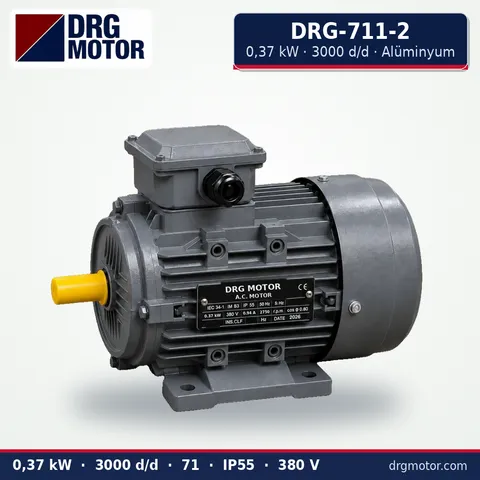
0.37 kW Three-Phase Motor 3000 rpm – DRG-711-2 Aluminium
- 0.37 kW · 3000 rpm (2 poles)
- Aluminium frame · IEC 71
- Shaft: 14 × 30 mm
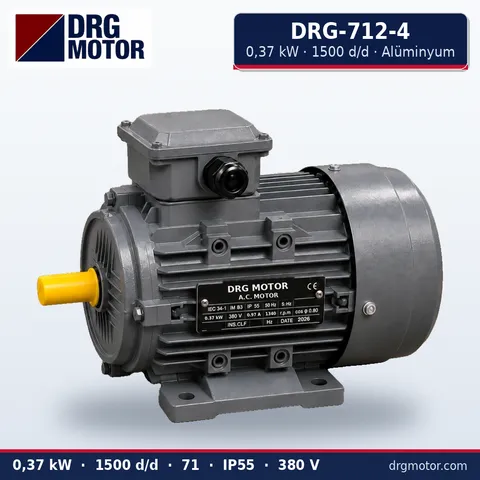
0.37 kW Three-Phase Motor 1500 rpm – DRG-712-4 Aluminium
- 0.37 kW · 1500 rpm (4 poles)
- Aluminium frame · IEC 71
- Shaft: 14 × 30 mm
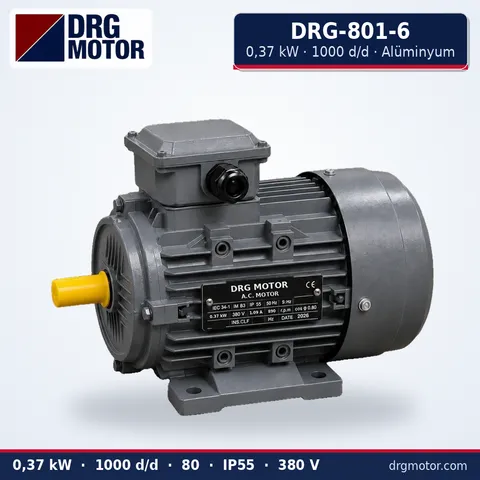
0.37 kW Three-Phase Motor 1000 rpm – DRG-801-6 Aluminium
- 0.37 kW · 1000 rpm (6 poles)
- Aluminium frame · IEC 80
- Shaft: 19 × 40 mm