 English
 Le français
 Türkçe

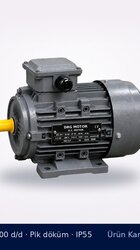
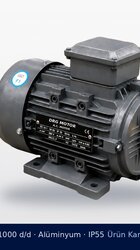
A nameplate photo is a good starting point, but in most cases it is not enough on its own. The nameplate gives power, speed, voltage and often the frame number; it does not show the mounting arrangement, the pulley or coupling connection, the load character of the machine or whether the motor has been modified in the past.
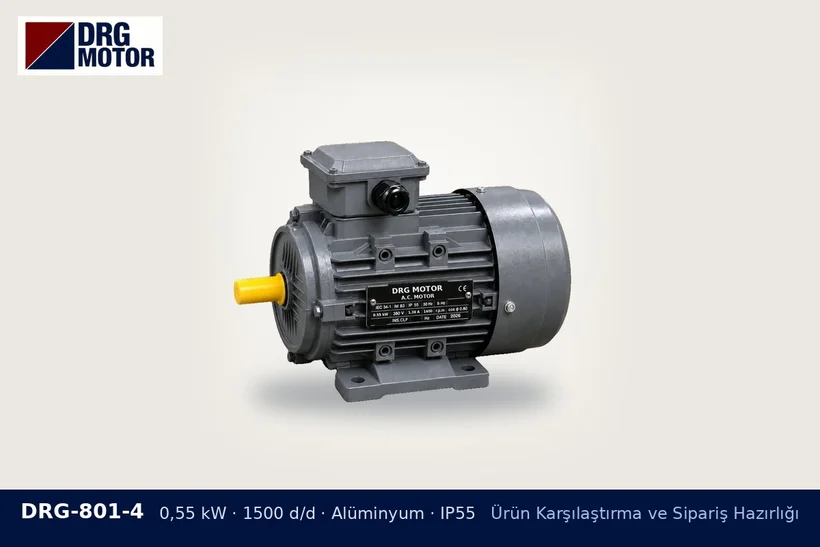
What the nameplate does not tell you
- Winding history: On a rewound motor, the plate may still carry the original values while the winding has been made for a different voltage or power.
- Mounting: Foot-mounted, flange-mounted or both; the flange diameter is often not shown on the plate.
- Shaft end: If the pulley hub was machined to fit the old shaft, what counts is the new motor's shaft diameter and key dimension.
- Operating conditions: Outdoor use, dust, frequent stop-start or heavy starting cannot be read from the plate.
Complete the photo set
Photograph the whole nameplate, without glare and sharp enough to read. If you also send one photo each of the motor's general side view, the foot or flange area, the shaft end and the position of the terminal box, the person preparing the quote can confirm the frame type and connection with fewer questions. Noting beside the photos the caliper-measured shaft diameter and the distance between the underside of the feet and the shaft centreline also gets you to an answer when the plate is illegible.
Pay extra attention to the voltage line
The voltage on the plate (230/400 V, 400/690 V) has to be assessed together with how the motor is connected in the panel. In the DRG range, models up to 3 kW carry a 230/400 V winding, while those rated 4 kW and above carry a 400/690 V winding. If the old motor has a different winding, whether the new model suits the existing starting arrangement depends on the motor nameplate, the manufacturer's documentation and the assessment of qualified electrical personnel.
What does a complete request look like?
Nameplate photo, two measurements, mounting arrangement, machine name, quantity and delivery location: a request arriving with these six items is clarified with far fewer questions. You can send it through the quote request form, and for the meaning of the plate values see the guide to reading a motor nameplate. Once the values are clear, you can compare options with a suitable frame and power in the three-phase motor list in the store.