 English
 Le français
 Türkçe



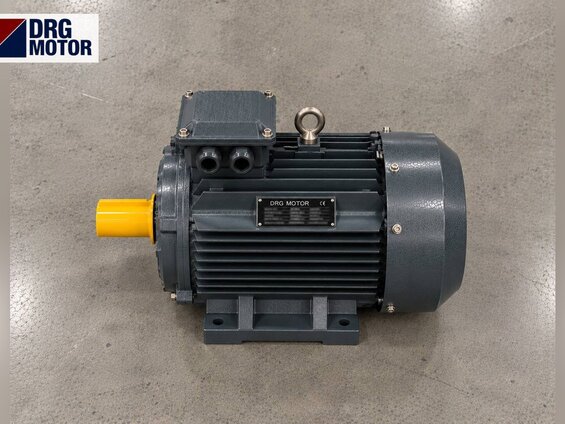
Electric Motor Selection for Ribbon Powder Mixers
In a ribbon mixer, the electric motor turns the helical ribbon shaft running along the horizontal U-shaped trough through a gearbox at tens of revolutions per minute. Three things ... More Details

In a ribbon mixer, the electric motor turns the helical ribbon shaft running along the horizontal U-shaped trough through a gearbox at tens of revolutions per minute. Three things ... More Details
In a liquid detergent production tank, the agitator motor turns the impeller slowly but with high torque through a gearbox, and what really sets motor power is the peak consistency... More Details
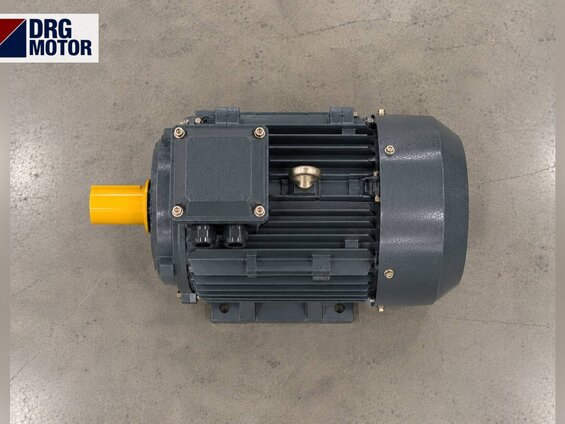
In a water-based paint mixing machine (dissolver), the motor's job is to spin the saw-tooth disc at a peripheral speed that disperses the pigment, and to hold that speed through th... More Details
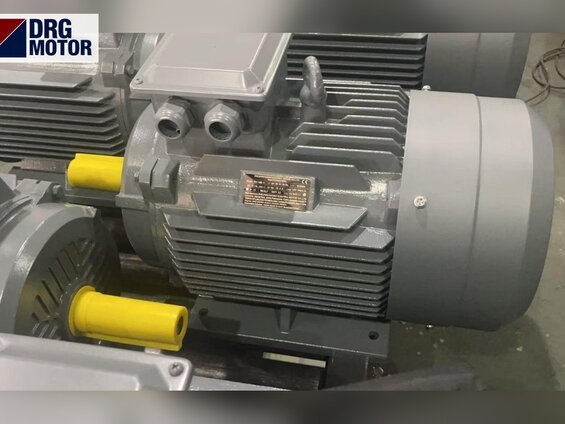
On a scrap cable stripping machine the motor has a single job: turning the feed rollers. The knurled rollers grip the cable and pull it over the blade, the blade slits the insulati... More Details
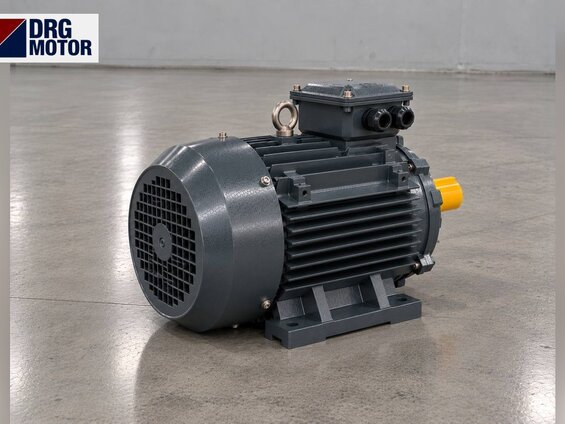
The motor of a hydraulic workshop press turns the pump of the electric power unit that replaces the hand pump; its power is not set by the press tonnage alone, but by the pressure ... More Details
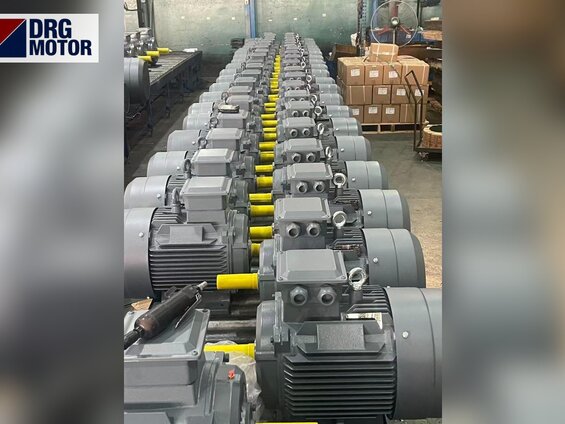
The main motor of an eccentric press does not push the ram directly; it turns the flywheel through belts and stores energy in it. When the clutch engages, this energy passes throug... More Details
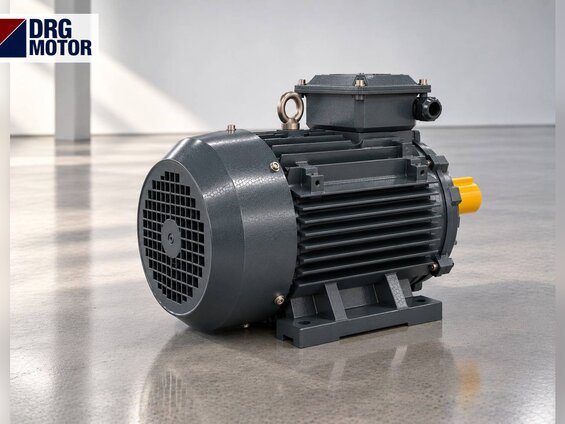
The electric motor of a hydraulic hose crimping press is the motor that turns the pump in the press's hydraulic unit, and what decides the choice is the peak pressure in the last f... More Details
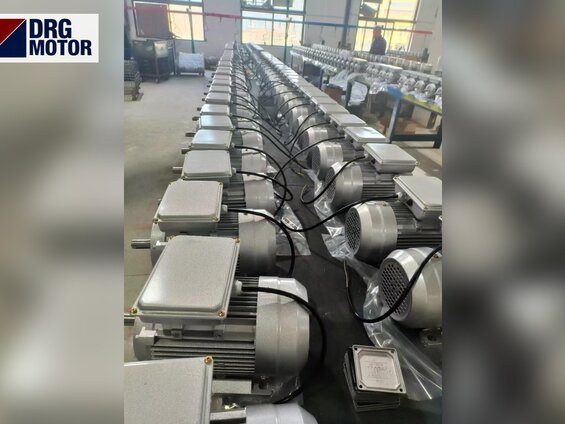
When the hydraulic pump motor of a car lift burns out, replace it with a motor that has the same power and speed as on the old nameplate, suits the workshop supply (single-phase or... More Details
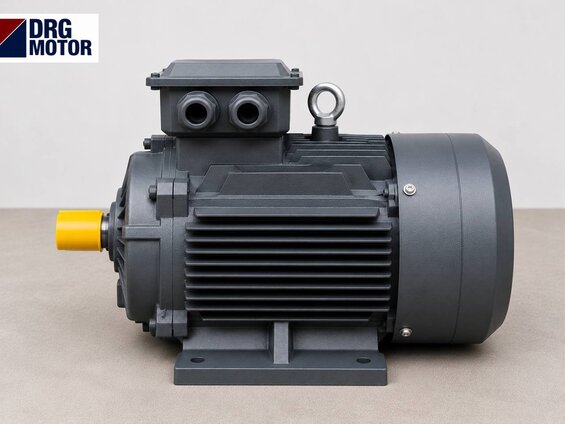
When replacing a WAT electric motor driven by an inverter (frequency converter), you need to consider not only the motor but how motor and inverter work together. Information that ... More Details
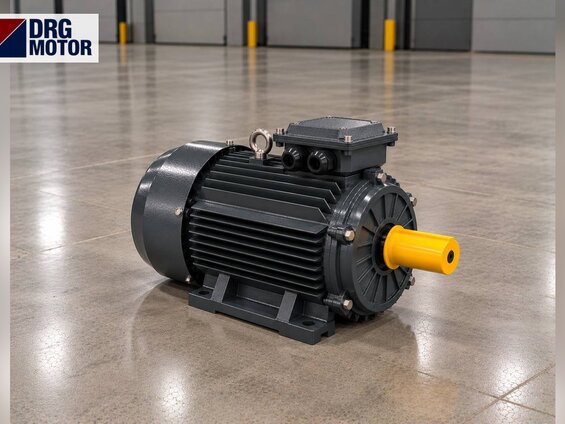
When renewing a WAT electric motor that is flange-mounted to a gearbox input, what matters is how the motor seats on the gearbox input flange and shaft bore. Since the gearbox stay... More Details
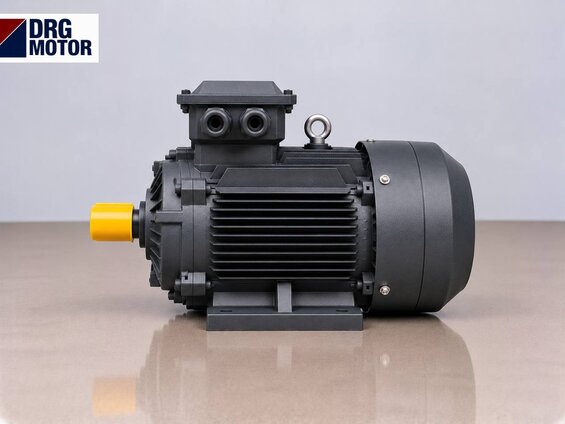
When a WAT electric motor driving a fan is to be renewed, the selection starts from the fan's air duty: a fan is as sensitive to speed and power as the motor itself. This article s... More Details
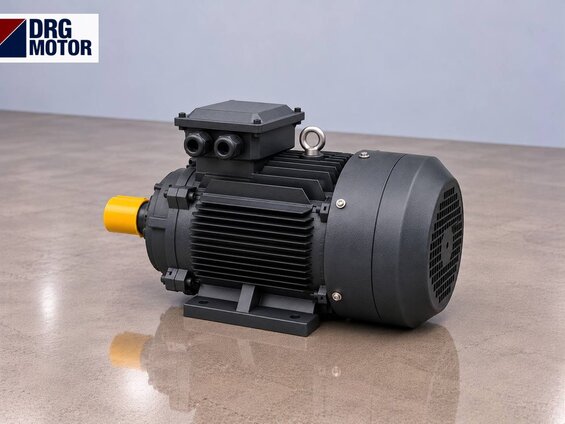
If you are about to renew the WAT electric motor driving a pump, two things decide whether the pump will run as before: the motor's rated speed and the coupling between motor and p... More Details
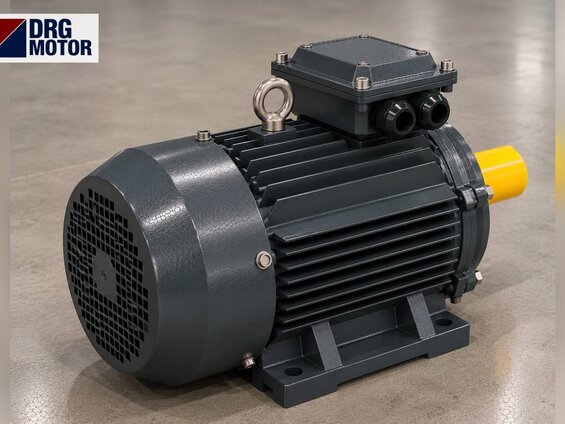
When renewing a B5 flange-mounted WAT electric motor, the real question is whether the new motor's flange will seat on the mating flange of the machine. Even with correct power and... More Details
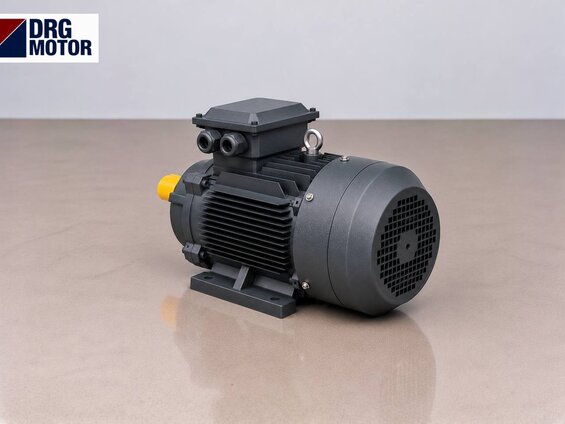
If you need to replace an 11 kW WAT electric motor, pinning down how the old motor actually works on site matters more than browsing a catalogue. This article explains which values... More Details
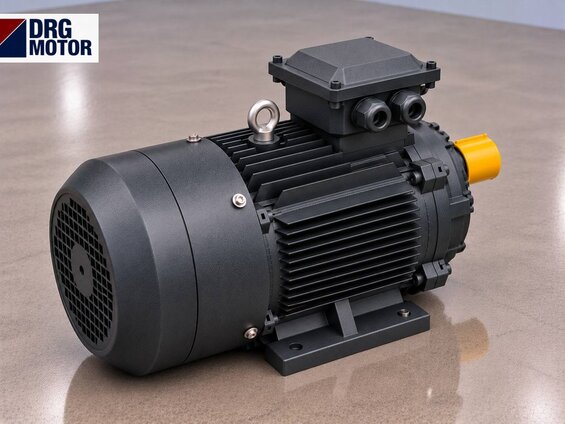
A 7.5 kW WAT electric motor is usually connected by a coupling to a pump, fan, conveyor or gearbox input. Two questions stand out in a replacement: will the existing coupling hub f... More Details
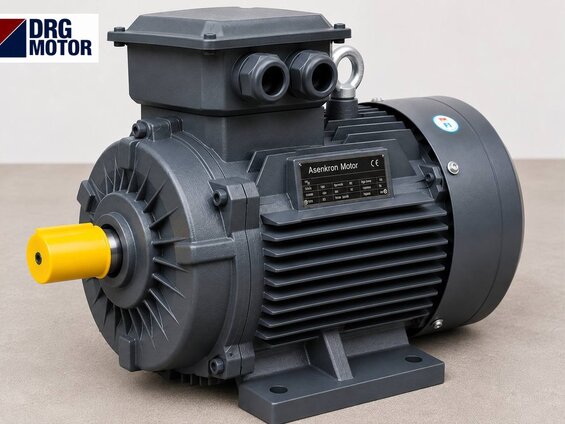
When choosing a new motor in place of a 5.5 kW WAT electric motor, the real decision point is mounting: is the motor fixed to the machine by its feet, by its flange or by both, and... More Details
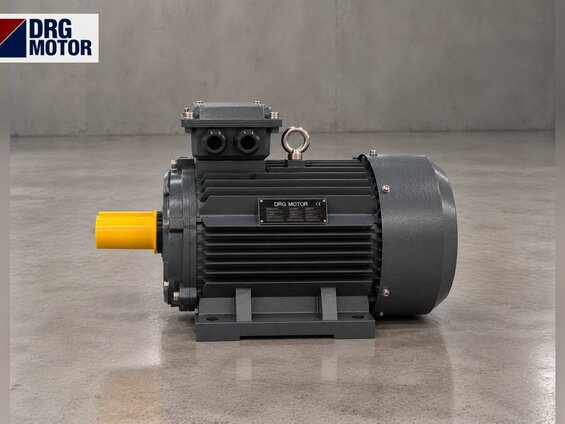
When renewing a 3 kW WAT electric motor, if power, speed and voltage are not checked together, the new motor will either not turn the machine at the required speed or not suit the ... More Details
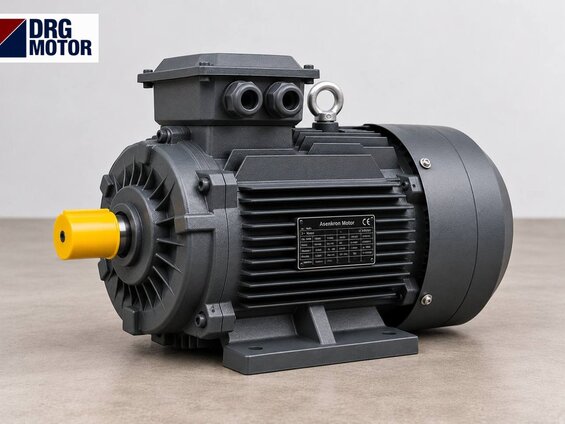
When renewing a 1.5 kW WAT electric motor, the most common problem is not power but dimensions: the new motor does not sit on the base, the coupling hub does not fit the shaft, or ... More Details
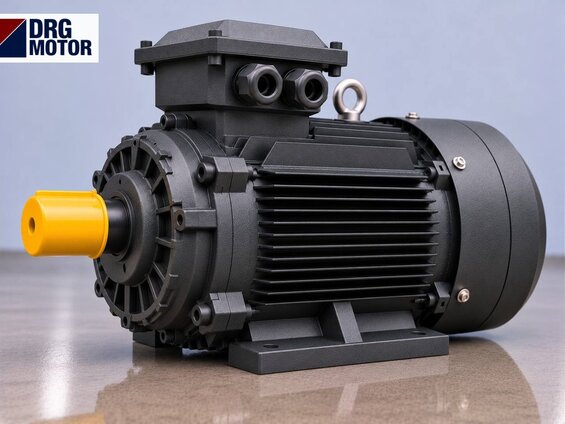
The most productive step before replacing a WAT electric motor is reading its nameplate correctly. If a few values are passed on wrongly, a new motor may look right in power yet no... More Details
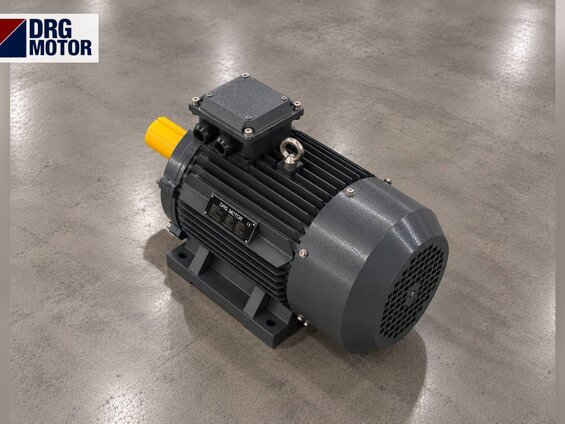
If the WAT three-phase electric motor in your plant needs replacing, the first question is usually "What can go in its place?" This article explains which data identify the existin... More Details