 English
 Le français
 Türkçe

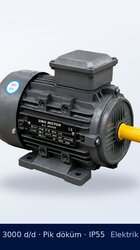
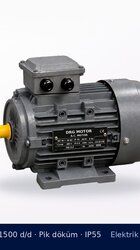
On its own, it may not be. Feeling voltage on the frame shows that two things have failed together: insulation has been damaged somewhere, and the protective path that should carry this leakage to earth is not working. A new motor removes the insulation problem, but if the earthing is missing, the same danger will reappear at the next fault.
The first thing to do
Stop using the machine immediately, isolate it at the panel and put up a warning so that it is not switched back on. Do not test by touching the frame again with bare hands. This is not a routine fault report; it is a direct matter of personal safety.
Where could the fault come from?
| Possible source | How to find out |
|---|---|
| Breakdown of the winding insulation | Insulation resistance test with a megger |
| Crushed or damp cable in the terminal box | Visual inspection, traces of water or soot inside the box |
| Broken or never-connected protective conductor | Continuity test between the frame and the panel earth |
| Residual current protection not working | Device test button and a trial with a tester |
When does a new motor make sense?
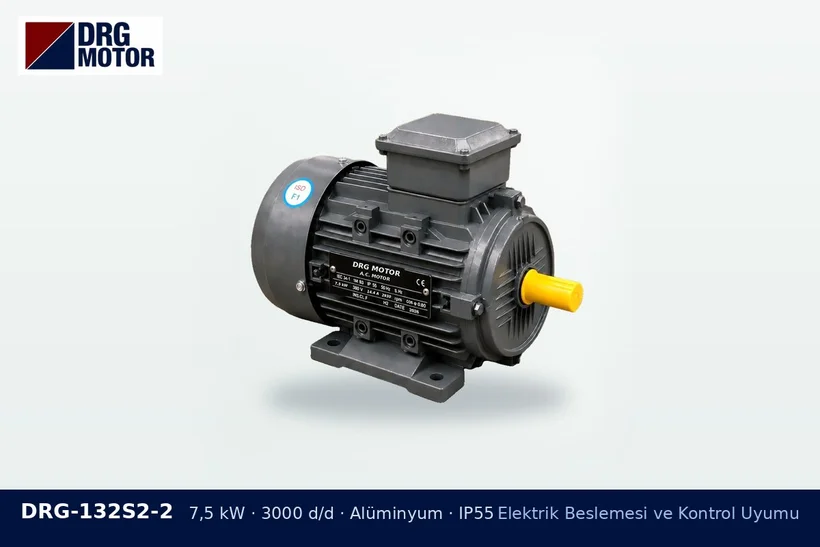
If the measurements show that the winding is leaking to earth, there are two routes: have the motor rewound or buy a new one. The motor's age, power, rewinding history and the cost of downtime decide this. Even if a new motor is fitted, the machine must not be run until the protective conductor is connected and the residual current protection has been verified. Insulation faults caused by moisture, water ingress or incorrect connection are not covered by the warranty.
Measurements, connections and protection checks depend on the motor nameplate, the applicable regulations and the judgement of qualified electrical personnel. For maintenance habits that protect insulation, see the motor maintenance article; if a replacement has been decided, browse models by power and speed in the shop.