 English
 Le français
 Türkçe

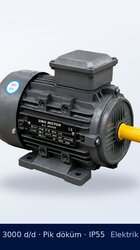
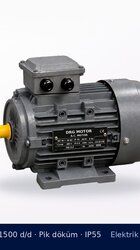
Only if the device's rated current and starting capacity can handle the new motor. A soft starter is selected by current rather than by kW; if the rated current of the new motor exceeds the device rating, or if starting will take longer, the existing device is not sufficient. If the device was originally chosen with a margin, a motor one size larger can sometimes work with the same unit.
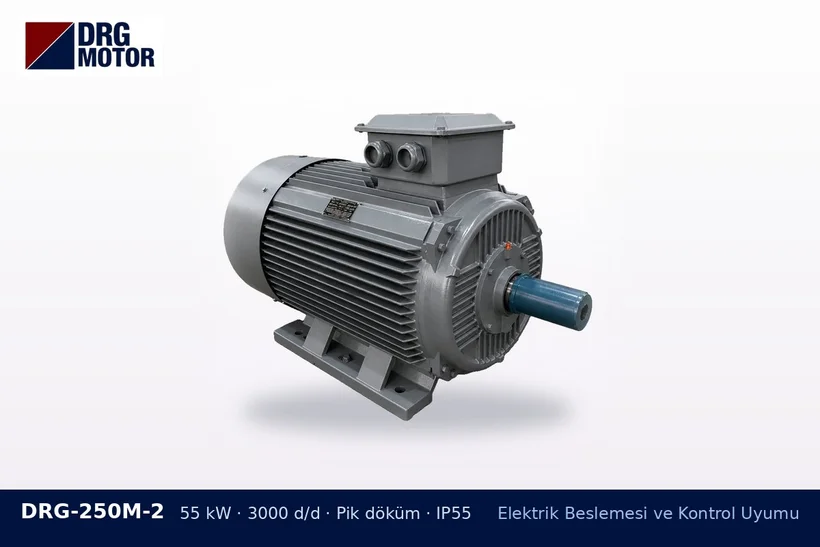
What to check on the device rating plate and in its documentation
- Rated current: Must not be lower than the rated current of the new motor.
- Starting class and starts per hour: The device's thyristors heat up with every start. A long start under heavy load strains the device even at the same current.
- Bypass arrangement: If there is a contactor that takes over the current after starting, it must also suit the new current.
- Ambient temperature and panel ventilation: In a hot panel, the device is used with derating.
Is the load changing too?
The reason for upsizing the motor is usually that the machine has become heavier as well. A soft starter limits starting current by lowering the voltage; the price is that starting torque also falls. If the load has become heavier, the motor may fail to run up or the starting time may lengthen when the device limits the current. The starting torque of the new motor and the needs of the load should therefore be assessed together. For loads with heavy starting, a frequency inverter may be more suitable.
Settings and protection
Even if the device is found adequate, the motor current, current limit and ramp times must be re-entered for the new motor. These values depend on the motor nameplate, the device manufacturer's documentation and the judgement of qualified electrical personnel; we do not suggest values here. You can read what the parameters mean in the article on soft starter parameters, and compare high-power models in the three-phase motor shop.