 English
 Le français
 Türkçe

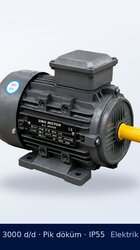
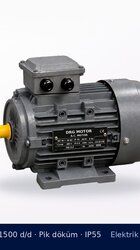
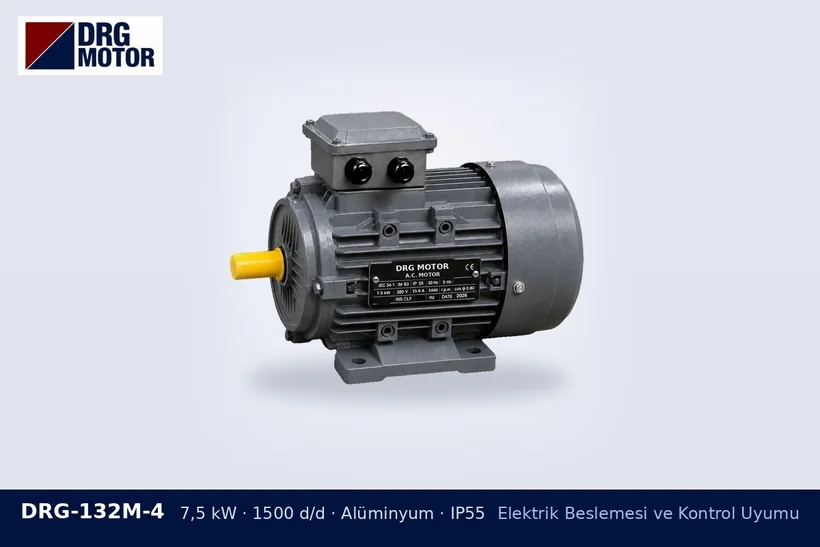
Not always. If the contactor's rating suits the new motor, its contacts are not worn and its coil pulls in cleanly, it can stay in service. If the motor burned out, if the power is increasing or if the contactor shows signs of overheating, replacing it together with the motor is the safer choice in the long run.
Signs that reveal the condition of the contactor
- Discolouration of the housing or traces of melting on the plastic,
- Darkening around the terminal screws; a loose connection causes heating,
- Buzzing, chattering or late drop-out when it operates,
- On types whose contacts can be opened, pitted or cratered contacts,
- Many years of service in an application that switches on and off very frequently.
Why take extra care if the motor burned out?
Some motor failures originate in the panel. A contactor with one burnt contact can feed the motor on two phases; this means single-phasing operation and soon leads to damage to the new motor as well. Winding damage caused by phase loss is not covered by the warranty. That is why the contactor, protection relay and connections must be checked before a new motor replaces the burnt one.
How is the rating read?
Contactors are marked with a current or kW value in a utilisation category defined for motor loads. For demanding duties such as inching or reversing, a contactor with a higher rating is chosen. Selection and replacement depend on the motor nameplate, the contactor manufacturer's catalogue and the judgement of qualified electrical personnel.
For general component selection by power, use the overload relay, fuse and contactor selection tool, and compare motor models in the three-phase motor shop.