 English
 Le français
 Türkçe



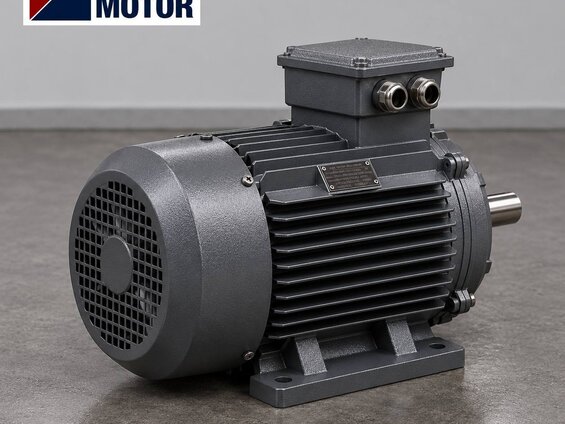
What Does Service Factor Mean in Electric Motors?
On the nameplate of an electric motor there is a value that is often overlooked but important: the service factor. Generally shown as a number such as 1.0 or 1.15, this value expre... More Details

On the nameplate of an electric motor there is a value that is often overlooked but important: the service factor. Generally shown as a number such as 1.0 or 1.15, this value expre... More Details
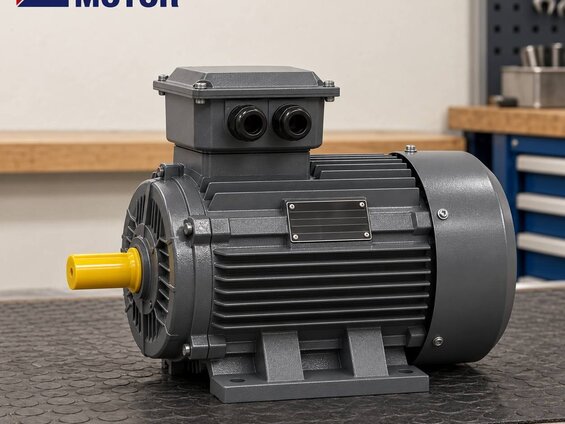
In the traditional approach to maintenance, repairs are either carried out after a breakdown occurs or planned maintenance is applied at fixed intervals. Both methods have their sh... More Details
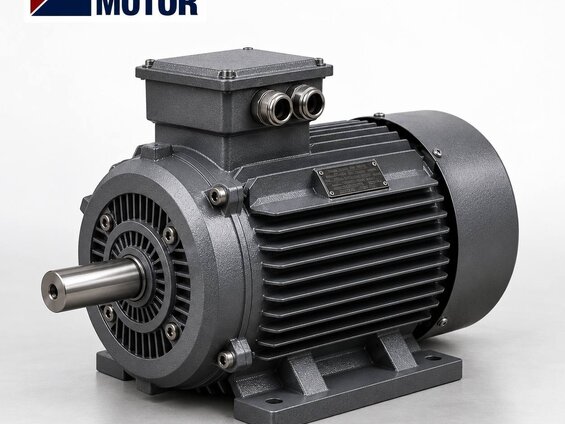
An electric motor is usually connected to the equipment it drives through a coupling (a shaft connection element). The quality of this connection, namely the alignment of the motor... More Details
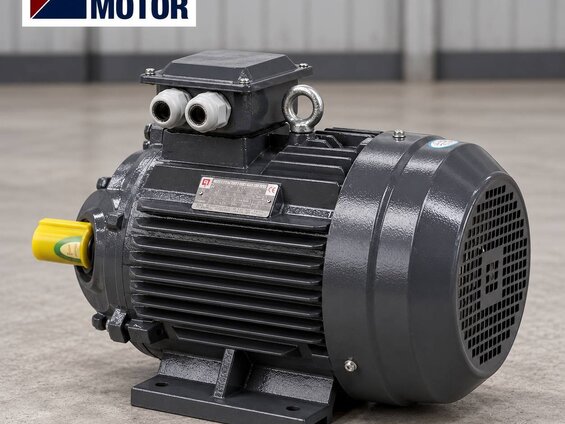
When an electric motor is switched off, it does not stop immediately; because of inertia, it keeps turning for a while. In most applications this is not a problem, but in some it i... More Details
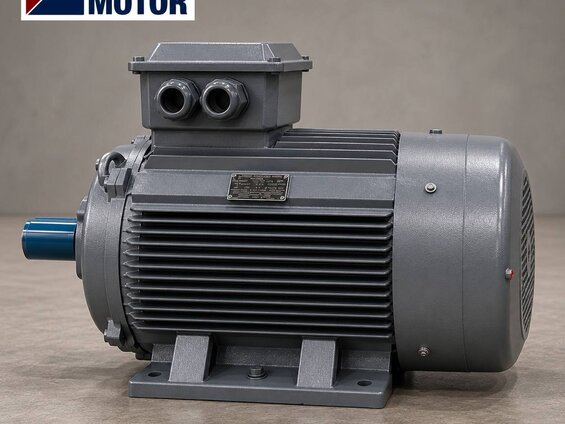
From wells and deep water to wastewater plants and agricultural irrigation, many applications require water to be lifted from depth to the surface. This task is handled by special ... More Details
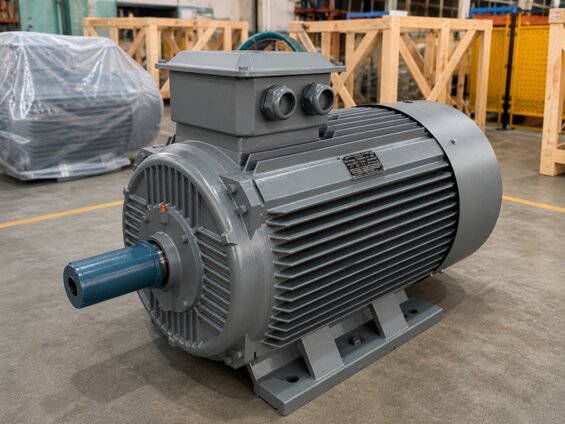
Plastic injection moulding machines produce countless everyday products by injecting molten plastic into moulds. The performance, speed precision and energy efficiency of these mac... More Details
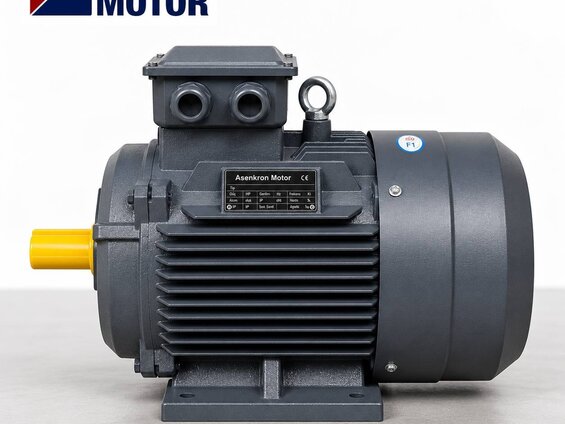
Elevators are the safest and most comfortable way to move people and goods within buildings. An elevator's safe, quiet and smooth operation depends on the electric motor that moves... More Details
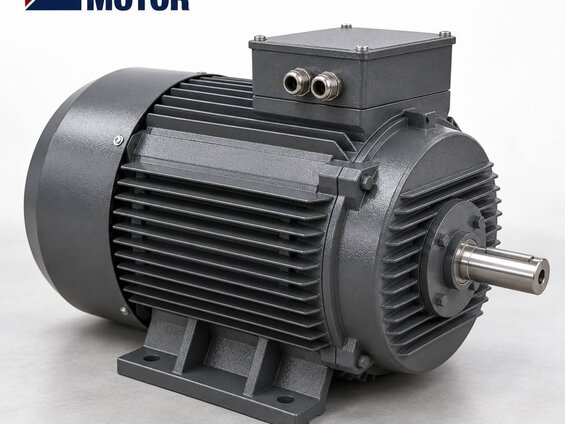
When replacing an electric motor or connecting one to a piece of equipment, one of the most frequently encountered concepts is the frame size. Defined according to the IEC standard... More Details
An electric motor's efficiency class is written on its nameplate; but how that figure is determined, and whether it is genuinely accurate, is an important matter. A motor's efficie... More Details
Steel and foundry plants are among the harshest and highest-temperature environments in all of industry. Molten metal, intense heat, heavy loads and constant production pressure st... More Details
Cooling towers are critical equipment used to cool water in industrial plants, power stations and large air-conditioning systems. The cooling function of these towers depends on th... More Details
Not every electric motor runs continuously; some are used seasonally, some are kept on standby as spares, and others are stored in a warehouse. Yet leaving a motor idle for a long ... More Details
Ideally, the voltage and current in an electrical supply take the form of a smooth sine wave. Today, however, many electronic devices and drives distort this clean wave, creating u... More Details
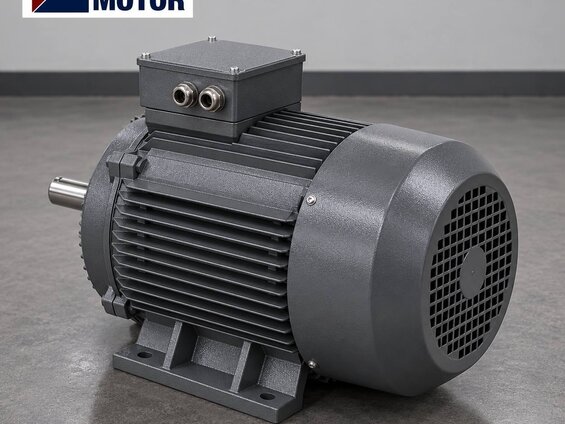
Efficiency in electric motors is a continuously advancing field. After the efficiency classes that climbed from IE1 to IE4, the highest step of all now arrives: the IE5 ultra-premi... More Details
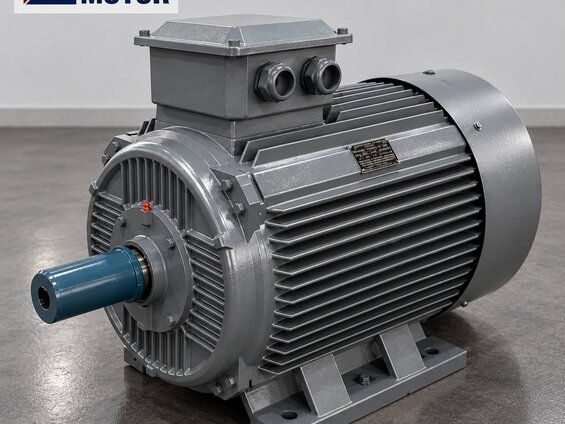
In most facilities, electric motors are the single largest item of total energy consumption; in industry this share can rise to as much as 60-70 percent. Yet how much energy these ... More Details
Mills and grinding plants are used to reduce and pulverize a huge range of materials, from grain to cement and from ore to spices. Inside these plants, the material is crushed betw... More Details
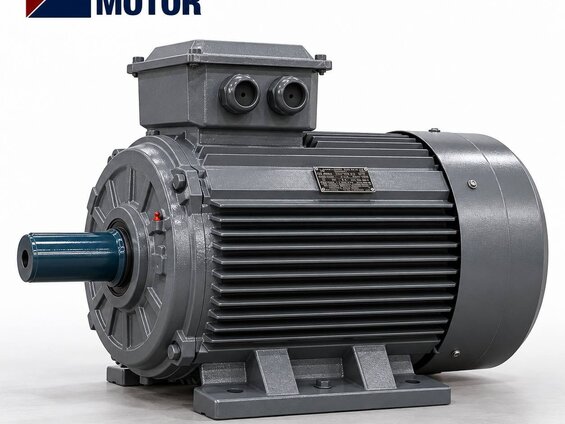
The textile sector is a broad industry that runs on machines at many stages, from spinning yarn to weaving fabric and from dyeing to finishing. At the heart of each of these machin... More Details
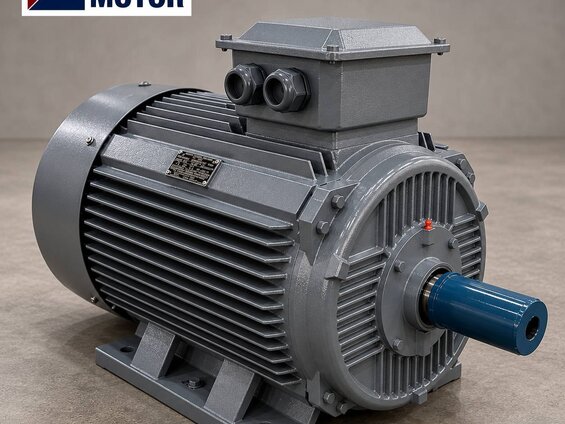
Most electric motors are designed to run at a single fixed speed. Some applications, however, require the motor to operate at two different speeds. One of the solutions that answer... More Details
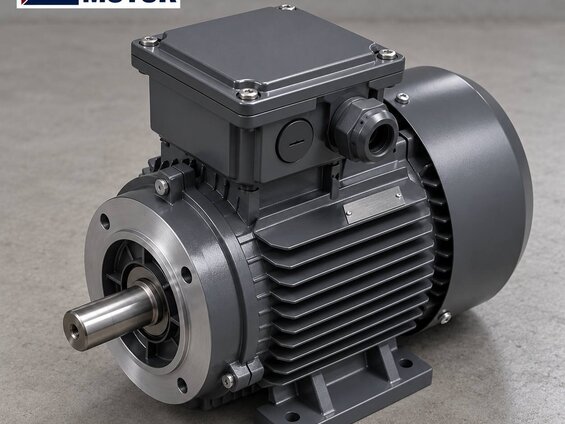
Wherever an electric motor is going to operate, it must be protected against the dust, moisture and water of that environment. The level of this protection is defined by the IP pro... More Details
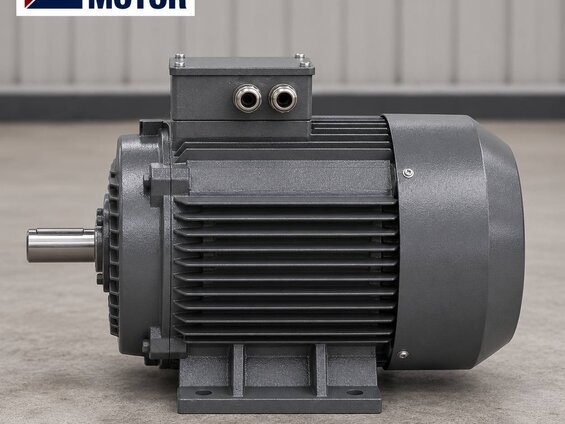
How high a temperature an electric motor can withstand depends on the insulation of the windings inside it. The insulation class, shown on the motor nameplate with a letter such as... More Details