 English
 Le français
 Türkçe

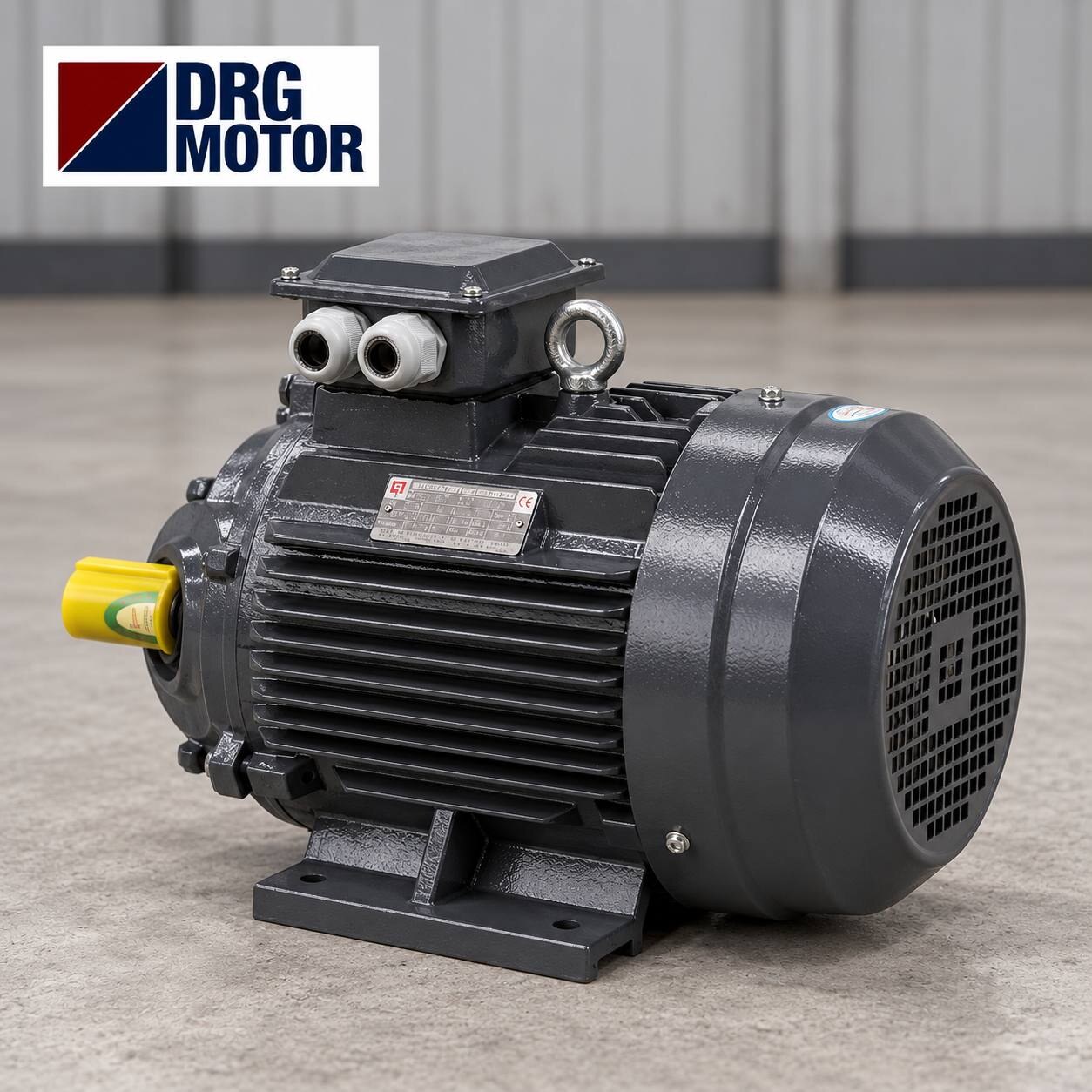

When an electric motor is switched off, it does not stop immediately; because of inertia, it keeps turning for a while. In most applications this is not a problem, but in some it is vital for the motor to stop quickly and safely, or even to hold a load when power is cut. The solution that meets this need is the brake motor. So when is a brake motor needed, and in which situations is it preferred?
In this article, DRG Motor examines when brake motors are needed and the advantages they provide. You can find the basic concepts of a motor in our what is an electric motor article.
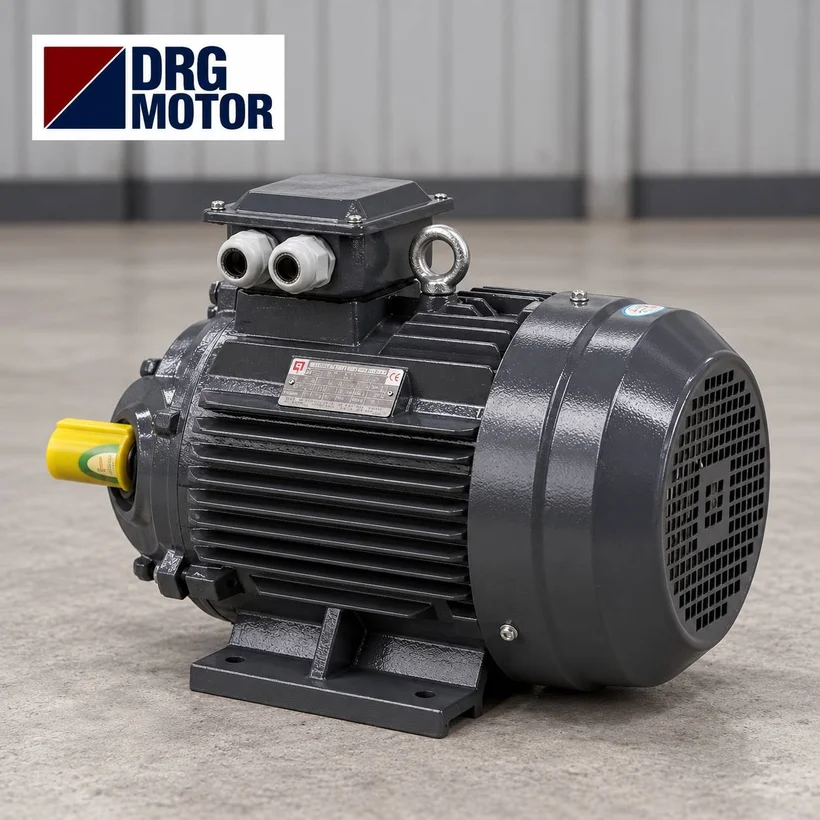
What Is a Brake Motor?
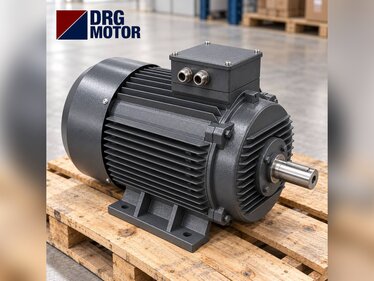
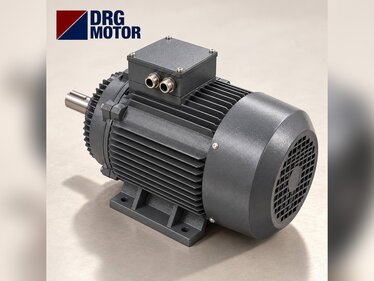
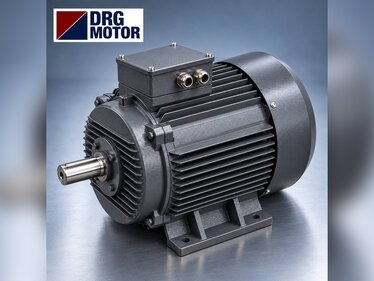
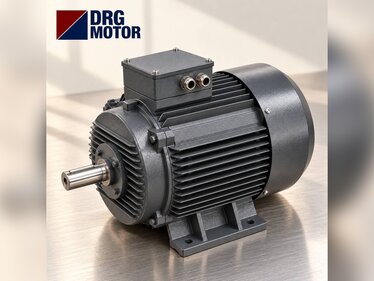
A brake motor is an electric motor with a brake mechanism integrated into its body. This brake engages when the motor stops, rapidly halting the shaft or holding the load. Electromagnetic brakes are generally used. The brake motor is designed for fast, safe stopping.
The brake works as one with the motor, providing additional safety and control, which is critical in certain applications.
How Does It Work?
The most common type in brake motors is the electromagnetic brake. While the motor is running, the brake is held open by electrical energy and the shaft turns freely. When the motor stops or power is cut, the brake engages under spring force and holds the shaft. This delivers a safe stop.
Thanks to this design, the brake engages automatically even during a power outage, which is critical for safety.
The Need for Fast Stopping
In some applications, the motor must stop quickly after being switched off. In mass production, an operator waits for the motor to stop in order to change a part, and fast stopping saves time. The brake motor provides this rapid stop, raising productivity, which is valuable in mass production.
Fast stopping directly affects production speed and efficiency, which is one advantage of the brake motor.
The Need to Hold a Load
In applications such as cranes and lifts, the load must be held so it does not fall when the motor stops. A brake motor holds the load safely even when power is cut. This is of vital importance in applications where gravity is at play, and load holding is one of the core functions of a brake motor.
We cover applications requiring high torque and load holding in our crane and lifting motor article. The brake keeps the load secure.
Safety Applications
Brake motors are preferred in applications where safety requirements are high. Where sudden stopping or load holding is needed, the brake provides safety. Even during a power failure, the brake engages to prevent danger. Safety is the most important advantage of the brake motor.
In safety-critical applications, a brake motor is almost mandatory, which makes it indispensable.
Cranes and Lifting Systems
In cranes, a brake motor prevents the lifted load from falling when the motor stops or power is cut. This is critical to preventing serious workplace accidents. In crane applications, a brake motor is a standard safety requirement, which protects worker safety.
In cranes, the brake protects both the load and the workers, which places it at the centre of safety.
Elevator Systems
In elevators, a brake motor holds the cabin safely and prevents it from falling during a power outage. This is of vital importance for passenger safety. In elevators, the brake is an indispensable safety component, and the right brake ensures elevator safety.
We explain elevator motor selection in our elevator electric motor selection article. The brake is vital in elevators.
Conveyors and Transport
On inclined conveyors, a brake motor prevents the belt and load from sliding back when it stops. This ensures both safety and orderly operation. On inclined transport systems, the brake is an important safety element, and the right brake ensures the safety of the transport.
We explain conveyor motor selection in our conveyor and belt motor selection article. The brake is important on inclined conveyors.
Precise Positioning
Some applications require the motor to stop precisely at a specific point. A brake motor makes positioning easier by providing fast, accurate stopping. This is valuable in applications that demand precision, and the brake supports precise stopping.
Precise positioning is another advantage of the brake motor, which supports quality production.
Brake Types
The most common type in brake motors is the electromagnetic disc brake. These brakes are reliable and durable. Different brake capacities and types are chosen according to the needs of the application, and the right brake type delivers stopping suited to the application.
The brake type and capacity are determined by the load to be held and the application, which makes correct selection important.
Choosing Brake Capacity
The brake capacity must be chosen to suit the load to be stopped and the application. An undersized brake cannot hold the load safely, while an oversized brake means unnecessary cost. The right brake capacity delivers safe stopping and is the basis of a sound choice.
Sizing the brake to suit the load ensures safe holding, which prevents accidents.
Click to see current electric motor prices and order nowSEE PRICES →
Brake Maintenance
In brake motors, regular maintenance is important so the brake works reliably. The wear and adjustment of the brake pads should be checked periodically. A lack of maintenance puts the safety of the brake at risk, which is why brake maintenance is critical.
We explain maintenance principles in our electric motor maintenance steps article. Brake maintenance ensures safety.
When Is It Not Needed?
In applications that do not require fast stopping or load holding, a brake motor is not necessary. Applications such as pumps and fans generally have no need for a brake. An unnecessary brake means added cost, so the need for a brake should be assessed according to the application.
In applications without a brake requirement, a standard motor is more economical, which is part of making the right choice.
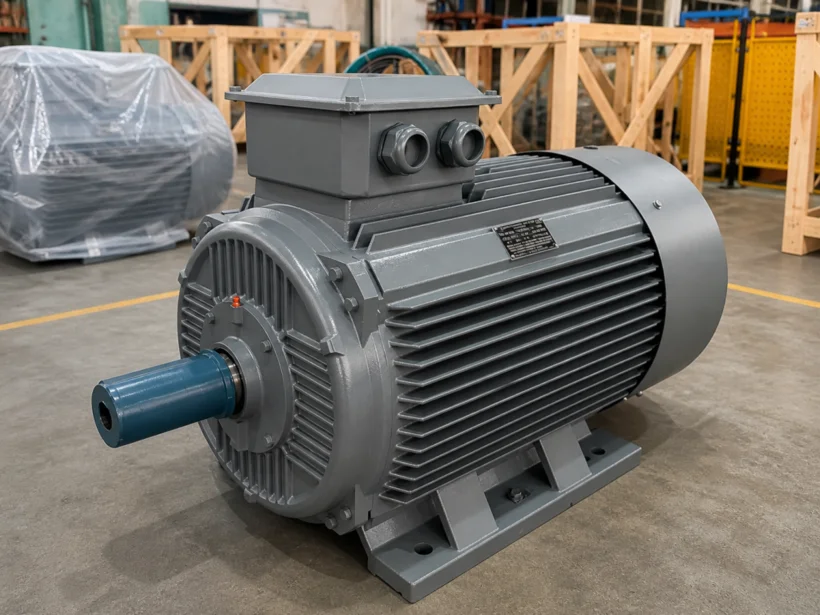
Electromagnetic Brake Structure
In electromagnetic brakes, energising a coil opens the brake and the shaft turns freely. When power is cut, springs press the braking disc to stop the shaft. This "fail-safe" structure provides automatic braking during a power outage, which is the foundation of safety.
A fail-safe brake is the safest brake design, which is why it is preferred in critical applications.
The Brake and Reaction Time
The reaction time of the brake determines how quickly the motor stops. A fast-reacting brake stops the shaft instantly. This time is important according to the precision and safety needs of the application, and the right brake provides the necessary reaction time.
Fast reaction is valuable for both precision and safety, which requires the right brake choice.
Manual Release Mechanism
Many brake motors have a mechanism for releasing the brake by hand when needed. This is useful for freeing the shaft during maintenance or emergencies. Manual release is a practical safety and maintenance feature that makes the brake motor easier to use.
Manual release is especially valuable in applications such as elevators and cranes, which is a practical feature.
Brake Wear
Brake pads wear over time during use. This wear reduces the holding power of the brake. For this reason, it is important to check the pads regularly and replace them when needed. Regular inspection preserves the reliability of the brake.
A worn brake puts safety at risk, which is why brake maintenance should be carried out regularly.
The Brake and Frequent Engagement
In applications that frequently start and stop, the brake works hard and wears more. These applications require durable brakes and frequent maintenance. Frequent braking is a factor that affects brake life, and the right brake must withstand frequent use.
In applications with frequent engagement, brake durability becomes important, which requires the right brake choice.
The Brake and Heat Build-Up
The friction generated during braking produces heat. Frequent and heavy braking can cause the brake to heat up. This heat affects brake performance and life, and a correctly sized brake manages this heat build-up.
We explain heat control in our electric motor temperature control article. Brake heating must also be managed.
Servo Brake Motors
In applications requiring high precision and safety, brake servo motors are preferred. These motors offer precise positioning and safe stopping together. Servo brake motors are valuable in automation and robotics applications, which means high performance.
Brake servo motors stand out where sudden stopping and precision are required, which is important in modern applications.
Power-Failure Safety
One of the most important advantages of brake motors is automatic braking during a power failure. When power is cut, the brake engages to hold the load and prevent danger. This feature is of vital importance in critical applications, and power-failure safety is the core value of the brake motor.
During an unexpected power outage, the brake engages automatically to protect, which is the guarantee of safety.
The Brake Motor and Efficiency
Brake motors consume a small amount of energy while the brake is held open. However, modern brakes keep this consumption to a minimum. An efficient brake motor delivers both safety and low energy consumption, which is a balanced solution.
We cover efficiency classes in our high-efficiency electric motors article. An efficient brake motor is a balanced choice.
Contributing to Production Efficiency
In mass production, a fast-stopping motor saves time and raises productivity. Every second the operator must wait for the motor to stop is lost production. A brake motor shortens this waiting time and increases productivity, which directly contributes to production.
Fast stopping delivers significant time savings in mass production, which increases business efficiency.
Brake Motor Selection Criteria
When selecting a brake motor, the stopping speed, the load to be held, the operating frequency and the safety requirement are all assessed. These criteria determine the right brake capacity and motor. The right choice delivers safe, efficient operation, which means an informed decision.
Correctly analysing the needs of the application is the foundation of choosing the right brake motor, which gives the best result.
A Durable Body
Brake motors require a durable body in applications where the brake mechanism adds extra load. A sturdy body protects both the motor and the brake. This ensures the brake motor is long-lived, and durability is the foundation of safe stopping.
We explain the advantages of a cast-iron body in our cast-iron electric motor article. A sturdy body is important in brake motors.
Compliance With Standards
In safety-critical applications such as cranes and elevators, brake motors must comply with safety standards. Compliance with standards is important both legally and for safety. The right brake motor ensures this compliance, which means responsible use.
Compliance with standards certifies the reliability of the brake motor, which means an informed choice.
The Brake Motor and a Maintenance Plan
Maintenance of brake motors covers both the motor and the brake. The brake pad, adjustment and holding power should be checked regularly. A comprehensive maintenance plan ensures the brake always works reliably, which means continuity of safety.
Regular brake checks are the guarantee of safe stopping, which is important in critical applications.
The Right Supplier for a Brake Motor
It is important to source your brake motor from a trustworthy supplier who understands safety requirements. A reliable supplier recommends a motor with the right brake capacity and power for your application, which ensures both safe and efficient operation. The right supplier is critical for a brake motor.
We explain how to choose the right supplier in our choosing an electric motor dealer article. A reliable source means a safe motor.
The Total Value of a Brake Motor
A brake motor delivers fast stopping, safe load holding, power-failure safety and precise positioning. These benefits make the brake motor indispensable in certain applications. In the right application, a brake motor offers significant safety and efficiency advantages, which makes for an informed choice.
The value of a brake motor reveals itself as safety and efficiency in the right application, which the right choice secures.
Safety as a Priority
The applications in which brake motors are used are often safety-sensitive. A brake that fails can lead to serious accidents. For this reason, quality and reliability come first in brake motors, and safety lies at the centre of brake motor selection.
In safety-critical applications, quality should not be compromised in a brake motor, which means a responsible choice.
Choosing Correctly With Expert Support
Selecting a brake motor requires safety and technical requirements to be weighed together. Consulting an expert helps you identify the most suitable and safest brake motor for your application. The right support safeguards both safety and efficiency, and expert evaluation is the key to a sound choice.
At DRG Motor, we provide technical support for brake motor selection. The right choice delivers safe, efficient operation.
Escalators and Moving Walkways
Escalators and moving walkways use brake motors for safety. During a fault or power outage, the brake system stops the movement safely. This protects passenger safety, and the brake motor is indispensable in these systems.
In passenger-carrying systems, the brake is a fundamental element of safety, which makes the brake motor mandatory.
Brakes on Machine Tools
On some machine tools, fast stopping of the rotating part is necessary for both safety and process precision. A brake motor stops the shaft quickly, ensuring operator safety and process control. This is valuable in machine tool applications, and the right brake ensures safe processing.
Fast stopping delivers both safety and efficiency on machine tools, which is the advantage of the brake motor.
The Brake and System Integrity
A brake motor shows its full effect together with a correctly chosen brake and a compatible control system. The brake, motor and control must all work in harmony. This integrity delivers safe, efficient stopping, and correct system design increases the value of the brake motor.
System integrity is the foundation of safe operation for a brake motor, which requires a thoughtful design.
DRG Motor for Brake Motors
At DRG Motor, we offer brake motor solutions for applications requiring fast stopping and safe load holding. Our aim is to keep your application safe and efficient. By evaluating your stopping-speed, load-holding and safety requirements, we recommend the brake motor best suited to you. You can also visit our homepage to learn more.
To choose the ideal brake motor for your application and receive technical support, contact DRG Motor and explore our range on our products page. The right brake motor ensures both the safety and the efficiency of your application.
DRG Electric Motors Suited to This Topic
The models below are available in the DRG Motor online shop. Click a model code to see its technical data, dimensions and current price, and order right away.
- DRG-90L-4 – 1.5 kW – 1445 rpm – aluminium frame
- DRG-100L2-4 – 3 kW – 1450 rpm – aluminium frame
- DRG-160M-4 – 11 kW – 1465 rpm – cast iron frame
- DRG-180L-4 – 22 kW – 1470 rpm – cast iron frame
Click to see current prices of all electric motors and order nowSEE PRICES →