English
 Le français
 Türkçe

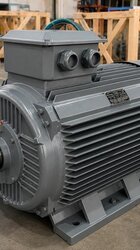

Not every electric motor runs continuously; some are used seasonally, some are kept on standby as spares, and others are stored in a warehouse. Yet leaving a motor idle for a long time can, contrary to common belief, wear it out. Problems such as moisture, corrosion and insulation deterioration threaten idle motors. A motor that is not properly protected can fail when it is restarted. So how do you protect a long-idle electric motor?
In this article, DRG Motor looks at how to protect motors that are idle for long periods and what to check before restarting them. You can find general maintenance principles in our article on electric motor maintenance steps.
The Risks of Standing Idle
When a motor stands idle for a long time, various risks emerge. The foremost of these are moisture accumulation, corrosion, hardening of grease and a drop in insulation resistance. An idle motor has different protection needs from a running one. Knowing these risks is the first step toward proper protection.
The problems caused by standing idle often appear at restart, and proper protection prevents them.
Moisture and Condensation
In an idle motor, condensation can form inside due to temperature changes. This moisture weakens the winding insulation and leads to corrosion on metal parts. This is why it is important to store idle motors in a dry environment. Moisture is the biggest enemy of an idle motor.
Storage in a dry environment prevents moisture-related problems, keeping the motor ready for use.
Falling Insulation Resistance
A motor left for a long time in a damp environment can suffer a drop in winding insulation resistance. Low insulation resistance means a risk of short circuit and failure at restart. This is why the insulation resistance of idle motors should be measured before starting. An insulation check provides a safe start.
We explain insulation class in our article on insulation class. Insulation resistance should be monitored during standstill.
The Risk of Corrosion
In motors that stand idle for a long time, metal parts and especially the shaft can rust. Corrosion impairs both the appearance and the function of the motor. This is why idle motors must be protected against corrosion. Suitable storage and protective measures prevent rusting.
Corrosion is a silent threat to an idle motor, and proper protection eliminates that threat.
Grease and Bearing Problems
In bearings that do not turn for a long time, the grease can harden or collect on one side due to gravity. This causes the bearings to strain at restart. This is why the bearings of idle motors should be turned periodically. This simple measure protects the bearings.
We explain how to extend bearing life in our article on extending bearing life. Periodic turning protects the bearings.
Dry and Clean Storage
Idle motors should be stored in a dry, clean and ventilated environment. Damp, dusty places or those with large temperature swings wear the motor. The right storage environment keeps the motor ready for use. This is the most basic protective measure.
A suitable storage environment protects the motor's life even while it stands idle, which means long life.
Using Heaters
Some motors have winding heaters (anti-condensation heaters) to prevent moisture condensation. These heaters keep the internal temperature above ambient while the motor is off, preventing moisture. In motors that stand idle for a long time, these heaters are valuable. This prevents moisture-related problems.
A winding heater is an effective protection for motors idle in damp environments, which protects the insulation.
Periodic Operation
Running long-idle motors briefly on a periodic basis prevents many problems. This operation drives out moisture, distributes the grease and moves the bearings. Regular short runs keep the motor ready for use. This is a simple but effective measure.
Periodic operation minimizes the risks of standing idle, which provides a safe restart.
Checks Before Starting
Before starting a long-idle motor, the insulation resistance should be measured, a visual inspection performed and the shaft turned by hand. These checks show whether the motor can run safely. Pre-start checks prevent sudden failures, which provides a safe start.
These checks confirm the condition of an idle motor, which means a fault-free start.
Turning the Shaft by Hand
Before starting, the motor shaft should be turned by hand to check that the bearings rotate freely. A shaft that strains or sticks indicates a bearing problem. This simple check catches mechanical problems early, which ensures a safe start.
A freely rotating shaft shows that the bearings are healthy, which means a safe start.
Click to see current electric motor prices and order nowSEE PRICES →
Measuring Insulation Resistance
Measuring insulation resistance with a megger before starting is one of the most important checks. Low insulation resistance shows that the motor is damp and should not be started. In this case the motor must first be dried. The insulation measurement is the key to a safe start.
This measurement catches moisture-related faults before starting, which protects the motor.
Drying a Damp Motor
A motor with a low insulation resistance must be dried before starting. Drying is done with controlled heating or winding heaters. The dried motor's insulation resistance is measured again to confirm it has reached a safe level. This process allows a damp motor to be started safely.
Correct drying restores the motor to ready-for-use condition without damage, which means a safe solution.
Managing Spare Motors
In critical applications, motors kept as spares require regular maintenance and protection. A standby spare motor is expected to run flawlessly when needed. This is why spare motors must also be checked and protected periodically. This secures production continuity.
A well-protected spare motor steps in safely when a fault occurs, which is important for critical facilities.
Seasonally Used Motors
In seasonal applications such as agricultural irrigation, motors do not run for part of the year. These motors must be protected from moisture and corrosion during their idle period. At the start of the season, pre-start checks should be performed. Proper protection gives seasonal motors a long life.
Seasonal motors require special attention during idle periods, which ensures a safe start each season.
Protecting the Nameplate and Documents
The nameplate details and documents of long-idle motors should also be protected. This information is needed when recommissioning and in the event of a problem. Preserved documents maintain the motor's identity and specifications, which is a practical measure.
We discuss nameplate details in our article on nameplate details. Documents are valuable for an idle motor too.
The Benefit of Proper Protection
Properly protecting a long-idle motor prevents faults at restart, preserves the motor's life and supports production continuity. Proper protection eliminates the risks of standing idle. This keeps the motor always ready for use, which means deliberate management.
A well-protected motor retains its value even while idle, which is a long-term gain.
Storage Position
Idle motors should be stored in the correct position; generally a horizontal, level position is preferred. Storing in the wrong position can place uneven load on the bearings. The correct storage position protects the motor's mechanical health, which keeps it ready for use.
A suitable storage position protects the bearings and the shaft, which means a safe period of standstill.
Protecting from Vibration
Idle motors should be protected from continuous external vibration. The vibration of nearby running machines can cause local damage in the bearings of an idle motor. This is why the storage location should be free of vibration. This protects the bearings.
A vibration-free environment keeps an idle motor's bearings healthy, which means long life.
Protecting from Dust and Dirt
Idle motors should be protected so that dust and dirt do not accumulate on them. Accumulated dust blocks cooling and causes damage if it gets inside. Storage that is covered but not deprived of ventilation protects the motor from dust. This provides a clean start.
Dust protection keeps an idle motor clean, which means readiness for use.
Protecting from Temperature Changes
Large temperature changes in the storage environment lead to condensation and moisture. An environment with as stable a temperature as possible prevents this problem. Temperature control reduces moisture-related problems, which protects the insulation.
A stable-temperature environment minimizes condensation, which protects the idle motor.
Cleaning Before Starting
A long-idle motor should be cleaned externally before starting. Dust in the cooling channels and on the housing leads to heating during operation. Cleaning lets the motor run cool, which means a safe start.
We explain heat control in our article on electric motor temperature control. Cleaning is important before starting.
Checking the Connections
Before starting, the motor's electrical connections should be checked. Connections that have loosened or oxidized during standstill cause problems at startup. Sound connections provide a safe start, which means a fault-free startup.
A connection check ensures the safe recommissioning of an idle motor, which is a practical measure.
Observation at First Start
When a long-idle motor is started for the first time, it should be observed carefully. Abnormal sound, vibration, heating or smell can be a sign of a problem. Observation at first start catches problems early, which provides a safe recommissioning.
First-start observation reveals hidden problems caused by standing idle, which protects the motor.
Gradual Commissioning
It is safer, where possible, to bring a long-idle motor up to load gradually. Running it first without load and then under gradual load provides the opportunity to check the motor. This approach prevents sudden problems, which means a safe restart.
Gradual commissioning confirms the motor's condition step by step, which provides a safe transition.
Labelling Spare Motors
Labelling standby spare motors and keeping records simplifies their management. Which motor was last maintained and how long it has stood idle can be tracked from these records. Regular records make spare motor management systematic, which ensures readiness.
Records and labelling enable orderly management of spare motors, which supports readiness at the critical moment.
Corrosion-Preventing Measures
The metal surfaces of idle motors can be protected with corrosion-preventing coatings or protectants. These measures delay rusting in damp environments. Corrosion protection preserves the function of an idle motor, which keeps it ready for use over a long period.
Corrosion prevention is among the most important protection steps for an idle motor, which protects the motor.
A Regular Maintenance Programme
Idle motors, like running motors, should be included in a maintenance programme. Periodic inspection, operation and insulation measurement are parts of this programme. Regular maintenance keeps an idle motor always ready, which means systematic management.
We explain maintenance principles in our article on electric motor maintenance steps. An idle motor requires maintenance too.
The Cost of Long Standstill
A motor that stands idle for a long time without protection can fail, creating both repair cost and lost production. Proper protection prevents these costs. This is why protecting idle motors is important economically too. Proper protection reduces future costs.
A well-protected motor does not deteriorate while idle and runs when needed, which means cost savings.
The Advantage of a Quality Motor
A quality-built motor is also more resistant to standing idle. Good insulation, quality bearings and a solid housing withstand idle conditions better. This is why a quality motor is advantageous both while running and while idle. Quality is valuable in every situation.
We explain the importance of winding quality in our article on rotor copper-wound electric motors. A quality motor is resistant to standing idle.
A Commissioning Plan
The commissioning of a long-idle motor should be carried out in a planned way. Checks, cleaning and gradual operation are conducted as part of a plan. A planned commissioning provides a trouble-free transition, which means a safe start.
A good commissioning plan ensures that an idle motor runs safely, which means a deliberate approach.
Professional Support
Evaluating and commissioning a long-idle motor sometimes requires professional support. Insulation measurement, drying and detailed inspection are tasks that call for expertise. Professional support provides safe commissioning, which protects the motor.
The right supplier also provides support with commissioning. We explain how to choose the right supplier in our article on choosing an electric motor dealer.
A Holistic Approach to Protection
Protecting a long-idle motor encompasses correct storage, periodic inspection, moisture prevention and pre-start checks all together. This holistic approach keeps the motor always ready and healthy. It is not a single measure but all of them together that prove effective, which means a reliable motor.
Holistic protection preserves the value and function of an idle motor, which is a long-term gain.
Efficiency Check After Standstill
After a long-idle motor is commissioned, its efficiency and performance should be checked to see whether they are at the expected level. Small problems that develop during standstill can lead to a drop in efficiency. A performance check confirms that the motor is running healthily, which means a safe commissioning.
An efficiency check shows that an idle motor is running at full capacity, which secures production quality.
DRG Motor for Long-Lasting, Reliable Motors
At DRG Motor, we offer durable, quality motors that remain ready for use over a long time when stored correctly. Our aim is to keep your motor reliable at all times, whether it runs continuously or stands by as a spare. We also provide technical support on storage and protection.
To choose a durable, reliable motor and receive technical support on protection, you can contact DRG Motor and review our range on our products page or our homepage. Proper protection keeps your motor healthy even while it stands idle.
DRG Electric Motors Suited to This Topic
The models below are available in the DRG Motor online shop. Click a model code to see its technical data, dimensions and current price, and order right away.
- DRG-132S-4 – 5.5 kW – 1460 rpm – cast iron frame
- DRG-160L-4 – 15 kW – 1465 rpm – cast iron frame
- DRG-200L-4 – 30 kW – 1475 rpm – cast iron frame
- DRG-225M-4 – 45 kW – 1485 rpm – cast iron frame
Click to see current prices of all electric motors and order nowSEE PRICES →