 English
 Le français
 Türkçe

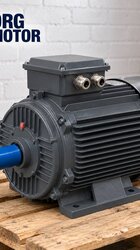
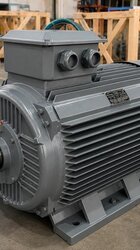
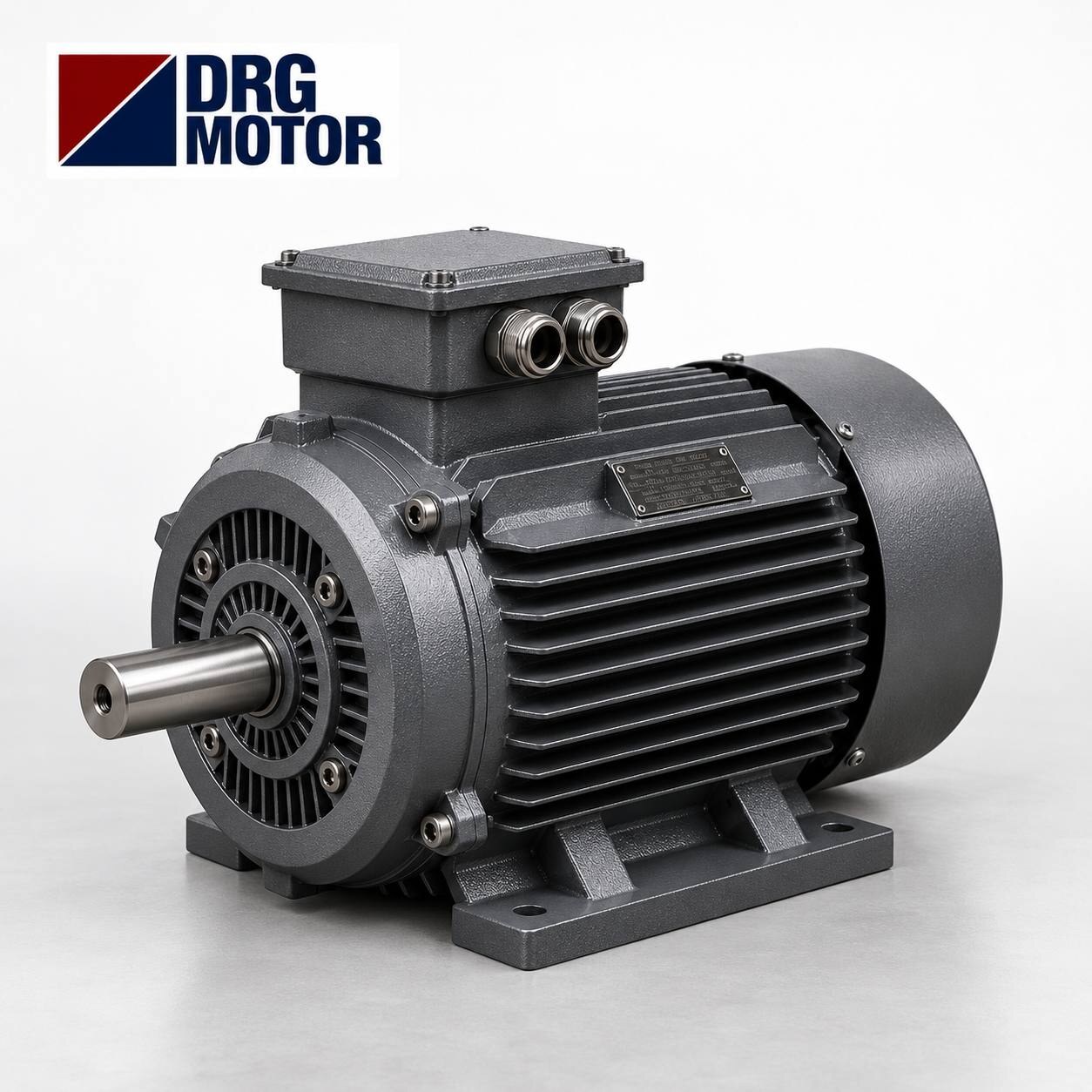

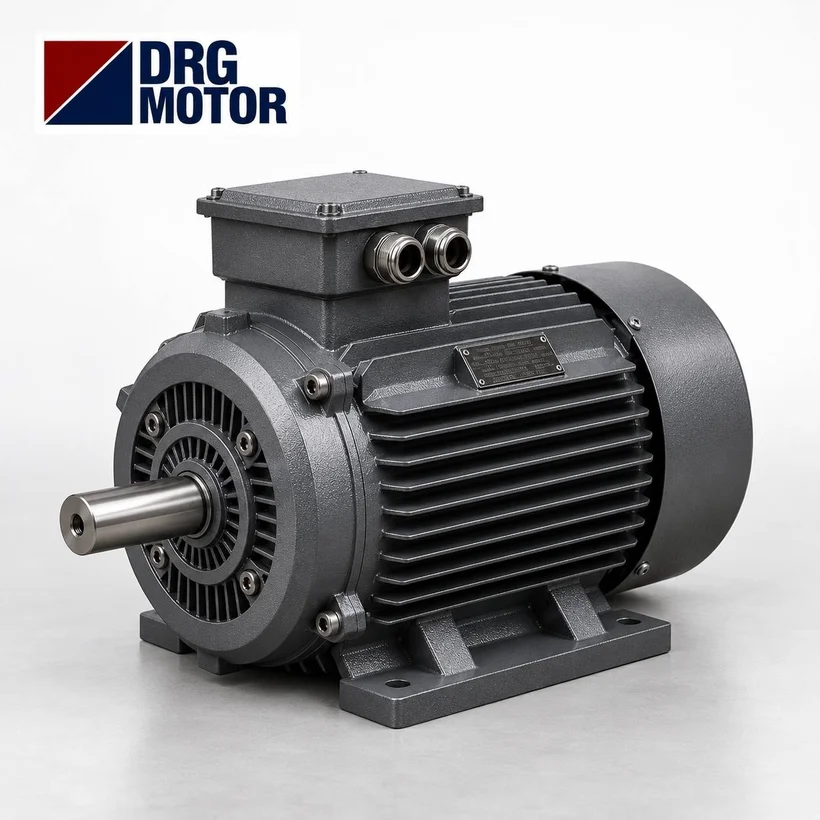
An electric motor is usually connected to the equipment it drives through a coupling (a shaft connection element). The quality of this connection, namely the alignment of the motor shaft and the equipment shaft on the same axis, is critical to the health of the system. Misalignment is a leading cause of many problems, including vibration, noise, overheating and premature bearing failure. So why is shaft and coupling alignment so important in an electric motor?
In this article, DRG Motor examines the importance of shaft and coupling alignment and the benefits of correct alignment. You can also find guidance on mounting types in our mounting type selection article.
What Is a Coupling?
A coupling is a mechanical element that connects the motor shaft to the shaft of the driven equipment. It enables power to be transmitted from the motor to the equipment. The coupling allows the two shafts to turn together and power to be transferred without loss, forming the bridge between motor and equipment.
A correct coupling connection enables power to be transmitted efficiently, which is the foundation of a healthy system.
What Is Alignment?
Alignment (shaft alignment) is the process of ensuring the motor shaft and the equipment shaft are on the same axis. When the two shafts are perfectly aligned, rotation is balanced and free of vibration. Misalignment, by contrast, means the shaft is off-axis. Correct alignment is the key to a healthy system.
Alignment allows the motor and equipment to work in harmony, which means a vibration-free system.
Why Is It Important?
Shaft and coupling alignment is one of the most important elements of smooth system operation. Correct alignment reduces vibration, prevents overheating, keeps current at a reasonable level and protects the bearings. Misalignment causes all of these problems, which is why alignment is so critical.
Good alignment ensures the system runs efficiently and for a long time, which is the foundation of correct installation.
Vibration and Alignment
Misalignment is one of the most common causes of vibration. Shafts that turn off-axis produce vibration on every rotation. This vibration wears both the motor and the equipment. Correct alignment keeps vibration within tolerance limits.
We explain vibration reduction in our noise and vibration reduction article. Correct alignment reduces vibration.
Bearing Life and Alignment
Misalignment places uneven, excessive load on the bearings. This causes the bearings to wear quickly and fail early. Correct alignment allows the bearings to run in a balanced, long-lived way, and alignment is an important determinant of bearing life.
We explain extending bearing life in our extending bearing life article. Correct alignment protects the bearings.
Heat Build-Up and Alignment
Misalignment increases friction and strain, causing the motor and bearings to heat up. This heat both reduces efficiency and wears the components. Correct alignment prevents unnecessary heat build-up, which allows the motor to run cool.
We explain heat control in our electric motor temperature control article. Correct alignment reduces heating.
Current and Alignment
Misalignment can cause the motor to be strained more and therefore draw more current. This both increases energy consumption and strains the motor. Correct alignment keeps the motor's current at a reasonable level, which means efficient operation.
Correct alignment prevents the motor from drawing unnecessary current, which delivers energy savings.
Efficiency and Alignment
Misalignment causes part of the power to be lost to friction and vibration, which means a loss of efficiency. Correct alignment ensures power is transferred to the equipment without loss, which means an efficient system.
We cover efficiency losses in our efficiency losses article. Correct alignment protects efficiency.
Causes of Misalignment
Misalignment can result from a poor initial installation, an inadequate foundation, distortion in an intermediate shaft, or temperature changes during operation. Knowing these causes is important for getting alignment right. A correct installation prevents alignment errors.
Understanding the source of alignment errors delivers a lasting solution, which means a correct setup.
Temperature and Changes in Alignment
Even a system correctly aligned at first installation can fall out of alignment because of temperature changes during operation. Heated parts expand and alignment can be disturbed. For this reason, alignment should be carried out with operating temperature in mind, which delivers a lasting alignment.
Thermal effects are a factor that must be taken into account in alignment, which means an informed installation.
Laser Alignment
In modern applications, laser alignment devices are used for alignment. These devices align the shafts perfectly using very precise measurements. Laser alignment is one of the most accurate and reliable methods, which ensures a vibration-free system.
Precise alignment is an important part of modern maintenance practice, which means long service life.
Parallel and Angular Misalignment
Alignment errors come in two forms: parallel (offset) misalignment and angular misalignment. Both lead to vibration and wear. Correct alignment eliminates both forms, fully aligning the shafts, which delivers balanced rotation.
When both forms of misalignment are eliminated, the system delivers its best performance, which is the purpose of correct alignment.
Choosing the Coupling Type
The coupling type also affects alignment and system performance. Flexible couplings can tolerate small alignment errors to a degree, but alignment must still be done correctly. The right coupling type is chosen according to the application, which delivers a healthy connection.
The coupling type affects power transmission and alignment tolerance, which makes correct selection important.
Periodic Alignment Checks
Alignment is not something to be done once and forgotten. Over time, alignment can be disturbed by vibration and temperature. For this reason, periodic alignment checks preserve the health of the system, and regular checking keeps alignment correct continuously.
We explain maintenance principles in our electric motor maintenance steps article. Alignment checking is part of maintenance.
A Solid Mounting Base
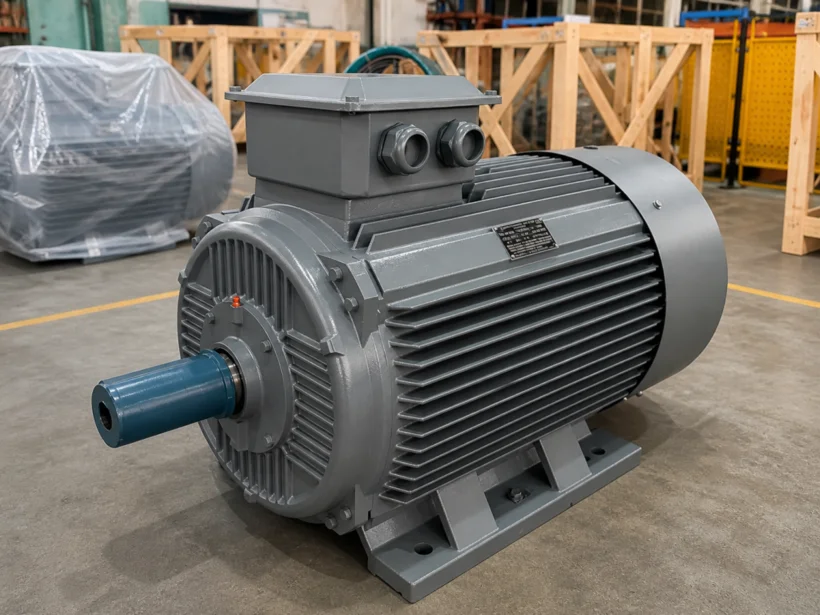
The foundation of correct alignment is a solid, level mounting base. A weak or unstable base causes alignment to be disturbed over time. A solid foundation ensures alignment is lasting, which means a long-lived system.
A good mounting base preserves alignment, which is part of a correct installation.
Bolt Tightness and Alignment
Tightening the mounting bolts correctly and evenly is important for preserving alignment. Uneven tightening can pull the motor to one side and disturb alignment. The correct tightening sequence and torque deliver a balanced installation, which preserves alignment.
Correct bolt tightening prevents alignment from being disturbed, which delivers vibration-free operation.
The Problem of Soft Foot
When one of the motor's feet does not sit fully on the base, this is an alignment problem known as "soft foot". This condition causes the motor to distort and alignment to be disturbed. This problem should be checked and corrected during installation, as proper seating delivers a balanced installation.
Soft foot is an overlooked but important alignment problem, which requires attention during installation.
Coupling Gap
The coupling gap between the motor shaft and the equipment shaft must be set correctly. Too little or too much gap leads to axial strain. The correct gap allows the shafts to turn comfortably and in balance, which means a healthy connection.
The coupling gap is part of alignment, which requires correct adjustment.
Alignment and Belt Systems
Alignment is also important in systems connected by belts and pulleys. Pulleys being on the same plane and in line ensures the belt runs smoothly and without wear. Incorrect pulley alignment leads to belt wear and efficiency loss, and correct alignment is necessary in belt systems too.
Belt alignment protects both the belt and the bearings, which extends the life of the system.
Alignment and Pump Systems
Alignment is especially important in motor-pump sets. When the pump and motor shafts are perfectly aligned, the system runs vibration-free and efficiently. Misalignment wears both the pump and the motor, while correct alignment extends the life of the pump system.
We explain pump motor selection in our water pump electric motor selection article. Alignment is critical in pump systems.
Alignment and Gearbox Systems
In motor-gearbox sets, correct shaft alignment is critical to the health of the system. Misalignment strains the gearbox gears and bearings. Correct alignment allows the gearbox to run for a long time, which means efficient power transmission.
We explain motor-gearbox compatibility in our motor gearbox compatibility article. Alignment is important in geared systems.
Alignment Tolerances
Every application has a specific alignment tolerance. High-speed and precision applications require tighter tolerances. Alignment must be carried out within these tolerances, and the correct tolerance ensures the system runs safely.
High-speed systems require more precise alignment, which means a careful installation.
Detection Through Vibration Analysis
Alignment problems can be detected through vibration analysis. Increasing vibration is often the sign of an alignment error. Vibration measurement catches alignment problems early, which means timely intervention.
We explain energy and vibration monitoring in our energy monitoring article. Monitoring catches alignment problems.
Alignment and Production Continuity
Failures caused by misalignment can halt production. Correct alignment prevents these failures and supports production continuity. A vibration-free system means fewer breakdowns and less downtime, which delivers direct gains to the business.
Correct alignment reduces unexpected downtime, which supports production reliability.
Alignment Cost and Benefit
The time and effort spent on correct alignment are repaid many times over through prevented failures and extended life. A bearing failure caused by misalignment costs far more than the cost of alignment. For this reason, alignment is also important economically, and correct alignment pays off over the long term.
Investment in alignment pays for itself through prevented failures, which means informed maintenance.
Alignment and Efficiency
A correctly aligned system runs efficiently by transferring power without loss. This means energy savings and less heating. Alignment also contributes indirectly to energy efficiency, which lowers operating cost.
An efficient system begins with correct alignment, which contributes to energy savings.
Professional Alignment Service
Precise alignment is a task that requires expertise and special equipment. Laser alignment devices and experienced technicians deliver the most accurate alignment. Professional alignment ensures the system runs safely and efficiently, which means long service life.
The right supplier also provides support in alignment. We explain how to choose the right supplier in our choosing an electric motor dealer article.
Alignment and a Quality Motor
A quality-built motor with a balanced rotor delivers the best result when combined with correct alignment. A quality motor already produces little vibration, and correct alignment improves this further. Together, the two create a quiet, long-lived system, and quality and alignment gain value together.
We explain the importance of winding and rotor quality in our rotor copper-wound electric motors article. A quality motor supports alignment.
Alignment and System Life
Correct alignment extends the life of both the motor and the connected equipment by reducing vibration, heat and wear. This holistic effect makes alignment critical to the health of the system. Correct alignment ensures the whole system is long-lived, which is a long-term gain.
A well-aligned system runs trouble-free for years, which is the result of a correct installation.
An Alignment Checklist
For correct alignment, a solid base, correct bolt tightness, soft-foot checking, coupling-gap adjustment and precise measurement are all required. All of these steps together deliver correct alignment, and a systematic approach gives the best result, which means an informed installation.
A checklist ensures no step of alignment is skipped, which means a reliable setup.
Correct Alignment With Expert Support
Correct alignment requires expertise and the right equipment. Consulting an expert ensures your system is correctly aligned and runs free of vibration. The right support safeguards both efficiency and long service life, and expert evaluation is the key to correct alignment.
At DRG Motor, we provide technical support on mounting and alignment. Correct alignment keeps your system running healthily.
First Start-Up and Alignment
When a motor-equipment set is started for the first time, alignment should be checked carefully. The vibration and heating at first start-up reveal information about the alignment. This check allows problems to be caught at the outset, and a correct start is the foundation of long service life.
A first start-up check confirms the accuracy of the alignment, which means a safe start.
Alignment Records
Recording the alignment measurements taken allows the history of the system to be tracked. Changes in alignment over time can be seen from these records. Records assist with maintenance planning, which means systematic maintenance.
Alignment records help predict future problems, which means informed maintenance.
Alignment and Overall System Health
Correct alignment preserves the health of the entire system, made up of the motor, coupling, equipment and bearings. This holistic approach ensures the system runs for the longest possible life. Alignment affects not a single part, but the whole system, which means a comprehensive benefit.
Correct alignment across the system delivers the highest reliability, which is the result of an informed installation.
DRG Motor for Correct Alignment
At DRG Motor, we offer quality, balanced motors that run for a long time with correct installation. Our aim is to ensure your motor is correctly aligned to your equipment and runs vibration-free, efficiently and for a long time. We also provide technical support on mounting and alignment. You can also visit our homepage to learn more.
To choose a quality motor that can be correctly aligned and to receive technical support, contact DRG Motor and explore our range on our products page. Correct shaft and coupling alignment is the key to a quiet, efficient and long-lived system.