 English
 Le français
 Türkçe

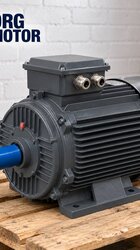
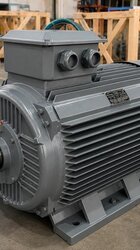

From wells and deep water to wastewater plants and agricultural irrigation, many applications require water to be lifted from depth to the surface. This task is handled by special motors that operate inside the water itself: submersible electric motors. Unlike an ordinary motor, a submersible motor is designed to work safely while fully underwater, under pressure and in a permanently wet environment. So how does a submersible electric motor work, and what makes it different?
In this article, DRG Motor examines the working principle and characteristics of submersible motors. You can also find guidance on pump applications in our how to choose an electric motor for water pumps article.
What Is a Submersible Motor?
A submersible motor is a special electric motor designed to operate fully underwater. It is generally used together with a submersible pump, lowered into the water itself. These motors have a watertight construction that prevents water from entering, which makes the submersible motor a purpose-built solution for underwater applications.
These motors run safely under pressure and humidity inside the water, which is what sets them apart.
How Does It Work?
Just like other electric motors, a submersible motor creates a magnetic field from the current flowing through its windings and turns the rotor. This rotation spins the pump impeller, pushing water to the surface through centrifugal force. The difference is that the motor does this underwater and in a watertight manner. The working principle is the same, but the design is special.
We explain the basic operating logic of a motor in our what is an electric motor article. The submersible motor carries this logic underwater.
Watertight Construction
The most important feature of a submersible motor is its fully watertight construction, which prevents water from entering the motor. Sturdy seals and special sealing elements protect the motor from water. This sealing allows the motor to operate safely underwater and is the very foundation of the submersible motor.
The smallest amount of water entering will damage a submersible motor, which is why sealing is critical.
Water-Resistant Seals
The seals used in submersible motors are made of water- and pressure-resistant materials such as rubber or silicone. These seals withstand the pressure differential underwater and the surrounding conditions. Quality seals allow the motor to run safely for a long time, which determines the life of the submersible motor.
Seal quality is one of the most critical elements of a submersible motor, which means safe operation.
Cooling by Water
Submersible motors are cooled by the water that surrounds them. Operating inside the water allows the motor to dissipate its heat effectively. This natural cooling is one of the advantages of submersible motors, where the water serves as both operating environment and coolant.
Water cooling prevents the submersible motor from overheating, which ensures a long service life.
Well Applications
Submersible motors are most often used to draw water from wells. The submersible pump and motor are lowered to the depth of the well to lift water to the surface. The depth of the well and the required flow rate determine the power and characteristics of the motor. The right motor draws water from the well efficiently.
Well applications are the most common use of submersible motors, which makes correct selection important.
Agricultural Irrigation
In agricultural irrigation, submersible motors are used intensively to draw water from deep wells. In these applications, motors run for long hours and at high power. Durable, efficient submersible motors lower irrigation costs, which contributes to agricultural productivity.
Agricultural irrigation is an important application area for submersible motors. The right motor delivers savings in both water and energy.
Wastewater and Drainage
Submersible motors are also used in wastewater and drainage applications. Moving dirty water that contains solids, these motors require special durability. Wastewater submersible motors must withstand harsh conditions, and the right motor enables effective wastewater management.
Wastewater applications demand extra durability from a submersible motor, which calls for a special design.
Choosing the Right Power Rating
The power of a submersible motor is determined by the depth from which water is drawn and the required flow rate. Deep wells and high flow rates require a more powerful motor. The right power lifts water to the surface efficiently, which determines the efficiency of the submersible motor.
You can find power options in our power (kW) and speed table. The right power is the foundation of the submersible pump.
Efficiency and Energy Cost
Submersible motors often run for long hours, so efficiency directly affects energy cost. High-efficiency submersible motors deliver significant savings in irrigation and water transfer. On these continuously running motors, efficiency turns directly into profit, which is why efficient motors should be chosen.
We cover efficiency classes in our high-efficiency electric motors article. Efficiency is valuable in submersible motors.
Protection Against Dry Running
Submersible motors are designed to operate underwater and to be cooled by water. If the water level drops and the motor is left without water (dry running), overheating and damage can occur. For this reason, protection against dry running is important, as this protection shields the submersible motor from a lack of water.
Dry-run protection safeguards the life of the submersible motor, which means safe operation.
Water Quality and the Motor
The quality of the water being drawn affects the choice of submersible motor. Sandy, dirty or abrasive water can wear the motor and pump. Durable submersible motors suited to these conditions are preferred, so water quality is part of correct motor selection.
Abrasive water demands extra durability from a submersible motor, which requires a suitable motor choice.
Maintenance and Access
Because submersible motors operate underwater and often at depth, maintenance and access are difficult. For this reason, durable and reliable motors are preferred. A quality submersible motor runs for a long time without requiring maintenance, which is an advantage in hard-to-reach applications.
We explain maintenance principles in our electric motor maintenance steps article. Durability is important in submersible motors.
Insulation and Water Resistance
The winding insulation of submersible motors is specially designed to operate safely even underwater. This insulation prevents water and moisture from damaging the windings. High water resistance is a fundamental requirement of the submersible motor, which ensures safe operation.
We explain insulation class in our insulation class article. Water resistance is critical in submersible motors.
Water-Filled and Oil-Filled Motors
Submersible motors can be built in two types: water-filled or oil-filled. Water-filled motors are cooled and insulated by the clean water inside them, while oil-filled motors are protected by a special oil. Each type suits different applications, and the right type is chosen according to the application.
The internal fill type of the motor determines its cooling and insulation approach, which affects the right choice.
Depth and Pressure
The deeper a submersible motor is lowered, the greater the water pressure upon it. The motor must be designed to withstand this pressure. Deep wells require motors that resist high pressure, and the right motor safely withstands the pressure at depth.
Depth determines the pressure a submersible motor must withstand, which calls for a suitable motor choice.
Compatibility With the Pump
A submersible motor must be selected to be compatible with the pump it will drive. The power of the motor and the capacity of the pump must match one another. A mismatched motor-pump set means inefficiency and breakdowns, while the right match delivers efficient water transfer.
Motor-pump compatibility determines the efficiency of the submersible system, which requires correct pairing.
Starting and Protection
Submersible motors also draw high current at start-up and require suitable protection. Soft starting and overload protection guard the motor against starting strain and overload. These protections extend the life of the submersible motor, which means safe operation.
We explain soft starting in our soft starting article. Protection is important in submersible motors.
Cables and Connections
The cables and connections of submersible motors are specially insulated to be safe underwater. Watertight cables and connections ensure electrical safety. The quality of these components is critical to the safety of the submersible system, and the right connection enables safe underwater operation.
Watertight cables are part of the safety of the submersible motor, which means a correct installation.
Industrial Water Applications
Submersible motors are also used in industrial water supply and process water applications. These applications require continuous, reliable water transfer. Durable submersible motors meet industrial water needs, which supports production continuity.
Industrial applications require a reliable submersible motor, which makes correct selection important.
Fire and Emergency Water Systems
Some fire and emergency water systems also use submersible motors. In these critical applications, motor reliability is of vital importance. A motor that fails in an emergency can have serious consequences, while the right motor ensures the reliability of emergency water systems.
Critical water systems require the most reliable submersible motor, which means a choice that puts safety first.
Energy Monitoring
Monitoring the energy of submersible motors catches inefficient operation and problems early. On these motors, which are hard to access underwater, monitoring provides early warning, delivering both savings and fault detection. Monitoring is valuable in submersible motors.
We explain energy monitoring in our energy monitoring article. Monitoring provides early warning in submersible motors.
Operating Hours and Efficiency
The energy cost of a submersible motor depends on its operating hours as much as on its power. On an irrigation submersible motor that runs for long hours, an efficient motor delivers significant savings. The longer the operating time, the greater the return from efficiency, which is why an efficient motor should be chosen.
We examine the return on switching to an efficient motor in our high-efficiency motor payback period article. Efficiency pays off in submersible motors.
Correct Level Control
Level control is used to keep submersible motors underwater. When the water level drops, the motor is stopped to prevent dry running. This control protects the motor from being left without water, and correct level control ensures the safety of the submersible motor.
Level control is one of the most important protective measures for a submersible motor, which means long service life.
A Total-Cost Perspective
When selecting a submersible motor, energy and maintenance costs should be considered alongside the purchase price. An efficient, durable motor is the most economical over the long term. A cheap but flimsy motor fails quickly underwater, which is why a total-cost perspective is important.
We examine the factors behind price in our factors that determine price article. Quality pays off in submersible motors.
The Importance of Durability
Because submersible motors operate in hard-to-reach, demanding underwater conditions, durability is critical. Quality sealing, sturdy construction and good insulation allow the motor to run safely for a long time. A durable motor reduces the need for frequent replacement and maintenance, which is a long-term advantage.
In hard-to-reach applications, durability translates directly into cost savings, which requires a quality motor.
Next-Generation Submersible Motors
Next-generation submersible motors are more reliable and economical thanks to improved sealing and high efficiency. Renewing old submersible motors delivers both energy savings and reliability. Modern motors offer an advantage in underwater applications, which is a long-term gain.
We explain the advantages of next-generation motors in our next-generation electric motors article. Next-generation means efficiency in submersible applications.
The Right Supplier for a Submersible Motor
It is important to source your submersible motor from a trustworthy supplier who understands the requirements of underwater applications. A reliable supplier recommends a durable, efficient motor suited to your application, which ensures both efficient water transfer and continuity. The right supplier matters in submersible applications.
We explain how to choose the right supplier in our choosing an electric motor dealer article. A reliable source means the right motor.
Contributing to Water Conservation
A correctly chosen, efficient submersible motor delivers both energy savings and, indirectly, water savings. Control with a frequency inverter makes it possible to draw only as much water as needed. This contributes to the efficient use of resources, and an efficient motor is part of sustainable water use.
Especially in agricultural irrigation, controlled water extraction delivers significant resource savings, which is an environmental gain.
Choosing Correctly With Expert Support
Selecting a submersible motor requires depth, flow rate, water quality and continuity requirements to be weighed together. Consulting an expert helps you identify the motor best suited to your application. The right support delivers both efficient water transfer and long service life, and expert evaluation is the key to a sound choice.
At DRG Motor, we provide technical support for motor selection in your underwater applications. The right choice helps you use your water source efficiently.
Attention to Installation and Mounting
Lowering and mounting the submersible motor correctly into the well or water source is important for safe operation. Incorrect installation can cause cable damage or harm the motor. A correct installation allows the motor to run smoothly underwater, which means long service life.
Correct installation is the foundation of safe, efficient operation for a submersible motor, which requires a careful setup.
The Advantages of a Submersible Motor
Operating inside the water gives submersible motors advantages such as natural cooling, quietness and space savings. No separate motor room is needed at the surface, and the system becomes compact. These advantages make submersible motors ideal for deep-water applications, and the right submersible motor offers both efficiency and practicality.
The advantages that come from underwater operation make submersible motors unique, which makes them indispensable in water applications.
DRG Motor for Submersible Underwater Motors
At DRG Motor, we offer durable, efficient underwater motor solutions for well, agricultural irrigation and water transfer applications. Our aim is to help you move water from depth to the surface efficiently and without interruption. By evaluating your depth, flow rate and water quality conditions, we recommend the solution best suited to you. You can also visit our homepage to learn more.
To choose the ideal motor for your underwater application and receive technical support, contact DRG Motor and explore our range on our products page. The right submersible motor is the key to using your water source efficiently.