English
 Le français
 Türkçe

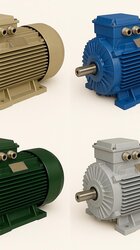
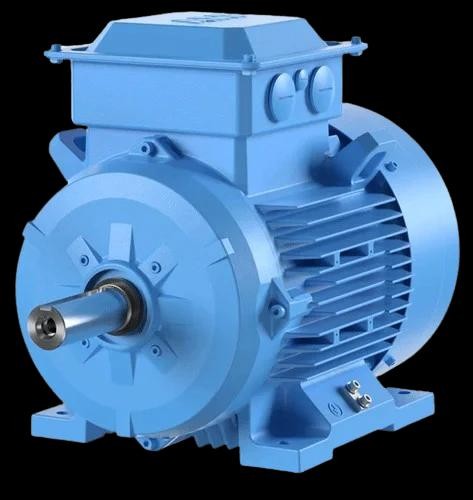

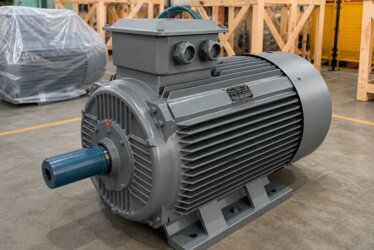
Most electric motors are designed to run at a single fixed speed. Some applications, however, require the motor to operate at two different speeds. One of the solutions that answers this need is the two-speed (dual-speed) electric motor. By offering two different speeds in a single unit, these motors provide flexibility. So where are two-speed electric motors used, and what advantages do they offer?
At DRG Motor, this article examines what two-speed motors are, how they work and where they are used. You can find the concepts of speed and pole count in our article on pole count and speed.
What Is a Two-Speed Motor?
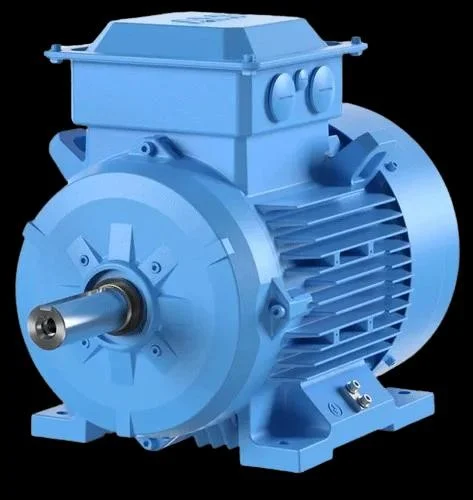
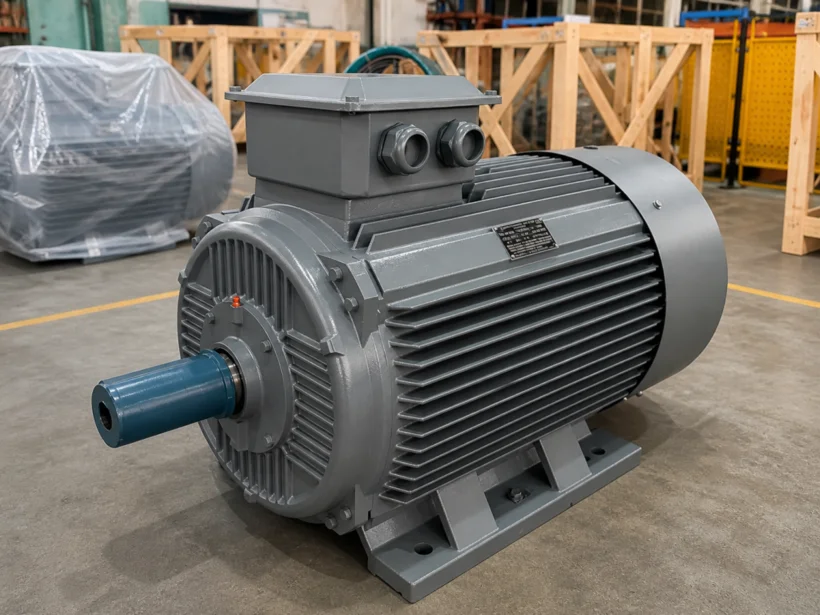
A two-speed motor is an electric motor that can run at two separate speeds by switching between two pole counts. By changing the connection, the motor turns at either a high or a low speed. This provides two different operating speeds with a single motor. The two-speed motor is a special solution that offers flexibility.
These motors allow switching between two fixed speeds. That is a practical advantage for certain applications.
How Does It Work?
Two-speed motors run at different pole counts by changing the winding connection. When the pole count changes, the motor's speed changes too. For example, a motor can run at two speeds such as both 1500 and 3000 rpm. This switching is provided by a control system.
The speed change occurs through a change in the motor's magnetic structure. That provides two different operating characteristics.
Single- and Dual-Winding Types
Two-speed motors can be single-winding (Dahlander) or have two separate windings. Single-winding types provide two speeds by connecting the same winding differently; dual-winding types use two separate windings. Each type suits different application needs. The right type is selected according to the application.
The winding type determines the speed ratio and the motor's characteristic. That requires a selection suited to the application.
Use in Ventilation Systems
Two-speed motors are widely used in ventilation and fan systems. By running at high or low speed as needed, they provide different air flow rates. For example, low speed is used under normal conditions and high speed under intensive demand. This flexibility is valuable in ventilation.
We cover fan and blower motor selection in our article on fan and blower motor selection. Two speeds provide flexibility in ventilation.
In Cooling Towers
Cooling towers require different cooling capacities according to ambient conditions. Two-speed motors save energy by changing speed according to the cooling need. They run slowly under low demand and quickly under high demand. That means efficiency in cooling towers.
Cooling applications benefit from two speeds because of their variable capacity need. That delivers energy savings.
Conveyors and Transport Systems
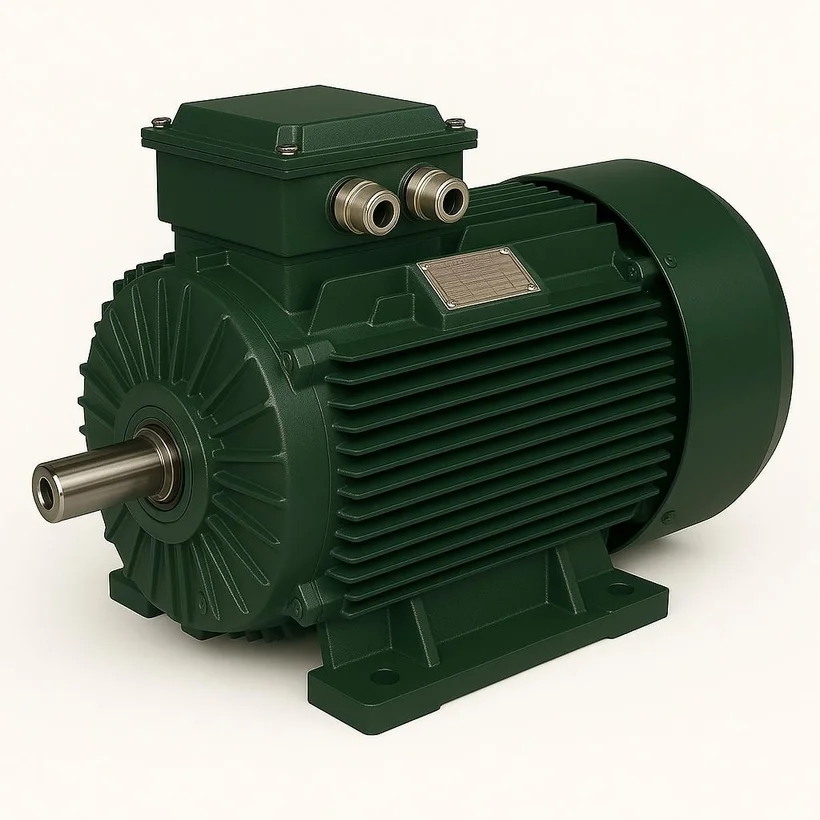
Some conveyor systems require two different belt speeds for different production rates. Two-speed motors offer production flexibility by switching between these two speeds. Fast or slow transport is selected according to the need. That is a practical solution in conveyors.
We cover conveyor motor selection in our article on conveyor and belt motor selection. Two speeds provide flexibility in transport.
Machines They Drive
Some pump systems require two speeds for different flow needs. Two-speed motors offer energy savings by switching between low and high flow. Selecting the speed according to the need means efficient operation. That delivers an advantage in pumps.
We cover pump motor selection in our article on water pump electric motor selection. Two speeds offer flexibility in pumps.
In Machine Tools
Some machine tools require different speeds for different operations. Two-speed motors offer process flexibility by providing speed selection in these machines. Different speeds can be used for rough and fine machining. That supports production quality.
Two different speeds make it possible to carry out different operations with a single motor. That is practical in machine tools.
Two Speeds and Energy Saving
Two-speed motors save energy by running at low speed when high speed is not needed. In pump and fan applications in particular, low speed means significant savings. Selecting the speed according to the need prevents unnecessary energy consumption. That ensures efficient operation.
Running at low speed noticeably reduces energy consumption. That is an important advantage of two speeds.
Two-Speed Motor or Inverter?
While two-speed motors offer only two fixed speeds, a frequency inverter provides an infinite number of speeds. If two fixed speeds are sufficient, a two-speed motor is an economical solution. If continuously varying speed is required, an inverter is preferred. The choice is made according to the application's need.
We explain the benefits of the inverter in our article on frequency inverters and energy saving. The need determines the right solution.
The Advantages of Two Speeds
Two-speed motors offer two speeds in a single unit, energy savings and application flexibility. Using a single motor instead of two separate ones saves space and cost. These advantages make two-speed motors attractive in certain applications. In the right application, it is a practical solution.
In applications with a two-speed need, a two-speed motor is both practical and economical. That makes it valuable.
Two Speeds and the Control System
Two-speed motors run with a suitable control system that handles the speed switching. This system ensures the motor switches safely from one speed to the other. The right control prevents strain during the switch. That supports the healthy operation of the motor.
A suitable control system ensures the safe operation of the two-speed motor. That is part of correct installation.
Points to Watch During the Switch
In two-speed motors, sudden strains can occur when switching from high to low speed. A well-designed control makes this transition smooth. The strain at the moment of switching can affect the motor and the system. For this reason, managing the transition matters.
A smooth transition protects the motor and the connected system. That means long service life.
Durability and Quality
Like all motors, two-speed motors require quality manufacturing and durable construction. The changes brought by running at two speeds are handled safely by a quality winding and housing. For this reason, quality matters in two-speed motors too. A quality motor runs reliably.
We explain the importance of winding quality in our article on rotor copper-wound electric motors. Quality is fundamental in two-speed motors too.
Keeping the Motor Running
Two-speed motors require regular maintenance like standard motors. The correct operation of the connections and the control system must be checked regularly. Regular maintenance ensures the two-speed motor runs reliably. That means long service life.
We describe the fundamentals in our article on electric motor maintenance steps. Regular maintenance protects the two-speed motor.
Two Speeds in the Right Application
A two-speed motor is the right choice in applications where two fixed speeds are sufficient. If continuously varying speed is required, an inverter is more suitable; if a single speed is enough, a standard motor is. The right choice is made according to the application's need. That ensures an efficient solution.
Analysing the application's speed need correctly is the foundation of selecting the right motor. That delivers the best result.
Speed Ratios
In two-speed motors, the ratio between the two speeds is determined by the winding design. Common ratios are 1:2 (for example 1500/3000 rpm), but other ratios are also possible. The right speed ratio is selected to suit the application's two-speed need. This ratio determines the motor's flexibility.
The speed ratio must be selected according to the two speeds the application requires. That ensures a correct match.
The Relationship Between Torque and Speed
In two-speed motors, different torque characteristics appear at different speeds. At low speed, higher torque is usually obtained. This relationship is assessed according to how much torque the application requires at each speed. The right balance ensures efficient operation.
The torque-speed balance ensures the motor suits the application at both speeds. That is part of the right choice.
Machines They Drive
Some elevator systems use two speeds for fast travel and slow floor levelling. Two-speed motors provide these two speeds in a single unit, delivering comfortable, precise operation. The slow speed is used for precise stopping. That means comfort in elevators.
Two-speed operation makes the elevator both fast and precise. That improves user comfort.
In Textile Machines
Some textile machines require different speeds for different process stages. Two-speed motors provide process flexibility in these machines. Different speeds meet different production needs. That is valuable in textile production.
We cover textile machine motors in our article on textile machine motor selection. Two speeds offer flexibility in textiles.
Two Speeds and Noise
A motor running at low speed is usually quieter. Two-speed motors provide comfort by running at low speed when noise matters. That improves the working environment. Low speed means both savings and quietness.
We explain noise reduction in our article on reducing noise and vibration. Low speed reduces noise too.
Cost Advantage
Meeting a two-speed need with a single motor offers a cost advantage over buying two separate motors. A single motor also takes up less space and requires less maintenance. That makes the two-speed motor an economical solution. In the right application, it delivers cost savings.
Two speeds in a single unit lowers both purchase and operating costs. That is an informed choice.
Two Speeds and Efficiency
Two-speed motors ensure efficient energy use by running at low speed according to the need. In applications with variable load or demand in particular, this efficiency advantage is significant. Running at low speed means energy savings. That ensures an efficient solution.
We cover the efficiency classes in our article on high-efficiency electric motors. Two speeds contribute to efficiency.
Two Speeds and Cooling
A motor's cooling can depend on the speed at which it runs, because the cooling fan is at the end of the shaft. At low speed, the fan also turns slowly and cooling can decrease. For this reason, cooling design matters in two-speed motors. The right design provides adequate cooling at both speeds.
We explain heat control in our article on electric motor temperature control. Cooling requires attention in two-speed operation.
Two Speeds and Starting
In two-speed motors, starting is managed according to the selected speed. Starting at high speed can draw a higher current. A suitable starting method softens this start. The right start management protects the motor. That ensures safe operation.
We explain soft starting in our article on soft starting. The right start matters in two-speed operation too.
Determining the Application Need
Before selecting a two-speed motor, it must be determined whether the application genuinely needs two speeds. If a single speed is sufficient, a standard motor is more suitable; if continuously varying speed is required, an inverter is. The right analysis reveals the most suitable solution. That means an informed decision.
Need analysis is the foundation of selecting the right motor type. That prevents unnecessary cost.
Two Speeds and Mounting
Two-speed motors must also be selected in a mounting type suited to the application. Foot-mounted, flange-mounted or combined mounting is determined according to the equipment to be connected. The right mounting type ensures the motor is installed without problems. That means a compatible system.
We cover the mounting types in our article on mounting type selection. The right mounting matters in two-speed operation too.
Industrial Flexibility
Two-speed motors bring flexibility to industrial applications. Changing speed according to different production needs makes production processes more adaptable. This flexibility is valuable for facilities with variable needs. That means efficient production.
We cover industrial motors in our article on industrial electric motors. Two speeds offer flexibility in industry.
A Two-Speed Motor from the Right Supplier
It is important to obtain a two-speed motor from a reliable supplier experienced in this field. A trustworthy supplier recommends a motor with the speed ratio and characteristics suited to your application. That ensures a correct, efficient solution. The right supplier means the right motor.
We explain choosing the right supplier in our article on choosing an electric motor dealer. A reliable source means the right solution.
The Total Value of Two Speeds
A two-speed motor offers flexibility, energy savings, and space and cost advantages. In applications where two fixed speeds are sufficient, these motors are a practical and economical solution. In the right application, a two-speed motor delivers important advantages. That is an informed choice.
The value of a two-speed motor emerges in the right application. That begins with correctly identifying the application's need.
The Right Choice with Expert Support
Whether a two-speed motor, an inverter or a standard motor is required depends on the application's need. Consulting an expert allows you to identify the most suitable solution. The right support delivers both flexibility and efficiency. An expert assessment is the key to the right choice.
At DRG Motor, we provide technical support in choosing the right speed solution. The right choice ensures flexible, efficient operation.
DRG Motor for Two-Speed Drive Solutions
At DRG Motor, we offer two-speed motor solutions and a wide range of motors for applications with a two-speed need. Our aim is to provide the solution best suited to your application's speed and flexibility need. For every application, whether ventilation, a pump, a conveyor or a machine, we recommend the right motor.
To choose the most suitable two-speed or single-speed motor for your application and receive technical support, you can contact DRG Motor and review our range on our products page, or explore our other guides from our homepage. The right speed solution ensures your application runs efficiently and flexibly.