English
 Le français
 Türkçe

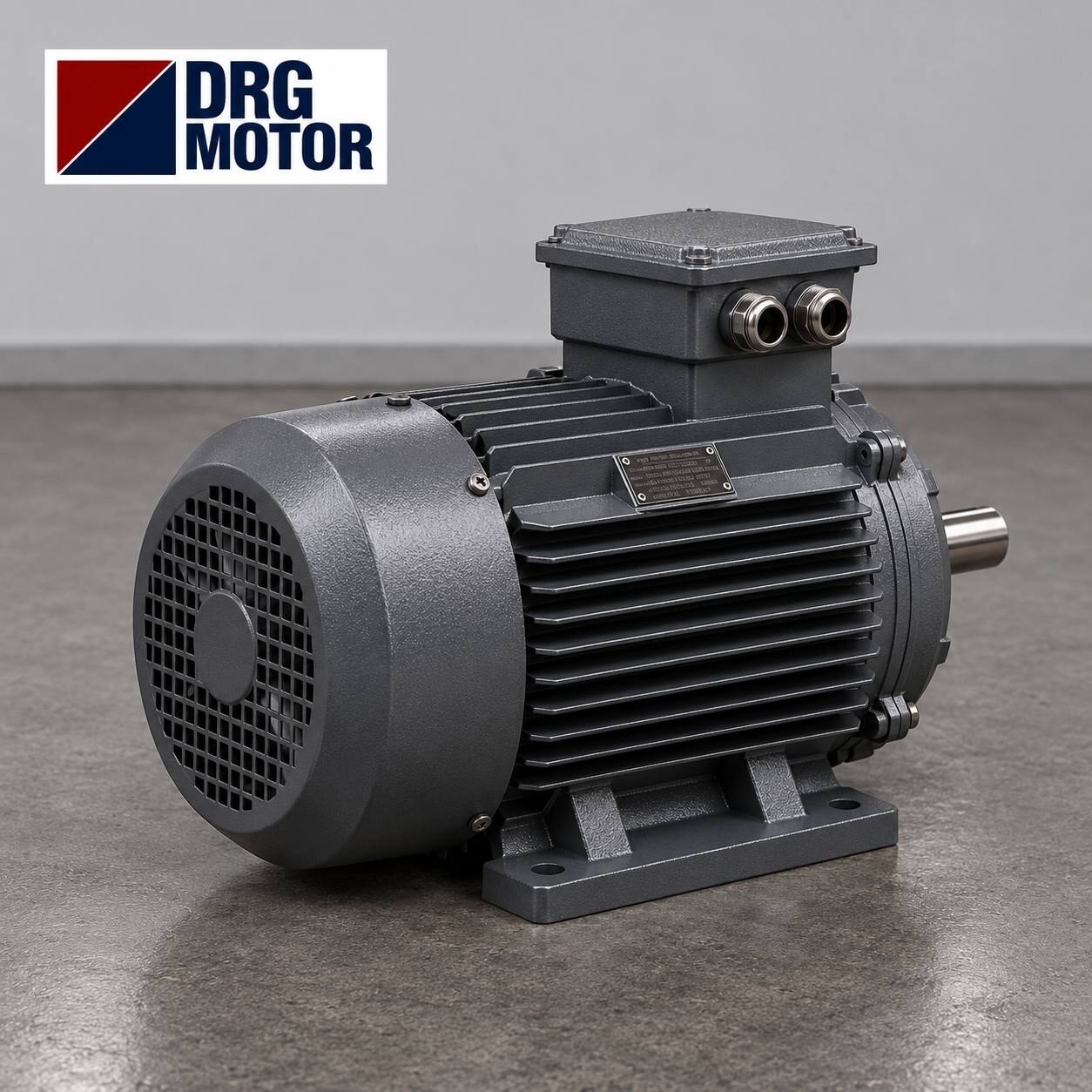

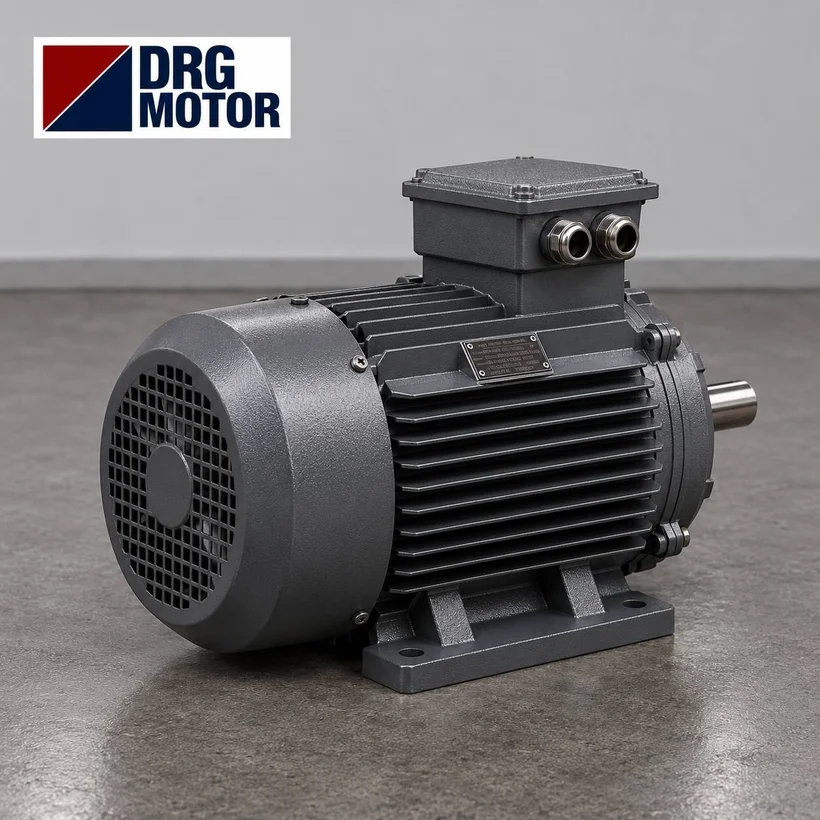
On the nameplate of an electric motor there is a value that is often overlooked but important: the service factor. Generally shown as a number such as 1.0 or 1.15, this value expresses how far above the rated power on the nameplate the motor can run for short periods. Understanding the service factor correctly means knowing the true capacity of the motor and its safe usage limits. So what does the service factor mean in an electric motor?
In this article, DRG Motor examines what the service factor is and its importance in motor use. You can find the other values on the motor nameplate in our nameplate details article.
What Is the Service Factor?
The service factor is a coefficient that shows a motor's ability to run for short periods above the rated power stated on its nameplate. For example, a motor with a 1.15 service factor can run for a short time at 15 percent above its rated power. This value shows that the motor has an extra power margin, and the service factor is the motor's margin of flexibility.
This margin allows the motor to absorb sudden load increases, which means safe operation.
How Is It Calculated?
The service factor is multiplied by the rated power to give the motor's short-term maximum power. For example, a motor of 10 HP with a 1.15 service factor can run for a short time up to 11.5 HP. This calculation shows the extra capacity of the motor, which is useful in load planning.
The service factor helps determine the true usage limit of the motor, which ensures informed use.
Why Is It Important?
The service factor allows the motor to safely absorb sudden, short-term load increases. Without this margin, even a small load increase could strain the motor. The service factor gives the motor a safety margin, which means reliable operation.
This margin protects the motor during unexpected load increases, which ensures uninterrupted operation.
Caution in Continuous Operation
The service factor does not encourage continuous operation under overload. Running continuously above a service factor of 1 shortens motor life compared with running at rated power. This margin is intended only for short-term load increases, which is why continuous overload should be avoided.
We explain overload protection in our overload protection article. The service factor does not mean continuous overload.
Service Factor Values
The service factor can generally be 1.0, 1.15 or higher. A motor with a 1.0 service factor is designed to run only at rated power. A higher service factor means a greater margin of flexibility. This value shows the usage flexibility of the motor.
A high service factor provides a greater margin against sudden load changes, which means safe operation.
Service Factor and Service Life
Using a motor within its service factor margin for short periods is safe; however, running it continuously in this margin shortens its life. A motor running at rated power has the longest life. For this reason, the service factor should be seen as a buffer, which means informed use.
Using the service factor margin continuously wears the motor, which is why this margin is for emergencies.
Service Factor and Heat Build-Up
A motor running in its service factor margin heats up more than at rated power. This extra heat causes no problem if it is short-term, but if continuous it wears the insulation. For this reason, heating should be monitored when running in the service factor margin, which protects the motor.
We explain heat control in our electric motor temperature control article. The service factor margin means extra heating.
Service Factor in Motor Selection
When selecting a motor, the service factor is evaluated according to the load profile of the application. In applications with sudden load increases, motors with a higher service factor provide an advantage. This margin offers security against load fluctuations, which supports correct motor selection.
Analysing the load profile correctly ensures the right service factor is chosen, which means an informed choice.
Service Factor and Correct Sizing
The service factor is no substitute for correctly sizing the motor. The motor should be chosen so it operates at rated power in normal operation, with the service factor providing only an extra margin. Correct sizing and the service factor are evaluated together, which means safe use.
You can find power options in our power (kW) and speed table. The service factor is evaluated together with the right power.
Service Factor and the Gearbox
The concept of the service factor also applies to gearboxes. The gearbox service factor shows how well the gearbox can withstand the demands of the application. The motor and gearbox service factors are evaluated together for the safe operation of the system, which means a compatible system.
We explain motor-gearbox compatibility in our motor gearbox compatibility article. The service factor is important for gearboxes too.
Click to see current electric motor prices and order nowSEE PRICES →
Service Factor and Safety
The service factor gives the motor a safety margin, preventing strain under sudden loads. This margin keeps the motor from burning out in unexpected situations. The service factor is indirectly a safety element, which ensures safe operation.
This safety margin supports the life and reliability of the motor, which means informed use.
Reading the Service Factor From the Nameplate
The service factor is usually shown on the motor nameplate with the abbreviation "SF" or directly as a number. Reading this value allows you to understand the extra capacity of the motor. The service factor on the nameplate is a guide for correct use, which means informed motor use.
Reading the nameplate values correctly allows you to understand the capacity of the motor, which means safe use.
Correct Use of the Service Factor
When used wisely, the service factor gives the motor flexibility and safety. Using this margin only for short-term load increases protects the motor. Avoiding continuous overload keeps the motor long-lived. Correct use reveals the value of the service factor.
Understanding and using the service factor correctly preserves the life of the motor, which means an informed approach.
Sudden Load Increases
In some applications, the load shows sudden short-term increases, for example when a large piece enters a crusher. The service factor protects the motor by absorbing these sudden increases. This margin prevents the motor from burning out in those moments, which ensures safe operation.
Sudden load increases are safely absorbed by the service factor margin, which protects the motor.
Service Factor and Voltage
The service factor margin is valid at the motor's rated voltage and frequency. If the voltage or frequency deviates from the rated value, this margin can shrink. For this reason, safe use of the service factor depends on correct voltage conditions, which means informed use.
Correct voltage allows the service factor to be used fully, which means safe operation.
Service Factor and Ambient Temperature
At high ambient temperatures, the service factor margin shrinks, because the motor already cools with more difficulty. In hot environments, the service factor should be used more carefully. For this reason, ambient conditions affect the use of the service factor, which requires correct evaluation.
We explain the effect of ambient temperature in our ambient temperature and altitude article. Temperature affects the service factor.
Service Factor and Insulation Class
Because a motor running in the service factor margin heats up more, a high insulation class provides an advantage in this situation. High insulation withstands extra heating better. For this reason, the service factor and insulation class are evaluated together, which means safe use.
We explain insulation class in our insulation class article. High insulation supports the service factor.
Service Factor and Efficiency
When a motor runs in its service factor margin, its efficiency may fall slightly compared with rated power, because the extra load creates extra losses. For this reason, the highest efficiency is achieved at rated power. The service factor margin is also a buffer in terms of efficiency, which means informed use.
We cover efficiency losses in our efficiency losses article. The service factor margin affects efficiency slightly.
The NEMA and IEC Approaches
The concept of the service factor is widely used especially in the NEMA standard. The IEC standard adopts a different approach. Knowing which standard it is defined under allows the service factor to be interpreted correctly, which means an informed evaluation.
Knowing the difference between standards allows the service factor to be understood correctly, which means correct use.
Service Factor and Motor Type
Different motor types and ratings can have different service factors. Generally, small motors have a higher service factor, while in large motors this value can be close to 1.0. Motor type is a factor that affects the service factor, which requires correct evaluation.
The service factor can vary according to the type and rating of the motor, which should be checked on the nameplate.
Using the Service Factor in Load Calculation
The service factor can be considered a safety margin in the motor's load calculation. However, the normal operating load should be planned according to rated power, not the service factor margin. This margin should be reserved only for unexpected situations, which means informed planning.
Correct load planning keeps the service factor as a buffer, which means safe use.
The Relationship With Overload Protection
The service factor is also taken into account when setting overload protection elements. Protection is set taking the motor's service factor margin into account. This balances both protection and the flexibility of the motor. The correct setting protects the motor while preventing unnecessary downtime.
We explain overload protection in our overload protection article. The service factor affects the protection setting.
Service Factor and Reliability
A motor with a suitable service factor runs more reliably against sudden loads. This margin increases the motor's resilience in unexpected situations. The service factor is a feature that contributes to motor reliability, which means an informed choice.
A reliable motor is supported by a suitable service factor margin, which ensures uninterrupted operation.
Service Factor and Total Cost
A motor with a suitable service factor prevents repair and replacement costs by not burning out under sudden loads. This lowers total cost. The service factor indirectly contributes to cost savings, which means an informed investment.
The correct service factor reduces unexpected failure costs, which is a long-term gain.
Misunderstanding the Service Factor
The service factor is often misunderstood as continuous extra power. In reality, this margin is only for short-term use. This misunderstanding can lead to the motor being run continuously under overload and failing early. For this reason, the service factor must be understood correctly.
Understanding the service factor correctly prevents the motor from being misused, which means long service life.
Service Factor and an Informed Choice
Understanding the service factor means knowing the true capacity of the motor and its safe usage limits. This knowledge ensures correct motor selection and correct use. An informed buyer takes the service factor into account, which means a safe investment.
Knowledge of the service factor makes decisions about the motor easier, which means informed use.
Service Factor and a Quality Motor
A quality-built motor genuinely delivers the stated service factor margin. In low-quality motors, the service factor on the nameplate may not be reliable in practice. For this reason, a quality motor also provides assurance in terms of the service factor, which means a correct choice.
We explain the importance of winding quality in our rotor copper-wound electric motors article. A quality motor genuinely delivers the service factor.
Service Factor and Monitoring
Whether a motor is running in its service factor margin can be tracked through current monitoring. Continuously high current indicates that the motor is running in this margin. This monitoring allows you to understand whether the motor is being strained, which means informed management.
We explain energy monitoring in our energy monitoring article. Monitoring tracks the use of the service factor.
Service Factor Summary
The service factor is the motor's margin for short-term operation above rated power. This margin safely absorbs sudden loads but should not be used continuously. When understood correctly, it gives the motor flexibility and safety, which means informed use.
Understanding the service factor correctly ensures safe, long-lived use of the motor, which means a correct approach.
Choosing Correctly With Expert Support
Determining the service factor best suited to your application requires the load profile to be evaluated correctly. Consulting an expert helps you select a motor with the right service factor. The right support safeguards both safety and correct use, and expert evaluation is the key to a sound choice.
At DRG Motor, we provide technical support in selecting a motor with the right service factor. The right choice delivers safe operation.
Service Factor and Application Type
The need for a service factor varies according to the type of application. In applications with steady, regular loads a low service factor is sufficient, while in applications with sudden, variable loads a higher margin is preferred. For this reason, the service factor should be chosen according to the load characteristics of the application, which means a correct match.
The load type of the application determines the required service factor, which means an informed motor choice.
DRG Motor for Motors That Understand the Service Factor
At DRG Motor, we offer quality, reliable motors with a suitable service factor. Our aim is to ensure your motor runs safely both in normal operation and during sudden load increases. By evaluating the load profile of your application, we recommend the motor with the right service factor for you. You can also visit our homepage to learn more.
To choose a motor with the right service factor for your application and receive technical support, contact DRG Motor and explore our range on our products page. The right service factor keeps your motor safe against sudden loads.
DRG Electric Motors Suited to This Topic
The models below are available in the DRG Motor online shop. Click a model code to see its technical data, dimensions and current price, and order right away.
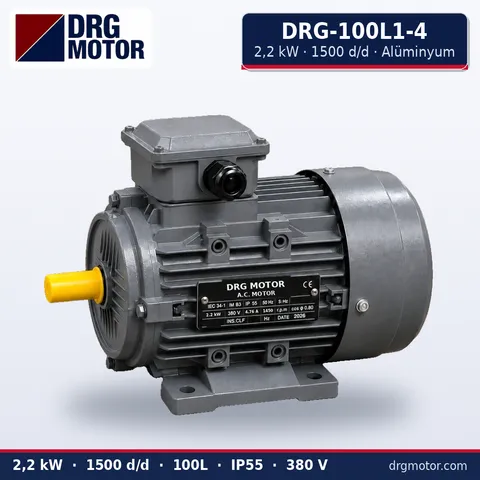
2.2 kW Three-Phase Motor 1500 rpm – DRG-100L1-4 Aluminium
- 2.2 kW · 1500 rpm (4 poles)
- Aluminium frame · IEC 100L
- Mounting: B3 · B5 · B14 · B35
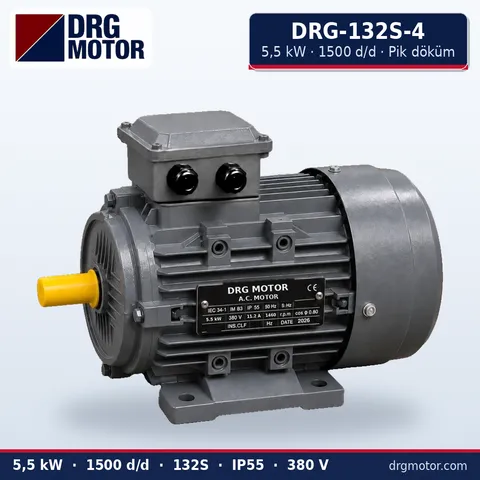
5.5 kW Three-Phase Motor 1500 rpm – DRG-132S-4 Cast Iron
- 5.5 kW · 1500 rpm (4 poles)
- Cast iron frame · IEC 132S
- Mounting: B3 · B5 · B14 · B35
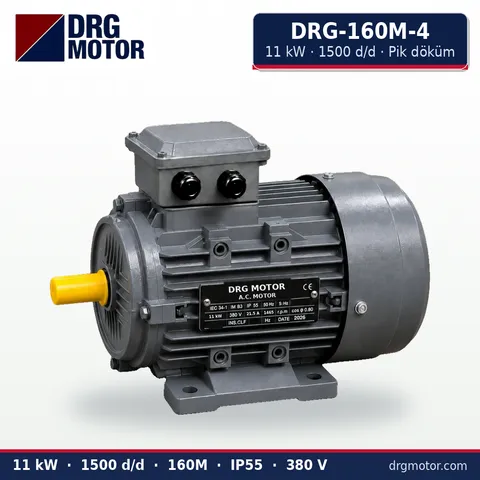
11 kW Three-Phase Motor 1500 rpm – DRG-160M-4 Cast Iron
- 11 kW · 1500 rpm (4 poles)
- Cast iron frame · IEC 160M
- Mounting: B3 · B5 · B14 · B35
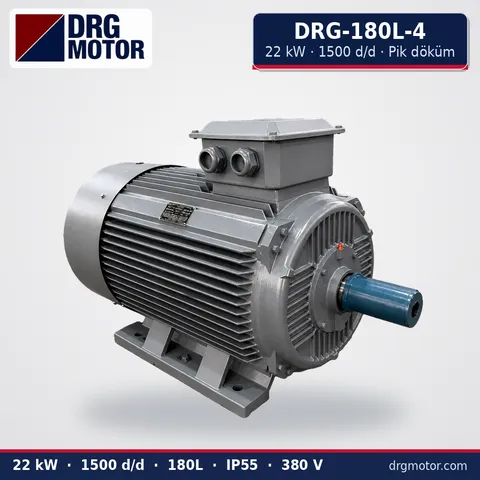
22 kW Three-Phase Motor 1500 rpm – DRG-180L-4 Cast Iron
- 22 kW · 1500 rpm (4 poles)
- Cast iron frame · IEC 180L
- Mounting: B3 · B5 · B14 · B35
Click to see current prices of all electric motors and order nowSEE PRICES →