 English
 Le français
 Türkçe
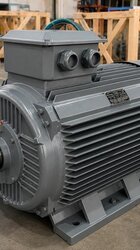
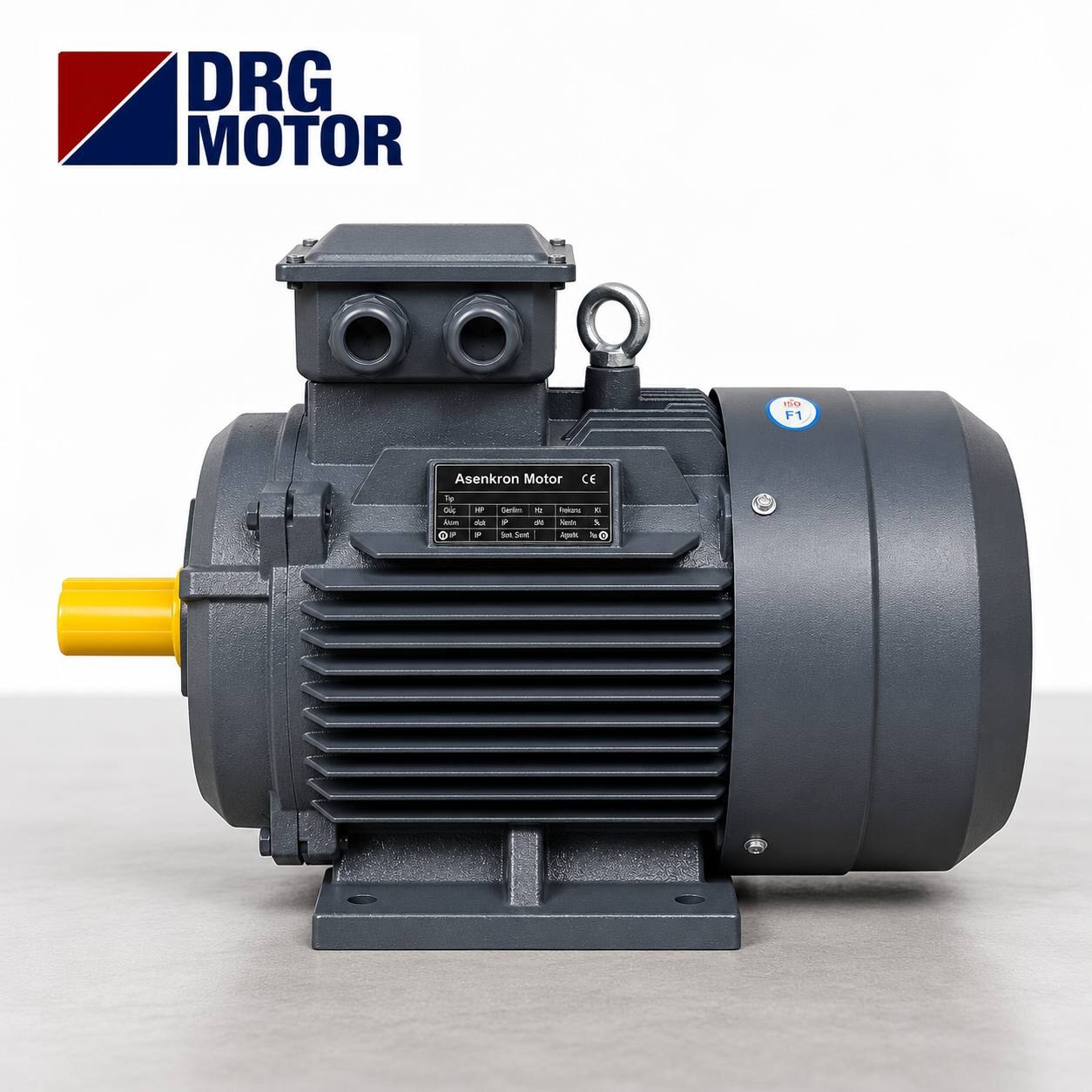

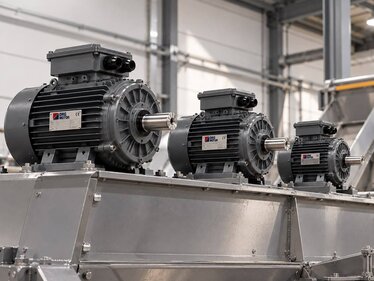
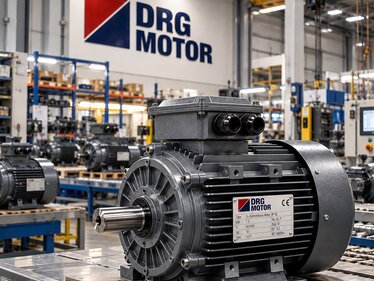
Elevators are the safest and most comfortable way to move people and goods within buildings. An elevator's safe, quiet and smooth operation depends on the electric motor that moves it. The elevator motor must safely raise and lower a heavy car, stop precisely at floors, and hold the load even during a power cut. This is why elevator motor selection requires special attention in terms of safety and comfort. So how do you choose an electric motor for elevator systems?
In this article, DRG Motor looks at the selection criteria for elevator motors. For similar applications that require high torque and safety, you may also want to read our article on crane and lifting motors.
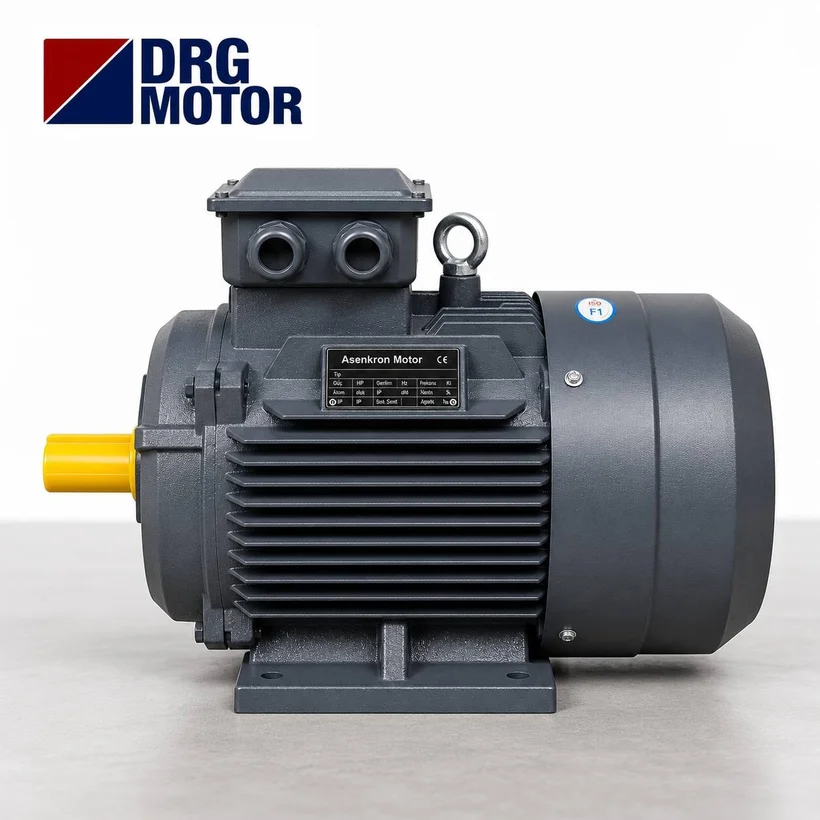
The Elevator Motor's Task
The elevator motor is the power source that safely raises and lowers the car and the load within it. This task requires both sufficient power and precise control. If the motor stops or falls short, it creates both a comfort and a safety problem. This is why an elevator motor must be reliable.
The elevator motor is a special application requiring continuous, precise control, and the right motor ensures safe transport.
Safety as a Priority
In elevators, the most important priority is the safety of the people being carried. The failure of an elevator motor can have serious consequences. This is why elevator motors must be brake-equipped, reliable and correctly selected. Safety is at the centre of elevator motor selection.
A correct, reliable motor protects both passengers and load, which is the most valuable priority.
The Importance of Brake Motors
In elevator systems, the brake is a vital safety component. The brake safely holds the car and prevents it from falling when power is cut or the motor stops. This is why elevator motors are equipped with a reliable brake. A brake motor is the foundation of elevator safety.
The reliable operation of the brake is at the centre of elevator safety, which is why brake quality is critical. We discuss this further in our article on the brake motor.
Load and Power Calculation
The power of an elevator motor is determined by the rated load to be carried and the car speed. The rated load determined by traffic calculation reveals the required power. Too little power cannot move the elevator; too much creates needless cost and discomfort. The right power means a balanced elevator.
You can find power options in our power (kW) and speed table. The right power is the foundation of elevator performance.
Comfortable Start and Stop
Comfort in an elevator depends on smooth starting and stopping. A sudden start or a harsh stop discomforts passengers. This is why elevator motors must provide smooth, gradual movement with speed control. Comfortable movement is an indicator of elevator quality.
We explain soft starting in our article on soft starting. Smooth movement ensures elevator comfort.
Geared and Gearless Systems
In elevators, both geared (with gearbox) and gearless motor systems are used. In geared systems, a gearbox sits between the motor and the drive sheave. Gearless systems, by contrast, are quieter, more efficient and more compact. The system type is chosen according to the elevator's need.
We explain motor-gearbox matching in our article on motor and gearbox compatibility. The system type affects elevator performance.
Precise Speed Control
In elevators, speed control is important so that the car aligns precisely with the floors. A frequency inverter precisely adjusts the starting, travel and stopping speed. This delivers both comfort and precise stopping. Speed control is a fundamental feature of modern elevators.
We explain the advantages of the inverter in our article on the frequency inverter and energy saving. Speed control is critical in an elevator.
Quiet Operation
Elevators must run quietly so as not to disturb the people living in a building. A balanced rotor, quality bearings and gearless systems ensure quietness. A quiet motor is important for both comfort and quality of life. This is an indicator of elevator quality.
We explain noise reduction in our article on reducing noise and vibration. A quiet motor means comfort in an elevator.
Energy Efficiency
Because elevators are used constantly in a building, their energy consumption is important. High-efficiency motors deliver energy savings in elevators. Gearless, efficient systems reduce energy losses. This delivers both cost and environmental benefit.
We cover efficiency classes in our article on high-efficiency electric motors. Efficiency is valuable in an elevator.
Frequent Starting
Elevator motors start and stop very frequently throughout the day. This frequent operation stresses the motor. This is why elevator motors must be resistant to frequent starting. A durable motor runs reliably under intensive elevator use.
Frequent starting tests the motor's resistance to heat, which is why durability is important in an elevator motor.
Click to see current electric motor prices and order nowSEE PRICES →
Safety During a Power Cut
In elevators, it is critical that the car remains safe when power is cut. The brake system holds the car when power is cut; some systems bring the car to the nearest floor. These safety features are provided together with the elevator motor and system. Power-cut safety is vital in an elevator.
A correct brake and system design protect passengers during a power cut, which means a safe elevator.
Compliance with Standards
Elevators are subject to strict safety standards. The motors used in these systems must also comply with these standards. Compliance with standards is mandatory for both legal and safety reasons. The right motor ensures this compliance.
Standard compliance documents the reliability of the elevator system, which means responsible use.
Service Plan and Spares
Elevator motors and brakes require regular maintenance and inspection. The reliable operation of the brake especially demands regular checking. A lack of maintenance creates a safety risk. This is why maintenance is critical in elevators.
We explain maintenance principles in our article on electric motor maintenance steps. Regular maintenance ensures elevator safety.
Using Three-Phase Motors
Three-phase motors are generally used in elevators. Three-phase motors produce high power and torque in a balanced way and run vibration-free. This ensures safe, comfortable movement in an elevator. Three phases are the power behind an elevator.
We explain why industry prefers three-phase in our article on three-phase electric motors in industry. Three-phase power is common in elevators.
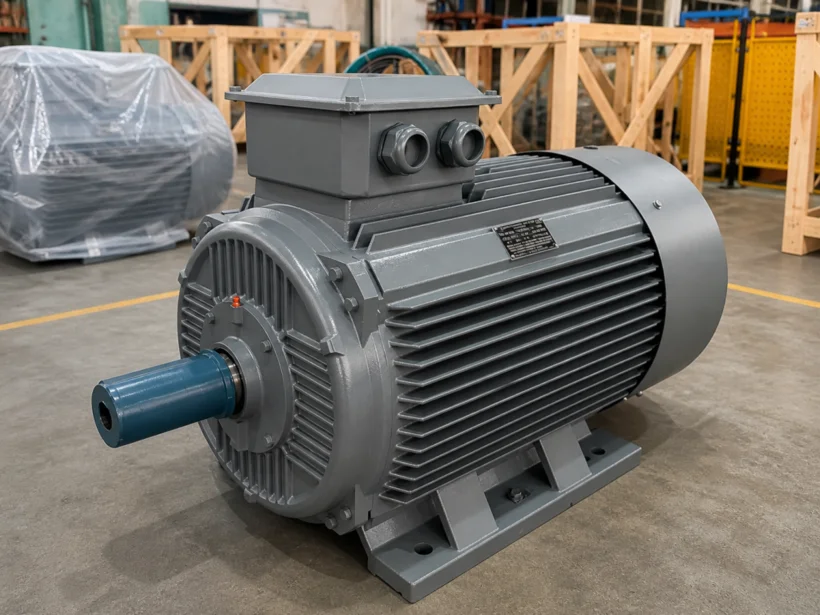
The Advantage of Gearless Motors
Gearless elevator motors provide direct drive without a gearbox. These systems are quieter, more efficient and more compact. Because there are no gear losses, energy efficiency is high. Gearless systems are becoming increasingly widespread in modern elevators.
Gearless technology offers an advantage in both comfort and efficiency, which makes it the preference of modern elevators.
The Place of Geared Motors
Geared (with gearbox) elevator motors are the more traditional and common systems. The gearbox reduces the motor's speed to increase torque and move the car. These systems are used reliably in many applications. The right system is chosen according to the elevator's need.
Geared systems offer affordable cost and reliability, which makes them a common preference.
Car Speed and the Motor
An elevator's speed is determined by the motor's speed and the system design. High-rise buildings require faster elevators and therefore different motor characteristics. The right speed delivers both comfort and efficient transport. This is determined according to the building's need.
We explain speed and pole count in our article on pole count and speed. Speed is important in an elevator motor.
Elevators in High-Rise Buildings
In high-rise buildings, elevators require higher speed and power. Powerful, fast and reliable motors are used in these applications. High-rise elevators require special attention in motor selection. The right motor delivers safe, fast transport in high-rise buildings.
High-rise buildings demand the highest performance from an elevator motor, which requires the selection of a powerful motor.
Goods Elevators
Alongside passenger elevators, goods elevators also run on electric motors. Because goods elevators carry heavier loads, they require high torque and durability. The right motor ensures heavy loads are carried safely, which determines the efficiency of a goods elevator.
Goods elevators require high torque, which calls for the selection of a powerful, durable motor.
Balancing and Counterweight
In elevator systems, the counterweight reduces the load on the motor and improves energy efficiency. A correctly balanced system lets the motor work under less strain. This is important for both efficiency and motor life. Balancing is part of the elevator system.
A well-balanced elevator protects the motor and delivers energy savings, which means an efficient system.
Emergency Systems
Elevators have special systems for emergencies such as power cuts. These systems safely stop the car or bring it to the nearest floor. The motor and brake work in harmony with these emergency systems. This ensures passenger safety.
Emergency safety is a feature provided together by the elevator motor and system, which is of vital importance.
Heat Control
Frequently starting elevator motors can heat up due to starting currents. Adequate cooling and a suitable duty cycle keep this heating under control. Overheating affects the motor's life and safety. This is why heat management is important.
We explain heat control in our article on electric motor temperature control. A cool motor means a safe elevator.
A Durable Housing
Because elevator motors will run under frequent use for many years, they need a durable housing. A solid housing protects the motor from vibration and wear. This gives an elevator motor its long life. Durability is the foundation of reliability in an elevator.
A solid housing lets an elevator motor run safely for years, which means long life.
Catching Faults Early
Monitoring and predictive maintenance of elevator motors make it possible to catch faults in advance. Tracking vibration, temperature and current makes it possible to notice a problem before it grows. This delivers both safety and continuity. Monitoring is valuable in an elevator.
We cover predictive maintenance in our article on predictive maintenance. Monitoring supports elevator safety.
Comfort and Acceleration Control
Comfort in an elevator depends on controlling the acceleration during starting and stopping. Very high acceleration discomforts passengers. A frequency inverter keeps the acceleration within comfortable limits. This increases passenger comfort.
Acceleration control ensures the comfort of modern elevators, which increases user satisfaction.
The Importance of Correct Power Selection
In an elevator motor, the right power delivers both safe transport and comfort. Too little power cannot move the elevator; too much creates needless cost and discomfort. Traffic calculation ensures the right power is determined. The right power means a balanced elevator.
Correct sizing ensures the elevator runs both safely and efficiently, which means a deliberate selection.
Spare Motors and Continuity
Elevators are systems that buildings need constantly. The failure of a motor causes the elevator to stop and creates great inconvenience. This is why spare parts and fast service are important in critical buildings. This supports the elevator's continuity.
Fast service and spare parts ensure the elevator runs uninterrupted. We explain how to choose the right supplier in our article on choosing an electric motor dealer.
A Total Cost Perspective
In selecting an elevator motor, energy, maintenance and safety cost should be evaluated alongside the purchase price. An efficient, durable and safe motor is the most economical over the long run. In an elevator, safety comes before cost. The right motor is both safe and economical.
We discuss the factors that determine price in our article on the factors that determine price. Quality takes priority in an elevator.
Next-Generation Elevator Motors
Next-generation elevator motors are quieter, more efficient and more comfortable thanks to their gearless design and high efficiency. Replacing old elevator motors delivers both energy savings and a comfort improvement. Modern motors offer a significant advantage in elevators, which increases building value.
We explain the advantages of next-generation motors in our article on next-generation electric motors. The next generation means comfort in an elevator.
Worker and Passenger Safety
In elevators, the most important priority is the safety of passengers and maintenance workers. A reliable, brake-equipped and correctly selected motor supports this safety. This is why an elevator motor is not a cost item but a safety investment. The right motor protects safety.
Safety must be at the centre of elevator motor selection, which means a responsible approach.
The Right Choice with Expert Support
Elevator motor selection requires safety, comfort and technical requirements to be evaluated together. Consulting an expert helps you identify the most suitable and safest motor for your system. The right support secures both safety and comfort. Expert evaluation is critical in elevators.
At DRG Motor, we provide technical support in motor selection for your elevator systems. The right choice delivers a safe, comfortable elevator.
Machine-Room and Machine-Room-Less Elevators
Elevators can be designed with or without a machine room. In machine-room-less systems, a compact motor is placed directly in the shaft, saving space. Quiet, small-size motors are preferred in these systems. The right motor is chosen to suit the elevator's design.
Machine-room-less systems save space in modern buildings, which calls for the selection of a compact motor.
Long-Term Reliability
An elevator motor is an investment expected to run safely throughout a building's lifetime. A quality, correctly selected motor serves trouble-free for years. This reliability is important for both user satisfaction and operating cost. Long-term reliability is ensured by the right motor selection.
A reliable elevator motor preserves a building's value and comfort for a long time, which means a deliberate investment.
DRG Motor for Elevator Systems
At DRG Motor, we offer reliable, efficient motor solutions suited to the safety, comfort and continuity needs of elevator systems. Our aim is to keep your elevator running safely, quietly and comfortably. By evaluating your load, speed and safety requirements, we recommend the motor best suited to you.
To choose the most suitable motor for your elevator system and receive technical support, you can contact DRG Motor and review our range on our products page or our homepage. The right elevator motor ensures both the safety and the comfort of your passengers.
DRG Electric Motors Suited to This Topic
The models below are available in the DRG Motor online shop. Click a model code to see its technical data, dimensions and current price, and order right away.
- DRG-100L2-4 – 3 kW – 1450 rpm – aluminium frame
- DRG-132S-4 – 5.5 kW – 1460 rpm – cast iron frame
- DRG-160M-4 – 11 kW – 1465 rpm – cast iron frame
- DRG-160L-4 – 15 kW – 1465 rpm – cast iron frame
Click to see current prices of all electric motors and order nowSEE PRICES →