 English
 Le français
 Türkçe
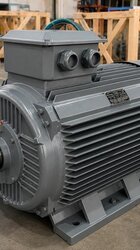
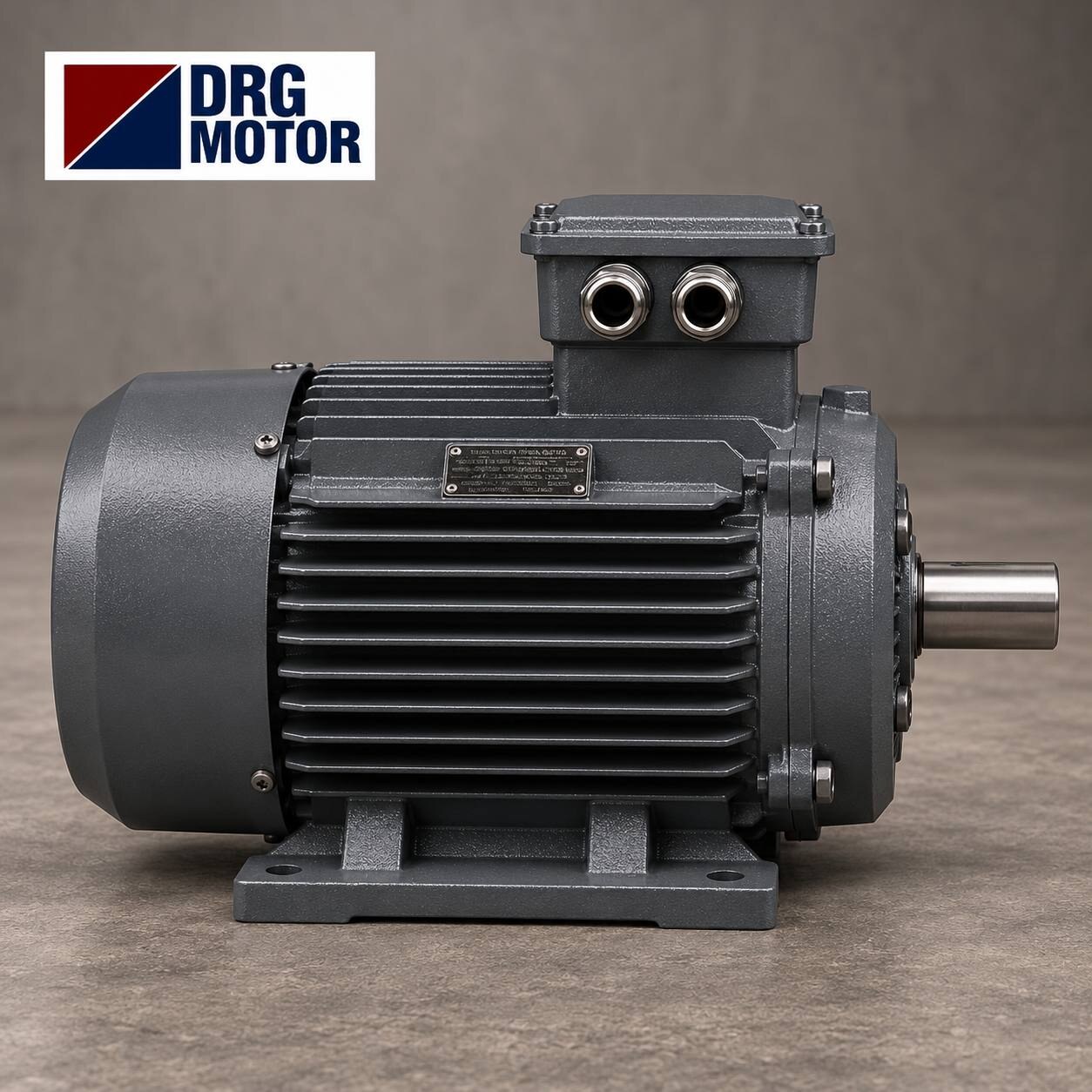

Ideally, the voltage and current in an electrical supply take the form of a smooth sine wave. Today, however, many electronic devices and drives distort this clean wave, creating unwanted frequency components known as harmonics. These harmonics affect electric motors adversely, causing heating, efficiency loss and vibration. So what is the effect of harmonics on electric motors, and how can you protect against it?
In this article, DRG Motor looks at what harmonics are and how they affect motors. You can find the basic working logic of a motor in our article on what an electric motor is.
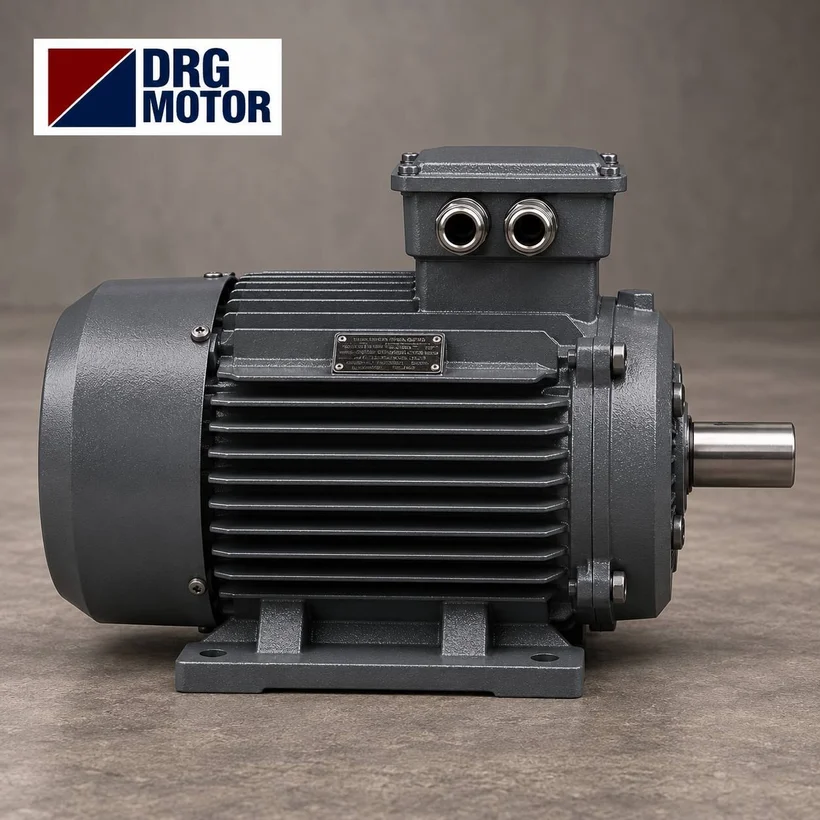
What Is a Harmonic?
A harmonic is a distortion of the clean sine form of the voltage or current in an electrical supply. This distortion creates unwanted frequency components that are multiples of the fundamental frequency. Harmonics degrade power quality by distorting the wave shape, which creates problems for motors and other devices.
Power with harmonics has moved away from a clean sine wave, which causes the motor to run inefficiently and under strain.
Where Do Harmonics Come From?
Harmonics originate from computers, frequency inverters, rectifiers, uninterruptible power supplies and electronically controlled devices. Because these devices draw current in a non-linear way, they produce harmonics. In modern facilities, the abundance of such devices raises the harmonic level, which makes this a widespread problem.
As electronic loads increase, the harmonic level in the supply also rises, which affects motors more.
Overheating in the Motor
The most important effect of harmonics on a motor is overheating. Harmonic currents create additional losses in the motor, causing the windings to overheat. This heating wears the insulation and shortens the motor's life. Overheating is the most damaging effect of harmonics.
We explain heat control in our article on electric motor temperature control. Harmonics increase heating.
Efficiency Loss
Harmonics reduce a motor's efficiency. The additional losses mean that a larger share of the energy drawn is lost without being converted into work. This means the motor does the same work with more energy. Harmonics are a hidden source of efficiency loss.
We discuss efficiency losses in our article on efficiency losses. Harmonics increase the losses.
Vibration and Noise
Harmonics can create additional magnetic forces in a motor, leading to vibration and noise. This vibration stresses the bearings and mechanical parts. Increasing noise and vibration accelerate the motor's wear. Harmonics also contribute to mechanical problems.
We explain vibration reduction in our article on reducing noise and vibration. Harmonics can increase vibration.
Damage to Insulation
The overheating caused by harmonics can do irreversible damage to a motor's winding insulation. Worn insulation leads to short circuits and motor burnout. This is why harmonics directly threaten insulation life. Insulation damage is a serious consequence.
We explain insulation class in our article on insulation class. Harmonics strain the insulation.
Voltage Drops
Harmonics can cause voltage drops and fluctuations in the supply. This in turn causes the motor to draw more current and run under strain. Voltage problems adversely affect the motor's performance and life. Harmonics degrade voltage quality.
A clean voltage is essential for a motor's healthy operation, and harmonics can disrupt that order.
Malfunction of Protection Systems
Harmonics can cause protective devices and breakers to malfunction. This leads to unnecessary stoppages or to protection failing to trip when needed. Faulty protection creates problems for both production and safety. Harmonics also affect protection systems.
We explain overload protection in our article on overload protection. Harmonics can affect protection.
Effect on Power Factor
Harmonics can adversely affect the power factor of the motor and the facility. The distorted wave shape leads to inefficient use of energy. This means extra cost and additional load on the installation. Harmonics degrade power quality.
We explain the importance of power factor in our article on power factor. Harmonics affect power factor.
Harmonic Filters
One way to reduce the effects of harmonics is to use harmonic filters. These filters correct the wave shape by filtering out the unwanted frequency components. Filtering allows motors to run on clean power, which minimizes the effects of harmonics.
Correct filtering largely prevents harmonic-related problems and protects motors.
Using Reactors
Adding a reactor to the input of harmonic-producing devices reduces the harmonic level. Reactors smooth out sudden changes in current and so limit harmonic production. This allows the supply and the motors to run on cleaner power. The reactor is a tool of harmonic control.
Reactors help reduce harmonics, especially in inverter-driven systems, which protects the motor.
Click to see current electric motor prices and order nowSEE PRICES →
The Frequency Inverter and Harmonics
Frequency inverters deliver energy savings, but they can themselves produce harmonics. This is why harmonic-reduction measures are important in inverter-driven systems. A correctly designed inverter system keeps harmonics under control, which means both savings and clean power.
We explain the advantages of the inverter in our article on the frequency inverter and energy saving. Harmonic management is important with inverters.
The Resistance of a Quality Motor
A quality-built motor is more resistant to the effects of harmonics. Good windings, a balanced design and a high insulation class withstand harmonic-related heating better. This is why a quality motor runs safely even in harmonic-rich environments. Quality is an advantage against harmonics.
We explain the importance of winding quality in our article on rotor copper-wound electric motors. A quality motor is resistant to harmonics.
Measuring Harmonics
The harmonic level in a facility can be determined with special measuring instruments. This measurement shows the scale of the harmonic problem and the measures that need to be taken. Regular measurement is the foundation of harmonic management, which provides deliberate protection.
A measurement-based approach allows the harmonic problem to be addressed correctly, which means an effective solution.
Harmonics and Energy Cost
Harmonics increase energy cost through efficiency loss and additional heating. They also create cost through the need for protection and filtering. Bringing harmonics under control reduces these costs. This is why harmonic management is important economically too.
Clean power both improves efficiency and lowers cost, which shows the value of harmonic control.
Measures for Protection Against Harmonics
To protect against harmonics, harmonic filters, reactors, quality motor selection and regular measurement are used together. These measures protect motors from harmonic effects. A holistic approach gives the best result, which keeps motors running safely.
When all measures are applied together, harmonic effects are minimized, which means long life.
Types of Harmonics
Harmonics appear at different multiples of the fundamental frequency; for example, the 3rd, 5th and 7th harmonics are the most common. Each harmonic order creates a different effect on the motor. Knowing which harmonics are dominant allows the right solution to be chosen, which means deliberate management.
Harmonic analysis reveals the dominant harmonic orders, which enables targeted filtering.
Total Harmonic Distortion
The harmonic level in a supply is expressed by the total harmonic distortion (THD) value. A high THD indicates a serious harmonic problem. Monitoring this value is the foundation of harmonic management. A low THD means clean power.
The THD value shows the harmonic load to which motors are exposed, which determines the need for protection.
Harmonics and Motor Life
A motor running continuously under harmonic stress wears faster and has a shorter life. Overheating and vibration wear the motor's components over time. Harmonic control directly extends motor life, which is why harmonic management is important.
A motor running on clean power lasts much longer, which provides deliberate protection.
Harmonics and Transformers
Harmonics affect motors, transformers and other installation equipment. Overheating and losses shorten the life of this equipment too. This is why harmonic management protects the entire facility. Harmonics have a broad area of impact.
Facility-wide harmonic control protects all equipment, which provides a holistic benefit.
Harmonics and Cables
Harmonic currents can cause cables to overheat as well. This heating shortens cable life and can create a fire risk. This is why cable sizing must be done carefully in systems with harmonics. Harmonics also affect installation safety.
Correct cable sizing prevents harmonic-related heating, which means a safe installation.
Active and Passive Filters
Harmonic filters are of two types: passive and active. Passive filters filter out specific harmonics, while active filters dynamically correct changing harmonics. The right filter type is chosen according to the application's need, which provides effective harmonic control.
The right filter choice is made according to the scale of the harmonic problem, which gives the best result.
Harmonics and Facility Design
Harmonic problems can be reduced by anticipating them at the facility design stage. If the distribution of harmonic-producing loads and the appropriate measures are planned from the start, the problem is minimized. Early planning prevents problems that would otherwise arise later, which means deliberate design.
Harmonic management at the design stage is the most economical solution, which provides a long-term advantage.
Harmonics and Efficient Motors
High-efficiency motors handle the effect of harmonic-related losses better. A low-loss motor heats less even under a harmonic load. This is why selecting an efficient motor is also an advantage against harmonics. Efficiency and harmonic resistance are evaluated together.
We cover efficiency classes in our article on high-efficiency electric motors. An efficient motor is more resistant to harmonics.
Service Plan and Spares
Motors running in harmonic-rich environments may require more frequent inspection and maintenance. Monitoring overheating and vibration helps catch harmonic effects early. Regular maintenance prevents harmonic-related problems, which protects the motor.
We explain maintenance principles in our article on electric motor maintenance steps. Maintenance monitors harmonic effects.
Harmonics and Energy Monitoring
Energy monitoring systems can also track the harmonic level. This monitoring shows when and where the harmonic problem occurs. Continuous tracking makes harmonic management effective, which protects motors.
We explain energy monitoring in our article on energy monitoring. Monitoring tracks harmonics too.
Harmonics and Standards
Harmonic levels are limited by power quality standards. These standards define the amount of harmonics that may be injected into the supply. Compliance with standards protects both the facility and the supply network, which means responsible energy use.
Compliance with standards is the legal dimension of harmonic management, which means an orderly facility.
The Benefit of Reducing Harmonics
Reducing harmonics extends motor life, improves efficiency, lowers energy cost and protects equipment. These benefits make harmonic management valuable. Clean power supports the health of the whole system, which means a deliberate investment.
Harmonic reduction protects both the motor and the facility, which is a long-term gain.
Harmonics and Production Continuity
By causing protection systems to malfunction and motors to fail, harmonics threaten production continuity. Harmonic control reduces these interruptions. This keeps production running without a break. Clean power supports continuity.
Production continuity is strengthened by harmonic management, which brings direct gains to the business.
Taking the Harmonic Problem Seriously
Harmonics are an invisible problem whose effects are serious. They often damage motors and the facility without being noticed. This is why the harmonic problem must be taken seriously and the necessary measures taken. A conscious approach brings this invisible threat under control.
Taking harmonics seriously is part of protecting motors and the facility, which means responsible management.
The Role of the Right Motor Choice
For harmonic-rich environments, it is important to select durable motors with an appropriate insulation class. A quality motor is more resistant to harmonic effects. This is why motor selection is also part of harmonic management. The right motor provides protection against harmonics.
The right motor choice allows safe operation even in a harmonic-rich environment, which means long life.
Harmonic Management with Expert Support
Solving the harmonic problem requires correct measurement and a suitable solution. Consulting an expert helps you correctly evaluate the harmonic problem in your facility and apply the most effective solution. The right support protects your motors and your facility. Expert evaluation is the key to effective harmonic management.
At DRG Motor, we provide technical support in selecting motors suited to harmonic-rich environments. The right solution provides clean, safe operation.
Harmonics and Inverter Selection
If a frequency inverter is to be used, low-harmonic models should be preferred or an input reactor added. Some modern inverters come with features that reduce harmonic production. The right inverter choice delivers both energy savings and low harmonics, which means clean power.
Harmonic performance is an important criterion to consider in inverter selection, which means a deliberate choice.
Harmonic Awareness
Being aware of harmonics is an important part of a business protecting its power quality. Knowing where harmonics come from and how to manage them protects motors and the facility. This awareness pays off in terms of both cost and reliability. A conscious approach is the foundation of clean power.
Harmonic awareness is part of modern energy management, which provides sustainable efficiency.
DRG Motor for Clean Power
At DRG Motor, we offer durable motors with a high insulation class that are resistant to harmonic-rich environments. Our aim is to protect your motor against harmonic effects so that it runs efficiently and lasts a long time. By evaluating your operating conditions, we recommend the most suitable and durable motor for you.
To choose a durable motor suited to harmonic-rich environments and receive technical support, you can contact DRG Motor and review our range on our products page or our homepage. Clean power and a quality motor are the best protection against harmonic problems.
DRG Electric Motors Suited to This Topic
The models below are available in the DRG Motor online shop. Click a model code to see its technical data, dimensions and current price, and order right away.
- DRG-132S1-2 – 5.5 kW – 2930 rpm – cast iron frame
- DRG-160M2-2 – 15 kW – 2945 rpm – cast iron frame
- DRG-200L1-2 – 30 kW – 2960 rpm – cast iron frame
- DRG-225M-2 – 45 kW – 2965 rpm – cast iron frame
Click to see current prices of all electric motors and order nowSEE PRICES →