 English
 Le français
 Türkçe

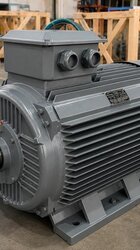
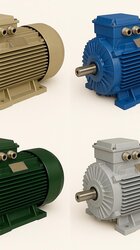
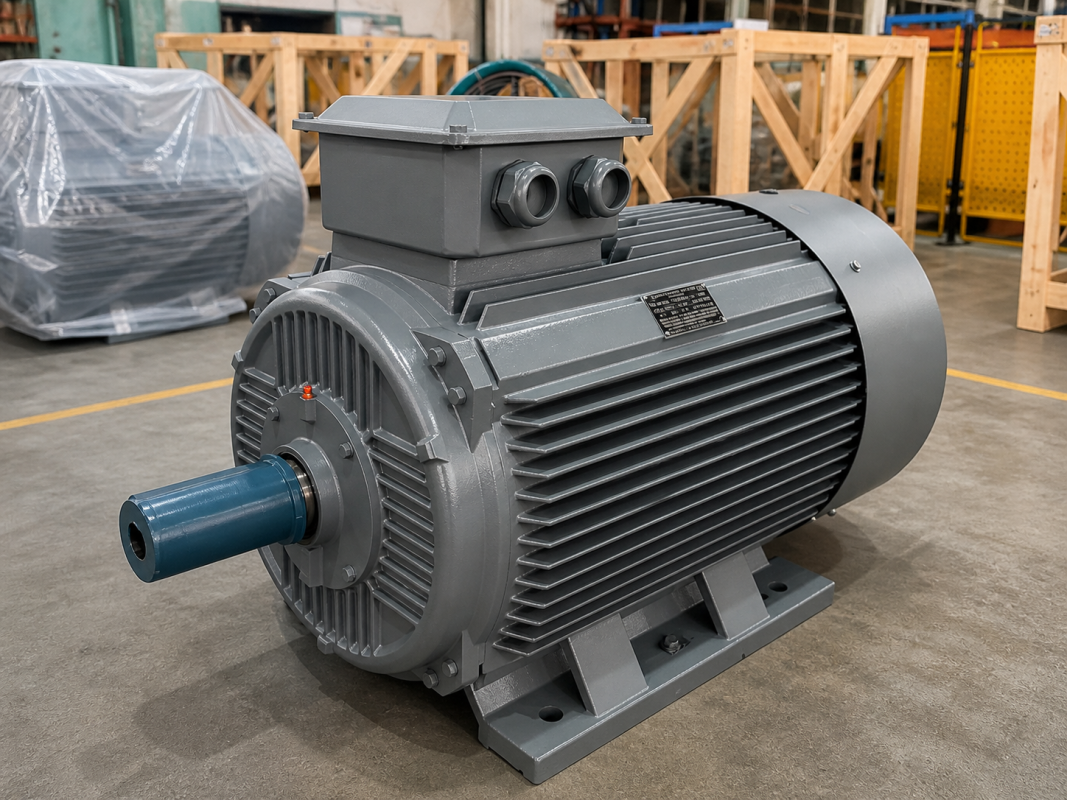

Steel and foundry plants are among the harshest and highest-temperature environments in all of industry. Molten metal, intense heat, heavy loads and constant production pressure strain every piece of equipment in these plants. From rolling mills to cranes, and from fans to pumps, a great many machines run on electric motors. These motors have to withstand extreme heat and severe conditions. So how do you choose an electric motor for steel and foundry plants?
In this article, DRG Motor looks at the criteria that govern motor selection in steel and foundry plants. You can also find more on heavy industry conditions in our article on motor challenges in heavy industry.
The Harsh Conditions of Steel Plants
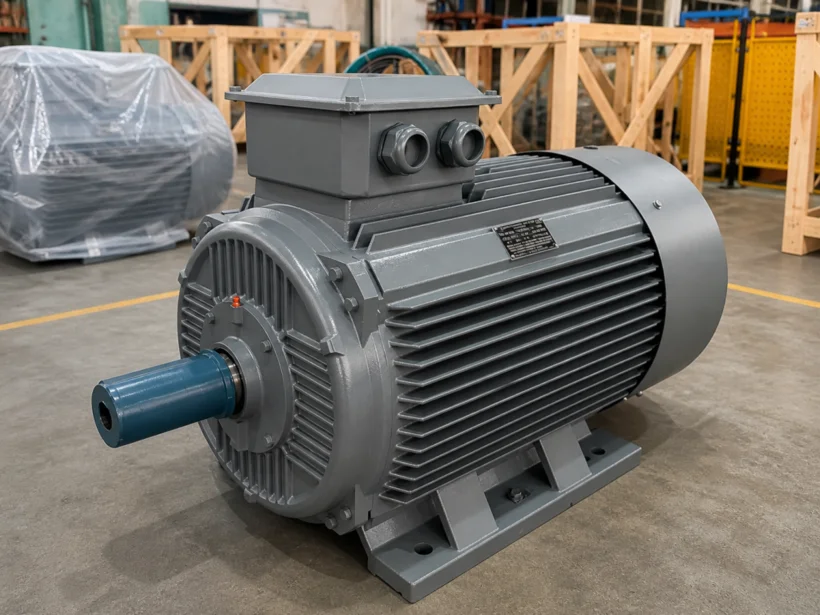
Steel and foundry plants are environments of extremely high temperature, dust, radiant heat and heavy load. These conditions are extraordinarily demanding for motors. An ordinary motor wears out quickly in this environment. This is why steel plant motors require special durability.
These harsh conditions make a quality, durable motor essential. The right motor runs safely in this environment.
Resistance to High Temperature
Ambient temperatures in steel plants are very high; furnaces and molten metal radiate heat. This high temperature makes it harder for the motor to cool. This is why a high insulation class and effective cooling are essential. Temperature resistance is the basic requirement of a steel plant motor.
We explain insulation class in our article on insulation class. High temperature requires high insulation.
A High Insulation Class
Steel and foundry plant motors are generally selected in a high insulation class (such as H). High insulation lets the winding withstand extreme temperature. A low insulation class degrades quickly in this environment. This is why high insulation is critical in a steel plant.
The correct insulation class lets the motor run safely in a hot environment, which means long life.
Heavy Load and High Torque
The rolling mills and presses in steel plants move very heavy loads. This demands high torque from the motor. Insufficient torque means the heavy load cannot be moved. High torque is an important feature of steel plant motors.
We also cover high-torque applications in our article on stone crushing plant motors. High torque is necessary for heavy loads.
A Dusty, Dirty Environment
Steel and foundry plants contain intense dust and metal particles. This dust blocks the motor's cooling and can damage the windings. This is why a high IP protection class is essential. Proper protection shields the motor from dust.
We explain how to choose a protection class in our article on IP protection class selection. Dust protection is critical in a steel plant.
Cast Iron Housing
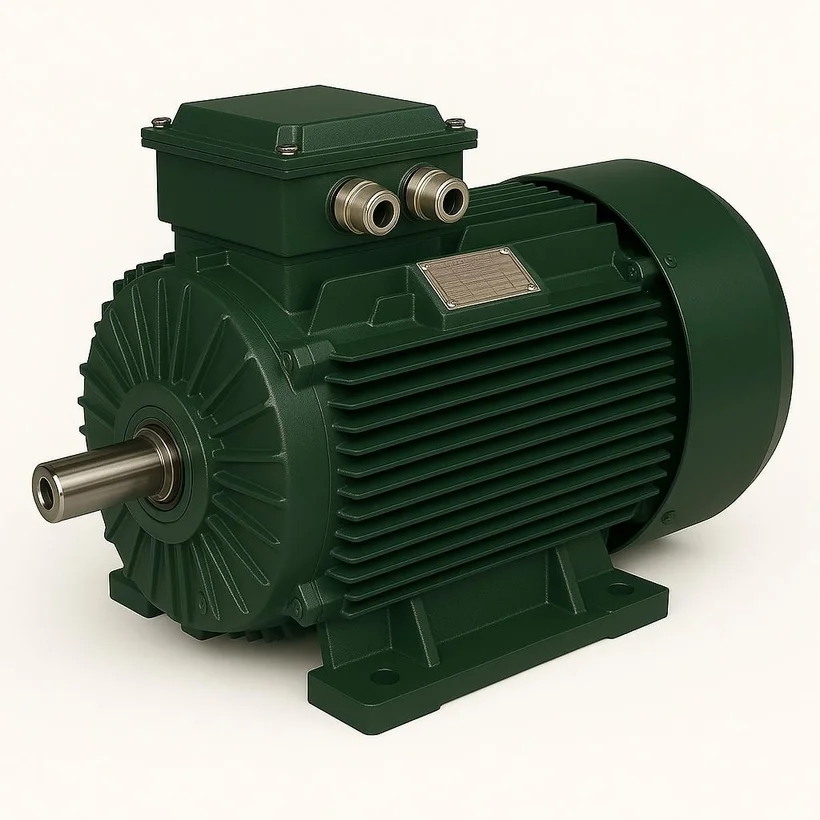
The harsh conditions of steel plants require an extremely durable housing. A cast iron body protects the motor from impact, heat, vibration and dust, and this is what gives a steel plant motor its long life. A solid housing is the foundation of durability in a steel plant.
We explain the advantages of a cast iron body in our article on the cast iron electric motor. A solid housing is important in a steel plant.
Continuous, Intensive Production
Steel plants most often run continuously and at an intense pace. A stopped motor halts production and creates major cost. This is why the motors must be suited to continuous operation and be reliable. Continuity is critical in a steel plant.
Continuous operation tests a motor's durability, which is why a quality motor is essential.
Rolling Mill Motors
Rolling mills demand very high power and torque to reduce steel plates. Large, durable motors are used in these applications. Rolling mill motors are among the most demanding applications in steel production. The right motor keeps a rolling mill running efficiently.
Rolling mills are among the highest-power applications, which makes a powerful motor essential.
Cranes and Handling Systems
In steel plants, molten metal and heavy materials are moved by cranes. The motors of these cranes require high torque, safety and temperature resistance. The right crane motor ensures heavy loads are moved safely, which is critical for plant safety.
We explain crane motors in our article on crane and lifting motors. Cranes are vital in a steel plant.
Fan and Extractor Systems
In steel plants, powerful fans and extractors are used to remove high heat and smoke. These motors must withstand hot, dusty air. The right fan motor ensures the plant's ventilation and safety, which protects the working environment.
We explain fan motors in our article on fan and extractor motor selection. Ventilation is important in a steel plant.
Pump Systems
In steel and foundry plants, cooling and process water is moved by pumps. The motors of these pumps must run continuously and reliably. If a cooling water pump stops, it creates a serious problem for the plant. The right pump motor ensures this continuity.
We explain pump motors in our article on water pump motor selection. Pumps are critical in a steel plant.
The Importance of Cooling
Because of the high ambient temperature, cooling steel plant motors is difficult. An effective cooling design and, if necessary, additional cooling are essential in these conditions. Adequate cooling prevents the motor from overheating, which preserves motor life.
We explain heat control in our article on electric motor temperature control. Cooling is critical in a steel plant.
Efficiency and Energy Cost
Steel plants are among the most energy-intensive facilities in industry. This is why motor efficiency greatly affects operating cost. High-efficiency motors deliver significant energy savings in these plants. In a steel plant, efficiency turns straight into profit.
We cover efficiency classes in our article on high-efficiency electric motors. Efficiency is strategic in a steel plant.
Overload Protection
In steel plants, sudden and heavy loads can overload motors. Overload protection stops the motor in these situations and prevents burnout. This protection guards both the motor and production. Overload protection is mandatory in a steel plant.
We explain overload protection in our article on overload protection. Protection is critical in a steel plant.
Spare Motors and Continuity
In steel plants, a motor failure halts production and creates major cost. This is why keeping spares for critical motors is essential. A spare motor ensures production quickly resumes in the event of a fault, which means continuity.
Keeping spares ensures production safety in a steel plant, which prevents unplanned stoppages.
Service Plan and Spares
The harsh conditions of steel plants require regular, careful maintenance. Cleaning the dust, checking the cooling and maintaining the bearings are important. Regular maintenance lets the motor run safely under demanding conditions, which means long life.
We explain maintenance principles in our article on electric motor maintenance steps. Maintenance is important in a steel plant.
Three-Phase and High Power
The high power demand of steel plants is almost always met with three-phase motors. Three-phase motors produce high torque in a balanced way and run vibration-free, which makes them the standard in a steel plant. Three phases are the power behind a steel plant.
We explain why industry prefers three-phase in our article on three-phase electric motors in industry. Three-phase power is indispensable in a steel plant.
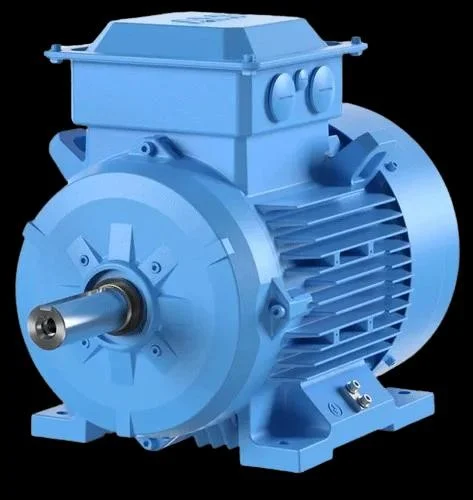
Casting Line Motors
In foundry plants, the processing and moulding of molten metal is done with various motors. These motors run under high temperature and dust. Every stage of the casting line requires a reliable motor. The right motor keeps casting production running without interruption.
The casting line is a hot, demanding environment, which calls for the selection of a durable motor.
Protection Against Radiant Heat
In steel plants, radiant heat from furnaces and molten metal affects the motors. This heat warms the motor's surface and interior. This is why motors should, where possible, be positioned away from heat sources and selected in a high insulation class. Radiant heat protection is important in a steel plant.
Correct positioning and insulation reduce the effect of radiant heat, which protects the motor.
Conveyor and Handling Lines
In steel plants, material is transported by conveyors. The motors of these conveyors must withstand heavy load and harsh conditions. The right conveyor motor keeps the material flow running without interruption, which supports production continuity.
We explain conveyor motors in our article on conveyor and belt motor selection. Conveyors are important in a steel plant.
High Starting Torque
The heavy machines in steel plants demand high torque at start-up. Setting a heavy load in motion requires a strong breakaway torque. Insufficient starting torque means the machine cannot start. High starting torque is critical in steel plant motors.
High torque sets heavy steel machines in motion, which requires the right motor selection.
Soft Starting
The large motors in steel plants draw very high current at start-up. Soft starting reduces this current, protecting the motor and the supply network. This eliminates start-up strain. Soft starting is valuable in a steel plant.
We explain soft starting in our article on soft starting. A gentle start protects large motors.
Using a Frequency Inverter
In steel plants, frequency inverters are used to control rolling speed and the process. The inverter provides precise speed control and energy savings. This means both production quality and efficiency. The inverter is a valuable tool in a steel plant.
We explain the advantages of the inverter in our article on the frequency inverter and energy saving. The inverter is important in steel production.
Vibration and Balanced Operation
The heavy machines in steel plants produce intense vibration. It is important here that the motor is balanced and resistant to vibration. A balanced rotor and a solid housing protect the motor against vibration, which ensures long-lasting operation.
We explain vibration reduction in our article on reducing noise and vibration. Balance is important in a steel plant.
Bearing Durability
High temperature and heavy load stress the bearings of steel plant motors. Quality bearings and correct lubrication provide durability under these conditions. Bearing maintenance is especially important in a steel plant, which extends motor life.
We explain how to extend bearing life in our article on extending bearing life. Quality bearings are critical in a steel plant.
Energy Monitoring
In steel plants, energy monitoring is valuable for both savings and fault detection. In these high-consumption facilities, monitoring reveals inefficiencies. This delivers both savings and reliability. Monitoring is important in a steel plant.
We explain energy monitoring in our article on energy monitoring. Monitoring delivers savings in a steel plant.
Sizing for Ambient Temperature
The high ambient temperature of steel plants lowers the power a motor can deliver. This is why the motor must be sized taking this temperature effect into account. Correct sizing provides sufficient power in a hot environment, which means safe operation.
We explain the effect of ambient temperature in our article on ambient temperature and altitude. Temperature affects sizing.
A Total Cost Perspective
In selecting a steel plant motor, a cheap but flimsy motor proves expensive through frequent failures and lost production. A quality, durable and efficient motor is the most economical over the long run. Under these harsh conditions, quality means continuity. This is why a total cost perspective matters.
We discuss the factors that determine price in our article on the factors that determine price. Quality pays off in a steel plant.
Safety as a Priority
Steel and foundry plants are safety-sensitive environments because of high temperature and heavy load. Reliable motors support both production safety and worker safety. A motor failure in this environment can create serious risks. This is why reliable motor selection is critical.
Safety is always a priority in a steel plant, and the right motor supports that safety.
Efficiency with Next-Generation Motors
Replacing inefficient motors in old steel plants with next-generation efficient motors delivers major energy savings. Next-generation motors are both more efficient and more durable. This changeover pays for itself quickly in energy-intensive steel plants. Modern motors provide an advantage in a steel plant.
We explain the advantages of next-generation motors in our article on next-generation electric motors. The next generation means efficiency in a steel plant.
Sourcing a Steel Plant Motor from the Right Supplier
It is important to buy a steel plant motor from a reliable supplier that understands the requirements of these harsh conditions. A trustworthy dealer recommends a motor resistant to high temperature and heavy load. This delivers both efficient production and continuity. The right supplier matters in a steel plant.
We explain how to choose the right supplier in our article on choosing an electric motor dealer. A reliable source means the right motor.
The Benefit of the Right Choice
A correctly selected steel plant motor delivers high-temperature resistance, high torque, durability and continuity. These benefits keep production running uninterrupted even under demanding conditions. The wrong motor, by contrast, means constant breakdowns and lost production. The right choice is the foundation of a steel plant.
The right motor determines both the efficiency and the continuity of a steel plant together, and that is the result of a deliberate choice.
The Right Choice with Expert Support
Steel and foundry plant motor selection gives the best result when made with an expert who understands these harsh conditions. The expert identifies the motor best suited to your plant and application. The right support secures both performance and continuity. Expert evaluation is the key to a correct selection.
At DRG Motor, we provide technical support in motor selection for your steel and foundry plants. The right choice ensures safe production under demanding conditions.
DRG Motor for Steel and Foundry Plants
At DRG Motor, we offer durable, efficient motors with a high insulation class suited to the high-temperature, heavy-load and dusty conditions of steel and foundry plants. Our aim is to keep production running uninterrupted and safely in these demanding plants. By evaluating your application and operating conditions, we recommend the motor best suited to you.
To choose the most suitable motor for your steel or foundry plant and receive technical support, you can contact DRG Motor and review our range on our products page or our homepage. The right motor is the guarantee of your production even under the harshest conditions.