 English
 Le français
 Türkçe

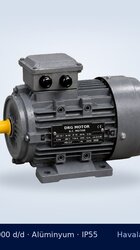
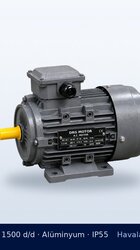
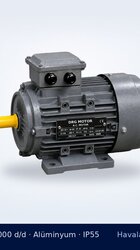
What stresses the motor in a cooling tower is not external water such as rain, but the saturated humid air and entrained water droplets carried by the fan itself. The assessment starts with where the motor sits: inside the airflow or outside the casing. Condensation, mounting orientation and the effect of water treatment chemicals are then considered.
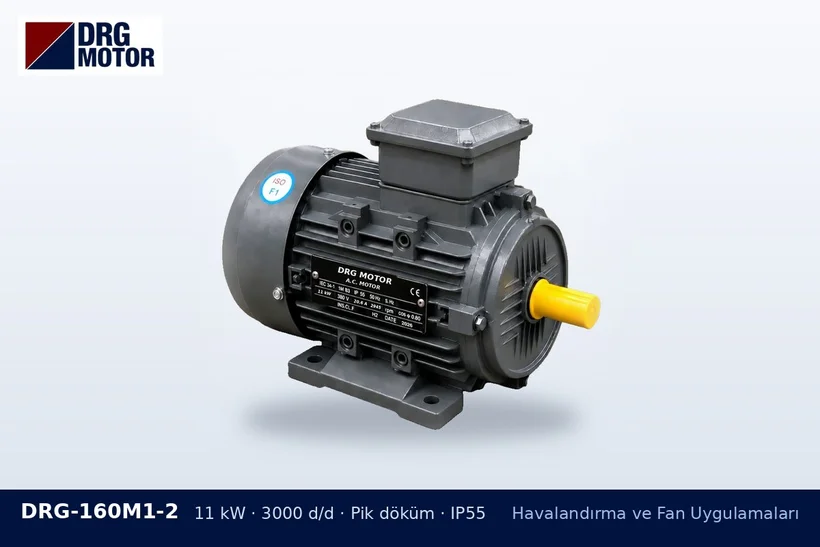
The motor's position is decisive
In induced-draft towers the fan sits at the top of the tower and the discharged air is almost saturated. If the motor is within this airflow, it operates in a permanently wet environment. In many designs the motor is placed outside the tower wall and the fan is driven through a long shaft; the motor is then exposed only to outdoor conditions. In forced-draft towers the fan at the bottom pushes dry air in, so the motor works in easier conditions but may still be exposed to splashing water.
What does IP55 cover, and what does it not?
IP55 protection is defined against dust and low-pressure water jets from any direction. Droplets striking the motor frame fall within this scope; however, remaining in saturated air for days, internal condensation forming during standstill and water seeping in through the terminal box cable entry are separate matters.
- Condensate drain holes positioned at the lowest point for the mounting orientation
- Whether a measure such as space heating or periodic running is needed against internal condensation during long standstills
- Tightness of the cable glands and the terminal box gasket
- Resistance of the paint and fasteners to the biocide and chlorine compounds used in water treatment
What to state in the order
For a vertical-shaft arrangement, the mounting position (shaft facing down or up) and the flange type should be stated clearly and their suitability confirmed. Fan power, speed and the drive train (direct-coupled, belt-driven or via a gearbox) should be given together; DRG does not sell gearboxes, so the input dimensions of the existing gearbox form the basis of motor selection.
Measures against humidity and corrosion are described in the article on tropicalisation, while criteria specific to tower applications are on the cooling tower motors page. You can browse cast iron frame motors of suitable power and speed in the shop.