 English
 Le français
 Türkçe

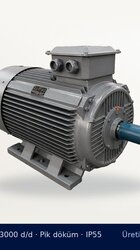
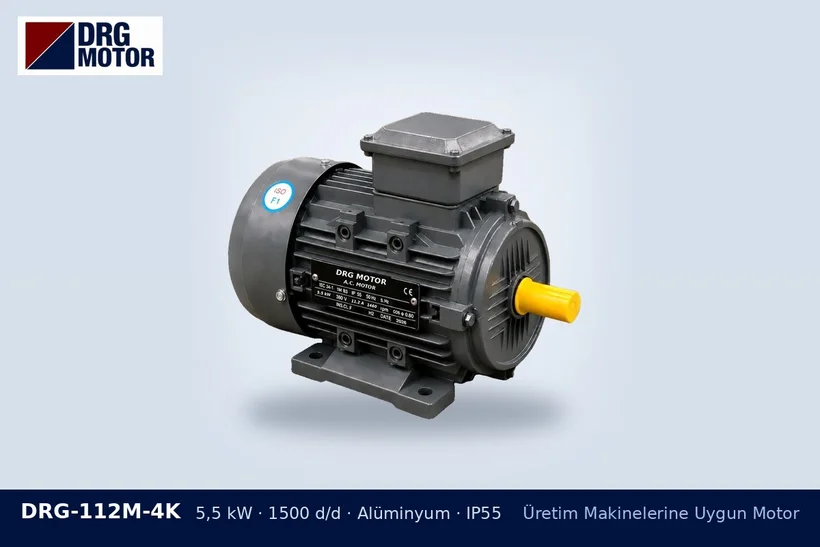
It may need to be, but the decision should be based on measurement. The power drawn by an agitator rises in direct proportion to the product's density; if the product also becomes thicker, the increase in viscosity raises the power further still. If the existing motor is already running close to its nameplate value, the new product will overload it; if it has a wide margin, it may cope.
Distinguish density from thickness
Density is the weight per unit volume; sugar syrup or a salt solution is heavier than water. Thickness (viscosity), on the other hand, means resistance to flow; honey, paste and resin are examples. For free-flowing products the power requirement changes mainly with density. With thick products the flow around the impeller slows down and the power needed rises markedly; in that case even the impeller type may no longer be suitable.
What to check besides the motor
- The gearbox output torque capacity; even if the motor is upsized, the gearbox may be overloaded
- The agitator shaft diameter and overhang length; higher torque can bend the shaft
- Impeller diameter and type; a thick product may need an anchor or gate-type blade
- Starting with the tank full; if settling solids form a deposit at the bottom, starting becomes harder
Practical steps for a decision
- With the tank full of the present product, measure the motor current and set it against the nameplate current.
- Determine the density and viscosity of the new product at the mixing temperature.
- Obtain a power and shaft speed recommendation for the new product from the agitator manufacturer.
- If the speed needs to be reduced, consider a 1000 rpm motor or a different gearbox ratio.
In turbulent mixing of a free-flowing product, power is roughly proportional to speed cubed; slowing the agitator slightly can therefore cut the load noticeably, although mixing quality also changes; the manufacturer's data shows the right ratio. If speed control is needed, selecting the drive and setting its parameters is a job for qualified personnel.
Application page
Once the product and tank information is clear, you can review the three-phase induction motor family and compare models with suitable power and speed in the three-phase motor shop.