 English
 Le français
 Türkçe

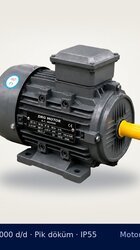
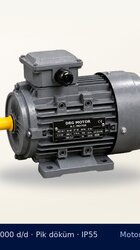
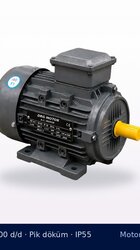
If the IEC frame size is the same, the fixing dimensions mostly stay the same, so the holes and shaft height line up. The real question is whether the base can carry the extra weight without vibrating. A thick steel or concrete base is usually not a problem; on bases folded from thin sheet or projecting like a cantilever, a check is essential.
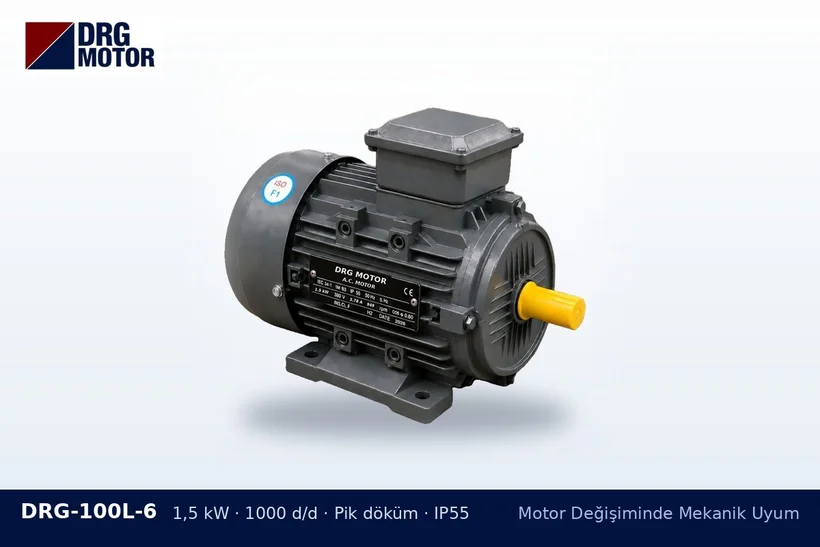
How are the dimensions compared?
In the DRG range, both aluminium and cast iron frame models are available for many power and speed ratings between 0.55 and 11 kW. For example, 3 kW 1500 rpm is frame size 100L in both versions, with a 28×60 mm shaft. Even so, foot thickness, frame length and terminal box position may differ; putting the two side by side on the comparison page is the quickest way.
Base checklist
- Supporting structure: Is the base a short bracket welded to a machine body, or a solid chassis standing on the floor?
- Flexing: With the motor in place, does the base spring when you press on it by hand?
- Bolts: If the foot thickness differs, the bolt length may not be sufficient; the nut needs full thread engagement.
- Resonance: When the mass changes, the natural frequency of the base changes too. A base that used to run quietly may vibrate at a certain speed with the new mass.
- Belt drive: Belt tension already loads the base; combined with the weight, bending increases on thin sheet-metal bases.
Why is cast iron preferred?
In dusty, impact-prone or vibrating environments, a cast iron frame is preferred for its mechanical robustness. Where lightness matters, for example on mobile or suspended machines, an aluminium frame has the advantage. So base the switching decision not only on the frame material but on how the machine is moved and mounted.
Before you proceed
Ask for the weight before ordering and prepare the lifting gear accordingly. Models in both frame types can be seen together by power and speed in the shop list; lighter frame options are on the aluminium frame motors page.