 English
 Le français
 Türkçe
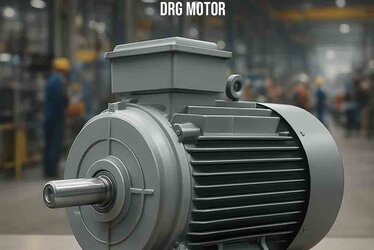
Replacing Old Motors: Payback and Energy Savings
In many facilities, low-efficiency motors installed years ago are still running. Although these motors appear to run trouble-free, they quietly continue to consume extra energy. R... More Details

In many facilities, low-efficiency motors installed years ago are still running. Although these motors appear to run trouble-free, they quietly continue to consume extra energy. R... More Details
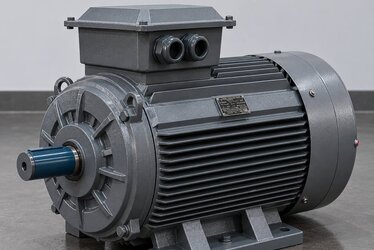
In industry, electric motors are often designed to run at a fixed speed. Yet in many applications, the motor does not always need to turn at full speed. This is where the frequency... More Details
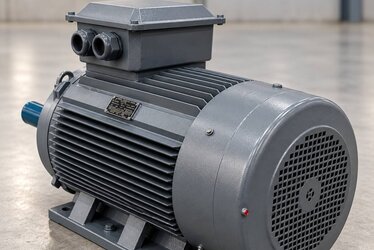
A high-efficiency electric motor costs more than a standard motor at the moment of purchase. This price difference makes many businesses hesitate. Yet the energy savings a high-eff... More Details
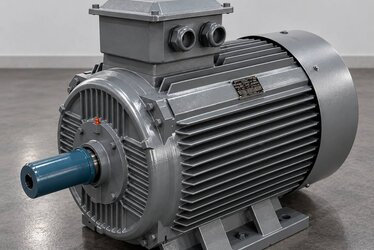
In most facilities, electric motors are the single largest item of total energy consumption; in industry this share can rise to as much as 60-70 percent. Yet how much energy these ... More Details
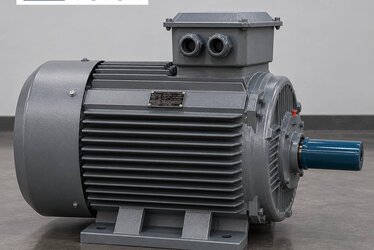
There are two basic ways to turn a machine or a pump: either set up a mechanical drive with a diesel generator or engine, or use an electric motor fed from the grid. This choice di... More Details
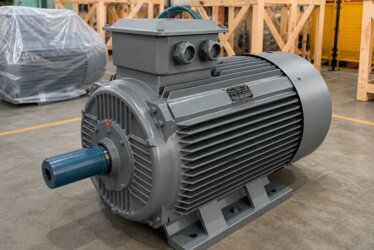
When an electricity bill comes in higher than expected, the first remedy that comes to mind is usually to swap a single component, the motor, for a more efficient model. Yet an ele... More Details
An electric motor cannot convert all the energy it draws into mechanical work; part of that energy inevitably turns into heat. In most facilities, this heat is seen as a loss that ... More Details
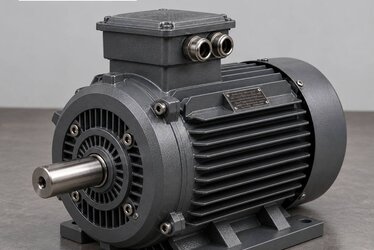
There is only one sound way to understand whether switching to an efficient motor makes sense: do the math. The sentence "a high-efficiency motor saves energy" is true but abstract... More Details
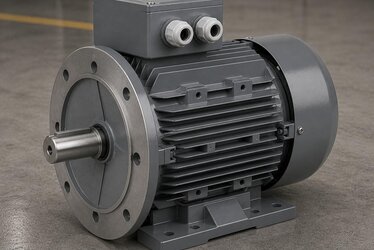
On a heavy-industry line that runs around the clock, the purchase price of a motor is only a small slice of what you will actually pay over its lifetime. The real burden hides in t... More Details
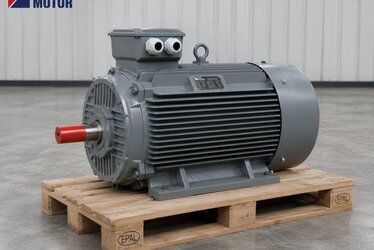
Electric motors account for the largest share of electricity consumed in industrial facilities, so the motor you choose directly shapes your operating costs. A low-efficiency motor... More Details
For any manufacturer, the electricity bill creeping higher every quarter has stopped being an exception and become the baseline. Against that backdrop, old and low-efficiency motor... More Details
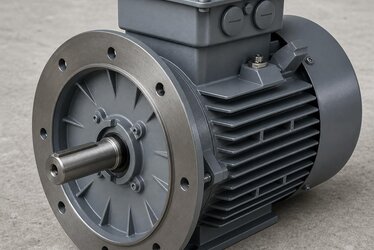
When an efficiency class moves up one notch, the electricity bill drops; everyone knows that much. But the decision to upgrade from IE3 to IE4 cannot be made on the phrase "less en... More Details
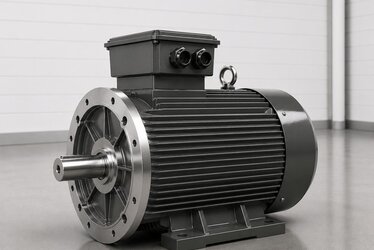
A motor you assume has been running at the same efficiency for years may quietly be drawing extra electricity on every shift. The IE1 and IE2 class motors commissioned in the early... More Details
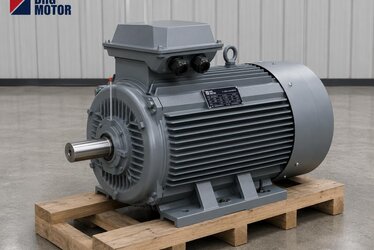
In most plants, pump and fan groups quietly consume the largest share of the electricity bill. When the motor at the heart of this constantly running equipment ages, the real probl... More Details