 English
 Le français
 Türkçe

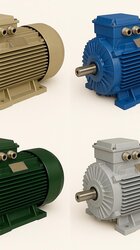
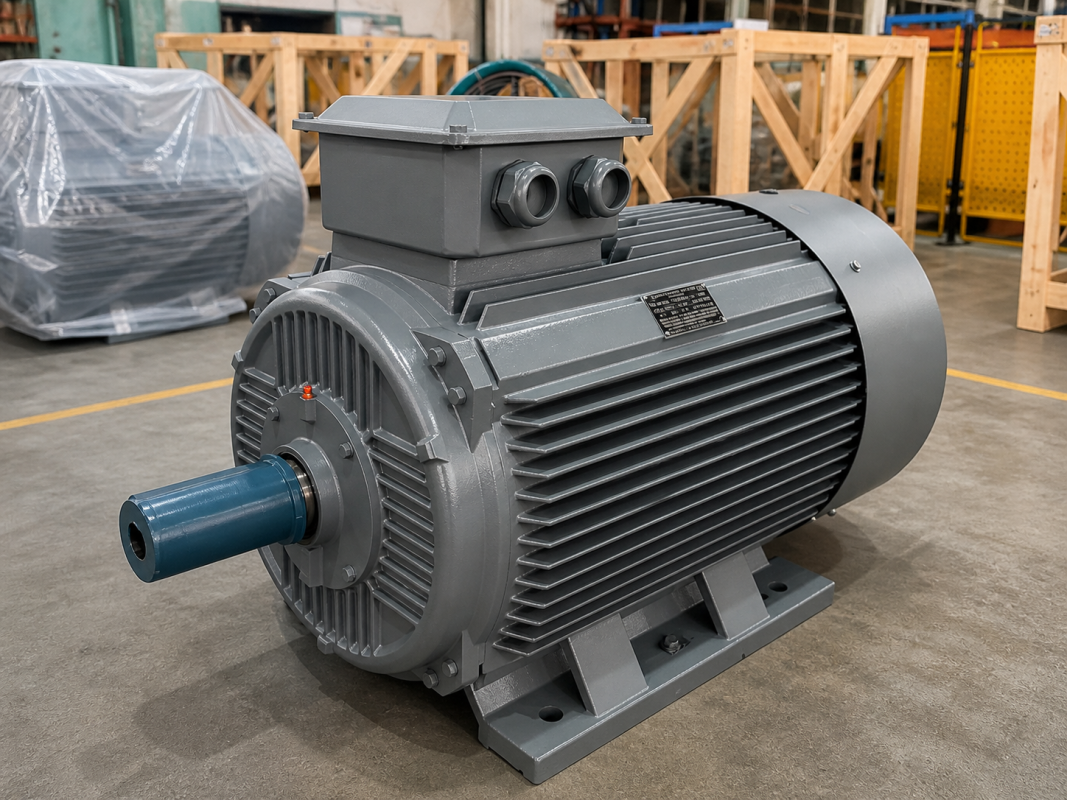

An electric motor cannot convert all the energy it draws into mechanical work; part of that energy inevitably turns into heat. In most facilities, this heat is seen as a loss that fans blow outside and that no one ever thinks about. Yet the waste heat released in motor-driven systems can, with the right approach, be recovered and turned into a free resource that meets another need of the facility. From the engineering perspective of DRG Motor, this article looks at how motor and drive losses turn into heat, where the waste heat released in compressor, pump and fan systems comes from, and how you can put that heat to use in areas such as process heating and hot water production. We also examine how an efficient motor improves this equation from the start, and what it means in terms of sustainability.
What Is Waste Heat and Why Does It Matter?
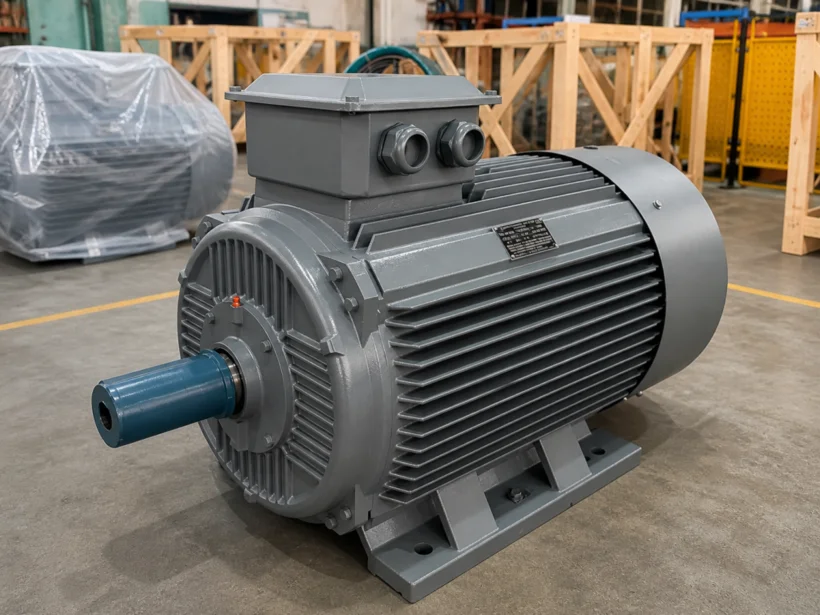
Waste heat is thermal energy released unintentionally during the operation of a system, outside its main purpose. In motor-driven systems, this heat arises from the losses of the motor and the drive, as well as from the operation of the driven equipment. The energy that is so often thrown away is in fact part of the electricity you already paid for. Recovering it means obtaining heat without paying a second time.
That is why waste heat is a resource that is often overlooked when energy efficiency is discussed, yet carries serious potential. Seeing it begins with redrawing the facility's energy map.
How Do Losses in an Electric Motor Turn into Heat?
In an induction motor, losses consist of winding copper losses, iron (core) losses, friction and windage losses, and stray load losses. All of these losses ultimately turn into heat and spread to the environment from the motor's housing, fan and ventilation channels. Understanding the source of electric motor efficiency losses is the first step both to reducing these losses and to putting the released heat to use.
The more inefficient the motor, the greater the loss that turns into heat. In other words, the amount of waste heat is directly related to the motor's efficiency.
The Contribution of Drive and Inverter Losses to Heat
Frequency inverters and other power electronics components also produce some loss while operating, and this loss turns into heat. The heat accumulating in inverter cabinets often creates a separate cooling load. Even while you are saving energy with a frequency inverter, some heat is released in the system; this heat is also part of the recovery potential.
Waste Heat Released in Compressor Systems
One of the strongest areas for waste heat recovery is compressor systems. A compressor converts a large part of the energy spent compressing air into heat. This heat comes both from the motor's losses and from the nature of the compression process. Although parameters such as the compressor motor's starting torque matter for compressors to operate correctly, the heat released when the system runs is a large resource awaiting use in most facilities.
Heat Losses in Pump and Fan Systems
In pump and fan systems too, motor losses turn into heat; in addition, fluid friction and pressure drops in the system produce extra heat. In large pump and fan systems that run continuously, this heat adds up to a far from negligible amount of energy. Part of this energy can be captured with suitable heat exchangers.
How Does Waste Heat Recovery Work?
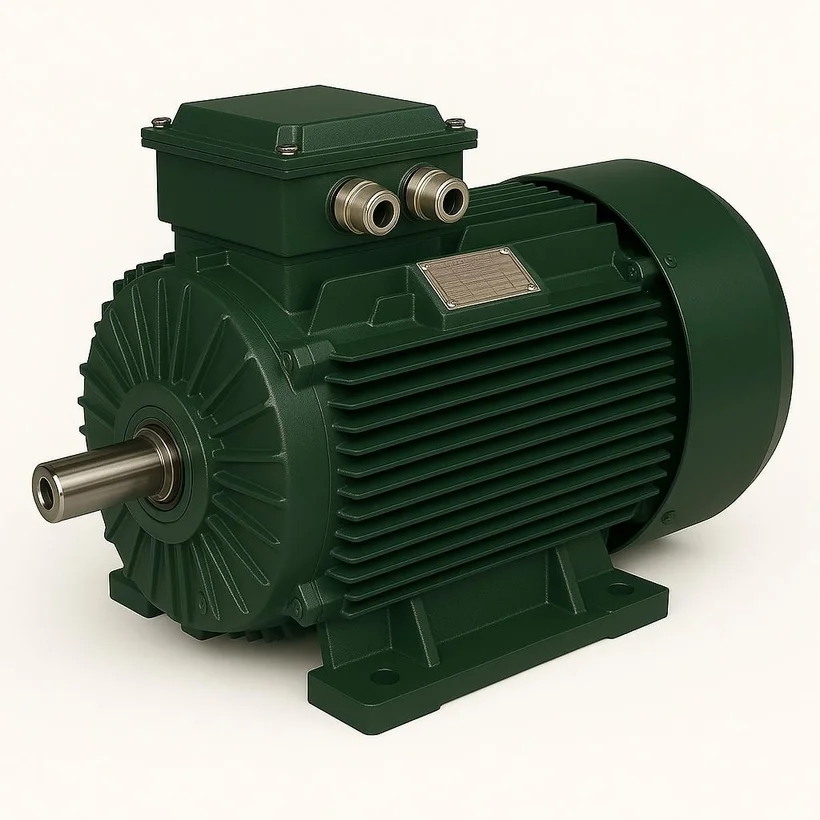
The basic logic of recovery is simple: capturing the released heat through a heat exchanger and transferring it to a useful fluid, most often water or air. This way, the heat that would have been thrown out turns into a resource that meets the need of another process. The system is designed according to the source of the heat and the intended use.
What matters is correctly evaluating the quality (temperature level) and the quantity of the heat. Even low-temperature waste heat can be valuable in the right application.
Using Waste Heat in Process Heating
One of the most common areas of use for recovered heat is process heating. The preheating, drying or space heating that a line needs can be met partly or fully with waste heat. This means that no additional fuel or electricity is spent to produce that heat; in other words, it means direct savings.
Recovery in Hot Water Production
One of the most practical uses of waste heat is hot water production. Heat captured from compressor or motor systems can heat service water through a heat exchanger. The facility's hot water need for cleaning, process or comfort is thus met at low cost. Thanks to its relatively simple installation, this application is a good starting point for beginning recovery.
Upgrading Waste Heat with a Heat Pump
In some cases, the temperature of the waste heat may not be high enough for direct use. This is where a heat pump comes in and carries low-temperature waste heat to a higher, usable temperature. Understanding the relationship between an industrial heat pump and electric motor takes waste heat recovery to a much wider field of application. At the heart of the heat pump there is again an electric motor; therefore, the efficiency of this motor directly affects the economics of recovery.
The Role of an Efficient Motor in Reducing Waste Heat
There is an apparent contradiction here: if recovering waste heat is a good thing, is it also good for the motor to produce a lot of heat? No. The most correct approach is to first reduce the loss at its source, then make use of the remaining, unavoidable heat. Because they run with fewer losses, high-efficiency electric motors both lower the energy bill and reduce the unnecessary heat load.
So the priority is always efficiency; recovery is the second layer of gain that comes after efficiency.
Why Does the Temperature Quality of Waste Heat Matter?
The value of waste heat depends on its quantity and on its temperature level. High-temperature waste heat can be used directly in many processes, while low-temperature heat is usually put to use in limited applications such as heating or preheating. That is why the first question in recovery design should not be "how much heat?" but "heat at what temperature?". The temperature level determines for what purpose and with which equipment the heat will be used.
Seasonal Demand and Heat Storage
Waste heat is released continuously, but the need for it may not always coincide. For example, while heating demand intensifies in winter, heat continues to be released in summer as well. To manage this mismatch, heat storage solutions or directing the heat to different uses come into play. A good recovery design is structured to balance the moment the heat is released with the moment it is needed.
Determining the Recovery Potential
Before starting waste heat recovery in a facility, you must measure where, how much and at what temperature the heat is released. Electric motor energy monitoring systems support this assessment by making the consumption of the motors, and therefore the magnitude of the lost heat, visible. Recovery design done without measurement often misses the real potential.
Typical Application Areas of Heat Recovery
The table below summarizes the sources of waste heat released in motor-driven systems and their typical areas of use. Although the conditions of each facility differ, this table offers a map of where recovery can begin.
| Waste Heat Source | Typical Temperature Level | Possible Area of Use |
|---|---|---|
| Compressor system | Medium level | Hot water, space heating, process preheating |
| Motor housing and fan air | Low level | Space heating, preheating |
| Inverter / cabinet cooling | Low level | Low-temperature heating, upgrade with heat pump |
| Pump and fan systems | Low-medium level | Process water preheating |
As the table shows, most waste heat is at low or medium temperature; this makes choosing the right application, or upgrading with a heat pump, important.
The Importance of Heat Exchanger Selection
The heart of the recovery system is the heat exchanger. A heat exchanger chosen in the right type and size transfers the released heat efficiently to the target fluid. A wrongly sized heat exchanger, on the other hand, wastes a large part of the potential. This choice must be made according to the temperature and quantity of the heat and the target use.
Capturing Heat from Motor Cooling Air
Many induction motors cool their housing with their own fan and, in the process, expel the heated air into the environment. In spaces with enclosed, large motors, this heated air can be captured with simple ducting arrangements and directed to space heating or preheating. This is a relatively low-temperature but free heat source and can reduce the space heating load, especially in cold climates.
The Maintenance Requirement of the Recovery System
Waste heat recovery systems require maintenance too. The surfaces of heat exchangers can foul over time, retaining scale or residue, which lowers heat transfer efficiency. Regular cleaning and inspection keep the system at the performance it was designed for. A recovery system whose maintenance is neglected gradually becomes unable to deliver the expected savings; that is why recovery should also be included in a maintenance plan.
The Economic Return of Recovery
The appeal of waste heat recovery comes from the fact that every unit of recovered heat is heat that would otherwise have to be produced with fuel or electricity. This both lowers the energy bill and shortens the payback period of the investment. In systems that run continuously and release plenty of heat, the recovery investment returns relatively quickly.
The Effect on Sustainability and Carbon Footprint
Recovering waste heat means doing the same work with less total energy. This directly reduces the facility's carbon footprint. Using energy twice, once for mechanical work and once for heat, makes a concrete contribution to sustainability goals. An efficient motor and recovery together form a whole that pays off both economically and environmentally.
How Recovery Reduces the Cooling Load
Waste heat recovery has a side benefit that is often ignored: when you capture and remove the heat, you also prevent that heat from warming the environment. Heat accumulating in an enclosed motor or compressor room increases the air-conditioning load in summer. Directing this heat to another use with a recovery system both provides heat gain and reduces the environment's cooling need. So a single intervention creates savings in two directions.
The Difference Between Water- and Air-Based Recovery
Depending on the target fluid, waste heat is usually captured in one of two ways: water or air. Water-based systems carry heat more densely and are ideal for hot water needs. Air-based systems are more practical for direct space heating. Which one is chosen depends on where and how the facility will use the heat. Often the two approaches are used together at different points.
The Effect of Oversizing on Heat Balance
A motor chosen larger than needed runs inefficiently at partial load and produces proportionally more heat. This is both energy waste and an unnecessary heat load. Solving the partial load problem of an oversized motor also brings the amount of waste heat down to a reasonable level. Correct sizing also makes recovery design easier.
An Integrated Approach in Industrial Facilities
Waste heat recovery gives its strongest result when you look not at a single piece of equipment but at the entire facility. The total heat potential created by industrial electric motors, when evaluated with an integrated recovery strategy, provides a permanent improvement in the facility's energy balance. This requires seeing motors not as isolated pieces of equipment, but as an interrelated energy system.
The Balance Between Motor Efficiency and Recovery
In a facility's energy strategy, the question of which to invest in first is important: improving motor efficiency, or recovering waste heat? The right answer is usually "efficiency first, recovery second." Because preventing the loss at its source is always more efficient than capturing it afterwards. After switching to an efficient motor, the remaining heat still forms a sufficient resource for recovery, and this two-layer approach maximizes the total return.
Basing the Investment Decision on Data
Waste heat recovery is a reliable investment when planned with correct measurement and analysis. When the facility's heat map is drawn, it becomes clear how much heat each source gives, at what temperature it is, and where it can be used. An estimate made without this data either exaggerates the potential or ignores a valuable resource. A sound recovery decision always starts with measured data.
Where to Start a Recovery Project?
A good start goes through identifying the system that releases the most and the most continuous heat. In most facilities, this is the compressor room. The hot water or heating gain to be obtained from here both provides a concrete return and gives confidence for a broader recovery strategy. Measuring first, then focusing on the highest-potential source, is the right path.
DRG Motor for Efficient and Sustainable Systems
At DRG Motor, with the high-efficiency induction motors we supply, we aim to reduce both your facility's energy consumption and its unnecessary heat losses. An efficient motor is not a precondition for waste heat recovery but its smartest complement: it first shrinks the loss at its source, and you make use of the remaining heat. To make your facility's motor-driven systems more efficient and sustainable, you can explore DRG Motor products and get support from our engineering team. The way to use your energy not once but down to the last drop begins with the right motor.